The phrase to use property Template can point to more than one kind of reusable structure. In software, a property template can define recurring fields, values, metadata, layouts, or configuration settings so that new objects or records follow a consistent pattern. In property administration, a template can instead describe how a property may be occupied, accessed, rented, licensed, or used. The correct interpretation depends on the context in which the phrase appears.
This distinction matters because a technical property template and a legal property-use document solve very different problems. A developer may want consistent properties in a class, component, configuration file, or inspection record, while a property owner may need a written document defining who can use a location, for what purpose, for how long, and under what conditions. The underlying idea is similar: define recurring information once, then apply a clear structure repeatedly.
Current examples show both meanings in practice. Property-template systems can standardize layouts, spaces, checklists, and settings for recurring property records, while property-use agreements commonly identify the parties, property, permitted purpose, duration, financial terms, responsibilities, liability, termination, and signatures.
What does to use property Template mean?
In a technical environment, a property template is best understood as a reusable definition for properties that appear repeatedly. Instead of manually configuring every property or record from scratch, a template establishes a predictable structure. Depending on the system, that structure may contain a property name, data type, default value, validation rule, display setting, description, or other metadata. The exact terminology differs between programming languages and software platforms, so a template should always be interpreted according to its host system.
For property-management and inspection software, the concept can be even more concrete. A property template may represent a repeatable physical-property structure containing rooms, spaces, inspection items, checklists, and other recurring settings. One documented example describes property templates as reusable structures that standardize layouts and checklists when creating properties.
In a legal context, however, the word property refers to real estate or another asset rather than a software field. A property-use document establishes permission and responsibilities between parties. That distinction is important when researching the phrase because search results can mix programming terminology with real-estate terminology. Before selecting or adapting any template, identify whether the intended output is code, configuration, an inspection record, or a contractual document.
Property templates in software and development
Software property templates are useful when many objects share the same conceptual attributes. For example, a property-management system might define a recurring property record with fields for address, property type, inspection status, rooms, maintenance notes, and responsible team. A developer can then create new records from the same conceptual model instead of inventing a different structure each time.
The value comes from consistency rather than complexity. If every record uses the same names and data types, reports become easier to generate and integrations become easier to maintain. A template can also establish sensible defaults. A new property might begin with a standard inspection checklist, while a new configuration object might begin with predefined settings. The template should still allow legitimate differences between individual properties.
A good template therefore separates stable structure from changing values. The structure might define that every property has an address and status, while the actual address and status are supplied for each individual record. This separation reduces accidental inconsistency and makes later changes easier because the common design can be revised without rewriting every individual record.
Why reusable property structures matter
Reusable structures reduce repetitive work, but their larger advantage is predictability. When multiple developers or administrators work with the same data, a shared template establishes common expectations. A property named “inspectionStatus” should not unexpectedly become “statusInspection” in another record unless there is a deliberate reason. Consistency makes searching, reporting, testing, and troubleshooting more straightforward.
Templates can also act as documentation. A carefully designed property structure tells future users what information belongs in a record and what type of value should be supplied. Clear names and descriptions are particularly valuable when a system will be maintained by people who did not create the original design.
At the same time, over-templating can create unnecessary rigidity. Not every property has identical characteristics, and not every software object needs dozens of predefined fields. The strongest template usually contains the attributes that are genuinely recurring and leaves specialized information to an appropriate extension or optional field.
How to use property templates in different technologies
The exact implementation changes substantially between programming environments. A property in one language may mean a class member with accessor behavior, while a property in another framework may be a component input, model field, configuration value, or object attribute. The shared principle is to define the expected structure clearly and then instantiate or reuse it consistently.
When working with unfamiliar syntax, avoid copying a template mechanically. First identify what the template is supposed to accomplish: define a value, expose a value, validate a value, provide a default, or standardize configuration. Then map that purpose to the conventions of the technology. This prevents a template designed for one environment from being forced into another environment where its assumptions do not apply.
The following examples explain the intent behind several of the technical search phrases associated with this topic. They are conceptual examples rather than claims that one universal syntax exists across every version, framework, or toolchain.
to use property template in css
In CSS, properties describe presentation characteristics such as spacing, sizing, typography, borders, and layout. CSS does not use “property templates” in exactly the same way as a class-based programming language. Reusable styling is normally achieved through selectors, custom properties, shared rules, utility conventions, or component styles. A useful template therefore focuses on a consistent group of declarations rather than treating CSS properties as class members.
For a repeated property-management interface, a design system could define shared custom properties for spacing, typography, borders, or component dimensions. Individual screens can then consume those values consistently. The advantage is similar to a property template: recurring visual decisions are centralized rather than repeatedly invented.
When creating such a structure, avoid copying large blocks of declarations into every component. Establish the recurring values first, identify which values genuinely vary, and document the naming convention. This makes later visual changes easier and reduces conflicting definitions across the interface.
to use property template in c
C does not have properties in the same object-oriented sense as C#. Instead, a C program commonly represents related information with structures, functions, macros, or carefully defined data-access patterns. A reusable property-like structure can therefore be implemented as a struct containing fields that represent the characteristics of an entity.
For example, a property-management data model could contain an address, category, occupancy state, and identifier. Functions can then validate or modify those fields. This approach provides a repeatable structure while keeping the responsibilities of the data and its operations explicit.
The important design decision is not the word “property” itself but the relationship between the data fields and the operations performed on them. A template becomes useful when it makes recurring records predictable without hiding important behavior behind unnecessary abstraction.
to use property template in angular
In Angular, property-related templates often involve component data being displayed or passed between components. Angular templates bind interface elements to component properties, while component classes define the data and behavior behind those values. The practical goal is to keep the relationship between the template and its data clear.
A recurring property pattern might represent a property record with fields such as name, type, status, and location. A component can expose that record, while the template displays the appropriate values. When many components need the same structure, a shared interface, model, or component pattern can provide consistency.
Good Angular design also avoids placing excessive business logic directly into presentation markup. Keep data transformation and complex decisions in suitable TypeScript structures, leaving the template responsible primarily for presentation and straightforward binding. This makes property-oriented components easier to understand and test.
to use property template in react
React treats component properties, commonly called props, differently from the properties of a traditional class model. A reusable React component can define the expected shape of its props and use those values to render a consistent interface. For a property record, the component might receive an object containing an address, category, status, and selected metadata.
The reusable pattern is strongest when the component has a clear contract. Consumers should know which values are required, which are optional, and what each value represents. TypeScript can strengthen that contract by describing the expected object shape, while validation or runtime safeguards can address external data.
A property-oriented React component should also avoid becoming a dumping ground for unrelated fields. If one component starts handling inspection, billing, tenant communication, mapping, and maintenance workflows simultaneously, the template has become too broad. Split responsibilities into smaller components while retaining a shared property model where appropriate.
to use property template in visual studio
Visual Studio supports several programming languages and project types, so the meaning of a property template depends on the technology being developed. In a C# project, for example, properties can be generated or structured according to the conventions of the project. In other environments, reusable item templates, code snippets, model definitions, or project templates may provide the recurring structure.
The practical lesson is to distinguish between a template that creates source code and a property that exists at runtime. A code template may generate a standard property declaration, but the resulting property still has its own access behavior, type, default value, and relationship to the rest of the class.
Teams should standardize generated structures carefully. A template that reflects current naming, validation, documentation, and accessibility conventions can reduce repetitive typing. A poorly maintained template can do the opposite by spreading outdated patterns across many files.

to use property template in python
Python commonly represents object attributes directly, but the language also provides the property decorator for controlled attribute access. A reusable property pattern can therefore be useful when a value needs validation, transformation, computed behavior, or controlled access rather than simple storage.
For example, a property representing a rental amount might reject invalid values before assigning them. Another property could calculate a derived status from several underlying attributes. The purpose of the property mechanism is to preserve a clean interface while allowing implementation details to remain inside the class.
Do not introduce property methods merely because a template makes them easy to generate. If an attribute can remain a straightforward value without validation or computed behavior, direct attribute access may be clearer. Templates should serve the design rather than dictate it.

to use property template in vba
VBA uses class modules and procedures to create reusable behavior, although its approach differs from languages with modern property syntax. A class can expose values through property procedures, allowing a reusable object model to represent recurring information such as a property address, inspection state, or financial value.
For repeated business spreadsheets, this can be useful when several records share the same conceptual fields and validation rules. A class can provide a consistent interface while hiding the mechanics of storing or calculating values. This is particularly helpful when macros interact with many records and need predictable behavior.
However, a VBA model should remain understandable to the people maintaining the workbook. Excessive abstraction can make a small automation project harder to troubleshoot. A property template is most valuable when it removes genuine repetition without making the underlying data flow obscure.
to use property template in c#
C# has a direct property construct, making it one of the clearest environments for discussing reusable property definitions. A property can expose a value through accessors while allowing the implementation to control whether the value can be read, changed, calculated, or validated. Modern C# also supports concise property syntax for common cases.
A property template in a C# project might establish a recurring pattern for required values, nullable values, computed properties, or initialization behavior. For example, a model representing a property could contain an identifier, address, category, and status. The model then becomes a predictable contract between different parts of the system.
Good C# templates should reflect the project’s actual conventions. Decide whether setters should be public, private, or omitted; determine whether validation belongs in the property or elsewhere; and document non-obvious behavior. Consistency is valuable, but the template should not prevent a class from expressing legitimate domain rules.
Property templates versus property-use agreements
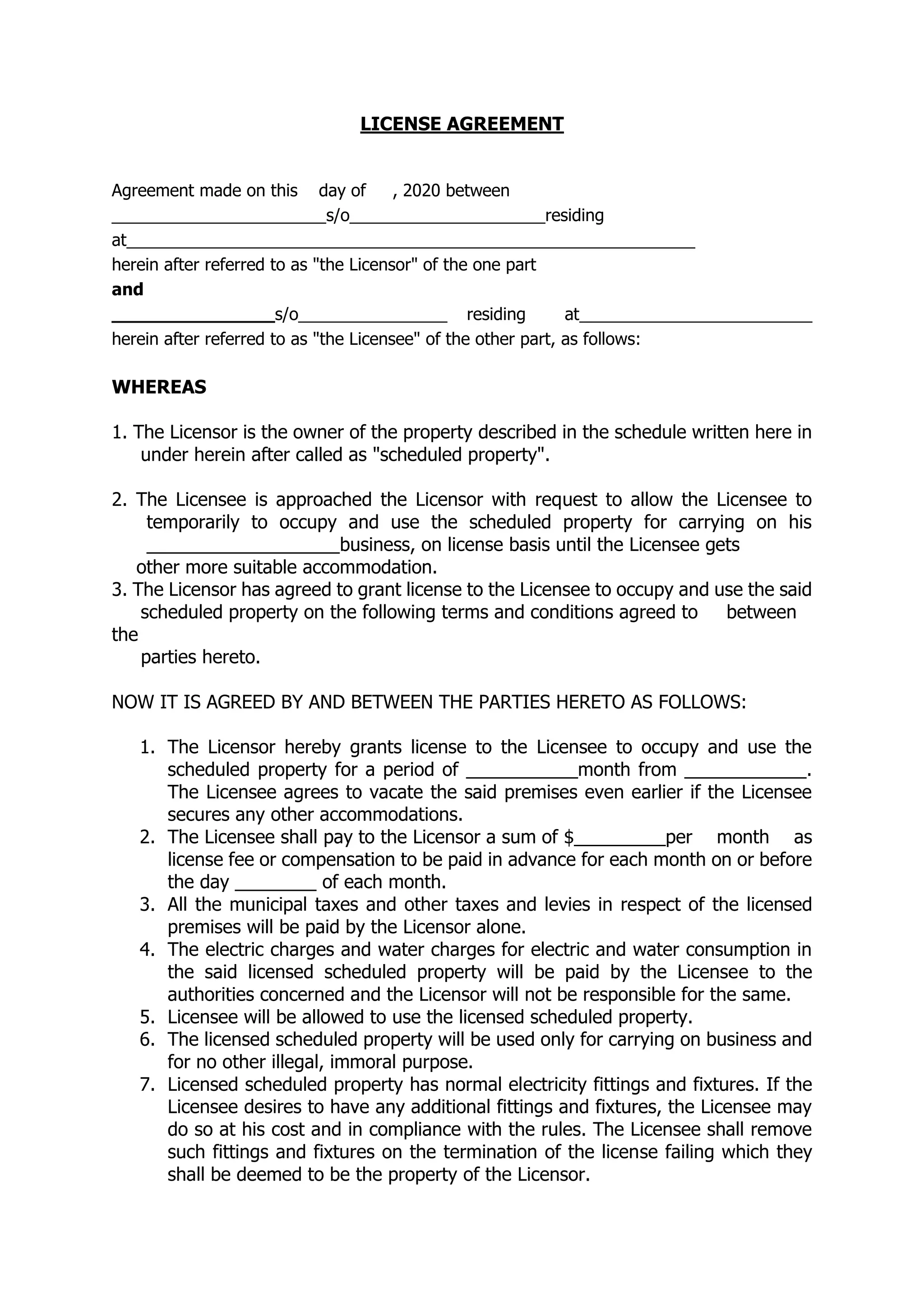
A separate but important meaning appears when the subject is a physical property. A property use agreement establishes terms under which one party may use another party’s property. Typical provisions can identify the parties, describe the premises, specify the permitted purpose, define the period of use, address payment, and allocate responsibilities.
The distinction between a lease and a limited-use license can also matter. A document may grant permission for a defined activity without intending to create the same rights as a conventional tenancy. The exact legal effect depends on the wording, circumstances, and governing jurisdiction, so a template should not be treated as automatically establishing a particular legal relationship.
For this reason, someone searching for a property use agreement template should first identify the real-world arrangement. Temporary event use, filming, construction access, community activities, parking, facility use, and long-term occupancy can require materially different provisions. A generic structure is a starting point, not a substitute for checking the actual circumstances.
What belongs in a property use agreement?
The first major component is a precise identification of the parties and the property. Names should be accurate, and the property should be described sufficiently to distinguish it from other locations. Depending on the circumstances, this may involve a street address, legal description, parcel identifier, building area, room, parking area, access road, or other defined space.
The next component is the permitted purpose. The agreement should state what the user is allowed to do and, where necessary, what is excluded. A narrow permission can reduce uncertainty. For example, allowing access for inspection is materially different from allowing construction, storage, events, filming, commercial activity, or overnight occupancy.
Time limits are equally important. The document should distinguish the effective date from the actual dates and hours of use when those details matter. Renewal, extension, early termination, notice, and conditions for ending access should be stated clearly rather than left to informal assumptions.
Payment, maintenance, insurance, and liability
Financial terms should explain whether the user pays rent, a usage fee, a deposit, reimbursement, or another form of consideration. If a deposit is involved, the agreement should identify its purpose and explain how deductions or returns are handled. The parties should avoid vague references to “standard charges” when the amount or method can be stated directly.
Maintenance provisions should allocate practical responsibilities. These may include cleaning, repairs, utilities, restoration, waste removal, equipment handling, landscaping, or damage caused by the user’s activities. The more unusual the use, the more important it becomes to define who supplies equipment and who bears the cost of restoring the premises afterward.
Insurance and liability provisions require particular care. Some arrangements may require proof of insurance or additional insured status, while others may rely on different risk-allocation mechanisms. The correct requirements depend on the activity and jurisdiction. A template should therefore provide a framework for discussion rather than imply that one clause is suitable for every property-use situation.

How to choose the right property template
Start by defining the output rather than searching for a template by title alone. If the goal is software, identify the language, framework, data model, and expected behavior. If the goal is property administration, identify whether the document concerns access, occupancy, rental, licensing, events, maintenance, or another specific use.
Next, compare the template’s structure against the real requirements. A strong template should make important information easy to locate. In software, that means predictable property names, types, and behavior. In a property-use document, it means clearly identifiable parties, premises, purpose, term, responsibilities, and signatures.
Finally, remove fields and clauses that do not apply. A template becomes less useful when it contains large amounts of irrelevant material. Customization should make the structure more precise, not simply make the document longer.
Common mistakes when using property templates
One common mistake is assuming that a template’s title guarantees its suitability. Two documents with similar names can establish very different rights. A “property use” document intended for a one-day event may be inappropriate for a long-term occupancy arrangement, just as a software property model designed for one component may be unsuitable as a system-wide data model.
Another mistake is leaving placeholders unresolved. Names, addresses, dates, permitted uses, property descriptions, payment amounts, and responsibility clauses should be reviewed carefully before a document is finalized. In software, placeholder values can create runtime defects; in agreements, ambiguous or incomplete fields can create uncertainty between the parties.
A third mistake is failing to update the template itself. A reusable structure should evolve when requirements change. Software teams should review naming and validation conventions, while property administrators should periodically check whether their standard clauses, procedures, and operational details still match the arrangement they actually manage.
Practical workflow for creating a reusable property template
Begin with a requirements inventory. List every field, condition, or decision that genuinely occurs across multiple examples. Separate essential information from optional information. This prevents the template from becoming a collection of every possible field anyone might someday want.
Then group related information into logical sections. A software model might separate identity, location, status, financial data, and operational metadata. A property-use agreement might separate parties, premises, purpose, term, payment, maintenance, liability, termination, and signatures. Logical grouping makes both editing and later review easier.
Test the structure against several realistic examples. A useful template should work for an ordinary case, an unusual but legitimate case, and a case where optional information is absent. Testing reveals whether the structure is flexible enough without becoming vague.
Practical Solution
The most practical way to use a property template is to treat it as a controlled starting point rather than a finished answer. First determine whether the template belongs to a technical workflow or a legal property-use workflow. For software, document the expected properties, types, defaults, validation rules, and ownership of each value. For physical property use, identify the owner, user, premises, purpose, duration, payment arrangement, responsibilities, risk allocation, termination rules, and signing requirements.
Next, create a small master structure containing only the recurring elements. For a software model, this could mean a consistent property definition that is reused across records or components. For a property-use document, it could mean a standard agreement structure that is customized for each location and activity. Avoid copying a template into every situation without review. The purpose of a template is to make important decisions easier to repeat, not to eliminate the need for those decisions.
Before finalizing anything, perform a field-by-field review. Check names, addresses, identifiers, dates, permitted activities, payment information, responsibilities, restrictions, and termination provisions. In code, test the resulting object or component with realistic values and edge cases. In a legal document, verify that the wording matches the intended relationship and consider jurisdiction-specific professional review when the arrangement is significant or complex.
When a property template should be customized
Customization is appropriate whenever the real situation differs from the assumptions built into the template. A property-use document may need different terms for commercial activity, temporary access, filming, community use, parking, construction, or occupancy. A software model may need additional properties for a particular business workflow without changing the shared core structure.
Customization should preserve the template’s useful consistency. If every variation completely redesigns the structure, the organization no longer has a meaningful template. A better approach is to maintain a stable core and clearly define optional sections or extensions for legitimate variations.
Version control is especially valuable when templates are reused frequently. Record when the template changed, why it changed, and which workflows depend on it. This is useful for both software and document management because it makes later troubleshooting easier and reduces uncertainty about which version was used.
Property use agreement examples and practical scenarios
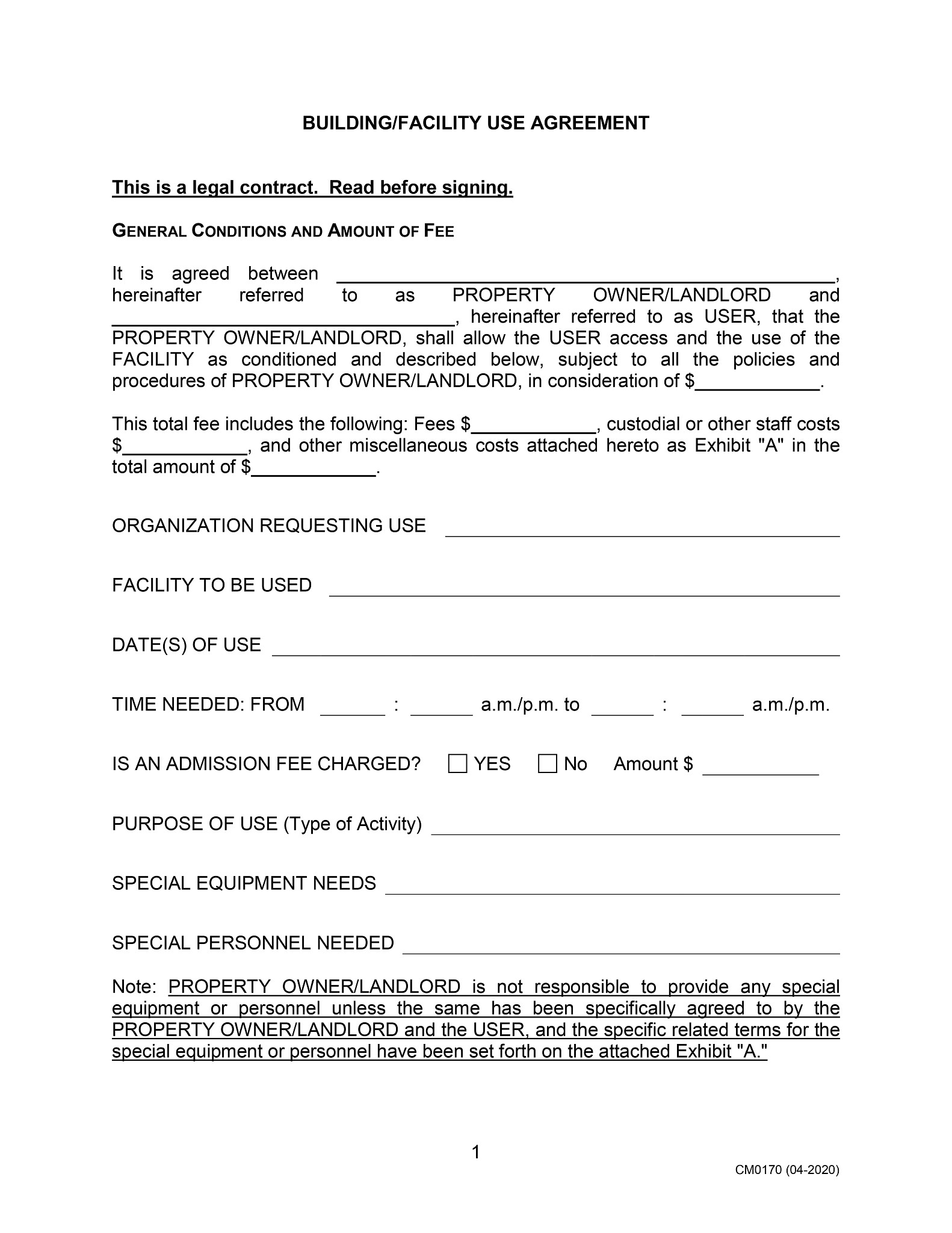
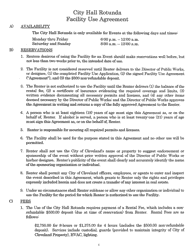
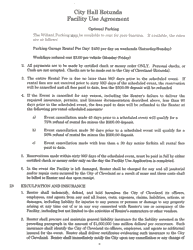
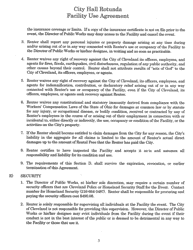
A short event is one example where a property-use document may define the location, event date, hours, permitted areas, cleanup duties, damage responsibility, and insurance requirements. A city facility form may contain detailed restrictions because the owner needs to protect public facilities while allowing temporary use. Such documents demonstrate why the purpose and scope should be specific.
Temporary access is another example. A contractor may need to enter a neighboring property to conduct repairs or construction. In that case, the agreement can define the access route, permitted hours, activity, restoration duties, and responsibility for damage. A broad permission to “use the property” would be less precise than a carefully defined access right.
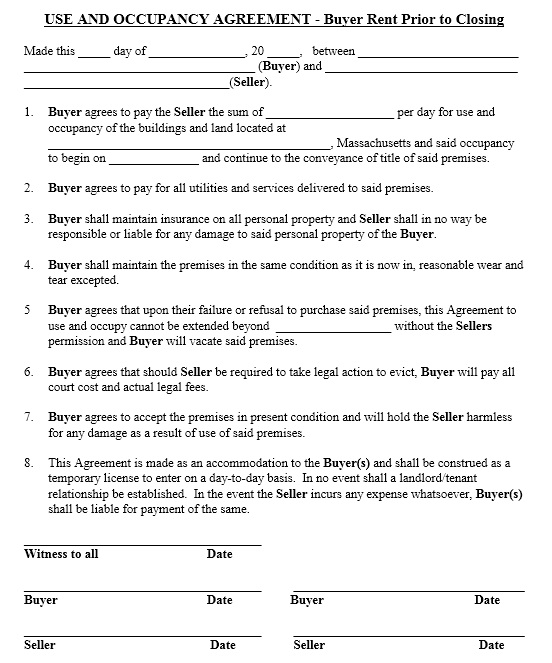
Longer occupancy is different again. A buyer and seller might use an occupancy arrangement before closing, while a conventional tenant relationship may require a lease governed by applicable local rules. The correct document depends on the legal and practical relationship, not simply on the fact that both arrangements involve use of real property.
How templates improve consistency without replacing judgment
A template provides a repeatable framework, but it cannot determine whether a particular clause, property, value, or business rule is appropriate. That judgment still belongs to the person responsible for the project. The template’s role is to reduce avoidable omissions and make recurring information easier to organize.
In software, this means using templates to encourage consistent architecture while allowing domain-specific behavior. In property administration, it means using a standard document structure while adapting the terms to the actual premises and activity. In both cases, consistency is valuable only when it reflects a sound underlying design.
The best templates are therefore maintained as living standards. They should be reviewed when regulations, business processes, technology, or operational requirements change. Outdated templates can create repeated errors precisely because people trust them to represent the accepted standard.

Property template review checklist
- Identify the context: Decide whether the template is for software, property administration, access, occupancy, rental, licensing, or another purpose.
- Define recurring information: Keep the fields or clauses that genuinely appear across multiple cases.
- Separate required and optional elements: Make it obvious which information must be supplied and which can vary.
- Check terminology: Use language appropriate to the technology, business process, or legal arrangement.
- Test realistic examples: Confirm that the template works for ordinary and unusual legitimate cases.
- Review permissions and restrictions: For physical property, clearly define what the user may and may not do.
- Check responsibility allocation: Address maintenance, damage, insurance, payment, and restoration where relevant.
- Review dates and termination: Ensure the effective period and ending conditions are unambiguous.
- Maintain versions: Record important changes so users know which template is current.
- Obtain appropriate review: Technical review may be needed for code, while significant property agreements may warrant qualified legal review.
Why clear property terminology matters
The word “property” is overloaded across technology, business, and law. In a programming language, it can describe an object member with controlled access. In a design system, it can describe a configurable value. In a property-management platform, it can describe a physical asset and its recurring attributes. In a contract, it can describe real estate, equipment, or another asset whose use is being authorized.
That is why a search phrase such as to use property Template should not be interpreted without context. The surrounding words usually reveal the intended meaning. References to CSS, Angular, React, Python, VBA, or C# point toward software. References to an owner, premises, occupancy, fees, liability, or signatures point toward a property-use agreement.
Understanding that distinction makes template research considerably more efficient. Instead of searching for one generic document or code pattern, identify the environment first, then select a structure designed for that environment. This reduces the risk of using a technically incorrect model or a legally unsuitable document.
Reference Examples
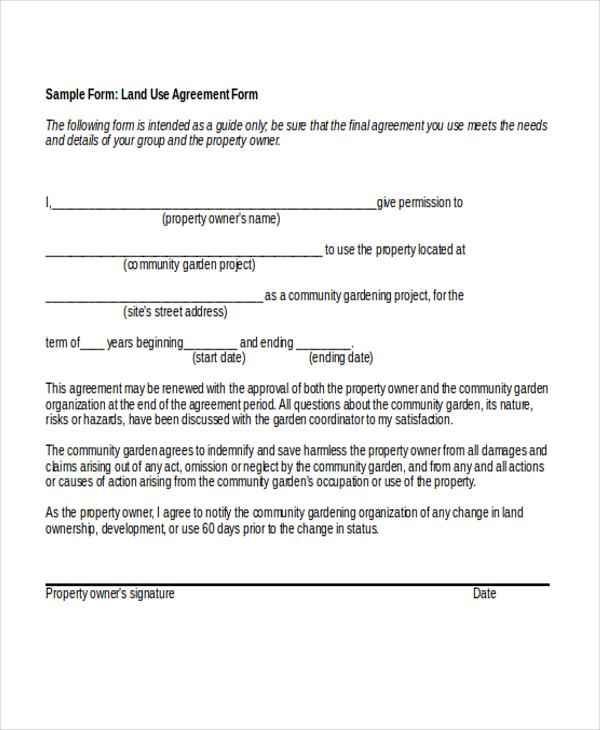
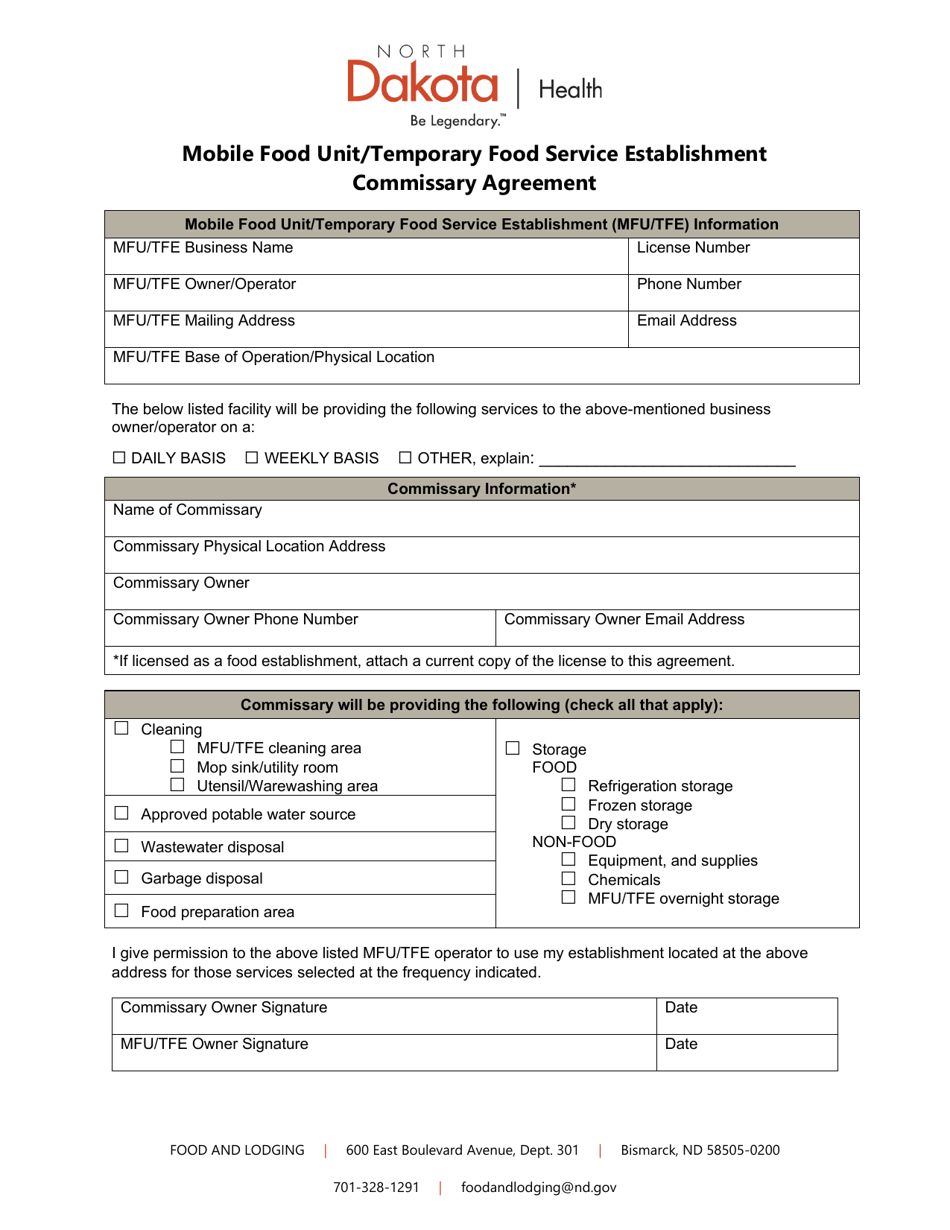
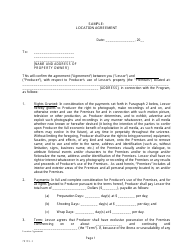
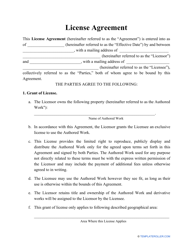
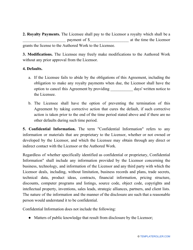
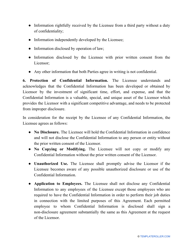
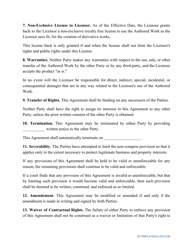
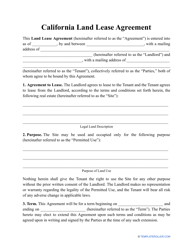
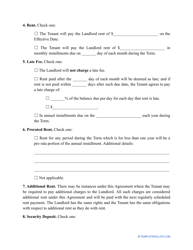
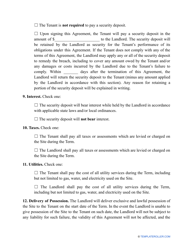
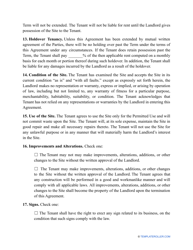
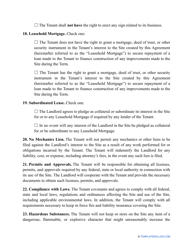
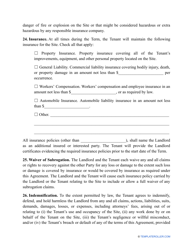
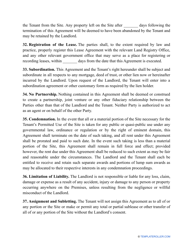
The following visuals show how structured property-related documents organize recurring information into recognizable sections. A useful property template typically makes the parties, property or premises, purpose, duration, obligations, restrictions, and approval points easy to locate. Looking at complete document pages can help readers recognize the difference between a general property agreement, a land lease, a license, an occupancy arrangement, and a facility-use document. These examples should be treated as visual references rather than universal legal forms. Their wording, scope, and suitability depend on the particular arrangement and jurisdiction involved.
These reference pages are especially useful when evaluating the structure of a property template before creating or adapting one. Notice how different documents place emphasis on different information: some focus on rent and possession, others on temporary access, permitted activities, maintenance, insurance, termination, or signatures. Comparing these structures helps clarify which recurring elements belong in a template and which details should remain specific to an individual property or transaction. A well-designed template should make important information easier to identify without suggesting that every property requires identical terms.
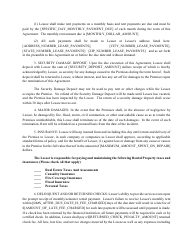
Real Estate Lease Agreement Template — Page 2
Source: TemplateRoller
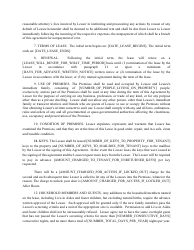
Real Estate Lease Agreement Template — Page 3
Source: TemplateRoller
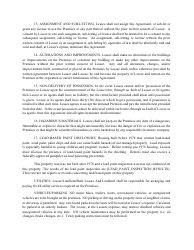
Real Estate Lease Agreement Template — Page 4
Source: TemplateRoller
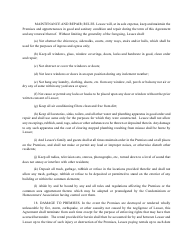
Real Estate Lease Agreement Template — Page 5
Source: TemplateRoller
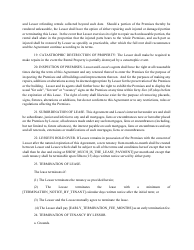
Real Estate Lease Agreement Template — Page 6
Source: TemplateRoller
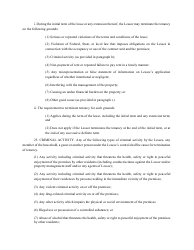
Real Estate Lease Agreement Template — Page 7
Source: TemplateRoller
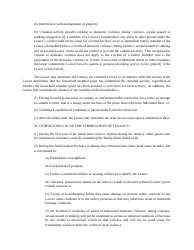
Real Estate Lease Agreement Template — Page 8
Source: TemplateRoller
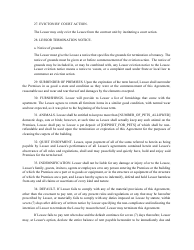
Real Estate Lease Agreement Template — Page 9
Source: TemplateRoller
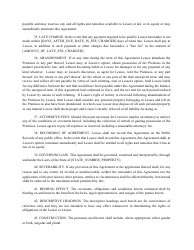
Real Estate Lease Agreement Template — Page 10
Source: TemplateRoller
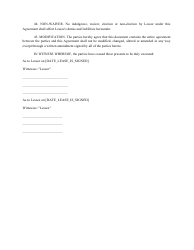
Real Estate Lease Agreement Template — Page 11
Source: TemplateRoller
Would you prefer a developer-focused version or a property-agreement-focused version next?
