That balance matters because a proposal is more than a formatted sales document. It is a decision-making tool that helps a prospective customer understand what is being offered, why the offer fits the situation, what the investment involves, and how the engagement can move forward. A reusable framework can make that process faster while preserving consistency.
Modern sales teams may work with Word documents, PDFs, Google Docs, online editors, presentation-style layouts, or electronic signature platforms. Each format has advantages, but the underlying sales logic should remain consistent: understand the buyer, connect the solution to the buyer’s priorities, define the work clearly, explain the commercial value, reduce uncertainty, and provide one obvious next action.
This guide explains how to build, customize, evaluate, and use an editable sales proposal template for products and services. It also covers proposal structure, research, data collection, pricing, document formats, personalization, common mistakes, practical workflows, and examples that can be adapted to different selling situations.
The goal is not to make every proposal identical. Instead, the goal is to standardize the parts that should be consistent while making the parts that influence the buying decision genuinely specific to each prospect. That is the difference between a template that merely saves formatting time and one that supports a disciplined sales process.
What Is a Sales Proposal Template Editable?
A sales proposal template editable is a reusable document framework that can be changed for a specific prospect, product, service, project, or commercial situation. It normally contains headings, placeholder text, tables, branding areas, pricing sections, and other structural elements that can be modified before the proposal is delivered.
The editable characteristic is important because sales proposals should rarely be sent with generic content. A reusable structure can contain standard language for payment terms, delivery assumptions, company information, and formatting, while buyer-specific sections should be rewritten to reflect the prospect’s objectives, challenges, decision criteria, and desired outcomes.
Most useful proposals follow a recognizable progression. They establish context, demonstrate understanding, explain the proposed solution, define deliverables, show timing, present pricing, establish credibility, address terms, and finish with a clear next step. Current proposal guidance from sources such as Salesforce and specialist proposal platforms follows broadly similar principles. :contentReference[oaicite:0]{index=0}
An editable template therefore acts as a controlled starting point rather than a finished proposal. It gives the seller a reliable architecture while preserving room for judgment. This is particularly valuable when several sales representatives create proposals for the same organization because the resulting documents can share a recognizable standard without forcing every buyer into the same message.
The most effective approach is to separate reusable content from variable content. Reusable content might include brand elements, standard definitions, payment terminology, legal review prompts, and formatting. Variable content should normally include the buyer’s situation, proposed outcome, scope, quantities, pricing, implementation dates, selected proof points, and the requested action.
Why an Editable Sales Proposal Matters
A well-designed template reduces the administrative work involved in proposal production. Instead of deciding where every heading, table, price section, and signature area belongs, the seller begins with an established framework and spends more time improving the argument itself.
Consistency is another advantage. When proposals use a common structure, managers can review them more easily, sales representatives can learn the process faster, and customers are less likely to encounter confusing differences between documents produced by different members of the same organization.
An editable format also supports iteration. A prospect may ask for a revised quantity, another implementation option, a different payment schedule, or an alternative service level. A flexible document can be updated without forcing the seller to recreate the entire proposal.
Templates can also make internal quality control easier. A proposal checklist can be built around the template’s sections so that salespeople verify the buyer name, scope, pricing, assumptions, dates, proof, terms, and next step before sending the document.
Most importantly, an editable proposal can preserve a buyer-centered narrative. The seller can retain the overall structure while replacing generic statements with language that reflects the customer’s actual business context. This makes the document more useful to the person evaluating the purchase and to colleagues who may receive the proposal internally.
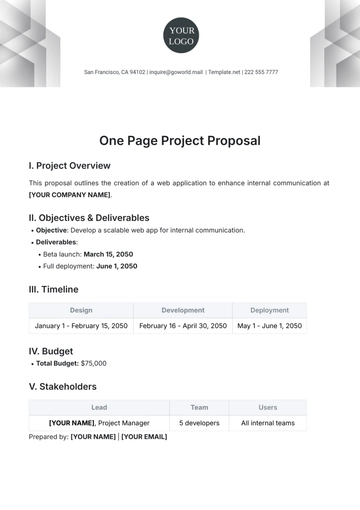
Core Components of a Strong Sales Proposal
The cover page should identify the proposal clearly. It can include the seller’s company, the prospect’s organization, proposal title, date, prepared-by information, and a concise project or offer name. A clean cover reduces ambiguity when the document is forwarded to another stakeholder.
The executive summary should explain the commercial situation quickly. It should state what the buyer is trying to accomplish, what solution is being recommended, and what outcome the buyer should expect. It should not become a long history of the seller’s company.
The problem or opportunity section demonstrates that the seller understands the buyer. It should use information gathered during discovery rather than generic industry language. If the prospect has mentioned operational delays, inconsistent reporting, high acquisition costs, or a need for a new product category, the proposal should reflect those realities accurately.
The solution section then connects the proposed offer to those needs. Features can be included, but they should be translated into practical consequences. Instead of merely listing a feature, explain how it supports a specific requirement, removes a problem, improves a workflow, or contributes to the outcome discussed during discovery.
Scope, deliverables, timeline, pricing, qualifications, proof, terms, and next steps complete the commercial story. These sections help the buyer evaluate not only whether the offer is attractive but also whether it is sufficiently defined to approve, budget, compare, and implement.
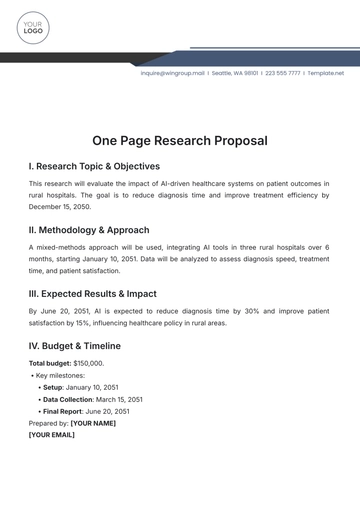
How to Structure the Executive Summary
A strong executive summary is usually written after the rest of the proposal has been developed, even though it appears near the beginning. Writing it last gives the seller a clearer understanding of the final scope, commercial recommendation, timeline, and evidence presented throughout the document.
The opening should be about the buyer rather than the seller. For example, a proposal might begin by explaining that the client wants to standardize sales reporting across several teams and reduce the time required to prepare weekly management information.
The next sentence can introduce the recommended approach. The wording should connect the solution to the stated objective rather than simply naming a product. A useful pattern is: current situation, desired outcome, recommended solution, and commercial consequence.
Keep the summary specific enough that a decision-maker can understand the proposal without reading every page. It should also avoid claims that cannot be supported. If an expected result is an estimate, describe it as an estimate and explain the assumptions behind it.
The executive summary should finish with a concise statement of what the buyer is being asked to approve. That might be a defined project, a subscription, a product purchase, a pilot, a service package, or another commercial arrangement. Clarity is more valuable than dramatic sales language.
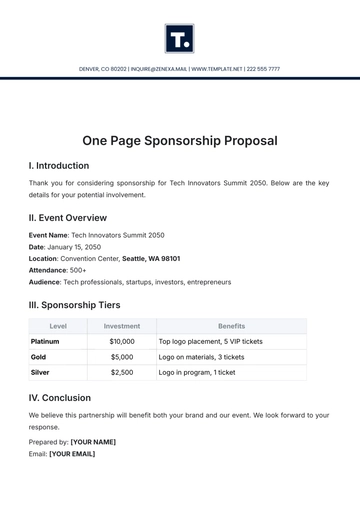
Defining the Buyer’s Problem and Desired Outcome
Research is the foundation of personalization. Before editing the template, gather the facts that affect the buying decision. Useful information can come from discovery calls, customer emails, RFP documents, meeting notes, product requirements, previous proposals, account records, public company information, and questions answered by the prospect.
Separate facts from assumptions. A statement such as “the client has three locations” should be supported by information you actually received or verified. A statement such as “the client probably wants to reduce administrative work” is an assumption until the buyer confirms it.
Next, identify the desired outcome. Buyers may care about speed, revenue, risk reduction, customer experience, operational efficiency, compliance, cost control, convenience, capacity, or another measurable business priority. The proposal becomes more persuasive when its structure reflects that priority.
It is also useful to identify decision criteria. One stakeholder may focus on price, another on implementation risk, another on technical compatibility, and another on return on investment. A proposal can address these concerns without becoming excessively long by placing the right evidence in the right sections.
The final research step is to determine what information is still missing. Do not hide uncertainty behind confident wording. Instead, identify assumptions, dependencies, or open questions and resolve them before the proposal reaches a stage where they could cause commercial confusion.
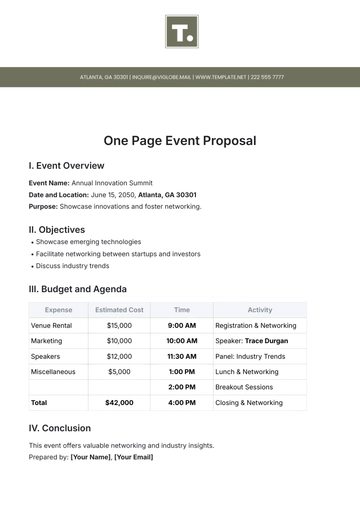
Building a Clear Solution Section
The solution section should explain what the buyer receives and why the proposed approach fits the situation. A useful structure begins with the recommended solution, followed by major components, responsibilities, implementation logic, and expected outcomes.
For product sales, describe the product in the context of the customer’s use case. If the buyer is purchasing equipment, for example, explain configuration, quantities, deployment, support, and relevant operational benefits rather than copying an entire product catalog into the proposal.
For services, explain the methodology at the appropriate level. The buyer needs enough detail to understand how the work will happen, but excessive technical detail can distract from the commercial decision. More technical specifications can be moved to an appendix when appropriate.
For complex engagements, divide the solution into phases. A discovery phase might precede implementation, followed by training, launch, optimization, or support. This makes the proposal easier to evaluate because the buyer can see how the engagement progresses.
Every major solution component should connect to a buyer need. This simple discipline prevents the proposal from becoming a feature catalog and keeps the document focused on the reason the buyer is considering the purchase.
Scope of Work and Deliverables
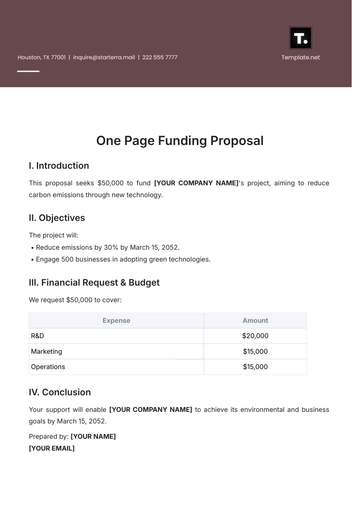
Scope is one of the most important parts of an editable proposal because it establishes what the commercial offer actually covers. A good scope describes the work, products, quantities, services, responsibilities, and boundaries in language that both sides can understand.
Deliverables should be concrete. Instead of writing “provide support,” specify the type of support, expected service window, included activities, and relevant limitations. Instead of writing “develop a website,” describe the agreed number of pages, functionality, content responsibilities, testing activities, and launch assumptions.
Exclusions are equally useful. If travel, third-party licenses, custom integrations, additional revisions, taxes, or post-launch work are not included, say so clearly when those exclusions are relevant to the engagement.
Scope should also identify customer responsibilities. A project may depend on access credentials, product data, approvals, content, technical resources, or timely feedback. Stating those dependencies helps both parties understand what must happen for the proposed timeline to remain realistic.
Finally, make sure the pricing section matches the scope. If the proposal says ten units but the pricing table contains twelve, or if the scope includes training but the commercial section excludes it, the document creates avoidable doubt. Cross-check every commercial quantity before delivery.
Creating a Useful Timeline
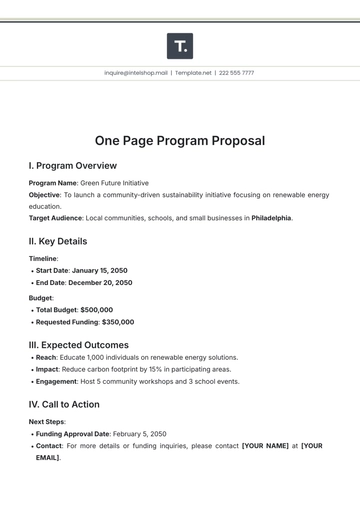
A timeline converts a general promise into an operational sequence. It should show when major activities happen, what milestones matter, and which customer actions affect progress. A short proposal may need only a few milestones, while a complex engagement may require phases and dependencies.
Dates should be realistic rather than optimistic. If the proposed launch depends on customer approval, data delivery, procurement, or technical access, identify that dependency instead of presenting the date as unconditional.
Milestones can also make pricing easier to understand. For example, a hypothetical project might involve a planning phase, implementation phase, training phase, and final handover. Payment could then be associated with agreed milestones if that commercial structure fits the engagement.
A timeline should not become a project-management schedule containing every minor task. The proposal’s purpose is to help the buyer understand the path to delivery. Detailed task management can be handled in a statement of work, project plan, or implementation system after approval.
When editing a template, check every date carefully. Replace sample dates, remove placeholder text, verify month and day formats, and confirm that the timeline agrees with the scope and payment schedule. Date inconsistencies can undermine an otherwise strong proposal.
Pricing and Commercial Presentation
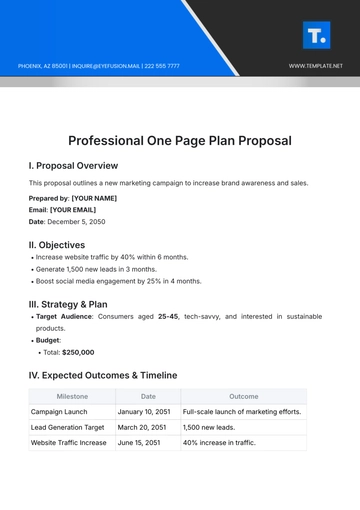
Pricing should be easy to locate and easy to understand. A buyer should not need to search through several pages to discover the total investment. A well-structured pricing section normally separates the description, quantity, unit price, subtotal, discounts where applicable, taxes where relevant, and total.
Different commercial models require different tables. Product proposals may use quantity and unit price. Subscription proposals may use user count, billing frequency, setup fees, and recurring charges. Service proposals may use phases, hours, fixed fees, retainers, or milestone payments.
When multiple options are appropriate, present them consistently. A hypothetical three-tier offer might include a basic option for essential needs, a recommended option with broader coverage, and an advanced option with additional support. The options should be meaningfully different rather than artificially complicated.
Pricing should be connected to value without making unsupported financial claims. If a buyer expects a measurable benefit, explain the calculation or assumptions behind any estimated return. Do not present hypothetical savings as guaranteed results.
Always verify arithmetic, currency, tax treatment, discount calculations, payment timing, and validity dates before sending the proposal. A beautiful document with an incorrect total can create more risk than a plain document that is mathematically correct.
Using Proof, Credentials, and Case Studies
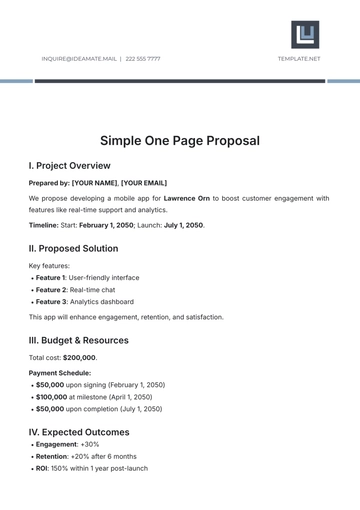
Buyers often need evidence that the seller can deliver what has been promised. Proof may include relevant experience, certifications, customer references, case studies, testimonials, product demonstrations, implementation examples, or documented capabilities.
Relevance matters more than quantity. One case study that closely resembles the buyer’s industry, problem, size, or use case can be more useful than several unrelated examples. Select proof based on what the buyer is likely to consider credible.
Case studies should explain the situation, action, and result without exaggeration. If a result is based on a customer’s own reported experience, describe it accurately. Do not imply that one customer’s outcome is guaranteed for every future customer.
Credentials should also be selective. A long list of awards or company history can consume space without helping the buyer decide. Include credentials that directly reduce a relevant concern, such as technical capability, industry experience, implementation capacity, or service coverage.
Proof should support the argument rather than interrupt it. Place a short relevant example near the solution or outcome it reinforces, and reserve detailed evidence for an appendix when the buyer needs deeper validation.
Choosing Between Proposal Formats
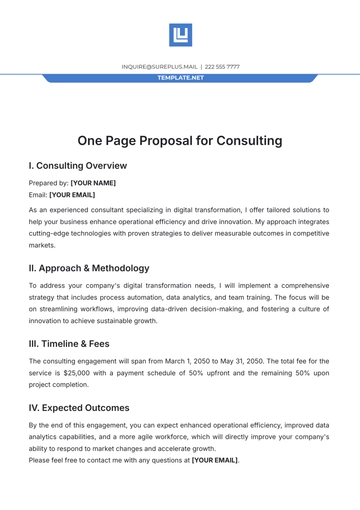
There is no single format that is best for every sales situation. The right format depends on how the proposal will be created, reviewed, edited, delivered, printed, archived, and signed. The underlying content should remain consistent even when the delivery format changes.
Word is useful when several people need to edit the document, especially when an organization already uses Microsoft Office for document workflows. It is also practical for proposals that require extensive text revisions before final conversion.
PDF is useful when the layout needs to remain stable across devices. It can preserve page design, tables, branding, and pagination after the proposal is finalized. For that reason, many sales teams create an editable source document and distribute a final PDF.
Google Docs can be useful when collaborators need browser-based editing and shared review. It can make comments, suggestions, and version collaboration easier for distributed teams, provided the organization is comfortable with its document-sharing workflow.
Online proposal platforms can add capabilities such as electronic signatures, reusable fields, tracking, approvals, and centralized document management. These capabilities may be valuable for teams with higher proposal volume, but they do not replace the need for sound proposal content.
When to Use a Sales Proposal Template Editable PDF
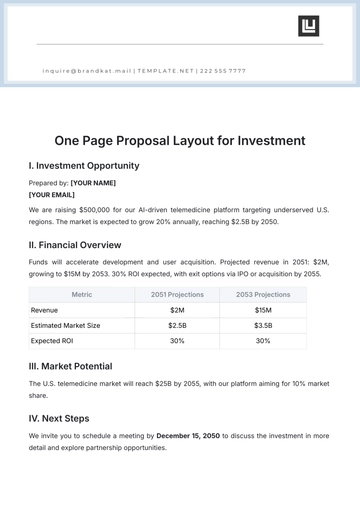
A PDF-oriented workflow is particularly useful after the content has been approved. The editable source can be changed during preparation, while the PDF becomes the stable version that is sent to the prospect. This reduces the risk of accidental formatting changes after delivery.
For print-oriented buyers, a PDF can also make page dimensions, tables, and visual hierarchy predictable. Before sending, review the document at normal viewing size and print it when the buyer specifically expects a physical copy.
PDF proposals should still be designed for screen reading. Avoid tiny type, crowded tables, excessive decorative elements, and large blocks of uninterrupted text. A proposal can be technically printable while still being unpleasant to read on a laptop or phone.
If the PDF needs signatures, determine whether the workflow requires a fillable form, an electronic signature platform, or a separate contract. A proposal may describe commercial terms without necessarily serving as the final legal agreement.
Never assume that a template’s legal wording is suitable for every jurisdiction or transaction. Commercial and legal terms should be reviewed by the appropriate professional when the deal requires formal contractual protection.
Working With Word and Google Docs
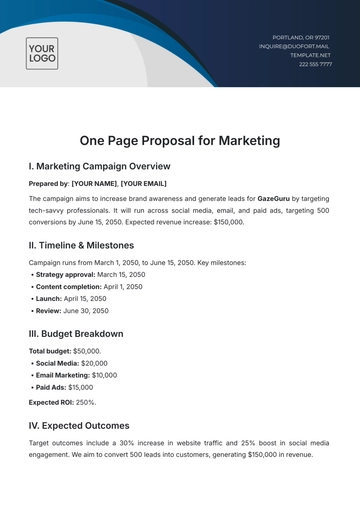
A sales proposal template editable word workflow is useful when proposal writers need direct control over paragraphs, tables, page breaks, headers, footers, and document styles. Word also works well for organizations that already have established document-management and review processes.
A sales proposal template editable word document should use consistent heading levels, readable fonts, controlled spacing, and predictable table formatting. Avoid manually formatting every paragraph because later edits can cause inconsistent spacing and pagination.
A sales proposal template editable word format can also be converted to PDF after approval. Before exporting, check that page breaks do not separate headings from their content, pricing tables are intact, and signatures or approval fields remain visible.
Google Docs offers a collaborative alternative when multiple contributors need to review the same draft. A shared document can support comments, suggestions, and simultaneous editing, but access permissions should be checked before external sharing.
Regardless of the editor, maintain one authoritative version. Duplicate proposal files with names such as “final,” “final-new,” and “final-revised” can create confusion. A simple versioning convention makes it easier to identify which proposal was actually sent.
How to Personalize a Template Without Losing Efficiency
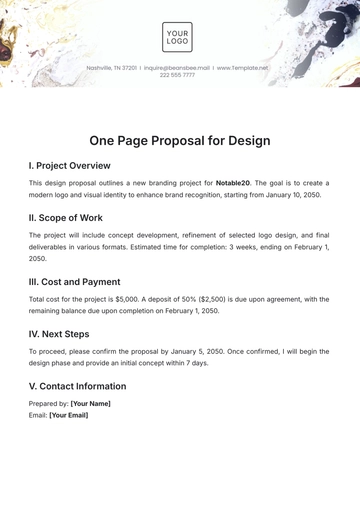
Personalization should focus on the information that changes the buyer’s decision. Start by replacing the client name, project title, date, and contact information, then rewrite the executive summary so that it reflects the actual discovery conversation.
Next, customize the problem statement. Use the prospect’s terminology where appropriate because familiar language can make the document easier to recognize as relevant. Avoid copying private statements word-for-word when a more professional paraphrase would communicate the same point.
Then customize the solution and scope. Remove services the customer does not need, add agreed requirements, clarify quantities, and adjust the implementation sequence. A smaller proposal that is specific to the buyer is usually more useful than a longer proposal filled with irrelevant capabilities.
Choose proof selectively. If the customer is a manufacturer, prioritize relevant manufacturing experience. If the buyer is a startup, a case study involving a similarly structured company may be more useful than an example from a large enterprise.
Finally, customize the call to action. Do not end with a vague invitation to “contact us.” Specify the practical next step, such as approving the scope, selecting an option, scheduling a technical review, or authorizing a pilot.
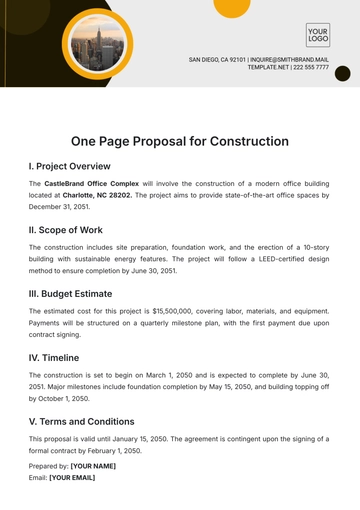
Proposal Research and Data Collection
Proposal preparation can involve more research than simply collecting product information. The seller may need to understand the prospect’s current process, business model, operating environment, decision structure, existing technology, customer priorities, and constraints.
Primary research comes directly from the buyer. Discovery calls, interviews, questionnaires, workshops, demonstrations, requirement documents, and email exchanges can reveal information that public research cannot provide.
Secondary research can provide context. Public company information, industry publications, product documentation, regulatory material, competitor positioning, and market information may help the seller understand the environment in which the buyer operates.
Data should be recorded in a structured way. Useful fields include the buyer’s stated objective, current problem, desired outcome, decision criteria, budget information, timing, stakeholders, technical requirements, risks, objections, and agreed next steps.
Do not overload the proposal with research simply because research was performed. The final document should contain information that helps the buyer understand the recommendation and make a decision. Detailed research can remain in internal notes or supporting materials when it does not belong in the proposal itself.
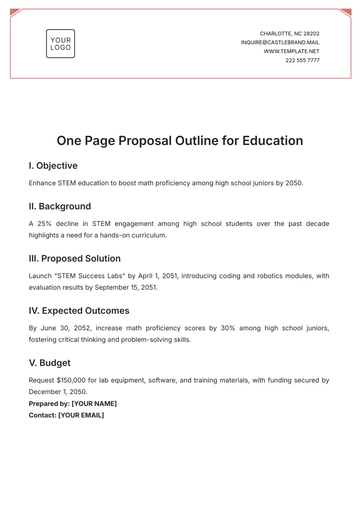
Common Sales Proposal Mistakes
One common mistake is starting with a company biography. Buyers generally need to understand their own problem and the proposed solution before they need a long history of the seller’s organization. Company information should support credibility rather than dominate the proposal.
Another mistake is using generic language throughout the document. Statements such as “we provide high-quality solutions” are difficult to distinguish from competing proposals. Specificity is stronger because it demonstrates that the seller understands the particular engagement.
Unclear scope is another major problem. If the proposal does not define what is included, the buyer may interpret the offer differently from the seller. That ambiguity can create objections before purchase and disputes after approval.
Pricing mistakes are equally damaging. Missing quantities, unexplained discounts, inconsistent totals, unclear billing frequency, or conflicting payment terms can reduce trust immediately. Pricing should be reviewed separately from the content review because numerical errors are easy to miss during a general proofreading pass.
The final mistake is an unclear next step. A proposal should make the requested action obvious. If the seller wants the buyer to approve a package, schedule a meeting, sign an acceptance page, or authorize a pilot, that action should be stated directly.
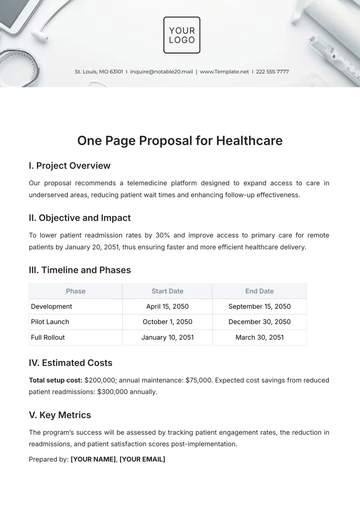
Design Principles for Editable Sales Proposals
Good proposal design supports comprehension. Use a clear visual hierarchy so readers can distinguish headings, supporting text, tables, key numbers, and calls to action. The document should look professional without competing with the commercial message.
White space is useful because it separates ideas and reduces visual density. A proposal does not become more persuasive simply because every available area is filled with text, graphics, or decorative elements.
Tables are valuable for information that readers need to compare. Pricing, deliverables, timelines, packages, responsibilities, and assumptions can often be understood more quickly in a table than in several paragraphs.
Branding should be consistent but restrained. Use the organization’s logo, colors, typography, and visual identity where appropriate, but make sure branding does not reduce readability or make important commercial information harder to find.
Accessibility also matters. Use readable font sizes, meaningful headings, sufficient contrast, descriptive table headings, and logical reading order. An editable template should make good document practices easier rather than locking the writer into poor design decisions.
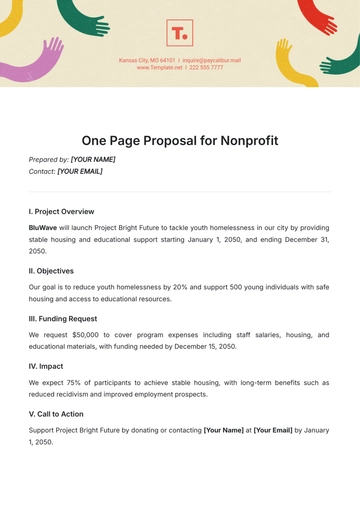
Different Types of Sales Proposals
A short sales proposal works well for straightforward offers where the buyer needs only the essential problem, solution, pricing, and next step. The document may be only a few pages or even a single page when the purchase is simple.
A product proposal focuses more heavily on product configuration, quantities, specifications, benefits, delivery, warranty or support considerations, and pricing. The level of technical information should match the buyer’s evaluation process.
A service proposal typically requires more attention to scope, methodology, deliverables, timeline, responsibilities, assumptions, and payment structure. This is particularly important when the service is customized or delivered over an extended period.
An enterprise proposal may require a more comprehensive structure because several stakeholders can be involved. It may include technical requirements, security information, implementation phases, governance, service levels, references, pricing options, and contractual considerations.
An RFP response is another specialized situation. When a buyer provides mandatory instructions, those instructions take precedence over a generic template. A reusable template should help organize the response, but it should never cause the seller to ignore a formal solicitation’s requirements.
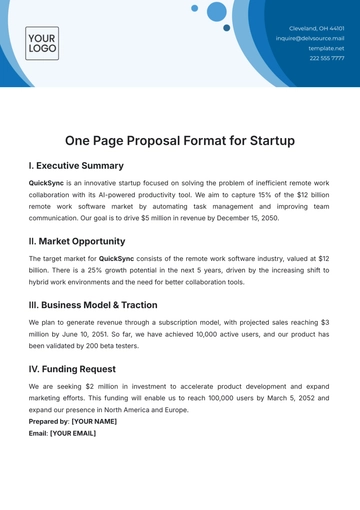
Practical Proposal Example
Consider a hypothetical company selling customer-service software to a retailer with multiple locations. During discovery, the retailer explains that support requests are handled through disconnected channels and managers have difficulty seeing response trends.
The proposal could open with a concise summary explaining the retailer’s need for a centralized support workflow. The solution section could describe the software configuration, user roles, reporting features, implementation approach, and training plan.
The scope might specify the number of locations, users, integrations, training sessions, and included support period. Exclusions could clarify that custom integrations outside the listed systems require separate scoping.
The pricing table could show implementation fees, subscription charges, optional services, and the recommended package. A timeline could then show configuration, testing, training, launch, and post-launch review.
The proposal could close with a relevant customer example, assumptions, commercial terms, and one next action. Every number in this example is hypothetical; the purpose is to demonstrate how the sections connect rather than to suggest a real market price or guaranteed outcome.
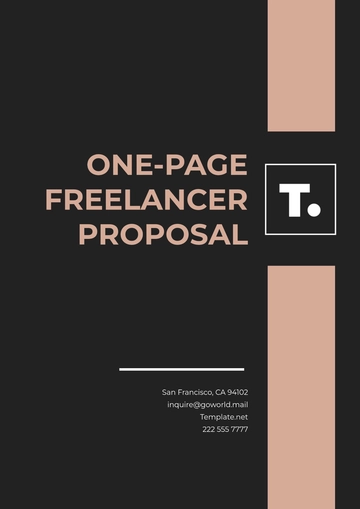
How to Review a Proposal Before Sending
Start with a factual review. Confirm the prospect’s legal or trading name, contact information, proposal date, seller information, product or service description, quantities, and agreed requirements.
Perform a scope review next. Compare every deliverable against the discovery notes or request. Make sure important requirements have not disappeared during editing and that unnecessary services have not remained in the proposal by accident.
Then perform a financial review. Recalculate totals, verify discounts, check taxes where applicable, confirm recurring versus one-time charges, and ensure the payment schedule matches the commercial agreement.
Review the document from the buyer’s perspective. Ask whether a person who did not attend the sales meeting could understand the problem, proposed solution, investment, timeline, responsibilities, and next step without needing a separate explanation.
Finish with a visual and technical review. Check page breaks, tables, hyperlinks if used, file naming, PDF conversion, signature fields, and mobile or print readability. The proposal should be complete before it reaches the customer rather than relying on the customer to discover missing information.
Practical Solution: A Repeatable Workflow for Using a Sales Proposal Template Editable
Begin by creating a master template containing the sections your sales process genuinely needs. A practical baseline is cover page, executive summary, buyer context, proposed solution, scope and deliverables, timeline, pricing, proof, terms, assumptions, and next steps. Keep reusable language separate from areas that must be personalized.
Second, create a discovery-to-proposal checklist. Record the buyer’s problem, desired outcome, decision criteria, stakeholders, scope, quantities, timeline, budget information, objections, proof requirements, and agreed next action. This turns the proposal from a writing exercise into the final expression of a structured sales process.
Third, duplicate the master template for the specific opportunity and remove irrelevant sections. Replace placeholder content before adding new copy. Then rewrite the executive summary, problem statement, solution framing, scope, pricing, proof, and call to action around the buyer’s situation.
Fourth, run separate content, commercial, and formatting reviews. The content review asks whether the proposal is persuasive and accurate. The commercial review checks price, scope, dates, assumptions, and terms. The formatting review checks readability, page breaks, tables, branding, and final file integrity.
Finally, save the approved version using a consistent naming convention and record what was sent. After the opportunity closes or is lost, review the proposal and capture useful lessons. Over time, those lessons can improve the master template, making future proposals faster to produce without turning them into generic documents.
Reference Examples
The following examples illustrate different editable proposal layouts, formats, pricing structures, and product-oriented approaches. Availability, licensing, editing capabilities, and download conditions can change, so verify the current terms on the originating website before using any external resource.
sales proposal template editable pdf
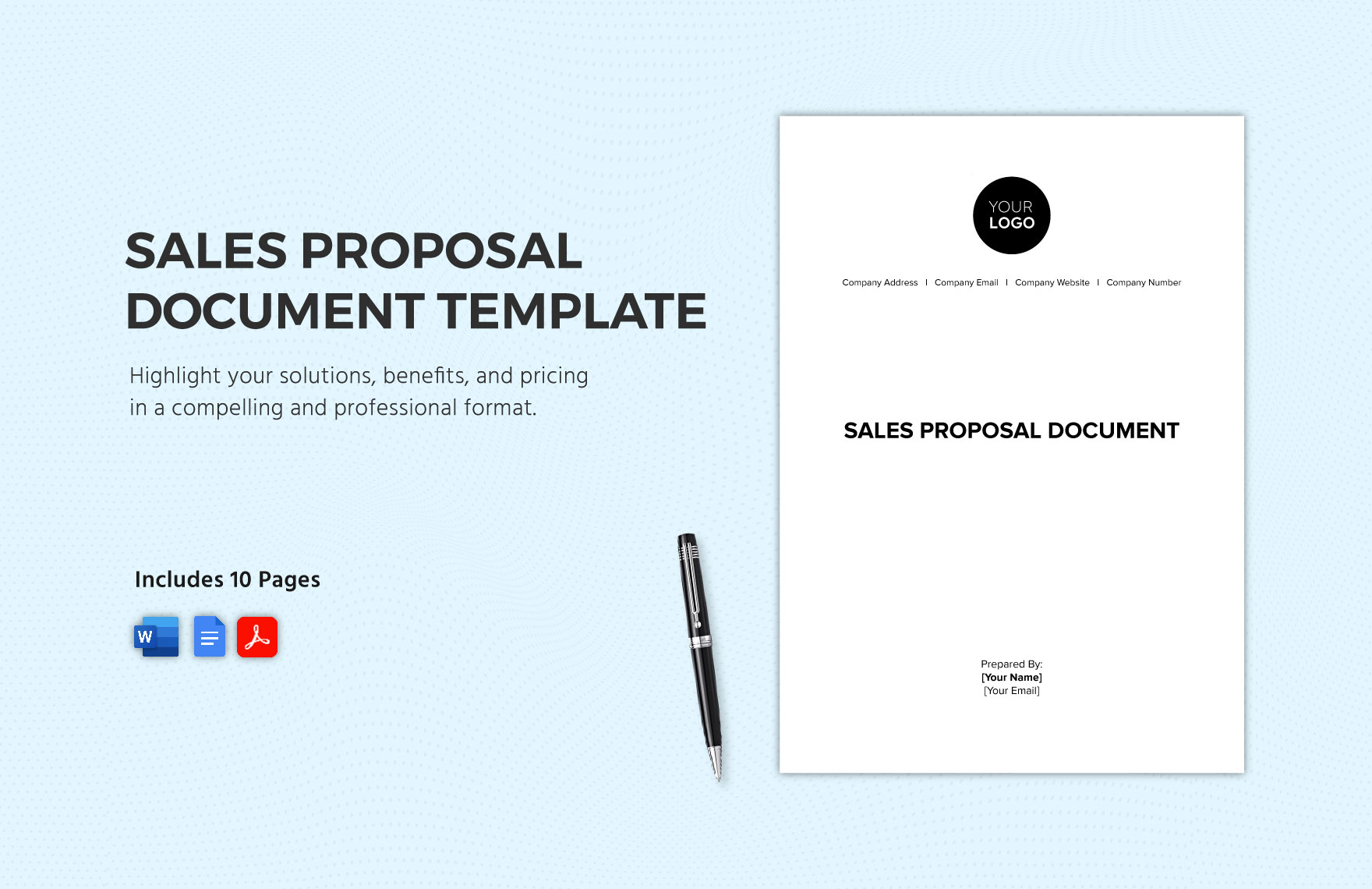
Source: Template.net
sales proposal template editable free
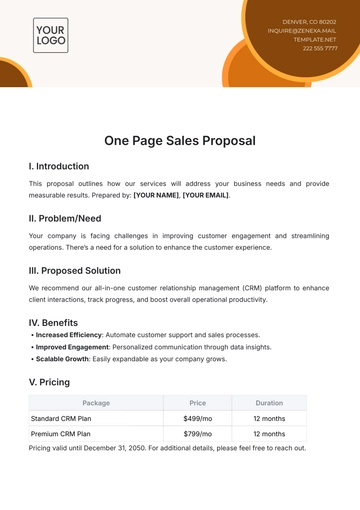
Source: Template.net
sales proposal template editable word
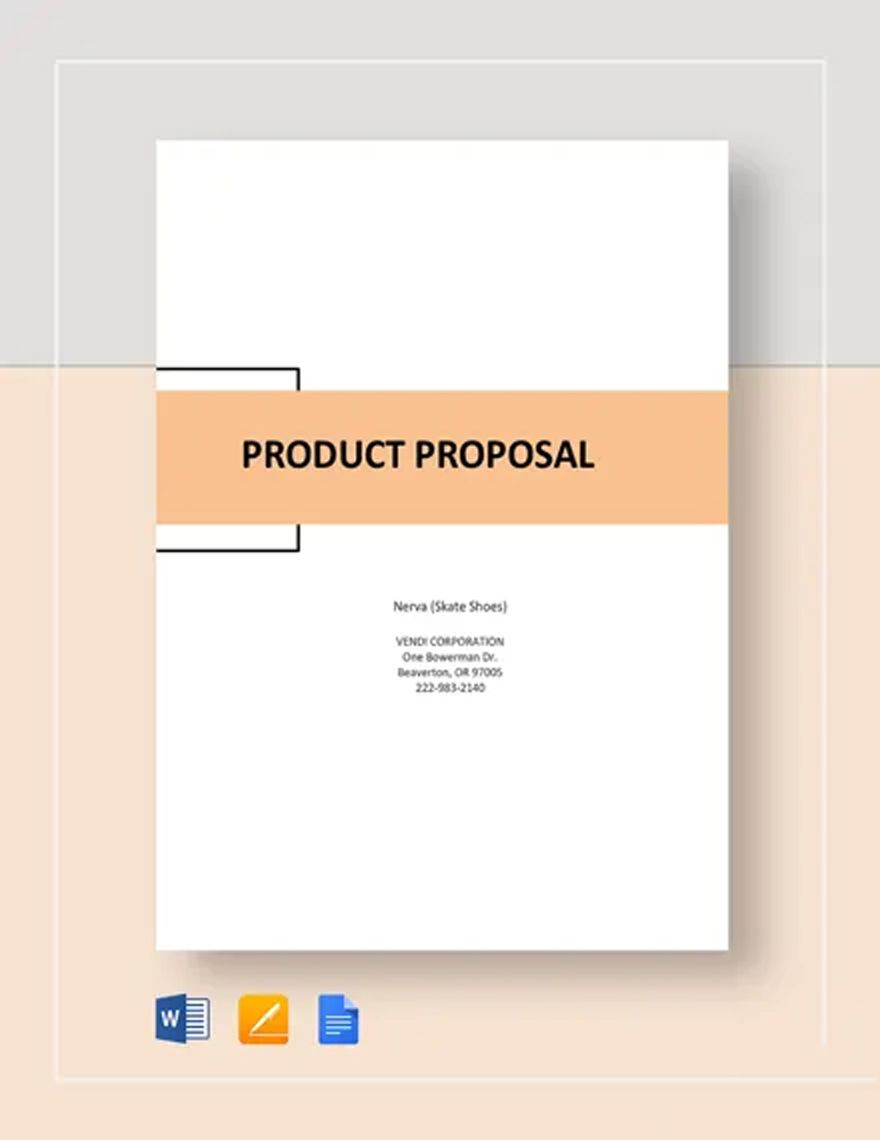
Source: Template.net
sales proposal template editable word document
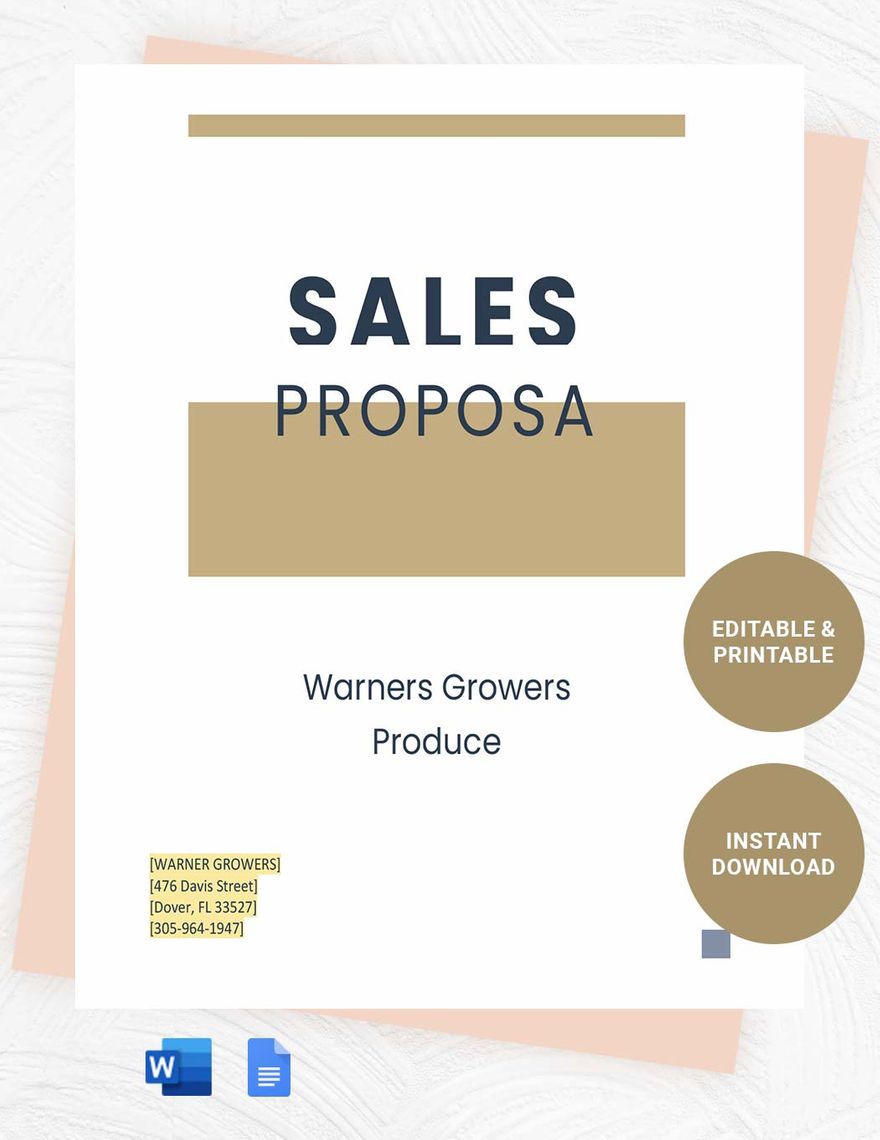
Source: Template.net
sales proposal template editable google docs
Source: Template.net
sales proposal template editable word format
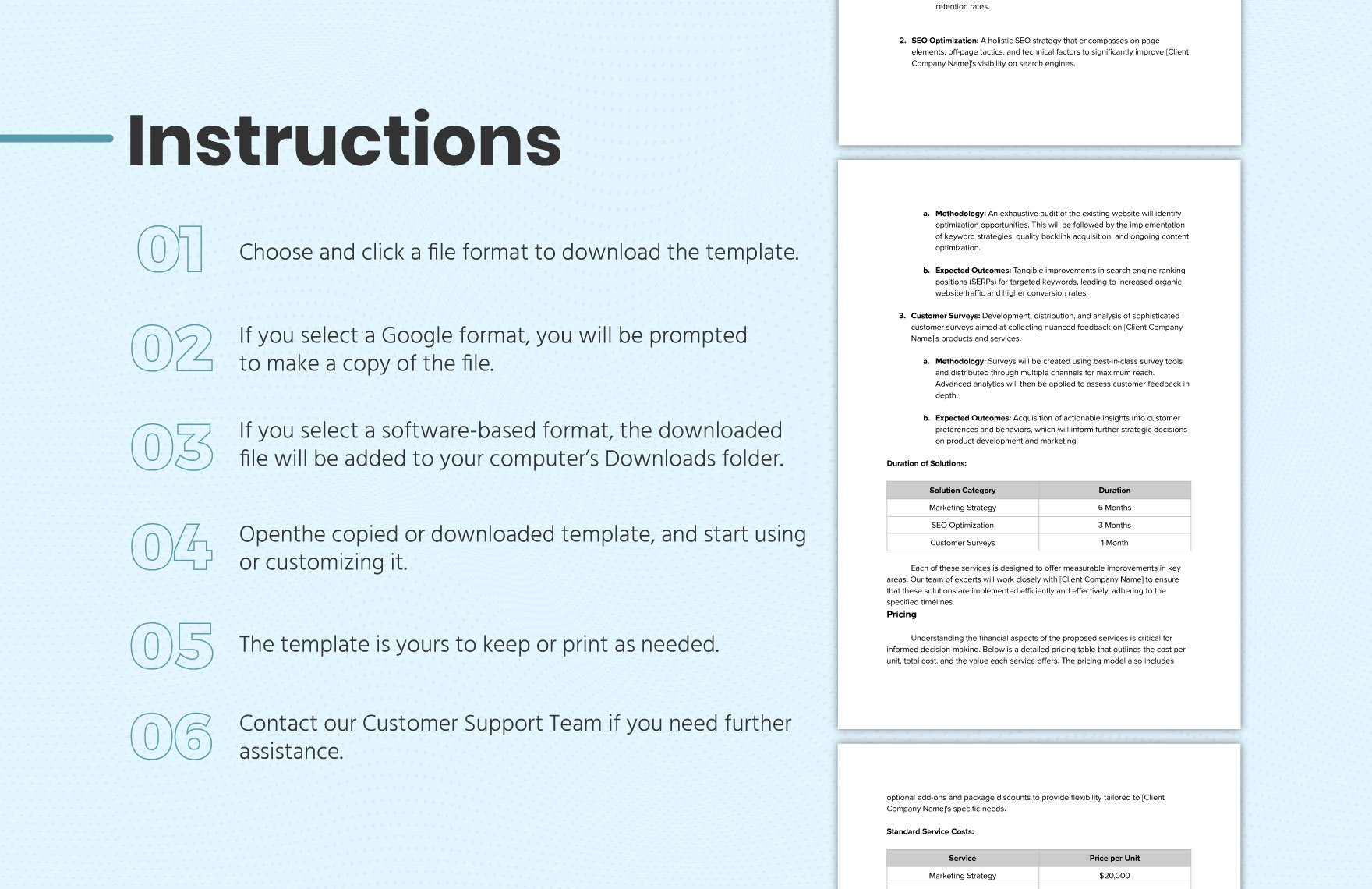
Source: Template.net
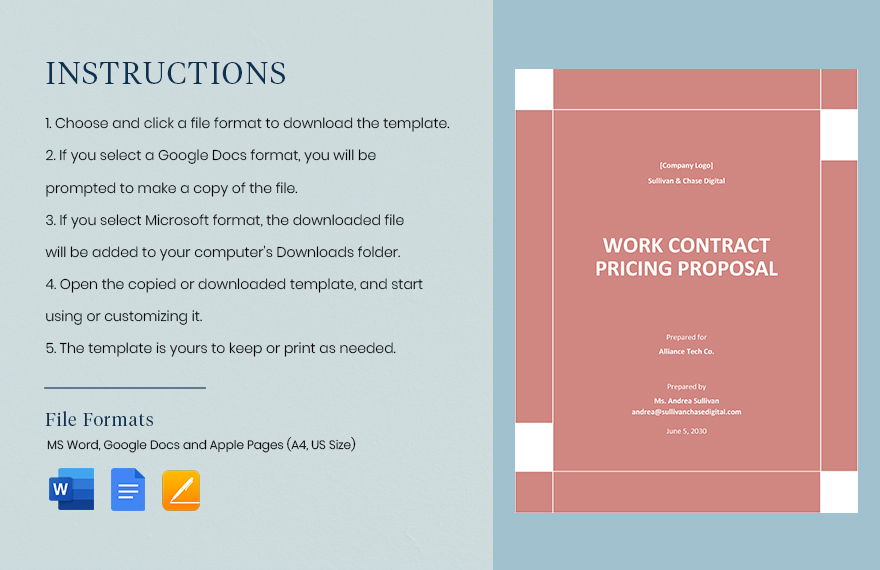
sales proposal template editable free download
Source: Template.net
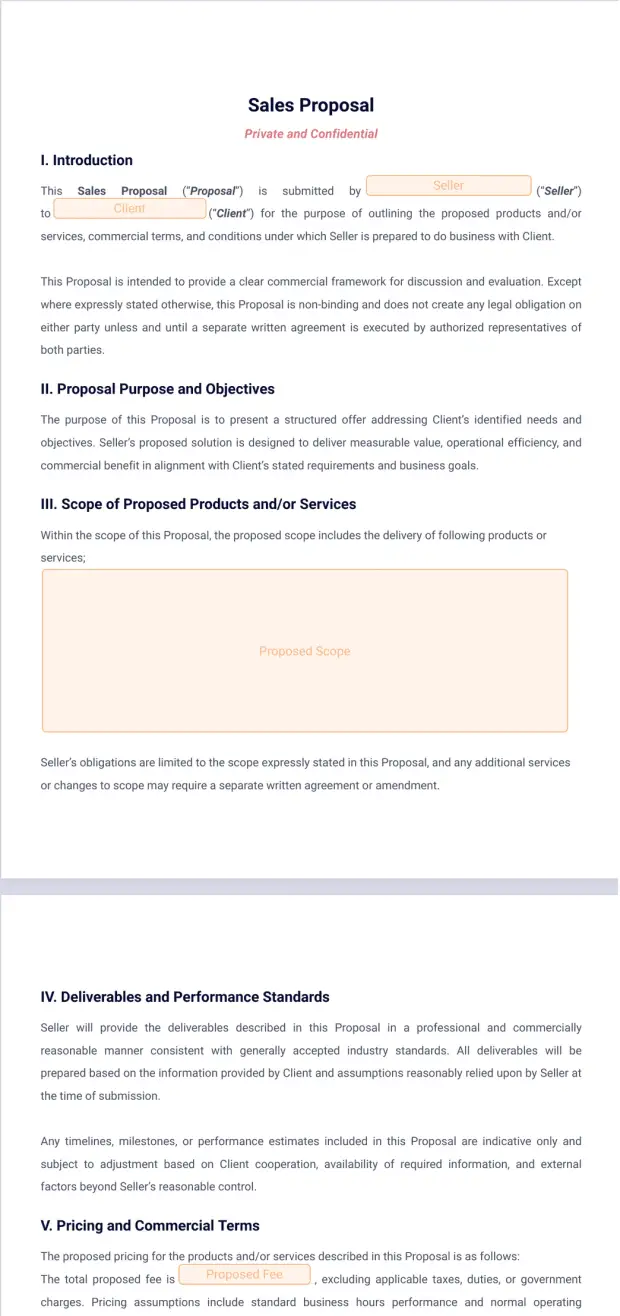
sales proposal template free pdf
Source: Jotform
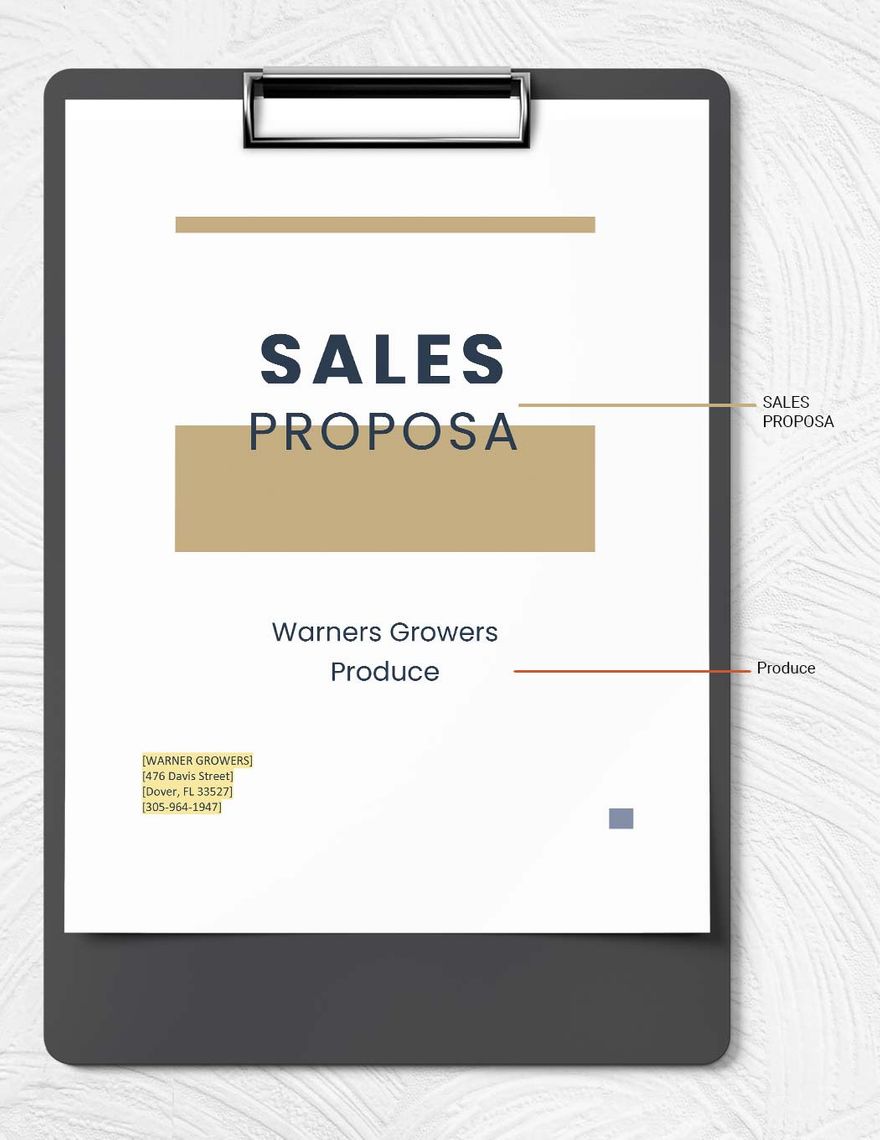
free sales proposal template
Source: Template.net
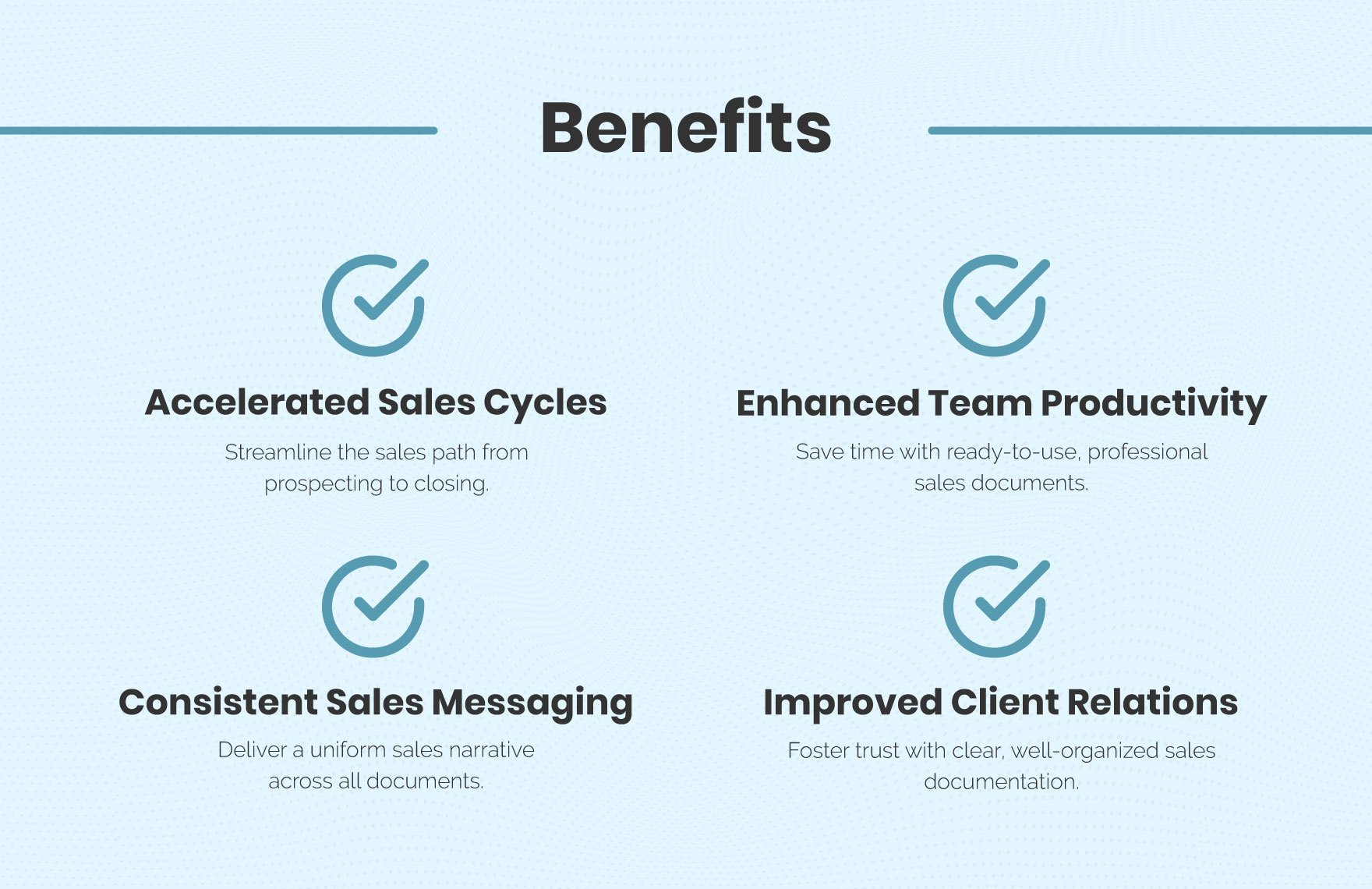
sales proposal template free online
Source: Template.net
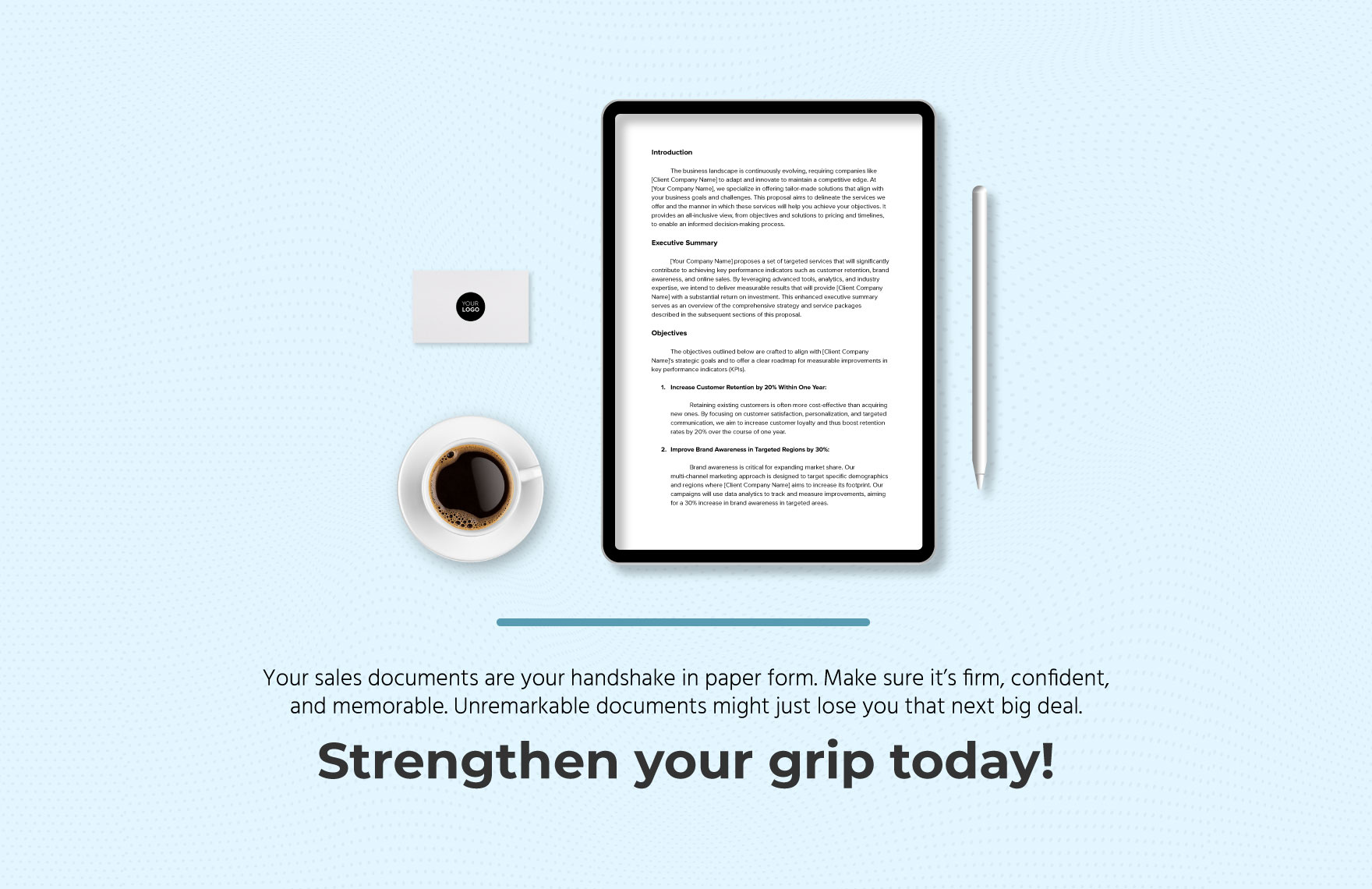
sales proposal template free sample
Source: Template.net
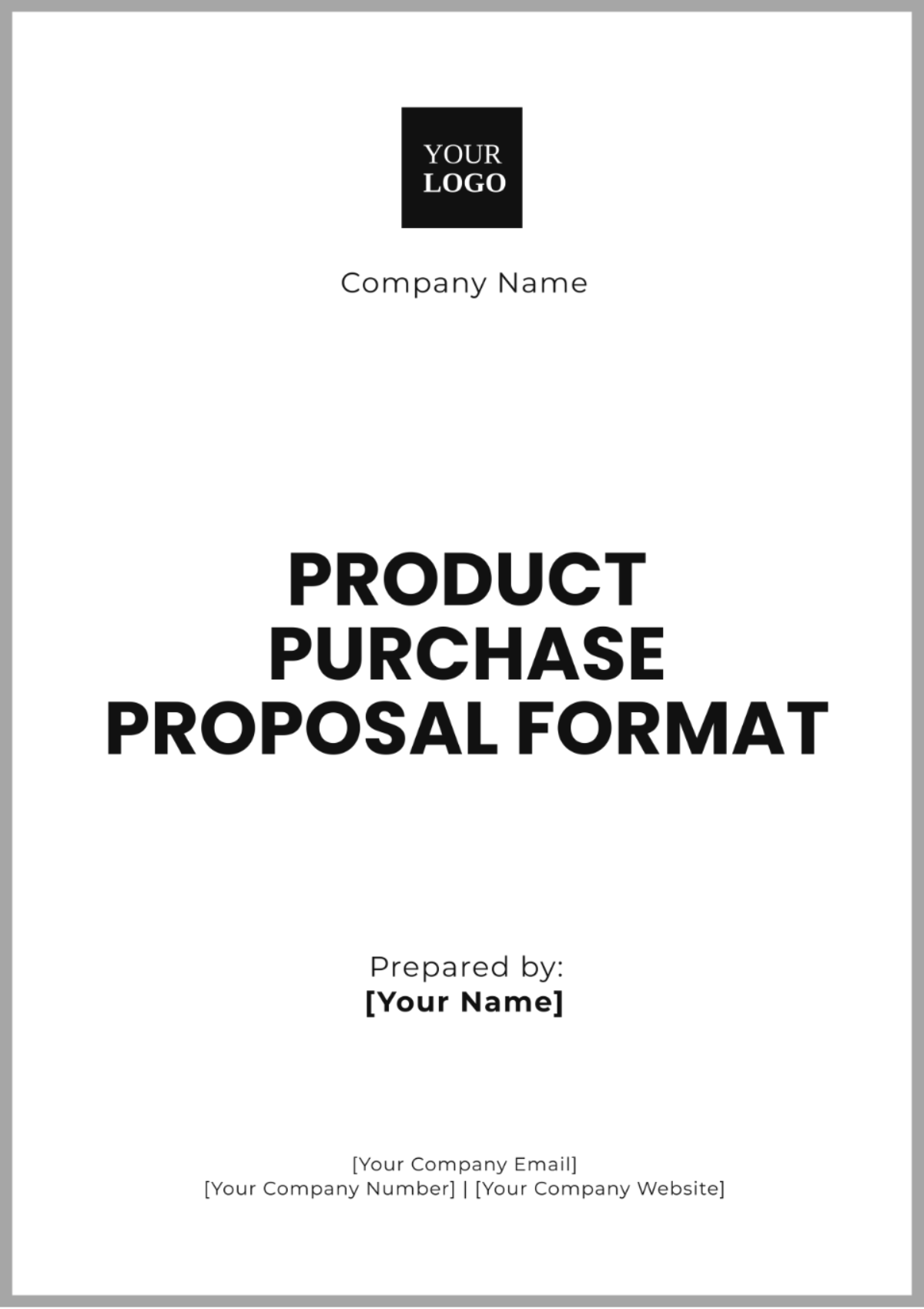
proposal sales template for product
Source: Template.net
Frequently Asked Questions
What is the purpose of a sales proposal template editable?
Its purpose is to provide a reusable structure for creating sales proposals while allowing the seller to customize the content for each buyer. It can standardize document structure, branding, pricing presentation, scope descriptions, and next-step sections without requiring every proposal to be written from a blank page.
What should a sales proposal include?
A strong proposal generally includes a cover page, executive summary, buyer problem or opportunity, proposed solution, scope and deliverables, timeline, pricing, relevant proof, terms or assumptions, and a clear next step. The exact structure should reflect the complexity of the purchase and any requirements provided by the buyer.
Should I use Word or PDF for a sales proposal?
Word is useful for drafting and collaboration, while PDF is often useful for delivering a stable final version. A practical workflow is to maintain an editable source document and export the approved proposal to PDF when the layout needs to remain fixed.
Can a sales proposal template be used for products?
Yes. Product proposals can include product descriptions, configurations, quantities, pricing, delivery, support, warranty information, implementation requirements, and relevant benefits. The most important principle is to connect product details to the customer’s needs rather than presenting an undifferentiated product catalog.
How much should I customize a proposal template?
Customize the sections that affect the buyer’s decision most directly: the executive summary, problem statement, solution, scope, pricing, timeline, proof, and next step. Standard information such as company details or recurring commercial language can remain reusable when it is accurate and appropriate.
Is a free proposal template enough for a professional sales process?
A free template can provide a useful starting structure, but the quality of the final proposal depends on the research, accuracy, customization, pricing, scope, and review process behind it. A simple template with strong buyer-specific content can be more effective than a sophisticated design filled with generic information.
What makes an editable proposal better than a fixed document?
An editable proposal can be adjusted when the buyer’s requirements, quantities, pricing, timeline, or stakeholders change. It also allows teams to improve the document over time. The key is to control editing so that the proposal remains accurate and consistent rather than allowing uncontrolled versions to circulate.
How can I make a sales proposal easier to read?
Use clear headings, short paragraphs, meaningful tables, consistent terminology, sufficient white space, and a logical sequence. Put important commercial information where readers can find it quickly. Remove unnecessary company history, generic claims, decorative elements, and technical detail that does not help the buyer evaluate the offer.
Conclusion
A sales proposal template editable is most valuable when it combines reusable structure with buyer-specific content. The template should make proposal production faster, but it should never remove the research and judgment required to understand a particular customer.
The strongest proposals explain the buyer’s situation clearly, present a relevant solution, define scope precisely, show realistic timing, make pricing transparent, provide credible evidence, and finish with a straightforward next step. These elements create a document that can support both persuasion and practical decision-making.
Format selection should follow the sales workflow. Word can support editing, Google Docs can support collaboration, PDFs can preserve final presentation, and online proposal tools can add workflow and signing capabilities. The format matters, but the commercial logic matters more.
Before sending any proposal, verify the buyer information, scope, quantities, pricing, dates, assumptions, proof, terms, and final action. A disciplined review process protects credibility and reduces the chance that a small document error will distract from a strong commercial offer.
The best sales proposal template editable workflow is therefore not simply a downloadable document. It is a repeatable system for turning discovery information into a clear, relevant, accurate, and professional proposal that makes it easier for the right buyer to understand the offer and decide what to do next.
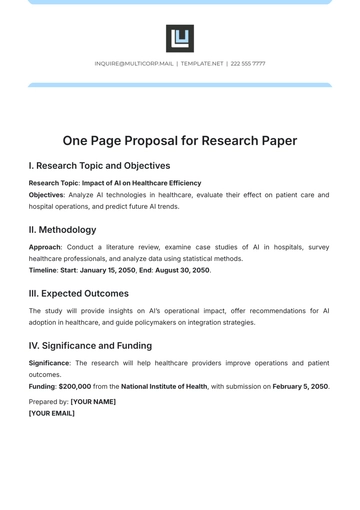
Used thoughtfully, a sales proposal template editable can reduce repetitive formatting work while improving consistency and clarity across the sales process. Build the structure once, personalize the parts that matter, verify every commercial detail, and treat each proposal as a decision document designed around the buyer rather than as a generic sales brochure.
