The purpose of a medical cleaning template is not to replace infection prevention policies or clinical judgment. Instead, it provides a practical framework for translating those policies into repeatable daily work. The Centers for Disease Control and Prevention recommends facility-specific cleaning policies, schedules, standard operating procedures, checklists, and job aids that identify responsibilities, frequency, methods, products, monitoring, and required protective equipment. CDC environmental cleaning program guidance provides a useful foundation for this approach.
Searches for a cleaning services medical Template often reflect several different needs. Some readers want a printable checklist, others need a contractor service schedule, while others are looking for an editable Word, Excel, Google Docs, or PDF structure. These formats can serve the same operational purpose when their fields are designed correctly, but the best format depends on whether the document is intended for field completion, supervision, reporting, contracting, or long-term recordkeeping.
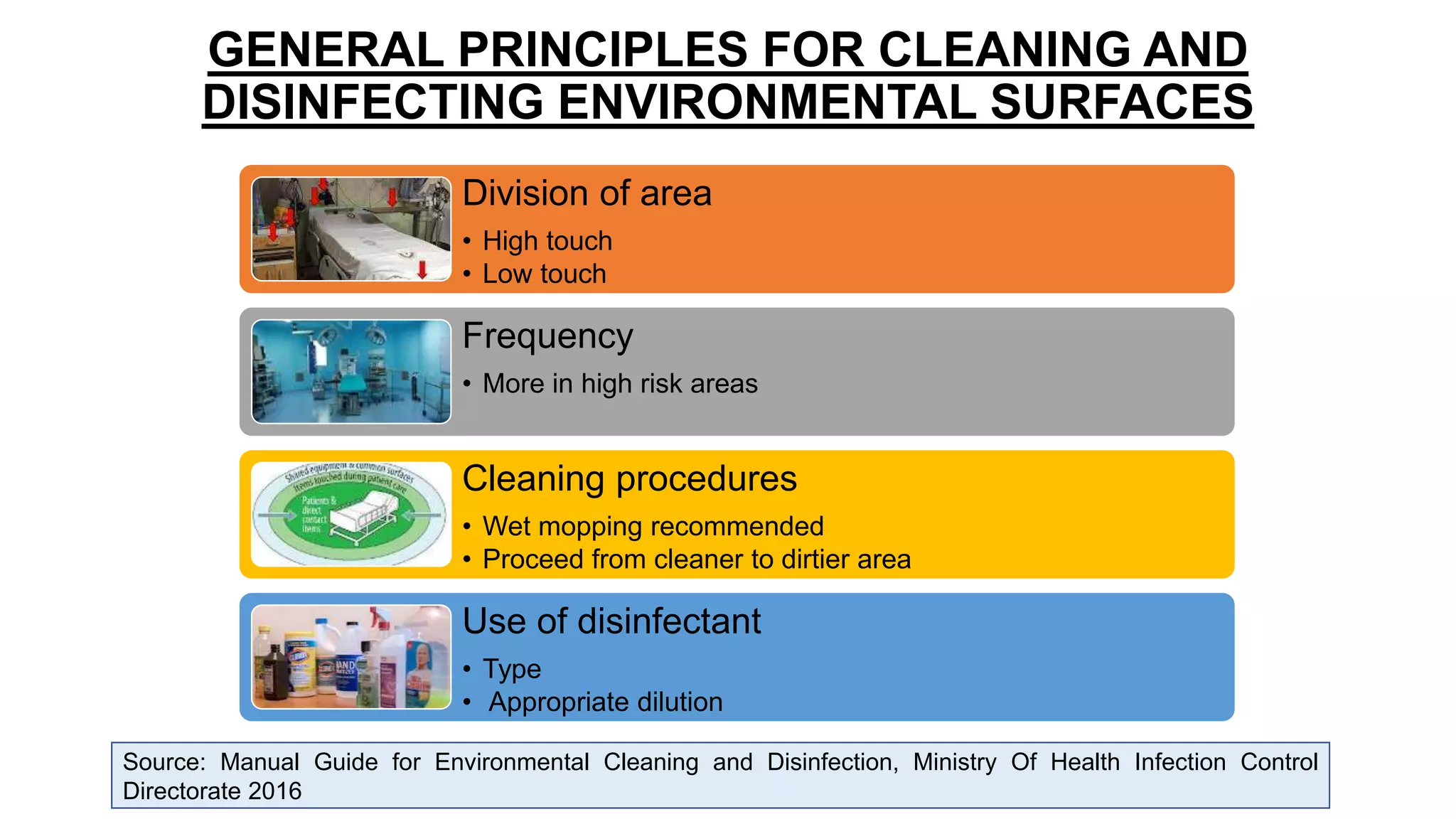
Healthcare environmental cleaning also differs from ordinary office cleaning because risk varies by location, patient vulnerability, contamination potential, and the surfaces being handled. CDC guidance notes that high-touch surfaces generally require more frequent and rigorous cleaning than low-touch surfaces, while specialized patient-care areas can require different procedures and frequencies. CDC environmental cleaning procedures explains these distinctions in detail.
This guide explains what a strong medical cleaning template should contain, how to build one, how to adapt it for different healthcare settings, how to collect and analyze cleaning data, how to compare digital and printable formats, how contractors can use the document in service delivery, and how managers can turn completed checklists into useful quality-improvement information.
What Is a cleaning services medical Template?
A cleaning services medical Template is a structured document used to organize, perform, inspect, and document environmental cleaning activities in a healthcare setting. Depending on its purpose, it may function as a task checklist, cleaning schedule, inspection sheet, service log, audit form, scope-of-work document, or combined record.
The most useful templates separate the question “Was the task completed?” from the question “Did the result meet the required standard?” A task checklist records completion, while an inspection form evaluates observable outcomes. Combining both can give managers better information because a completed task does not automatically prove that the desired cleaning result was achieved.
A medical cleaning template can also establish accountability. Each task may be associated with a room, frequency, assigned role, completion time, initials, supervisor review, and corrective-action field. This makes it easier to determine what was expected, what was completed, what was missed, and what needs follow-up.
WHO describes environmental cleaning as an important part of infection prevention and control in healthcare facilities and emphasizes written policies, protocols, training, appropriate materials, and records. Its environmental cleaning package is specifically designed to help healthcare facilities strengthen the competencies and practices of cleaning personnel. WHO environmental cleaning and infection prevention guidance is a useful reference when developing facility-specific documentation.
A good template therefore acts as a bridge between policy and execution. It should be simple enough for a cleaner to use during a busy shift but detailed enough for a supervisor to review later. The goal is not maximum complexity. The goal is clear instructions, observable standards, appropriate frequencies, reliable documentation, and easy follow-up.
Why Medical Cleaning Documentation Matters
Environmental cleaning is one component of a broader infection prevention system. Surfaces, equipment exteriors, floors, sinks, handles, touch points, and other environmental areas can become contaminated, which is why healthcare facilities need consistent cleaning processes rather than informal assumptions about what should be cleaned.
Documentation also improves consistency between different workers and shifts. Without a written structure, one cleaner may interpret “clean the examination room” differently from another. A template can define the expected scope by identifying specific surfaces and areas, making the service easier to standardize.
Another benefit is accountability. A supervisor can review whether tasks were completed at the required frequency, whether exceptions were recorded, and whether recurring problems were escalated. When a missed task occurs, the document provides a starting point for corrective action rather than relying on memory.
For external cleaning companies, documentation can also clarify the boundary between contracted cleaning duties and clinical responsibilities. This is especially important for clinical equipment, regulated medical waste, sharps, blood or body-fluid remediation, and other activities that may require specialized procedures or facility authorization.
WHO and CDC materials both emphasize facility-specific planning. A generic template can be a useful starting point, but it should be reviewed against the healthcare facility’s own infection prevention policies, product instructions, occupational safety requirements, and applicable local regulations before being adopted as an official procedure.
Templates can also create useful historical records. When completed consistently, they may reveal recurring missed areas, unusual increases in corrective actions, supply shortages, scheduling problems, or differences between locations. The record therefore becomes more than paperwork; it becomes operational data that can support improvement.
Core Information to Capture
A practical medical cleaning document normally begins with basic identification fields. These may include facility name, department, room or area, date, shift, cleaning type, assigned worker, supervisor, and inspection time. Only collect information that is genuinely needed for operational accountability.
The next layer is the task structure. Each task should describe a specific action or observable outcome rather than using vague wording. “Clean room” is difficult to audit, while “floor visibly clean and dry, including accessible edges and area behind the door” provides a clearer inspection standard.
Frequency should be visible. A template may distinguish between tasks performed between patients, several times per day, daily, weekly, monthly, or after specific events such as discharge, transfer, spills, or contamination. The correct frequency should come from the facility’s approved procedure rather than being copied blindly from another organization.
Responsibility should also be explicit. If a task is shared between environmental services and clinical staff, the document should identify who performs each portion. CDC guidance specifically highlights the importance of delineating responsibilities during terminal cleaning so that surfaces and equipment are not overlooked because ownership is unclear.
Finally, the form should contain an outcome field. Common options include completed, not completed, not applicable, needs attention, or corrective action required. A notes field is valuable when the problem needs explanation, such as inaccessible equipment, damaged flooring, depleted supplies, or an area awaiting clinical clearance.
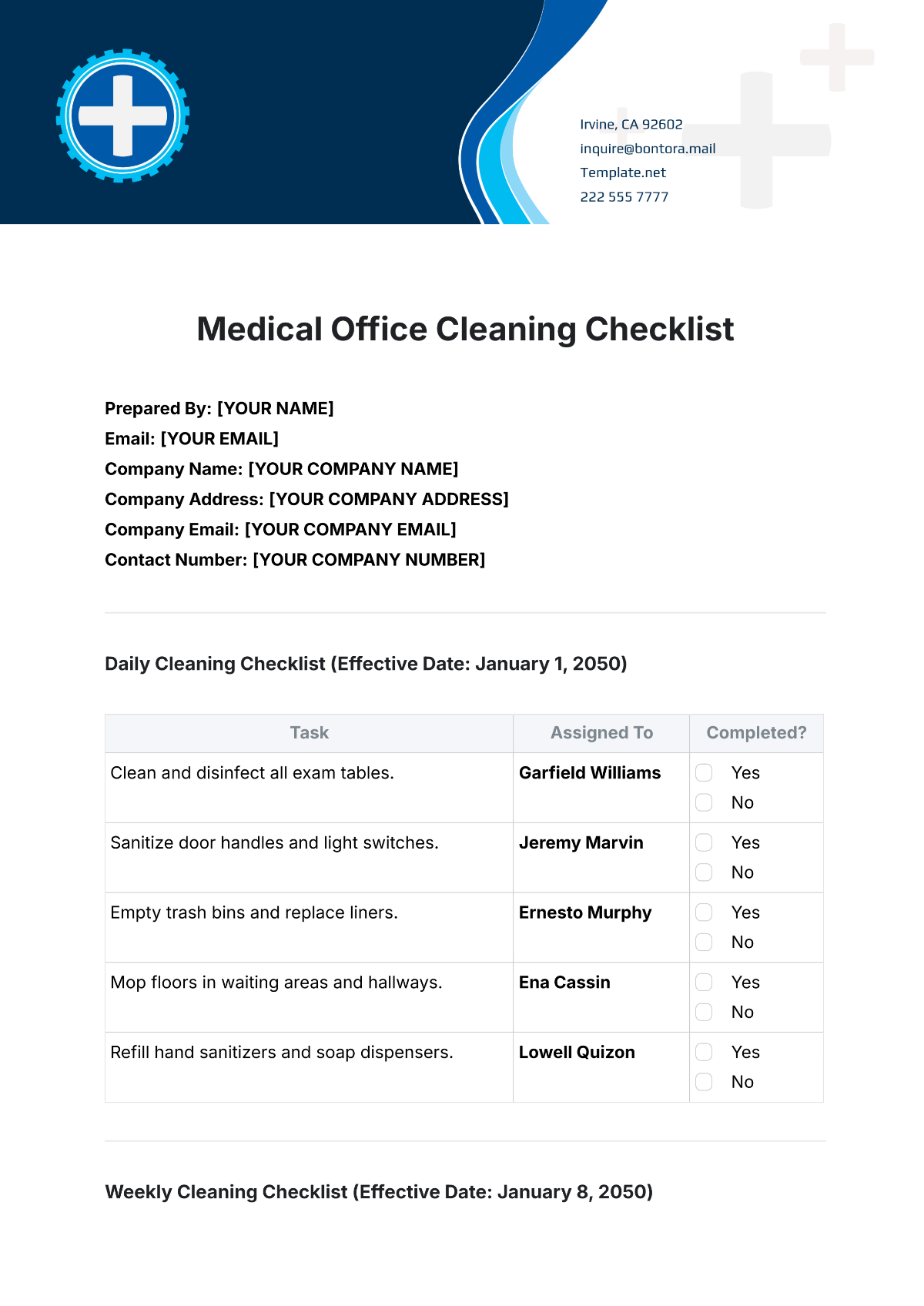
A clean, structured layout makes the document faster to use and easier to review. The following visual examples illustrate how cleaning documents can range from detailed medical checklists to broader operational documents.
A medical-office checklist works best when it separates public-facing spaces from clinical or examination areas. Reception, waiting rooms, corridors, consultation rooms, treatment areas, restrooms, storage spaces, and staff areas can each have different expectations.
The checklist should avoid assuming that every surface is treated in exactly the same way. Some surfaces may require cleaning only, while others may require cleaning followed by disinfection according to facility policy and product instructions. Clinical equipment may have separate manufacturer requirements.
Fields such as “completed,” “needs attention,” and “not applicable” are more useful than a single unchecked box because they distinguish between an omitted task and a task that legitimately did not apply.
A supervisor can use the completed form to identify patterns rather than simply collecting signatures. If the same area repeatedly receives a corrective-action note, the underlying cause may be staffing, scheduling, equipment access, unclear responsibility, inadequate training, or an unrealistic service scope.
The template can therefore become part of a quality-management cycle: define the standard, perform the work, inspect the result, record exceptions, correct problems, and review trends.
Source: Template.net
Essential Sections of a Medical Cleaning Template
A comprehensive document can be divided into several logical sections so users do not have to search through a crowded page. The first section identifies the location and inspection period. The second describes tasks. The third records completion. The fourth captures problems or corrective actions. The final section provides supervisor verification.
Area identification is particularly important for facilities with multiple rooms. Instead of using one large checklist for an entire building, it may be more practical to use room-specific or zone-specific forms. This reduces ambiguity and allows different frequencies to be assigned to different areas.
Task descriptions should use consistent language. For example, if the organization uses “clean and disinfect,” it should not randomly alternate that phrase with “sanitize” unless the terms have been specifically defined. Clear terminology helps training and reduces interpretation differences.
Completion fields should be large enough for handwriting or easy enough to select digitally. If the form will be printed, checkboxes and short fields are usually preferable to dense paragraphs. If the form will be completed electronically, dropdowns and required fields can improve data consistency.
Corrective-action fields deserve special attention. A strong record should allow the user to describe the issue, assign responsibility, establish a target date where appropriate, and record whether the issue was resolved. This turns the form into a management tool rather than a simple attendance record.
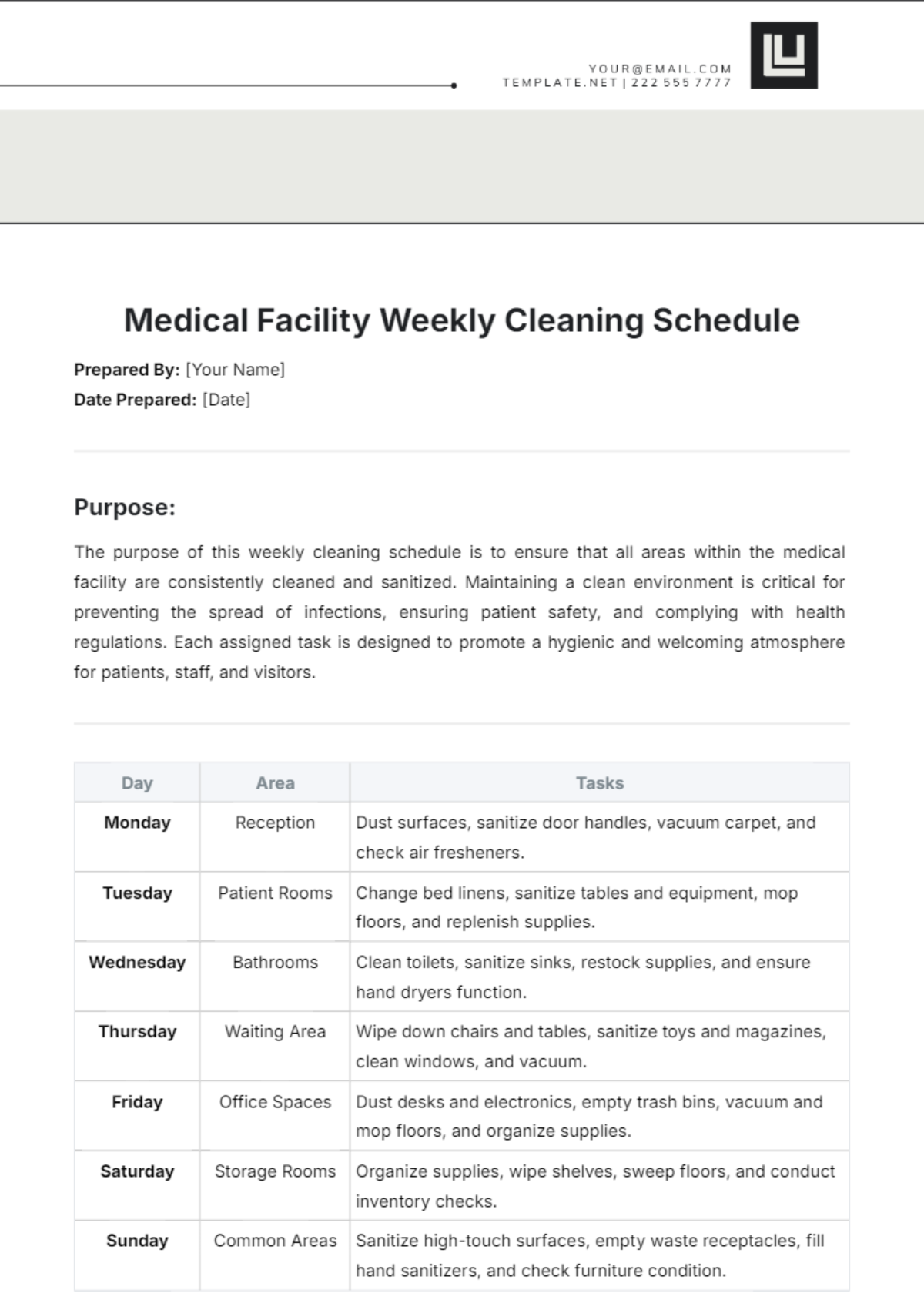
A schedule format is useful when managers need to coordinate cleaning across days or shifts. It can show the area, task, frequency, assigned role, and completion status without forcing the worker to read a long narrative.
Weekly schedules are particularly helpful for combining routine daily duties with periodic tasks. For example, daily reception cleaning may coexist with weekly high-level dusting, scheduled glass cleaning, storage-room organization, or other approved periodic activities.
Managers should still avoid creating schedules that imply a frequency is universally correct. Healthcare cleaning frequencies depend on facility risk assessment, patient population, workflow, contamination risk, and local policies.
A schedule should also allow changes. A clinic may alter operating hours, add a treatment room, introduce new equipment, or change its service contract. A template that is easy to revise is more sustainable than a rigid document that quickly becomes outdated.
The example below demonstrates the visual value of separating days, areas, and tasks into a structured medical-facility schedule.
A weekly schedule can also support staffing discussions. If a cleaning team repeatedly reports that the assigned work cannot be completed during the available time, managers can compare workload, frequency, room count, and staffing rather than relying on anecdotal complaints.
Another useful field is a “special instructions” area. This can identify facility-specific requirements without rewriting the entire checklist. Examples might include restricted access periods, areas that require coordination with clinical staff, or equipment that must not be handled by general cleaning personnel.
When a schedule becomes part of a contract, the scope should be reviewed carefully. The document should distinguish included services from exclusions, periodic services from routine services, and cleaning duties from clinical responsibilities.
The same structure can be converted into a daily log, weekly planner, or audit worksheet. Reusing the underlying logic reduces duplication while allowing each document to serve a different operational purpose.
Source: Template.net
Choosing Between Word, Excel, Google Docs, and PDF
File format should be selected according to how the document will be used. A Word document is often convenient for narrative procedures, policies, instructions, and printable forms. It is flexible for editing but can become inconsistent if several people modify formatting manually.
Excel is especially useful when the cleaning record contains rows, columns, frequencies, scores, dates, or calculations. A spreadsheet can support filtering, sorting, conditional formatting, summary tables, and basic trend analysis. However, complex spreadsheets can become difficult for frontline workers if too many fields are presented at once.
Google Docs is useful for teams that need collaborative editing and cloud-based access. It can work well for procedures and shared templates, especially when supervisors need to update wording without distributing a new file to every user.
PDF is generally best for stable distribution and printing. A finalized PDF helps preserve layout and makes it less likely that users will accidentally change the original structure. A PDF can also be useful for archiving completed records when the organization has an approved document-retention process.
No format is automatically superior. The right choice depends on whether the document is being authored, completed, analyzed, printed, shared, or archived. Many organizations use more than one format: an editable master, a printable version, and a spreadsheet or digital form for analysis.
Templates are often promoted as available in several formats, but users should verify the actual options on the source page before promising a specific download. A phrase such as “Word compatible” does not necessarily mean that an independently hosted .docx file exists.
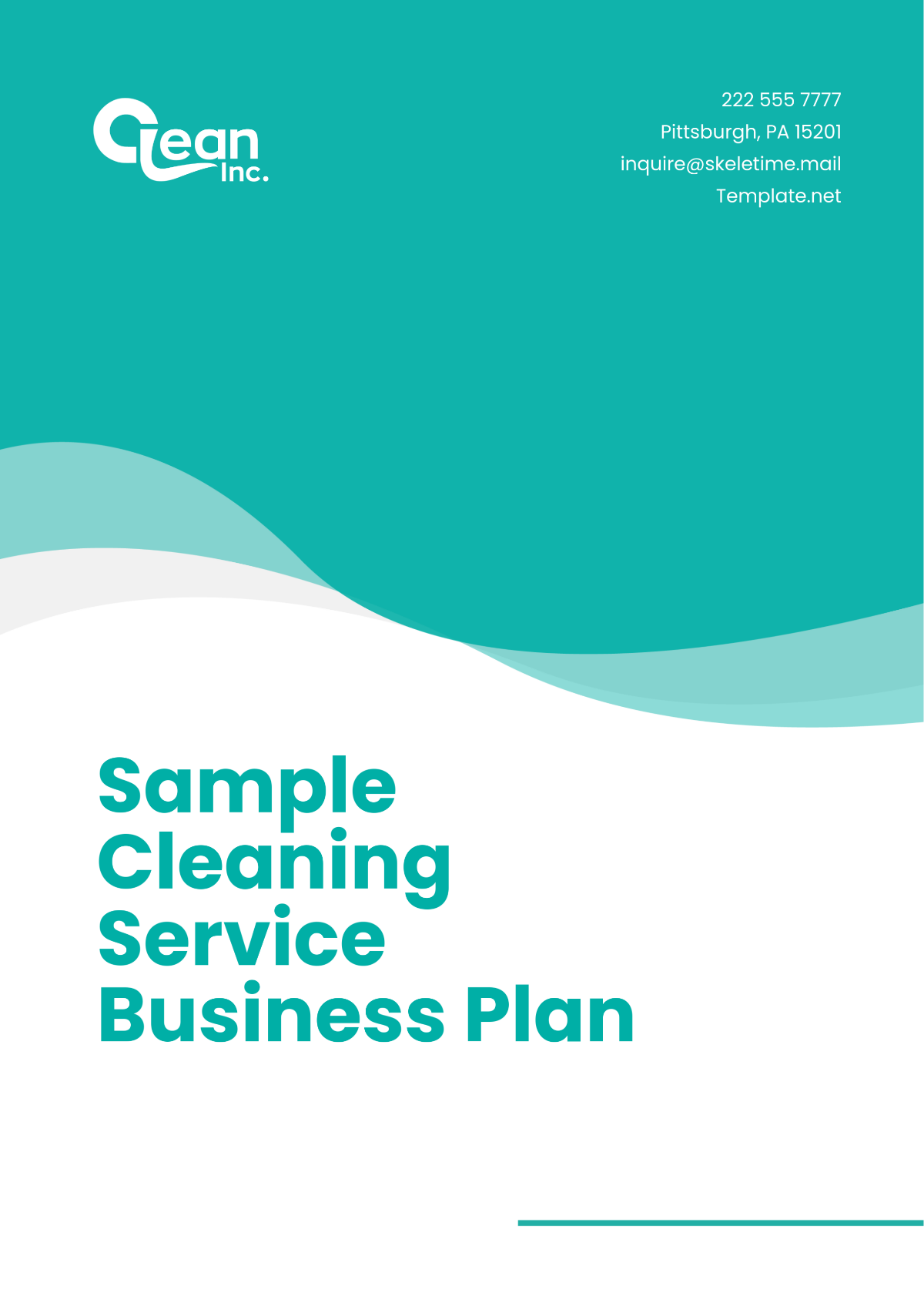
The business-plan visual below illustrates a document-first design: clear hierarchy, large section headings, and enough white space to make the document easy to navigate.
A similar design philosophy applies to cleaning documents. The reader should be able to locate the area, task, frequency, and completion field almost immediately.
Long forms should use logical grouping rather than excessive decoration. In operational healthcare documentation, visual clarity generally matters more than decorative graphics.
If a form is completed during a cleaning round, the user should not need to interpret complicated visual elements. The design should support quick scanning and accurate completion.
A template can also use version control fields such as document number, effective date, revision date, and approved-by information when the organization has a formal document-control system.
Source: Template.net
Building a Cleaning Task Matrix
A cleaning task matrix is one of the most useful structures for turning a broad cleaning policy into operational instructions. Each row represents a defined task, while columns can identify area, surface, frequency, responsible role, method, product category, verification method, and notes.
Start by listing all relevant areas rather than immediately writing individual tasks. Common categories include reception, waiting areas, examination rooms, procedure rooms, corridors, restrooms, utility spaces, staff rooms, offices, storage areas, and other facility-specific zones.
Next, identify surfaces and objects within each area. High-touch points may include handles, switches, rails, counters, touchscreens, call buttons, and other frequently contacted surfaces. CDC guidance recommends facility-specific assessment of high-touch surfaces because they can differ by room, workflow, and equipment configuration.
Then assign the approved frequency. Avoid copying frequencies from an unrelated facility simply because the table looks professional. Frequency should be based on the organization’s environmental cleaning policy, patient risk, workflow, contamination potential, and applicable guidance.
Finally, assign responsibility. If the cleaner handles floors and general environmental surfaces but clinical staff handle a specific device, the matrix should show that distinction. A task without a clear owner is vulnerable to being missed.
Safety documentation should explain expectations without pretending that one generic poster replaces a facility’s own procedures. A cleaning team should know where to find approved product information, PPE requirements, spill procedures, and escalation instructions.
Cleaning personnel may encounter blood, body fluids, contaminated materials, or restricted equipment. The template should not instruct workers to improvise. Instead, it should direct them to the facility’s approved procedure and identify when the task must be escalated.
Product information should also be handled carefully. The template can identify the approved product or product category used by the facility, but dilution, contact time, compatibility, storage, and safe handling should follow the manufacturer’s label and institutional policy.
CDC guidance specifically advises facilities to maintain approved product lists and required specifications as part of environmental cleaning programs. It also emphasizes appropriate PPE and hand-hygiene practices for cleaning personnel.
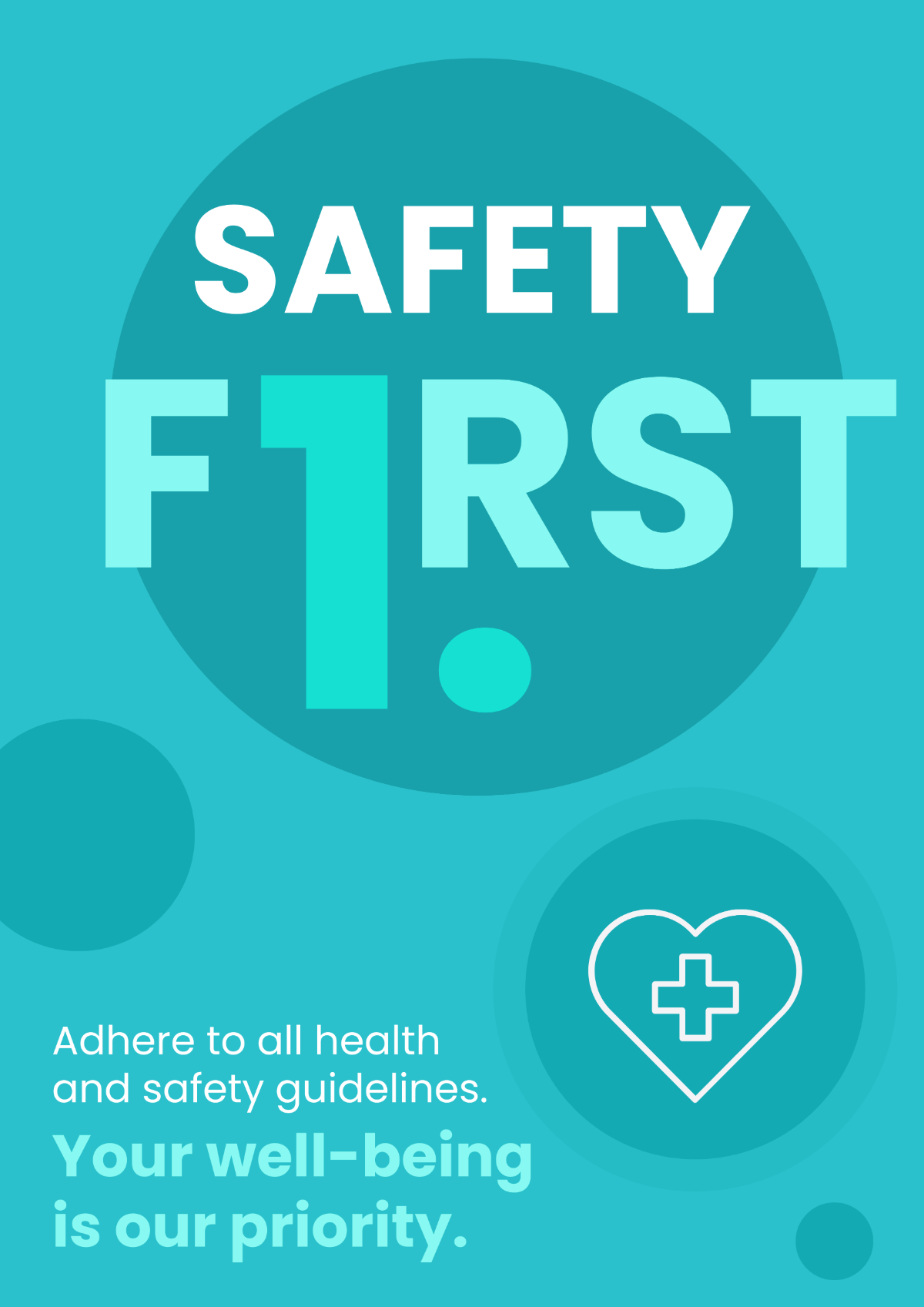
The safety example below shows how a document can communicate a general safety message without becoming a full clinical protocol.
A strong operational form can link safety to action. For example, it may provide a field for “PPE verified,” “spill procedure required,” or “escalated to supervisor,” depending on the facility’s approved workflow.
Do not add safety fields simply because they look comprehensive. Every field should have a defined purpose and someone responsible for responding to it.
Training documents can reference the same task matrix, allowing new staff to learn the exact language used on the daily checklist.
When the training material and operational form use different terminology, staff may understand the process but still record it inconsistently. Standardized terminology reduces this problem.
Periodic review is important because cleaning procedures can change when rooms, equipment, products, regulations, or patient-care activities change.
Source: Template.net
Creating a Medical Office Cleaning Checklist
A medical office cleaning checklist should begin with the facility’s actual workflow. A small consultation practice may have reception, waiting, examination, restroom, and staff areas, while a larger clinic may have procedure rooms, laboratories, imaging spaces, isolation areas, and specialized equipment.
For reception and waiting areas, consider observable conditions such as clean floors, clean seating, clean high-touch points, clear reception surfaces, and appropriately maintained dispensers. These areas are highly visible, so the checklist should capture both hygiene and presentation standards.
For examination rooms, the checklist can distinguish environmental surfaces from clinical equipment. The facility should define who is responsible for cleaning each item and whether specialized equipment requires a separate procedure.
Restrooms should be documented separately when they have different frequencies or responsibilities. The checklist can include fixtures, sinks, dispensers, floors, high-touch surfaces, waste receptacles, and visible contamination, subject to the facility’s approved procedures.
Corridors and shared areas often contain surfaces that are easy to overlook because they are not associated with a single room. A well-designed checklist prevents these spaces from disappearing from the cleaning program.
The form should also include an escalation mechanism. A cleaner who finds damaged flooring, leaking plumbing, broken dispensers, inaccessible equipment, or an unsafe condition should be able to record the issue rather than simply marking the task incomplete.
It is useful to distinguish cleaning failures from maintenance failures. A dirty floor is a cleaning issue; a damaged floor that cannot be cleaned properly may require maintenance intervention.
The checklist can also support supervisor inspections. A supervisor may verify a sample of completed areas rather than repeating every task line, depending on the facility’s quality system.
Documentation should be designed so that completed records remain understandable after the shift ends. Date, location, initials, and notes should be legible and sufficiently specific to support follow-up.
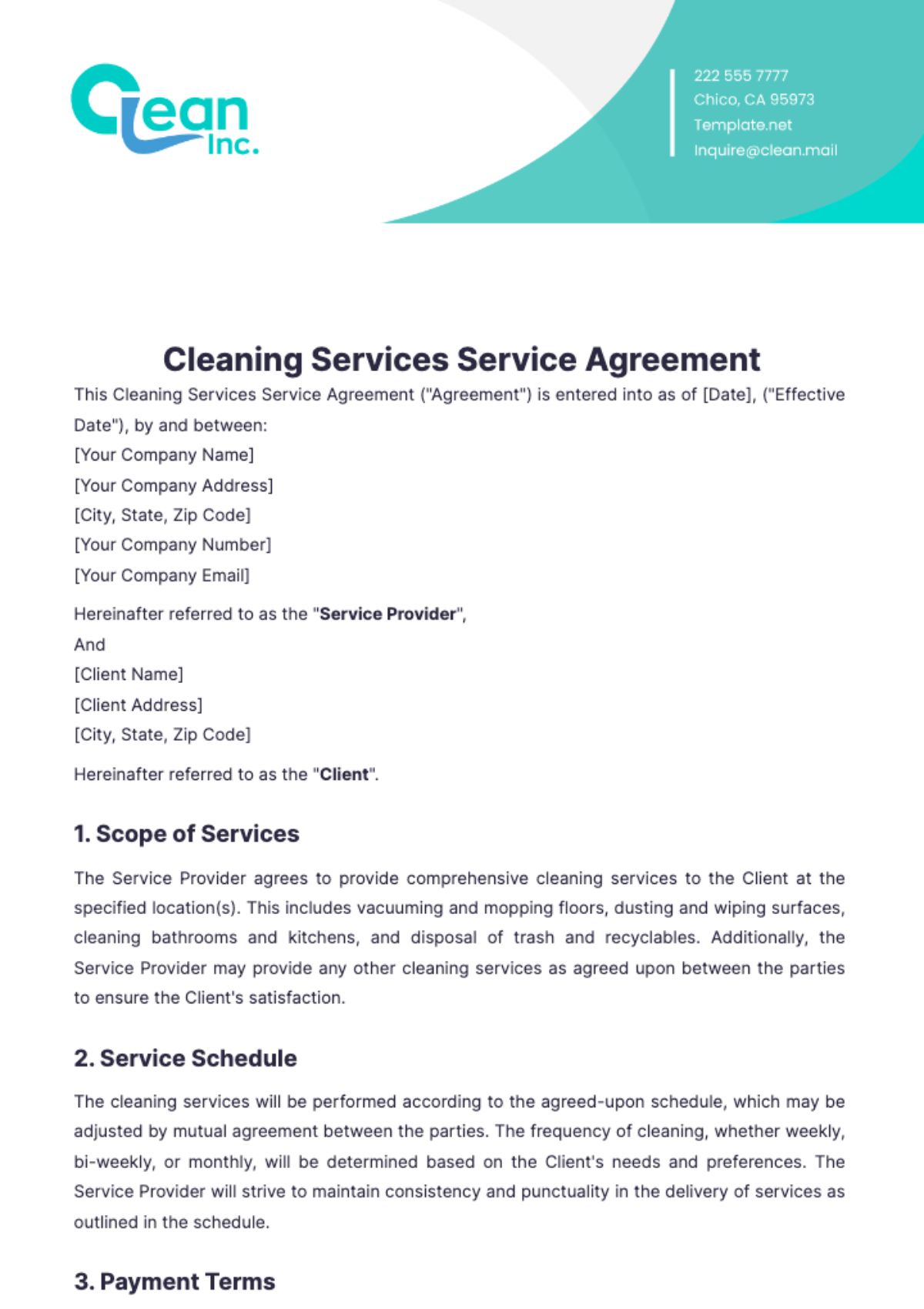
Service agreements benefit from the same principle. A contract should describe the scope of services in language that can be translated into actual cleaning tasks and inspection criteria.
The service agreement visual below illustrates how a general cleaning document can separate parties, scope, schedule, and payment terms.
For medical clients, the same structure should be adapted to include healthcare-specific responsibilities and exclusions where necessary.
The agreement should not imply that ordinary janitorial service automatically includes clinical decontamination, sterilization, medical-device reprocessing, or regulated waste management.
These boundaries protect both the facility and the cleaning provider from unclear expectations.
They also make pricing and staffing decisions more defensible because the contractor can estimate work based on an agreed scope rather than a vague request for “medical cleaning.”
Source: Template.net
Designing a Cleaning Service Scope of Work
A cleaning service scope of work describes what the provider is expected to do, where the work occurs, how often it occurs, and what is excluded. For medical environments, this is especially important because the word “cleaning” can mean different things to different stakeholders.
The scope should identify areas by name or zone. It may specify reception, corridors, consultation rooms, treatment rooms, restrooms, offices, storage spaces, and other included locations.
It should also distinguish routine tasks from periodic services. Floor care, high-level dusting, glass cleaning, deep cleaning, and other activities may have different schedules and labor requirements.
Exclusions should be explicit. Examples can include sharps handling, regulated medical waste, clinical instruments, sterilization, or patient-care activities when those services are outside the contractor’s role.
Quality standards should be observable. Instead of promising “excellent cleanliness,” the scope might define measurable presentation outcomes such as surfaces free of visible soil, floors free of debris, and specified high-touch points addressed according to the approved cleaning schedule.
A proposal document can help present the scope professionally. It should explain the service approach, included areas, schedule, assumptions, responsibilities, and commercial terms without making unsupported claims about regulatory compliance.
For medical clients, the proposal should state that the final cleaning program will be aligned with the facility’s approved policies and applicable local requirements.
It is better to use cautious language than to claim that a generic commercial template is automatically compliant with every healthcare standard.
The proposal should also explain how service quality will be monitored. Possible approaches include checklist completion, supervisor inspection, documented corrective actions, client feedback, or other approved monitoring methods.
The following document illustrates the basic visual structure of a professional cleaning services proposal.
A proposal can be paired with a task matrix so that commercial promises can be translated into actual operational instructions.
This connection is important because a proposal that says “daily medical cleaning” is not sufficiently precise for frontline execution.
The task matrix can specify the areas, surfaces, frequency, responsible role, and inspection standard that support the broader contractual promise.
This approach also makes future contract reviews easier because managers can compare the original scope with the actual checklist and service records.
When the scope changes, the checklist and schedule should be updated together.
Source: Template.net
Using a Cleaning Services Checklist for Daily Operations
Daily operational checklists should be short enough to use consistently. If a cleaner must navigate dozens of unrelated instructions to complete a simple room, the form becomes a burden rather than a tool.
One practical approach is to divide the checklist by zone. Each zone can contain a concise set of tasks and a completion field. This reduces the risk that a task is skipped because it was hidden among unrelated items.
Another approach is to organize the checklist by workflow sequence. For example, preparation, waste removal, high-touch surfaces, other environmental surfaces, floors, restocking, final inspection, and documentation may form a logical sequence when consistent with the facility’s approved procedure.
CDC materials emphasize using cleaning schedules and checklists to support thorough and effective environmental cleaning. The checklist should therefore reinforce the approved process rather than become an independent procedure that conflicts with it.
Supervisors can use completed daily forms to conduct spot checks. The goal is not necessarily to duplicate every task but to verify that the system is producing the intended outcome.
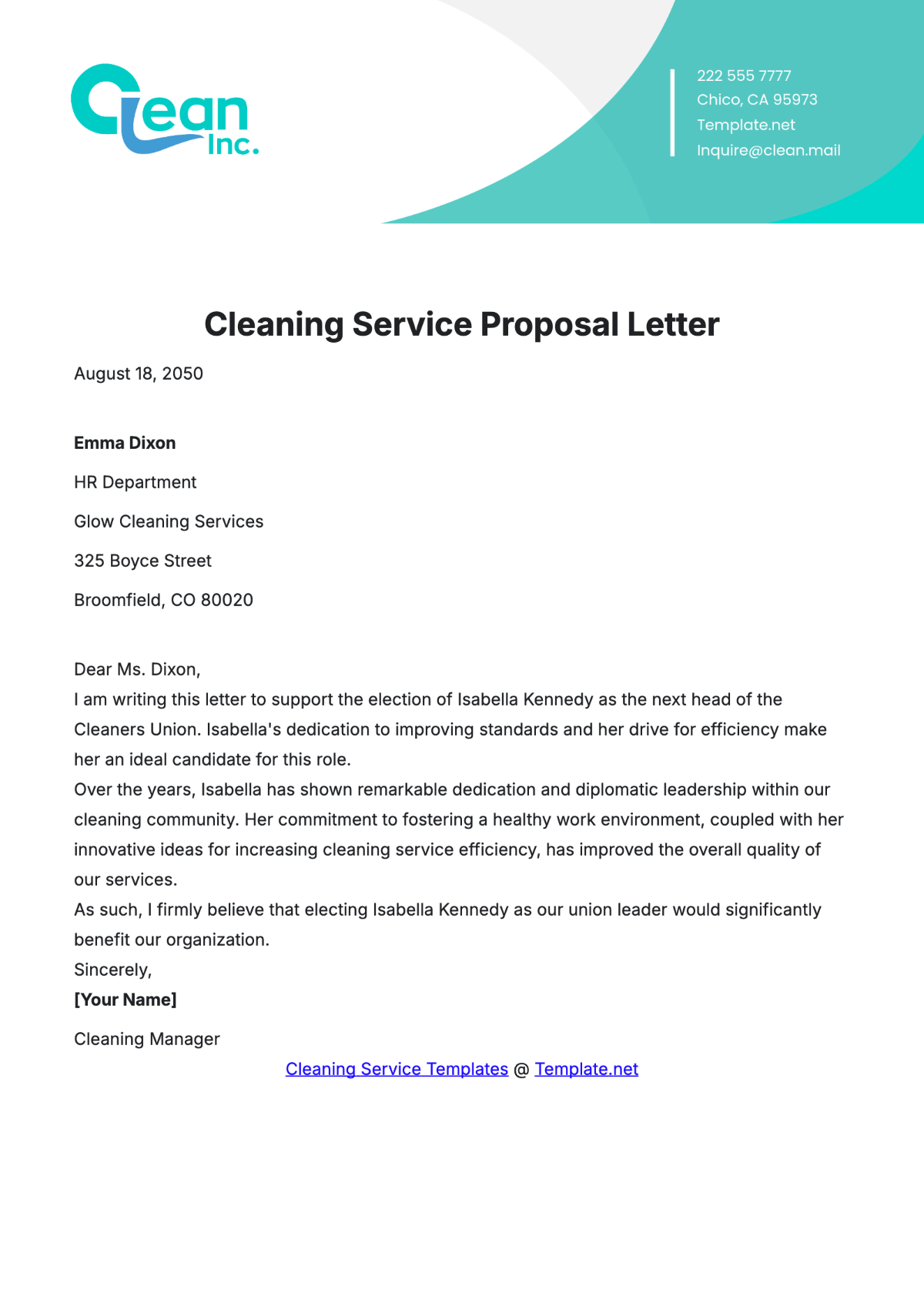
A proposal letter can be useful when introducing the cleaning program to a prospective medical client. It can summarize the service approach while directing the client to the detailed scope and checklist.
The letter should avoid unsupported claims such as “guaranteed infection-free” or “100% compliant.” Environmental cleaning reduces contamination risk but does not guarantee the absence of infection or microorganisms.
Professional documentation should use evidence-based, appropriately qualified language. It should describe processes and standards rather than promise impossible outcomes.
A written communication can also explain how service issues will be reported and resolved.
This makes the proposal more useful because it addresses what happens when a task cannot be completed or a problem is identified.
The example below is a useful visual reminder that a formal document can remain simple while still establishing a professional structure.
Medical cleaning documentation benefits from this same balance between clarity and detail.
Too little information creates ambiguity, while too much information slows completion and increases the chance that important fields are ignored.
Before publishing or deploying a template, test it with the people who will actually complete it.
Ask whether they can find the correct room, understand each task, record exceptions, and complete the form within the available workflow.
Source: Template.net
How to Build a Cleaning Service Record
A service record should create a traceable connection between the planned service and the completed service. At minimum, it can include date, location, service type, assigned role, completion status, notes, and verification.
For recurring services, the record should make it easy to see whether a visit occurred according to schedule. A calendar or schedule can complement individual room checklists.
For quality-control purposes, the record may also capture missed tasks and corrective actions. This helps managers distinguish a one-time exception from a recurring process problem.
A service contract can define the broad relationship, while a daily checklist records operational performance. These documents should use consistent terminology so the relationship between contract and execution remains clear.
A record should never be designed to imply that a signature alone proves that every task was completed correctly. Signatures establish accountability for the record; they do not replace observation or other approved verification methods.
A contract template can still be valuable because it gives the parties a shared structure for scope, schedules, responsibilities, pricing, and changes.
For medical clients, the contract should identify any facility-specific procedures that the provider must follow before beginning work.
It should also establish how changes to room count, operating hours, service frequency, or scope will be handled.
When documentation is aligned across these levels, the workflow becomes easier to manage.
The following contract visual demonstrates a straightforward document layout that can be adapted for an appropriate cleaning-service relationship.
Contract language should be reviewed carefully before use because legal requirements vary by jurisdiction and circumstance.
A template is a drafting aid, not a substitute for legal advice.
Medical facilities should also review their own procurement, infection prevention, occupational safety, and document-control requirements before adopting a contractor template.
The final document should match the actual services that can be delivered and inspected.
That alignment is one of the strongest indicators of a useful cleaning documentation system.
Source: Template.net
Cleaning Checklists for Larger Facilities
Large facilities often need multiple levels of documentation. A site-wide policy may define the program, a department schedule may define frequencies, a room checklist may define tasks, and an inspection form may evaluate results.
A commercial cleaning contract can sit above these documents by defining the business relationship and overall scope.
Breaking documentation into layers prevents a single form from becoming excessively complicated. Each document has a clear purpose while remaining connected to the others.
For example, a hospital may have separate schedules for general patient areas, intensive care areas, procedure rooms, operating rooms, restrooms, public spaces, and administrative offices.
CDC guidance specifically provides different cleaning procedure summaries for general outpatient areas, inpatient areas, intensive care units, burn units, procedure areas, and operating rooms, illustrating why a one-size-fits-all checklist can be inappropriate.
A commercial cleaning document may also help define what happens outside the core healthcare areas. Administrative offices, meeting rooms, and other low-risk spaces can have different cleaning requirements.
The document should not automatically apply healthcare-level assumptions to every part of the building.
Instead, risk and use should guide the structure.
Separate checklists can also reduce training complexity because workers see only the tasks relevant to the areas they service.
The commercial contract example below demonstrates a clean document hierarchy that can be adapted for a broader cleaning-service agreement.
Its visual simplicity also illustrates why consistent headers and section titles can improve document usability.
For healthcare environments, the contract should be supplemented with facility-specific operational documentation.
That might include cleaning schedules, high-touch surface lists, approved product information, escalation procedures, and inspection criteria.
These supporting documents should be controlled so that outdated versions are not accidentally used.
A revision date and document owner can help when the organization has formal document control.

Source: Template.net
How to Adapt a Template for Medical Facilities
The first step is to remove generic assumptions. A residential or ordinary office cleaning template may contain useful formatting, but its task list should not automatically be treated as a healthcare procedure.
Next, identify the facility’s zones and risk characteristics. Areas with more frequent patient contact, higher contamination potential, or more vulnerable patients may require different cleaning processes than low-risk administrative spaces.
Then establish which surfaces are high-touch in the actual environment. CDC recommends assessing workflow with clinical staff because high-touch surfaces vary between rooms and facilities.
After that, add responsibility fields. Every important task should have an identifiable owner, particularly where environmental services and clinical personnel share duties.
Finally, add inspection and corrective-action fields so the document can support continuous improvement.
Medical environments may also need specialized documents for spills, isolation areas, procedure rooms, terminal cleaning, or equipment cleaning.
Do not place all specialized procedures into one giant checklist if doing so makes the routine document difficult to use.
Instead, use a core checklist with references to separate approved procedures where appropriate.
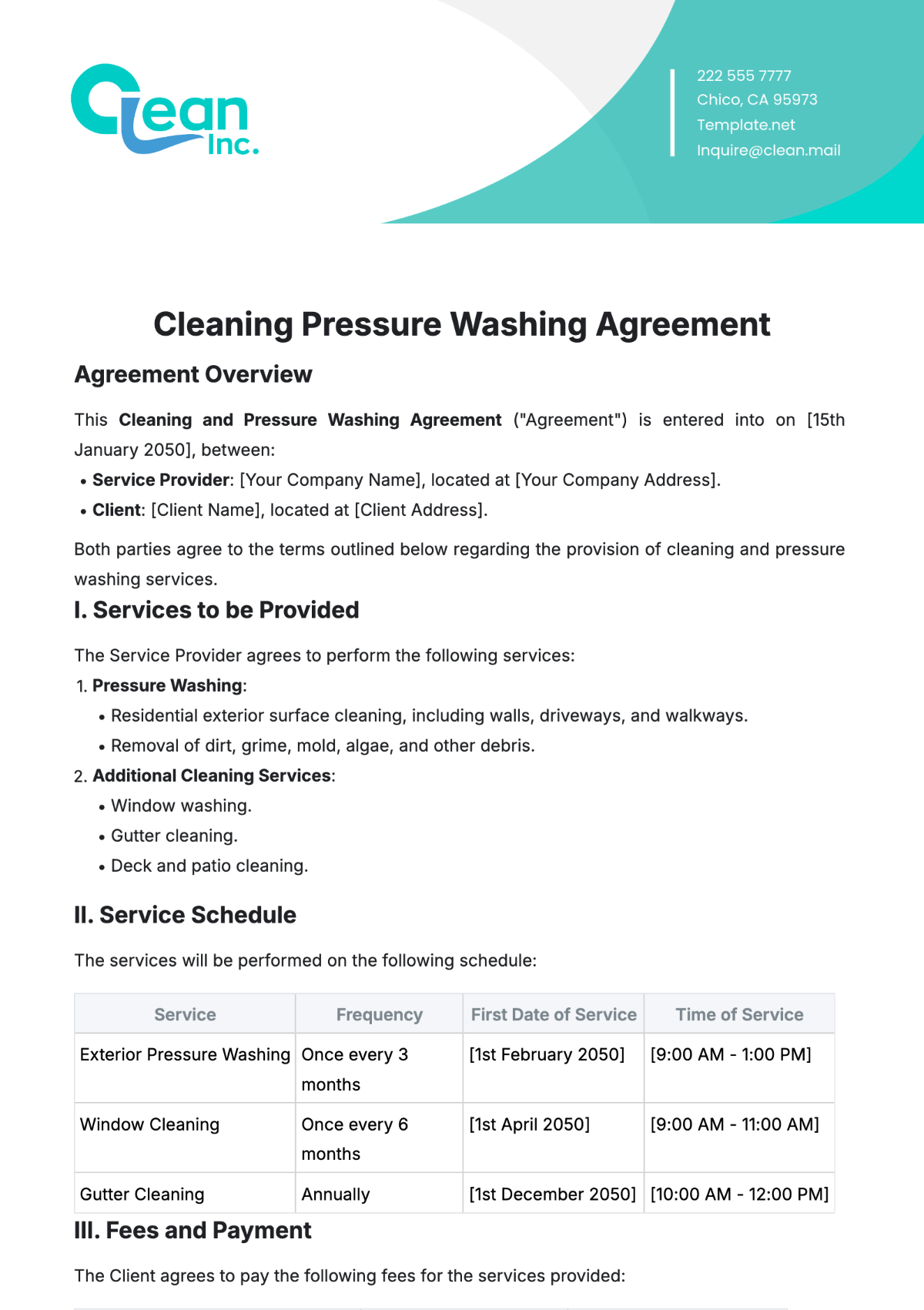
A pressure-washing or exterior-cleaning agreement, for example, may be visually professional but should not be confused with a clinical environmental-cleaning procedure.
The following visual is useful as an example of how a service agreement can organize service descriptions and schedules.
Its structure can inspire the layout of a broader cleaning document without implying that pressure-washing procedures apply to medical interiors.
Good template design requires separating visual inspiration from technical requirements.
The content must always be adapted to the facility’s actual operations.
This distinction prevents a common mistake: assuming that a polished document is automatically a technically appropriate document.
Source: Template.net
Cleaning Services, Forms, and Client Feedback
Cleaning documentation should not stop when the cleaner finishes the task. Client or supervisor feedback can reveal issues that are not visible through task completion alone.
A feedback form can ask about cleanliness, punctuality, attention to detail, communication, and unresolved issues. The questions should be focused enough to generate actionable information rather than vague satisfaction scores.
For medical facilities, feedback should be separated from clinical infection-control evaluation. A client may report that a room looks clean, but visual appearance does not by itself establish disinfection efficacy.
Feedback is therefore best treated as one part of a larger monitoring system.
When feedback identifies a recurring problem, managers can compare it with checklist records and inspection findings to determine whether the issue is isolated or systematic.
A service evaluation form can also help contractors identify training needs.
If multiple clients report missed edges, inconsistent restroom presentation, or inadequate restocking, the company can investigate whether the problem is related to training, supervision, equipment, time allocation, or service scope.
Feedback should never be used to bypass facility-specific safety procedures.
Instead, it should complement formal inspection and quality-control systems.
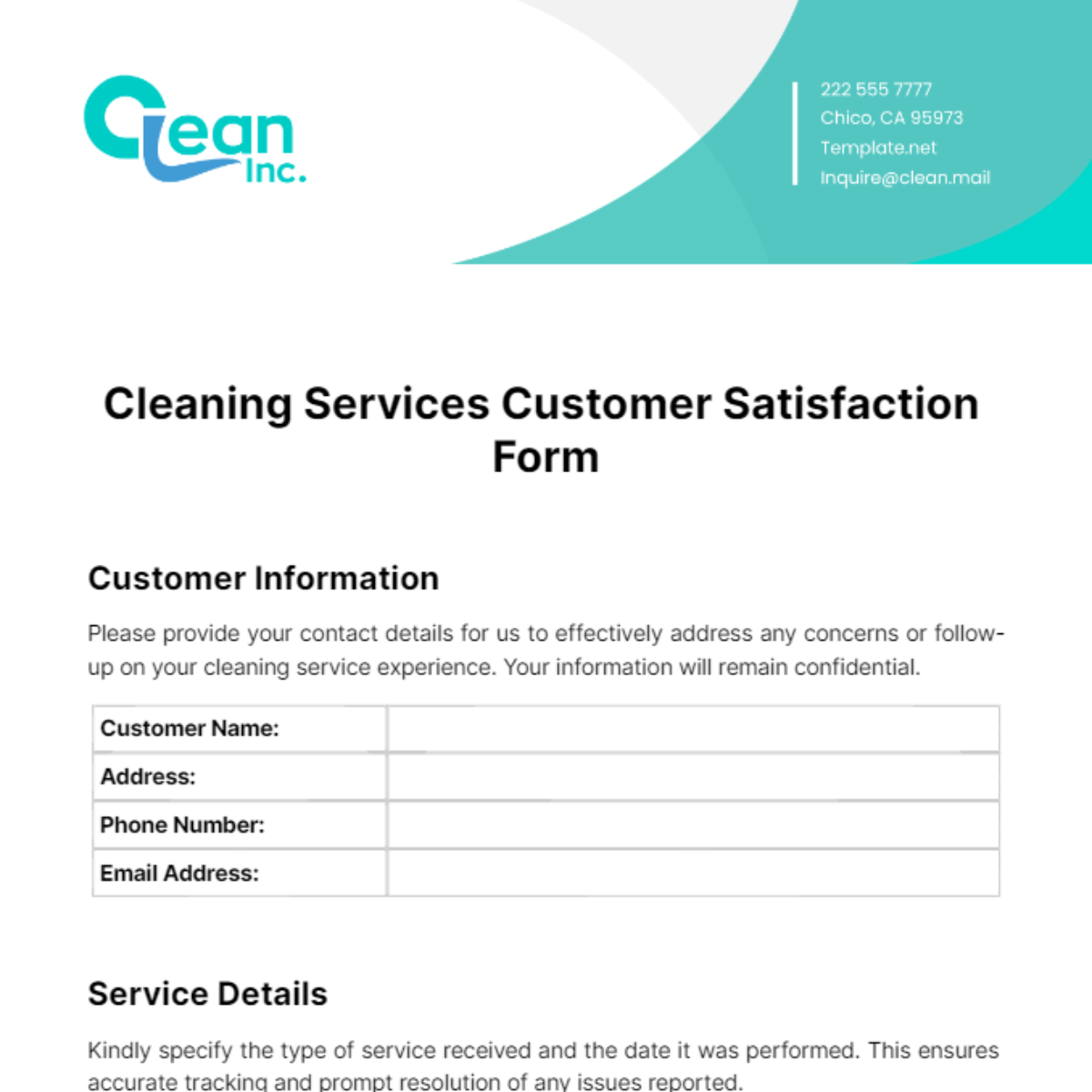
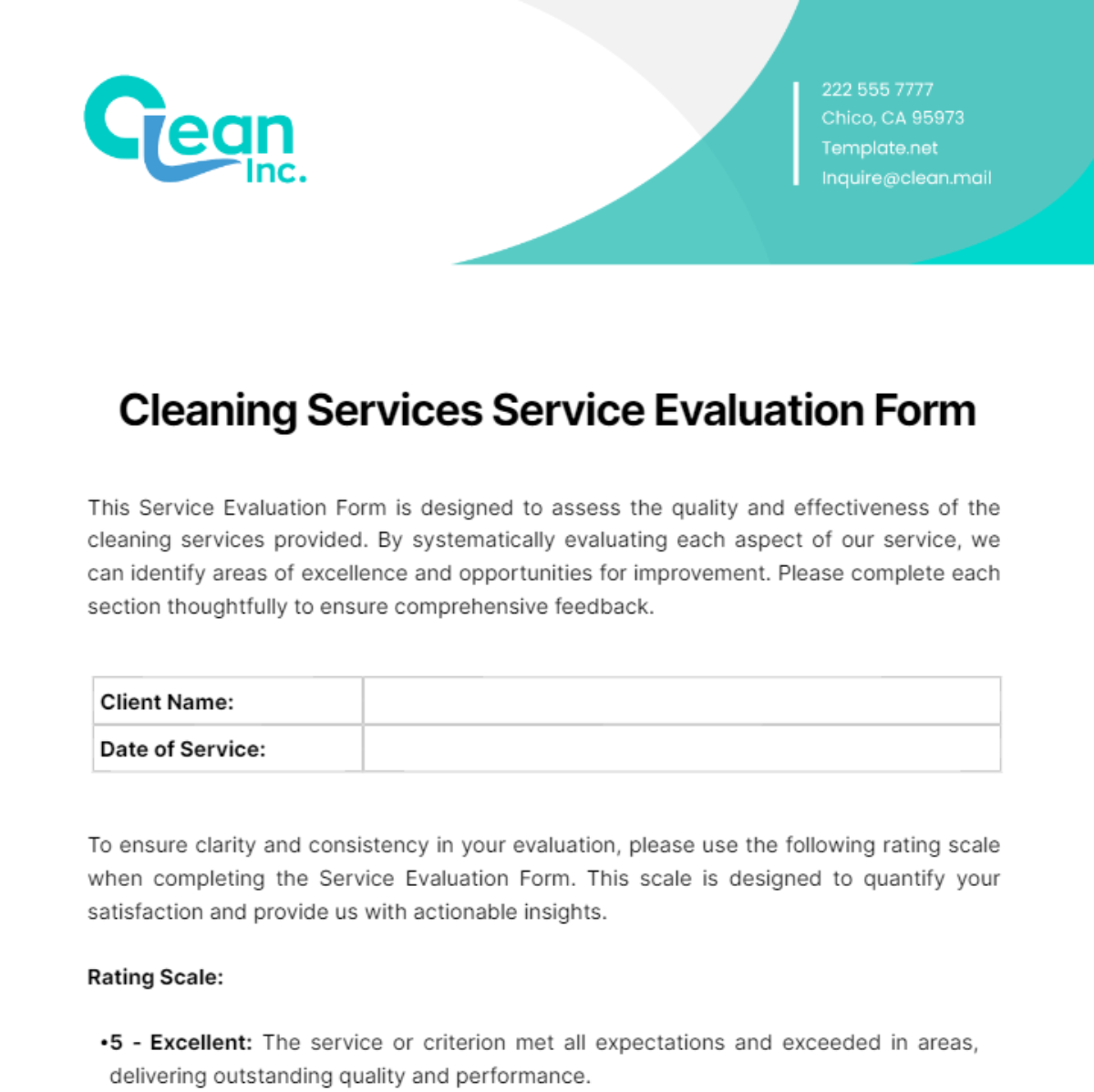
The form shown below illustrates how structured fields can capture client information and service feedback in a straightforward format.
For privacy reasons, completed forms should not contain unnecessary patient information.
Cleaning records normally need operational information, not clinical details about individual patients.
Any digital system should also be reviewed for appropriate access controls and organizational privacy requirements.
Keeping forms simple reduces the amount of information collected and can make retention and review easier.
Source: Template.net
Cleaning Service Proposals and Operational Reporting
Proposals, service reports, and checklists serve different purposes. A proposal explains what the provider intends to deliver. A checklist records what should be done. A service report summarizes what occurred. An inspection record evaluates whether the result met the agreed standard.
Combining these documents into one file can create confusion. It is usually better to define the purpose of each document and connect them through consistent terminology.
A janitorial proposal may therefore describe service categories, schedules, assumptions, and commercial terms while the operational checklist contains the actual room-by-room tasks.
For a healthcare client, the proposal can also explain the provider’s approach to training, supervision, quality checks, and escalation.
However, any statement about regulatory compliance should be verified against the relevant jurisdiction and facility requirements.
Reporting becomes more useful when it summarizes actual observations.
Examples include number of inspections completed, number of corrective actions opened, number resolved, recurring locations, and categories of failure.
These are operational measurements, not universal healthcare statistics. They should be presented as the facility’s own records.
A report should also distinguish between missing documentation and failed cleaning. An empty checklist may mean the task was missed, the form was misplaced, or the worker forgot to record completion.
That distinction matters when managers investigate performance.
The janitorial proposal visual below demonstrates how a proposal can be presented as a distinct document rather than as a daily checklist.
For medical service contracts, the proposal should be paired with more detailed technical documentation.
This layered approach keeps commercial communication readable while preserving operational detail elsewhere.
It also makes updates easier when pricing changes without requiring the entire cleaning procedure to be rewritten.
Source: Template.net
Risk Assessment and Cleaning Documentation
Risk assessment helps determine where cleaning resources and documentation need the greatest attention. The assessment should consider the type of activity, patient vulnerability, contamination potential, frequency of contact, room function, and other facility-specific factors.
It should not be confused with a simple checklist. A checklist records tasks, while a risk assessment helps explain why particular tasks, frequencies, or controls are necessary.
A cleaning company can use risk information when planning staffing, training, supervision, and quality-control activities.
A healthcare facility can use it when reviewing whether the current cleaning program matches its actual workflow.
When risks change, the cleaning template should be reviewed. A new procedure room, expanded patient population, altered operating schedule, or new equipment may change the cleaning program.
A risk-assessment document can provide a structured way to record hazards, affected areas, existing controls, responsible roles, and proposed actions.
It can also support management discussions about whether a task belongs to environmental services, clinical staff, maintenance, or another department.
The visual below shows how a risk-assessment document can be presented with a clear title and professional document hierarchy.
In practice, the most important part is not the graphic design but the quality of the underlying risk analysis.
Each identified risk should lead to a practical control or decision where appropriate.
The resulting cleaning checklist should reflect those decisions rather than simply repeating the risk assessment.
This is another reason to keep policy, risk assessment, procedure, checklist, and audit documents conceptually separate.
When each document has a clear purpose, the overall system becomes easier to maintain.
Managers can then update one layer without unnecessarily rewriting every other document.
Source: Template.net
Practical Solution: Build a Medical Cleaning Template System
The most practical solution is to create a small family of connected documents rather than searching for one universal form. Begin with a master cleaning policy that defines the overall approach, responsibilities, approved products, training expectations, monitoring, and escalation routes.
Next, create an area-based task matrix. List each room or zone, the relevant environmental surfaces, the approved cleaning frequency, the responsible role, and the inspection standard. This becomes the foundation for daily and periodic checklists.
Then create a daily operational checklist that contains only the information workers need during their shift. Include location, date, tasks, completion status, notes, and sign-off. Avoid filling the form with policy language that belongs elsewhere.
Create a separate inspection form for supervisors. This form should focus on observable results and corrective actions. If the organization uses objective monitoring methods, the inspection system can record the method used and the result according to the facility’s approved program.
Finally, establish a reporting workflow. Completed records should be reviewed at an appropriate frequency, recurring failures should be analyzed, corrective actions should have owners, and templates should be revised when the underlying workflow changes.
For small clinics, this system may be implemented with a simple editable document and printable checklist. For larger organizations, a spreadsheet or digital inspection platform may provide better filtering, reporting, and trend analysis.
Use a single master version to prevent different teams from modifying the same checklist independently. Assign a document owner who is responsible for revisions and approvals.
Before deployment, test the template in an actual cleaning workflow. Ask a cleaner to complete it without coaching and observe where they hesitate. If users repeatedly ask what a task means, the wording probably needs improvement.
Test the form with supervisors as well. They should be able to identify incomplete tasks, recurring issues, corrective actions, and unresolved items without reconstructing the meaning of the form.
Use version numbers or revision dates if your organization maintains controlled documents. Archive obsolete versions according to the facility’s normal document-retention procedure.
For contractor-managed programs, compare the checklist with the contract scope before launch. Every recurring task promised in the contract should have a practical operational mechanism for delivery and verification.
For medical facilities, review the final template with the appropriate infection prevention, clinical, occupational safety, facilities, or management personnel before treating it as an official procedure.
Do not assume that a template downloaded from a public website is automatically compliant with local requirements. Public templates are starting points and should be adapted to the actual facility.
A strong system should also define what happens when a task cannot be completed. The worker needs a clear way to document the reason, while the supervisor needs a way to assign and close the corrective action.
The following operational visual can be useful as a reference for a broader cleaning service form structure.
It demonstrates how service information, customer information, and structured fields can be arranged in a professional document.
For healthcare applications, the same design principles can be adapted to include facility-specific room, task, frequency, inspection, and escalation fields.
Source: Template.net
How to Analyze Completed Cleaning Records
Once checklists are being completed consistently, the records can become a useful source of operational data. The first step is to define what should be measured. Examples include completion rate, inspection pass rate, corrective-action frequency, repeat findings, and time required to close issues.
Do not create complicated metrics simply because a spreadsheet makes them possible. A useful metric should support a real decision. If managers cannot explain what action they would take when a number changes, the metric may not be necessary.
Trend analysis is often more useful than a single score. A recurring problem in one room may be more important than a slightly lower overall score across the entire building because the local issue can point to a specific process failure.
Corrective-action categories can also reveal patterns. If most issues involve missed high-touch surfaces, the response might involve training or supervision. If most involve inaccessible equipment, the response may require coordination with clinical staff.
Managers should document their interpretation rather than presenting hypothetical numbers as facts. Real performance statistics should come from actual completed records.
Digital systems can make analysis easier because records can be filtered by date, room, task, shift, or responsible role.
Spreadsheets can also calculate simple percentages and create charts when the underlying data is reliable.
However, automated calculations do not correct poor data collection. If workers use different interpretations of “complete,” the resulting numbers may not be comparable.
Standardized response options are therefore important. Use consistent categories and provide instructions for when to select “not applicable,” “needs attention,” or “not completed.”
Reviewing records regularly also allows managers to identify whether the checklist itself needs revision.
A task that is almost always marked “not applicable” may not belong on that version of the form.
A task that frequently produces confusion may need clearer wording.
A recurring corrective action may indicate that the process, not the worker, needs improvement.
This approach turns documentation into continuous improvement rather than paperwork for its own sake.
WHO’s WASH FIT framework similarly treats environmental cleaning as part of a broader quality-improvement approach involving assessment, planning, implementation, and monitoring. WHO WASH FIT guidance provides additional context for organizations developing structured improvement systems.
Source: Template.net
Common Mistakes When Creating Medical Cleaning Templates
One common mistake is making the form too generic. A checklist that simply says “clean room,” “clean bathroom,” and “remove trash” may look neat but provides limited guidance for consistent healthcare cleaning.
Another mistake is making the form excessively detailed. If every conceivable surface is listed on every page, the document may become difficult to use. The best level of detail is enough to define the required work without overwhelming the user.
A third mistake is confusing cleaning with disinfection. These activities can have different purposes and procedures, and facilities should follow their approved protocols and product instructions rather than assuming that one term covers every situation.
Another problem is copying a template from another country or facility without checking local requirements. Healthcare regulations, accreditation frameworks, product approvals, waste rules, occupational safety requirements, and facility policies can differ.
Finally, many organizations collect completed checklists but never review them. A record that is never analyzed cannot provide much value beyond proof that a form existed.
Another mistake is failing to identify exclusions. If clinical waste, sharps, equipment reprocessing, or bodily-fluid remediation are outside the contractor’s scope, the document should not imply otherwise.
Unclear ownership is another frequent problem. Shared responsibilities should be explicitly assigned.
Forms can also fail when the completion fields are too small for handwriting or when digital forms contain unnecessary mandatory fields.
Inconsistent terminology creates additional problems. If one document says “treatment room” and another says “procedure room” for the same location, users may not know whether they are referring to the same area.
Template governance is therefore just as important as template design.
Assigning a document owner and review schedule helps prevent outdated forms from remaining in circulation.
Changes to products, equipment, room functions, staffing, or facility policies should trigger a review.
When the template is revised, users should know which version is current.
A short revision history can be valuable for controlled environments.
The waste-management document below illustrates how a specific operational topic can be separated into its own document rather than overloaded into a general checklist.
Source: Template.net
Best Practices for Long-Term Template Management
Start with the facility’s actual needs rather than the appearance of a template. A visually impressive form is not useful if workers cannot complete it efficiently.
Use plain language and observable outcomes. This improves consistency across workers, supervisors, contractors, and departments.
Keep the operational checklist focused. Put detailed policy explanations, definitions, and background information in separate documents when possible.
Review frequencies periodically. Cleaning schedules should reflect current workflows and facility-specific risk rather than remaining unchanged indefinitely.
Make corrective actions actionable. Record the problem, responsible party, expected resolution, and closure where appropriate.
Train users on the form itself. A short orientation can explain what each field means and how to record exceptions.
Use consistent document names and version numbers so staff can quickly identify the current form.
Keep templates accessible to the people who need them while limiting unnecessary editing access.
Review completed records regularly and use findings to improve training, scheduling, equipment availability, and procedures.
Finally, avoid treating templates as permanent documents. A good template is designed to evolve when the operation changes.
Reference Examples
The following reference examples illustrate different document styles and formats relevant to medical cleaning, cleaning services, checklists, schedules, and operational documentation. They are examples for visual reference and should be adapted to the requirements of the organization using them.
cleaning services medical template free
Source: Template.net
cleaning services medical template free download
Source: Template.net
cleaning services medical template pdf

Source: Virginia Department of Health
cleaning services medical template word

Source: Scribd
cleaning services medical template google docs
Source: Template.net
cleaning services medical template excel
Source: Template.net
cleaning services medical template free pdf

Source: Virginia Department of Health
template for cleaning services
Source: Template.net
cleaning services template free pdf
Source: Template.net
cleaning services template pdf
Source: Template.net
cleaning services list template

Source: Scribd
medical office cleaning checklist template
Source: SlideShare
Frequently Asked Questions
What should a medical cleaning template include?
A practical template should identify the facility or area, date, cleaning type, assigned responsibility, specific tasks, frequency, completion status, notes, corrective actions, and verification. Specialized areas may require additional facility-approved procedures.
Can a generic cleaning checklist be used in a medical office?
It can be used as a starting point, but it should not automatically be treated as a healthcare procedure. The checklist should be reviewed and adapted to the facility’s infection prevention policies, workflow, product instructions, safety requirements, and applicable local rules.
Is a PDF better than Word for a medical cleaning form?
PDF is useful for stable distribution and printing, while Word is generally more convenient for editing. Many organizations maintain an editable master document and distribute a controlled PDF version for routine use.
When is Excel useful for cleaning documentation?
Excel is useful when records contain many rows, dates, frequencies, scores, or inspection results. It can also support filtering and trend analysis, provided users enter information consistently.
Can Google Docs be used for cleaning procedures?
Yes. Google Docs can be useful for collaboratively maintaining procedures and templates. Organizations should still establish document ownership, access controls, revision practices, and a clearly identified current version.
Should every room have its own checklist?
Not necessarily. Small facilities may use one area-based checklist, while larger or more specialized facilities may benefit from separate forms for different zones. The right structure depends on room function, risk, workflow, and documentation needs.
How often should a medical cleaning template be reviewed?
The review frequency should follow the organization’s document-control process. A review should also be triggered when cleaning procedures, products, equipment, room functions, staffing arrangements, regulations, or facility policies change.
Does completing a checklist prove that an area is disinfected?
No. A completed checklist documents that a task was recorded as completed. It does not independently prove the microbiological effectiveness of cleaning or disinfection. Verification should follow the facility’s approved monitoring approach.
What is the difference between routine and terminal cleaning?
Routine cleaning occurs according to the normal schedule for an occupied or operating area. Terminal cleaning is a more comprehensive cleaning process associated with events such as patient discharge or transfer when specified by the facility’s procedures.
Why are high-touch surfaces important in the template?
High-touch surfaces receive frequent contact and can require more frequent attention than low-touch surfaces. CDC guidance recommends identifying these surfaces for each patient-care area rather than assuming that the same list applies everywhere.
Should medical waste be included in a cleaning service template?
Only to the extent that the facility’s approved scope and procedures authorize the cleaning provider to handle it. Regulated medical waste and sharps may require specialized responsibilities, containers, training, and disposal procedures.
What makes a cleaning checklist easy to audit?
Clear task wording, defined frequencies, identifiable responsibility, consistent completion options, notes, corrective-action fields, and supervisor verification make records easier to review. The form should also use consistent terminology and a controlled version.
Conclusion
A useful cleaning services medical Template is more than a collection of checkboxes. It is a practical connection between healthcare cleaning policy, daily execution, supervision, quality control, and continuous improvement. The strongest templates identify specific areas and tasks, assign responsibility, establish appropriate frequencies, document exceptions, and provide a reliable way to review results.
The best format depends on the workflow. Word can support editable procedures, Excel can support structured data and analysis, Google Docs can support collaboration, and PDF can provide a stable printable version. None of these formats is automatically compliant or appropriate simply because it is professionally designed.
Medical cleaning documentation should always be adapted to the facility’s actual environment. CDC and WHO resources emphasize facility-specific cleaning programs, written procedures, training, appropriate equipment and products, defined responsibilities, monitoring, and documented cleaning schedules. A template should support those requirements rather than replace them.
The practical approach is to build a connected system: a master policy, area-based task matrix, daily checklist, inspection form, corrective-action workflow, and periodic reporting process. When these documents use consistent terminology and are reviewed together, cleaning teams can work more consistently and managers can make better operational decisions.
Good documentation also makes improvement possible. Completed forms can reveal recurring missed areas, unclear responsibilities, training needs, scheduling problems, equipment issues, and opportunities to refine the cleaning program. The value of the template ultimately comes from how well it supports real work, not from how complicated the document looks.
A final review should confirm that every task is appropriate for the facility, every responsibility is clear, every frequency is supported by the organization’s approved process, and every record can be understood after completion. With that foundation, a cleaning services medical Template can become a practical, reusable, and professional tool for maintaining consistent healthcare environmental-cleaning operations.
Source: Template.net
The most effective medical cleaning template is the one that accurately reflects the facility’s real workflow, gives cleaning personnel clear and manageable instructions, provides supervisors with meaningful verification fields, and creates records that can be reviewed and improved over time. Used in that way, a well-structured cleaning services medical Template supports cleaner environments, clearer accountability, stronger documentation, and a more dependable cleaning program.
