A well-designed medical records manager Template can turn a complicated records process into a repeatable workflow for intake, indexing, review, access, retention, release, and archival control. The most useful format is not simply a patient form. It is a management framework that helps a records team know what information exists, where it belongs, who may access it, what requires review, and what action should happen next. This distinction matters because medical records contain clinical, administrative, billing, and identifying information that must be handled with care.
Search intent around this topic is usually practical. Some readers want a structured tracker for a clinic or hospital department, while others need a personal record organizer, a records request form, or a starting point for defining the responsibilities of a records manager. A strong template should accommodate those different purposes without mixing clinical documentation with operational tracking. It should also make the status of every record easy to understand, while avoiding unnecessary collection of sensitive information.
Official U.S. guidance illustrates why access and documentation need to be designed carefully. Under the HIPAA Privacy Rule, individuals generally have a right to access protected health information maintained in designated record sets, subject to limited exceptions. Those records can include medical, billing, payment, insurance, laboratory, imaging, and other information used to make decisions about an individual. :contentReference[oaicite:0]{index=0} A management template should therefore support accurate retrieval without encouraging staff to place more sensitive information into a tracking sheet than is actually needed.
What a medical records manager Template should accomplish
The core purpose of a medical records manager Template is to establish structure. A records department may deal with newly created charts, incomplete documentation, archived files, correction requests, release requests, duplicate records, retention reviews, and records that require escalation. Without a consistent structure, those tasks can become dependent on individual memory. A standardized template creates a common vocabulary for status, ownership, priority, date, record type, and next action.
The template should also separate record content from record-management activity. A patient chart contains clinical information, while a management tracker may only need a patient or record identifier, record category, location, status, date received, review state, and responsible role. Keeping the tracker lean reduces exposure of sensitive information and makes the operational record easier to maintain.
Another important objective is traceability. A manager should be able to determine whether a record was received, indexed, reviewed, released, corrected, transferred, archived, or otherwise acted upon. This does not mean that every workflow must be complicated. In many settings, a small number of carefully defined statuses can provide enough visibility to prevent records from disappearing into an inbox, shared folder, filing cabinet, or queue.
Key sections to include
A practical template begins with an identification section. Depending on the setting, this can contain a record identifier, patient identifier, date received, record category, source, and current status. Avoid placing highly sensitive identifiers into a general-purpose tracker unless they are necessary for the workflow. The goal is to make the record findable without turning the management document into a duplicate medical chart.
The next section should describe the record itself. Useful categories may include clinical documentation, laboratory material, diagnostic imaging, correspondence, billing-related material, authorization records, referral information, or historical records. The exact categories should match the organization rather than being copied from a generic template. A small primary-care clinic may need fewer categories than a large hospital or multi-specialty organization.
A third section should control workflow. Typical fields include received date, review date, assigned role, outstanding issue, priority, completion date, transfer status, and notes. A controlled status such as Received, In Review, Action Required, Complete, Archived is often easier to manage than open-ended descriptions. The template should make it immediately obvious which records still need attention.
Patient identification and indexing
Indexing is one of the most important functions of medical records management. A record that cannot be reliably associated with the correct patient or encounter can create downstream problems for retrieval and continuity of care. A manager template can include fields for the internal record number, patient name where operationally necessary, date of birth or another approved matching element, encounter date, and source department.
When designing an indexing workflow, consistency is more valuable than visual complexity. Establish one naming convention, one date convention, and one status vocabulary. If electronic and paper records coexist, document how the two formats relate to each other. A record-management template should also provide a place to flag suspected duplicates rather than allowing two similar records to remain indistinguishable.
Quality checks should be built into the process. Health information management competencies commonly include retrieving records, checking completeness, analyzing deficiencies, performing data abstraction, maintaining confidentiality, releasing information to authorized individuals, and retaining or destroying confidential records appropriately. :contentReference[oaicite:1]{index=1} These responsibilities explain why a manager template should support more than simple filing.
Using the template for record completeness and quality control
A records manager can use a template to create a repeatable completeness review. Instead of relying on a general note such as “chart incomplete,” the workflow can identify the missing component, the responsible role, the date the deficiency was identified, and the expected follow-up. This produces a much clearer operational history and helps teams distinguish between a record that is complete and one that is merely present.
A useful review structure might cover patient identification, encounter information, required clinical documentation, orders and results, signatures or authentication where applicable, amendments, supporting correspondence, and release-related documentation. The exact checklist should be adapted to the organization’s policies and applicable law. A generic template should never be presented as an official regulatory checklist for every jurisdiction.
Audit results should be actionable. If the same type of deficiency appears repeatedly, the manager can use aggregated results to identify a process problem rather than treating every missing item as an isolated event. This can support staff education, workflow redesign, clearer instructions, or changes to the record structure.
Choosing the right format for the workflow
People searching for a medical records manager template free often want a practical starting point rather than an elaborate records system. The important question is not simply whether a template costs anything. It is whether its structure matches the intended workflow, whether sensitive information can be controlled, and whether the format can be maintained consistently.
A medical records manager template pdf can work well when the objective is a fixed printable checklist, review form, authorization record, or archival worksheet. PDF is particularly useful when the layout must remain visually consistent. Its limitation is that it is less convenient for continuously changing operational data unless a suitable structured workflow surrounds it.
A medical records manager template free download may appear attractive for teams that need a quick starting point, but the source and content should be evaluated before use. A template should not be treated as legally sufficient simply because it is published online. Review the fields, remove unnecessary data elements, confirm the workflow, and align the document with organizational policy and applicable privacy requirements.
Spreadsheet-oriented workflows
A medical records manager template excel format can be useful for operational tracking when the organization has appropriate controls around access, storage, sharing, and retention. Spreadsheet structures are well suited to sortable fields such as record number, received date, department, status, review date, and assigned role. They can also make it easier to identify overdue actions and create summary views.
The main risk is allowing the spreadsheet to become a shadow medical record. A management spreadsheet should not accumulate detailed diagnoses, clinical narratives, test results, or other information simply because there is room for it. Use the minimum information needed to perform the administrative task, and keep substantive clinical content in the approved health information system.
A spreadsheet workflow should also define who can edit rows, who can review changes, how corrections are made, and how obsolete versions are handled. If several people work from the same tracker, uncontrolled copies can quickly create conflicting versions. Version discipline is therefore part of records management, not merely a technical preference.
Word-based documentation
A medical records manager template word format is often preferable for narrative procedures, review forms, correspondence, checklists, and records-management instructions. Word-based documents can provide more room for explanations than a spreadsheet and can be easier to print when the workflow involves signatures, annotations, or formal review.
The phrase medical records manager template job description points to another useful distinction. A job description should describe responsibilities, qualifications, reporting relationships, and performance expectations. A management template, by contrast, is a working document. The two should complement one another: the job description defines accountability, while the operational template makes that accountability visible through assigned tasks and statuses.
A job description may include responsibilities such as coordinating record retrieval, overseeing indexing and filing, monitoring completeness, supporting authorized information release, maintaining confidentiality, coordinating retention activities, preparing for audits, and educating staff on records procedures. The exact duties vary by organization and role level.
Can Google Docs work for medical records management?
A medical records manager template google docs workflow can be convenient for drafting procedures, creating internal checklists, or collaborating on non-sensitive administrative material. However, convenience should not override privacy and security controls. A document containing protected health information requires an appropriate environment, access restrictions, organizational authorization, and a workflow consistent with applicable requirements.
Google Docs can be useful for creating the structure of a records-management document before it is placed into the organization’s approved information environment. For example, a team could draft a generic records review checklist containing no patient information, finalize the fields, and then implement the approved version within its controlled records process.
The important principle is that the document format does not itself make a workflow compliant. Security, permissions, identity management, storage, transmission, retention, auditability, and organizational policies all matter. The same caution applies to Word, spreadsheets, PDFs, shared drives, and specialized records systems.

Building a template for personal records
A template for medical records intended for personal organization should be simpler than an institutional records-management system. A personal organizer might include major diagnoses, surgeries, allergies, medications, vaccination history, clinicians, important test results, emergency contacts, and a chronological visit log. It should help the individual communicate accurately with healthcare professionals without attempting to replace the provider’s official record.
A medical records template free resource can be useful as a structural example for a personal organizer, provided the person checks every field and avoids copying sensitive information into places that are not appropriately protected. The best personal record is one that is accurate, current, easy to navigate, and limited to information that has a practical purpose.
A personal medical records template should ideally include a date for each entry and enough context to distinguish one event from another. Medication entries should identify the medicine and relevant instructions rather than relying on memory. If information comes from a clinician’s record, the individual should preserve the original source or know where the official documentation can be obtained.

Designing a request and release workflow
Records requests are a common reason for using a structured template. A requesting medical records template can organize the requester’s identity, patient details, record types requested, date range, preferred delivery method, destination, and authorization information where applicable. The form should be designed to request only information needed to identify and fulfill the request.
Under U.S. HIPAA guidance, a covered entity may require an individual to make an access request in writing if it informs the individual of that requirement, and it may offer electronic request methods. Reasonable identity verification is required, but the verification process cannot create unreasonable barriers or delays. :contentReference[oaicite:2]{index=2} These principles should inform workflow design when the organization operates under HIPAA, while local law may impose additional requirements.
HHS also explains that individuals generally have rights to inspect and receive copies of medical and billing records held by covered providers and health plans, with limited exceptions. The right is broad, but it does not mean that every internal business record containing health information is necessarily part of the accessible designated record set. :contentReference[oaicite:3]{index=3} A good template therefore helps staff identify the requested material rather than assuming that every document should automatically be released.

What a request tracker can contain
A request tracker can contain a request identifier, date received, requester category, patient or record identifier, scope of records requested, date range, verification status, authorization status where applicable, assigned staff member, due date, fulfillment date, delivery method, and closure status. These fields help a manager understand where a request is in the workflow without reproducing the medical record itself.
When a request involves sending information to a designated third party, the workflow should be especially precise. HHS states that an individual can, under the HIPAA right of access, direct a covered entity to transmit the individual’s protected health information to a designated person or entity through a written and signed request that identifies the recipient and destination. :contentReference[oaicite:4]{index=4} The operational template should make those routing details clear.
Requests should also have an exception or escalation path. Examples include unclear identity, incomplete scope, conflicting instructions, unclear authorization, unusual record formats, or a request that requires professional review. A status such as “Escalated” is more useful than leaving a vague note because it makes unresolved work visible to the manager.

Retention, archival, and disposition controls
Retention is an area where generic templates require particular caution. There is no universal retention period that applies to every medical record in every jurisdiction and every healthcare setting. Requirements may depend on state or national law, record category, payer rules, employment-related records, licensing requirements, organizational policy, litigation holds, and other circumstances.
A manager template should therefore record the governing retention schedule or policy reference rather than embedding a single number and presenting it as universally correct. A useful workflow may include record category, retention rule identifier, retention start event, scheduled review date, hold status, disposition decision, authorization, and completion date.
Records subject to a legal hold, investigation, audit, or other preservation requirement should not be disposed of simply because a routine retention period has elapsed. The template should provide a way to suspend normal disposition activity and identify the responsible authority. This makes the record-management process more defensible and reduces the chance of premature destruction.

Privacy and security considerations
Medical records management requires a privacy-first mindset because the information can be highly sensitive. AHIMA’s health information competencies include confidentiality, privacy, secure work environments, minimum-necessary access, secure electronic transfer, appropriate retention, and appropriate destruction. :contentReference[oaicite:5]{index=5} A template cannot create those controls by itself, but it can make the workflow easier to follow.
Access should be based on role and task. A staff member responsible for locating a record may not need access to every clinical detail within that record. Likewise, a manager reviewing outstanding requests may only need identifiers and workflow status. Separating management metadata from clinical content can reduce unnecessary exposure.
Security also applies to paper records. Physical files should have controlled storage, clear check-out procedures where relevant, protection against environmental damage, and a documented process for transfers and returns. Electronic records require their own controls, including authentication, permissions, secure transmission, backup, monitoring, and appropriate system configuration.

Common mistakes when creating a manager template
The first common mistake is making the template too broad. Adding every conceivable field may look comprehensive, but it can make the document difficult to maintain and increase the amount of sensitive information stored outside the primary record system. Start with the decisions the manager actually needs to make and add fields only when they support a defined workflow.
The second mistake is mixing different purposes. A patient history form, records request form, audit checklist, job description, and retention tracker may all concern medical records, but they do not serve the same function. Combining them into one enormous document usually creates confusion. Separate related workflows while using consistent terminology across them.
The third mistake is failing to define status values. If one employee writes “pending,” another writes “waiting,” and another writes “needs follow-up,” reporting becomes unreliable. A small controlled vocabulary is easier to train, search, audit, and analyze. Status definitions should also explain what action moves an item from one state to another.

How to build a practical workflow from the template
Start by mapping the actual records lifecycle. Identify how records enter the organization, how they are identified, where they are stored, how completeness is reviewed, how requests arrive, how records are released, and when records move into archival or disposition workflows. The template should reflect that lifecycle rather than forcing the organization into a generic structure.
Next, identify the minimum data needed at every stage. For intake, that might mean record identifier, source, received date, and category. For review, it might mean assigned reviewer, deficiency status, and review date. For release, it might mean request identifier, scope, verification state, and fulfillment status. Keeping each stage focused makes the overall system easier to use.
Finally, test the template with realistic scenarios. For example, imagine a new outpatient record, an incomplete chart, a request for laboratory reports, a transfer to another provider, an amendment request, and a record approaching its retention review. Walk each scenario through the fields. If staff cannot tell what to enter or what action comes next, revise the template before placing it into routine use.
Practical Solution
The most practical solution is to build a modular medical records manager Template rather than one oversized document. Use a central management tracker for record status and ownership, a separate completeness checklist for quality review, a dedicated request form for access or release workflows, and a retention register for archival decisions. This structure keeps each document focused while allowing the same identifiers and terminology to connect the workflows.
For a small practice, the central tracker can remain simple. Recommended fields include record identifier, record category, received date, current status, assigned role, review date, outstanding action, completion date, and retention-review date. A separate personal or patient-facing record should not automatically be copied into the manager tracker. The manager’s document should remain operational and contain only what is necessary.
For a larger organization, add controlled status values, documented ownership, escalation rules, audit fields, and links or references to the authoritative record location where the approved environment permits them. Establish who can create, edit, review, close, archive, and authorize disposition actions. Then review the workflow periodically to identify duplicate steps, unresolved queues, recurring deficiencies, and unnecessary data collection.
A practical field structure
A useful baseline structure can be divided into five blocks. The first block identifies the record. The second describes its category and source. The third manages workflow status and ownership. The fourth captures quality or release actions. The fifth controls archival or retention review. This arrangement allows a manager to scan the record from left to right or top to bottom without repeatedly searching through narrative notes.
- Identification: record identifier, patient identifier where necessary, encounter or received date.
- Classification: record category, source department, record format, and priority.
- Workflow: status, assigned role, review date, outstanding action, and escalation state.
- Quality and release: completeness state, request state, verification state, fulfillment date, and delivery method.
- Retention: governing policy reference, review date, hold state, disposition decision, and completion date.
This structure also makes it easier to adapt the document into different formats. A medical records manager template excel layout can emphasize sorting and status tracking, while a medical records manager template word version can emphasize narrative review and procedural instructions. A printable form can focus on signatures and review checkpoints. The underlying workflow should remain consistent even when the presentation changes.
How to evaluate a template before implementation
Evaluate the template against five questions: Does it support the actual workflow? Does it minimize unnecessary sensitive information? Can staff understand every field? Can a manager identify unresolved work quickly? Can the organization align it with applicable policies and laws? A visually attractive template that fails these tests is less useful than a plain document with clear operational logic.
Next, test the document for consistency. Dates should follow one convention. Status values should be standardized. Responsibilities should be clear. Required fields should be distinguishable from optional fields. Instructions should be concise enough that different staff members reach the same result without relying on personal interpretation.
Finally, validate the finished structure with the people who actually use it. Records staff can identify operational problems, clinical staff can identify workflow gaps, privacy personnel can identify unnecessary exposure, and management can identify reporting needs. A template becomes valuable when it reflects the real process rather than merely looking professional.
Reference Examples
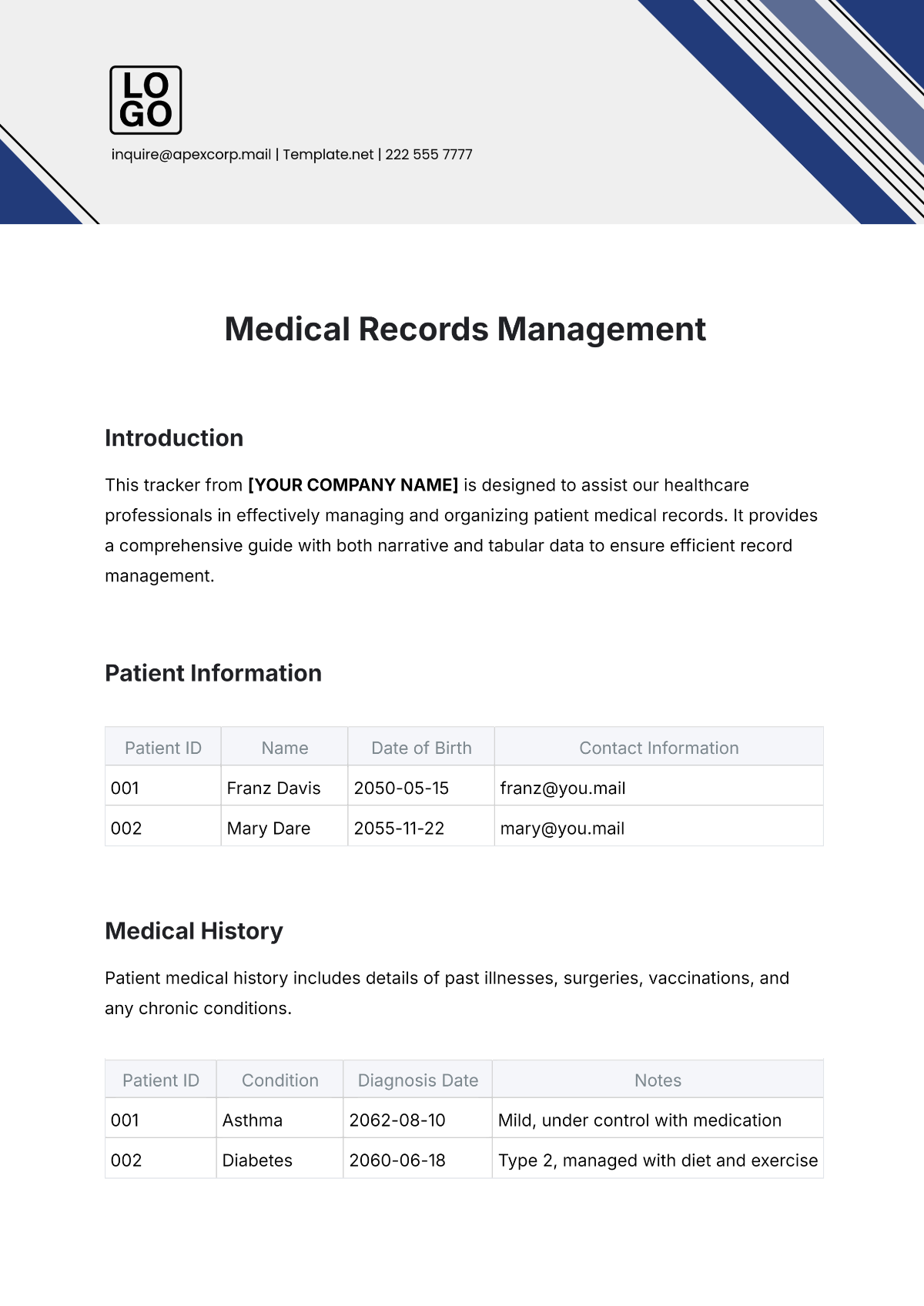
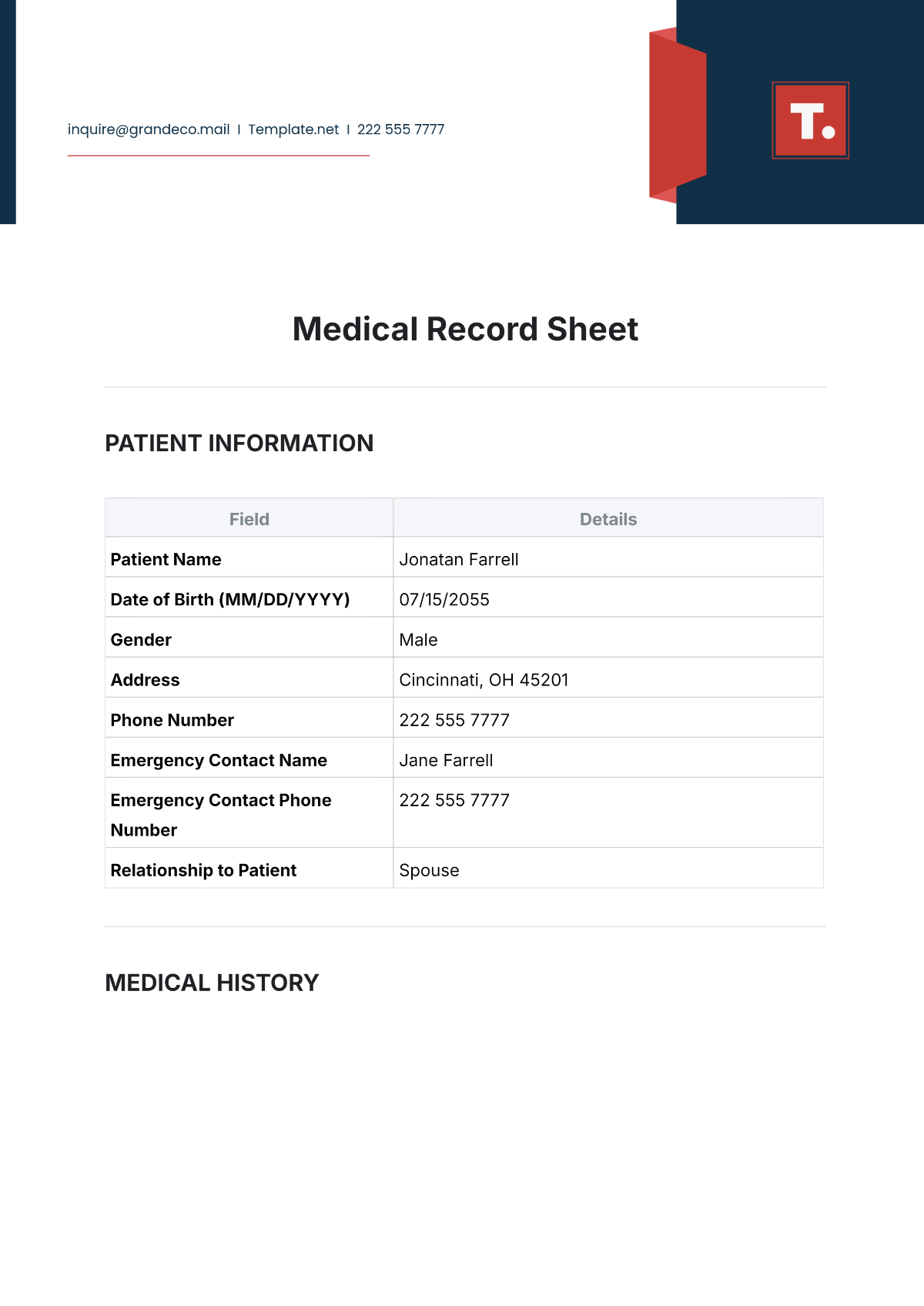
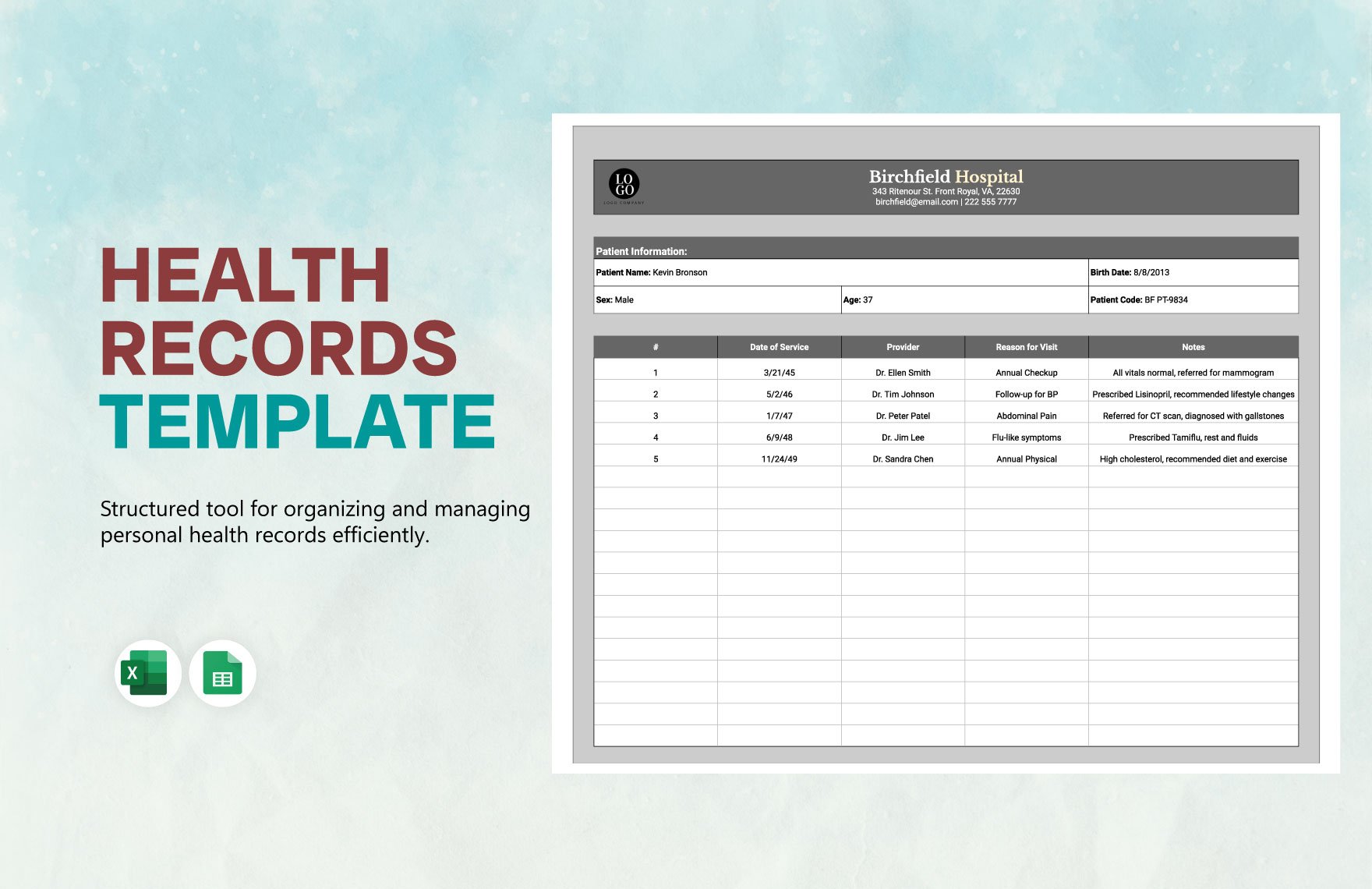
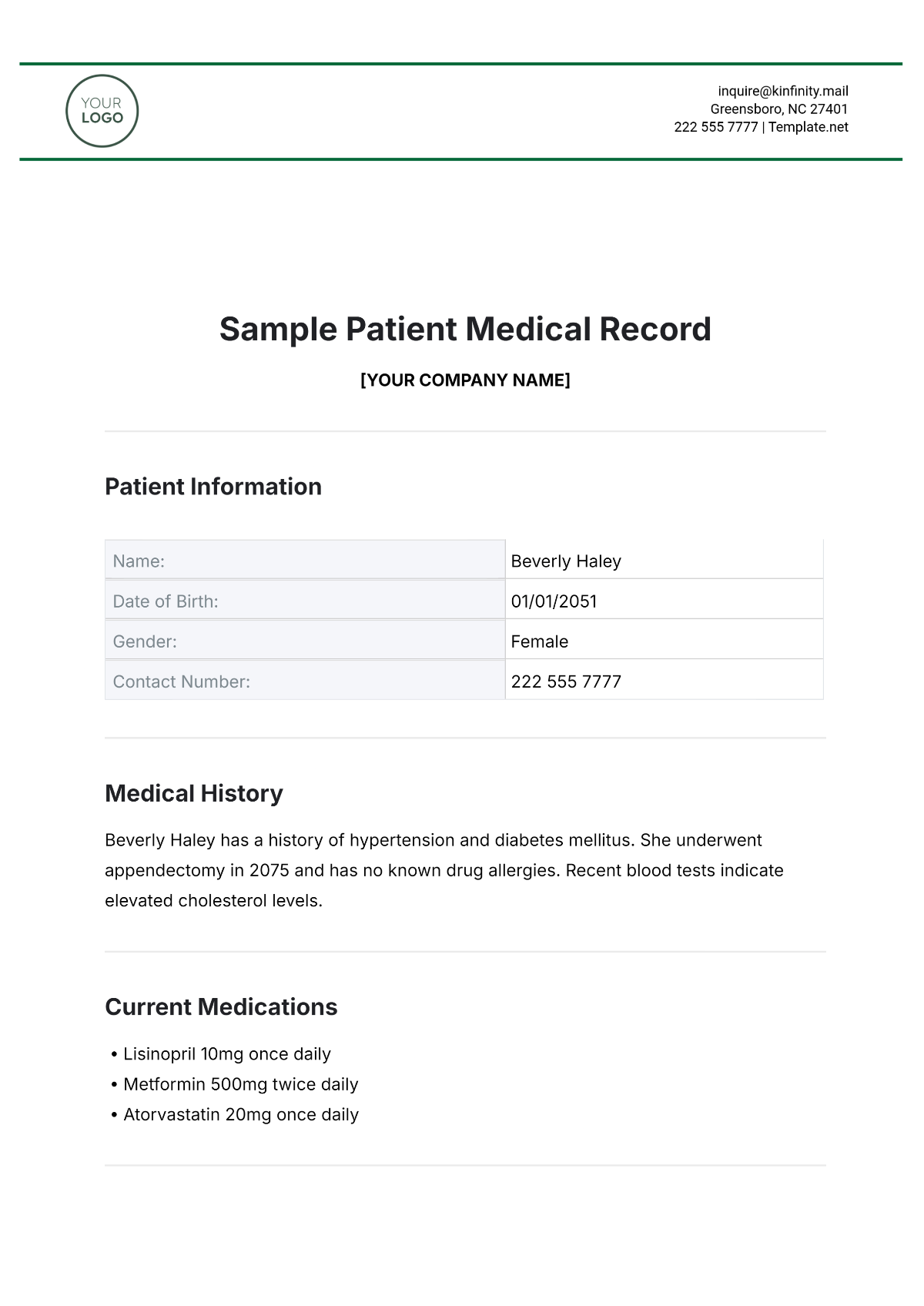
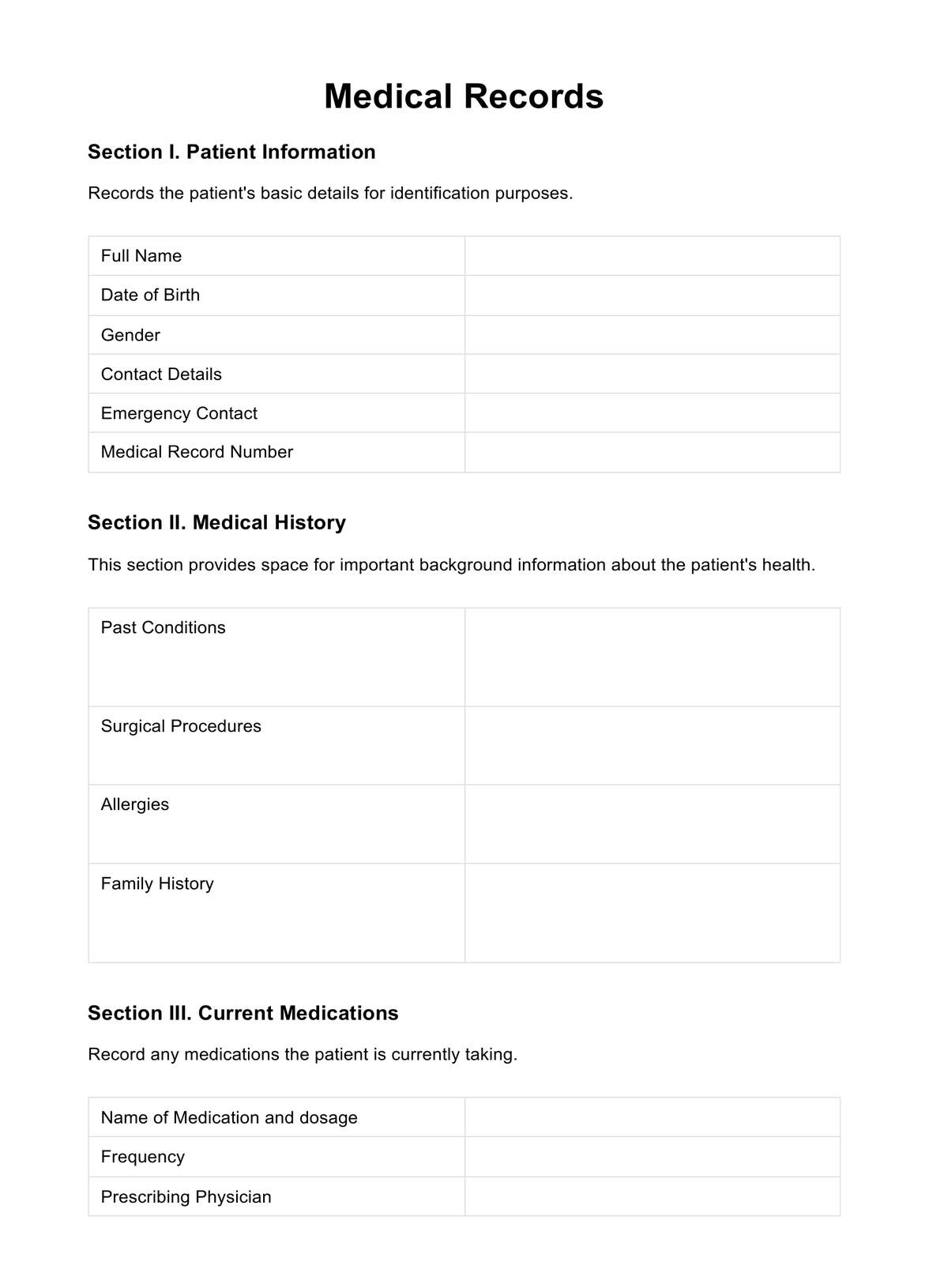
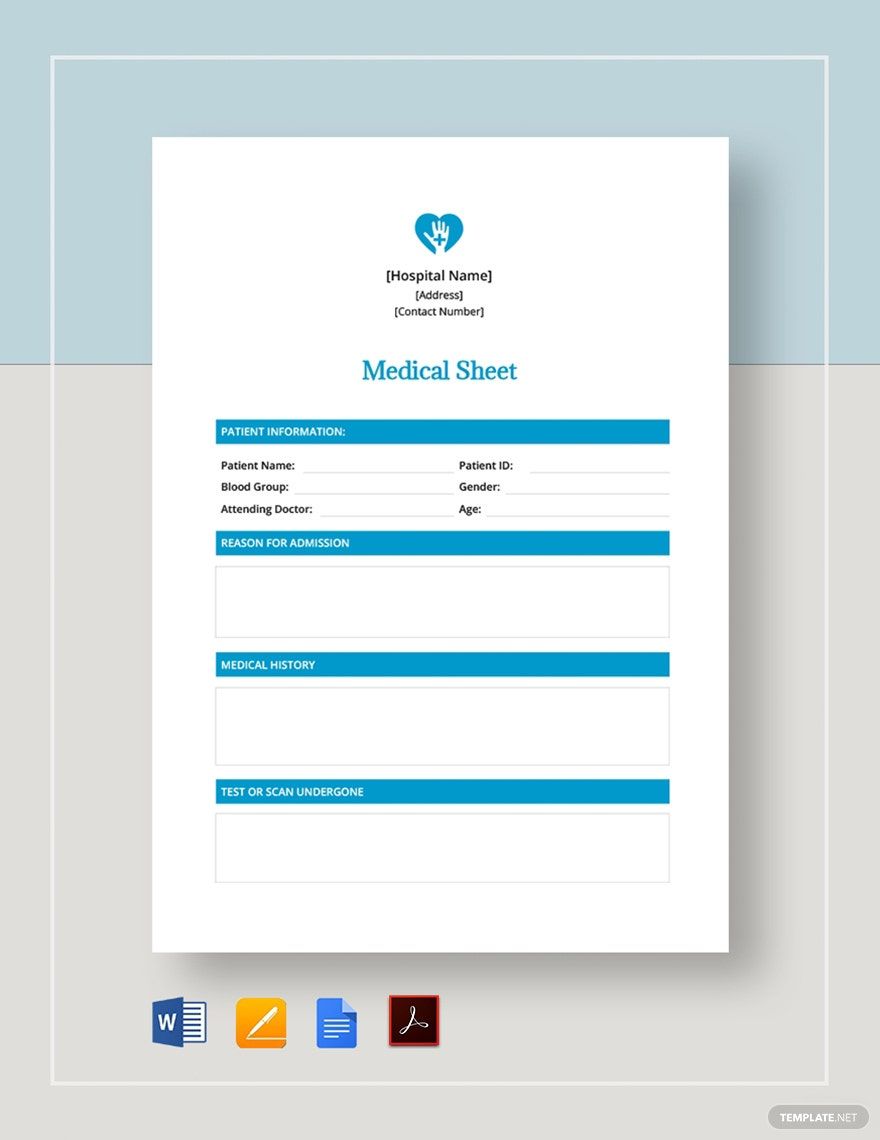
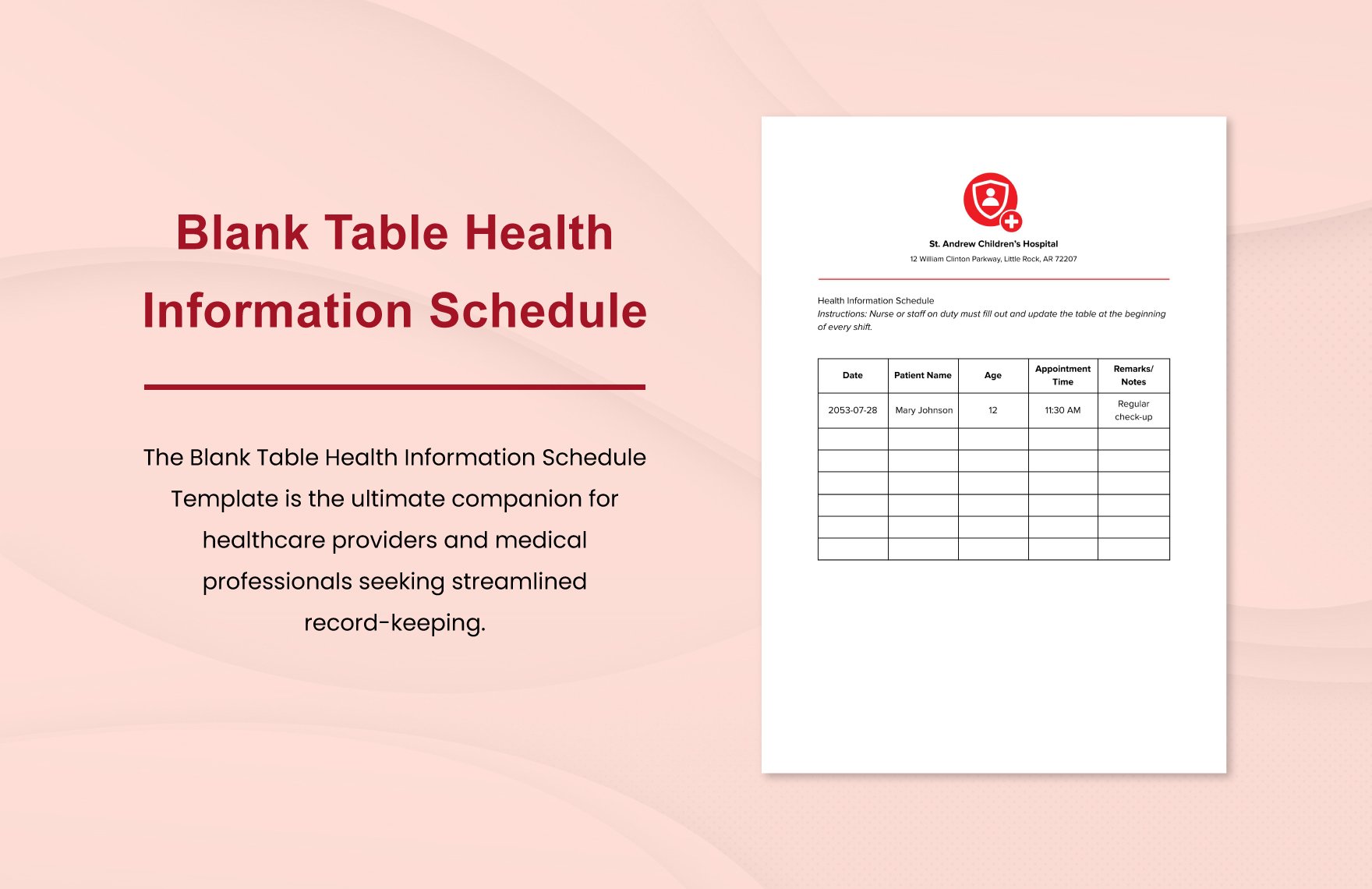
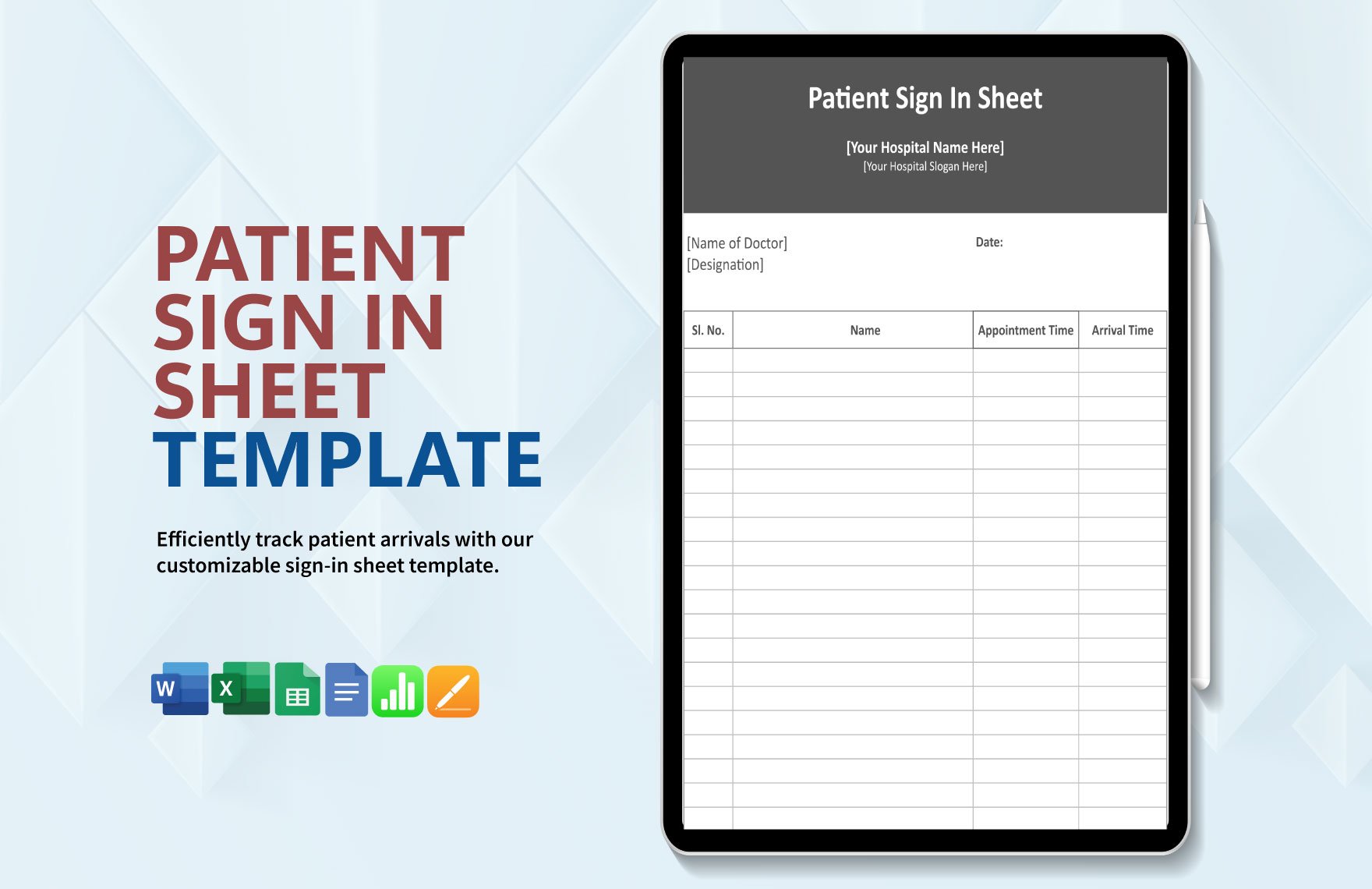
A medical records manager Template is easiest to evaluate when its structure can be compared with real examples of health information forms, patient records, tracking sheets, and records-management layouts. The most useful visual references show how information is grouped, how identifiers are separated from clinical details, how chronological entries are organized, and how workflow fields can remain readable without turning the document into a full clinical chart. These examples are references for structure and presentation rather than universal regulatory models, because actual requirements vary by organization, jurisdiction, record type, and purpose.
The following references also demonstrate why a good medical records manager Template should be judged by function rather than appearance alone. A patient chart emphasizes clinical information, a request form emphasizes scope and authorization, a management tracker emphasizes status and ownership, and a historical record demonstrates how information can be organized longitudinally. Comparing these formats helps readers recognize which fields belong in a management workflow and which should remain in the authoritative health record.
Medical Record Sheet
Source: Template.net
Sample Patient Medical Record
Source: Template.net
Health Records Template
Source: Template.net
Medical Sheet Template
Source: Template.net
Blue Minimalist Medical Health Record
Source: Canva
