An insurance price comparison template is a structured way to place several insurance quotes side by side so that price, coverage, deductibles, limits, exclusions, and important policy conditions can be reviewed consistently. Instead of judging an insurance quote from the premium alone, a well-designed template creates a common framework for evaluating what each insurer is actually offering. This matters because two policies with similar prices can provide substantially different protection.
The search phrase insurance price comparison template Template reflects a practical need: people want a repeatable document that makes insurance shopping easier to organize. The same basic structure can be adapted for auto, home, renters, health, life, travel, pet, and business insurance. The most useful version is not necessarily the one with the most rows. It is the one that captures the financial and coverage details that can change the real value of a policy.
A good comparison sheet also helps prevent a common mistake: comparing quotes that are not actually equivalent. If one insurer quotes a higher liability limit, lower deductible, broader coverage, or additional endorsements, its premium may reasonably be higher. The purpose of the template is therefore not simply to identify the smallest number. It is to make the differences visible enough that a reader can decide whether a higher or lower price is justified.
What an Insurance Price Comparison Template Should Accomplish
The central function of an insurance comparison template is standardization. Every insurer should be evaluated against the same categories, using the same units and the same policy assumptions. A worksheet that places one insurer’s annual premium beside another insurer’s monthly premium creates a misleading result. Likewise, comparing a $500 deductible with a $2,500 deductible without highlighting the difference can make the cheaper quote appear more attractive than it really is.
The first layer should identify the policy itself. Record the insurer, underwriting company when relevant, policy type, plan name, quote date, proposed effective date, policy term, and agent or broker contact. These fields sound administrative, but they are important because insurance quotes can be revised, replaced, or subject to conditions. A comparison made several weeks after the quotes were issued should make it easy to see which figures need reconfirmation.
The second layer should capture the cost structure. At minimum, record the quoted premium, payment frequency, deductible, major fees, discounts, and estimated annual cost. If the insurer provides separate deductibles for different risks, record them separately rather than placing one generalized deductible in the sheet. For health insurance, this can include individual and family deductibles; for auto insurance, collision and comprehensive deductibles may differ; for property insurance, special deductibles may apply to particular perils.

A third layer should focus on coverage rather than price. Coverage limits, included protections, optional endorsements, exclusions, sub-limits, and claims-related conditions can have a greater financial effect than a modest difference in premium. A comparison template should therefore give each important coverage component its own row. This creates an apples-to-apples review instead of reducing the policy to a single price.
Core Fields to Include in the Template
A practical template normally starts with a policy identification block. Include the policyholder or business name, policy type, quote date, effective date, policy period, insurer, plan name, and contact information. For a business, additional identifiers such as the class of business, insured locations, or major exposure categories may be useful. For personal insurance, vehicle, property, household, or traveler details may need to be recorded depending on the policy type.
The financial section should separate recurring cost from potential claim cost. Premium is the amount paid to maintain the policy, while a deductible represents an amount the insured may have to absorb before certain coverage responds. A policy with a lower premium can therefore create greater financial exposure at claim time. The template should make both figures prominent instead of allowing the premium to dominate the comparison.
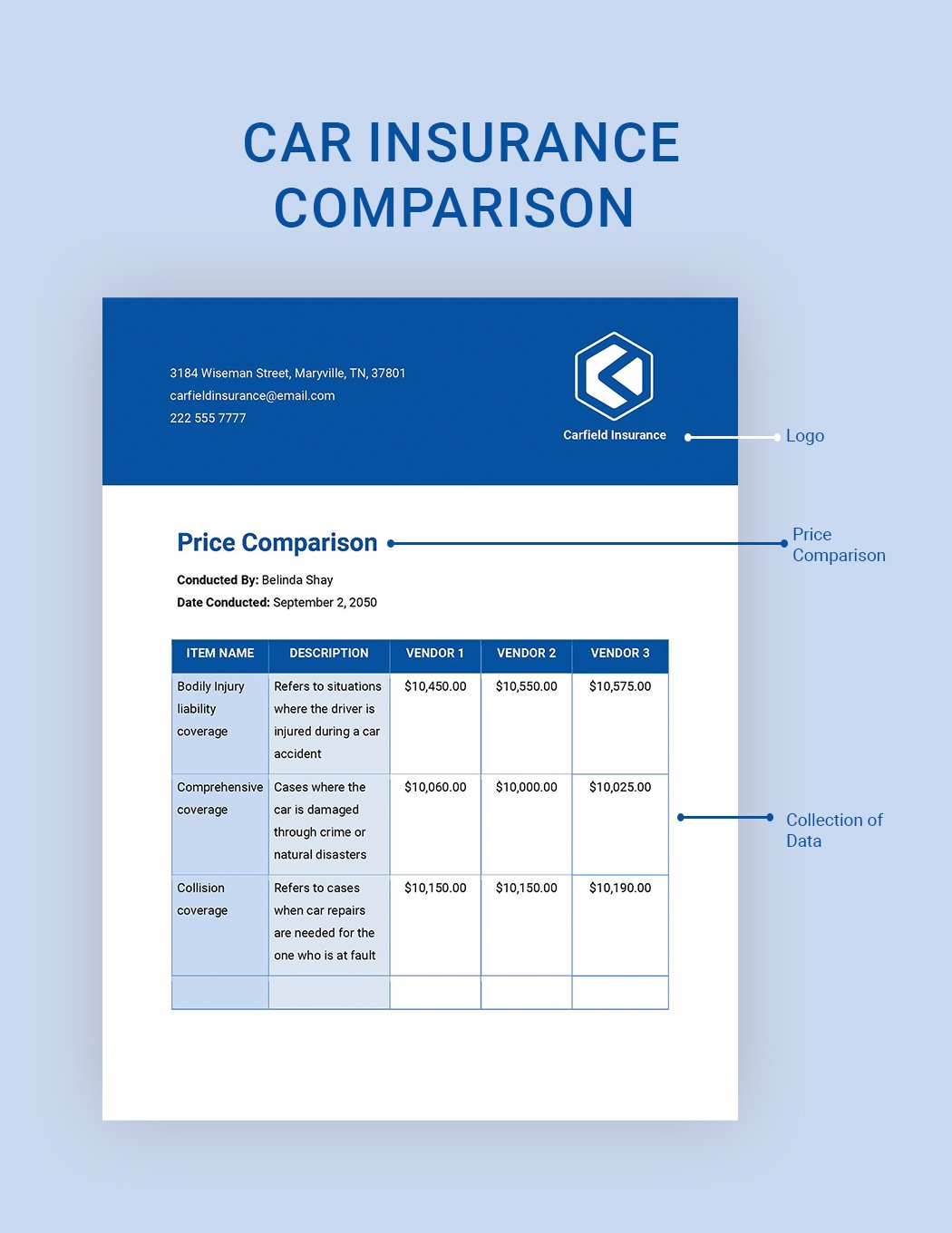
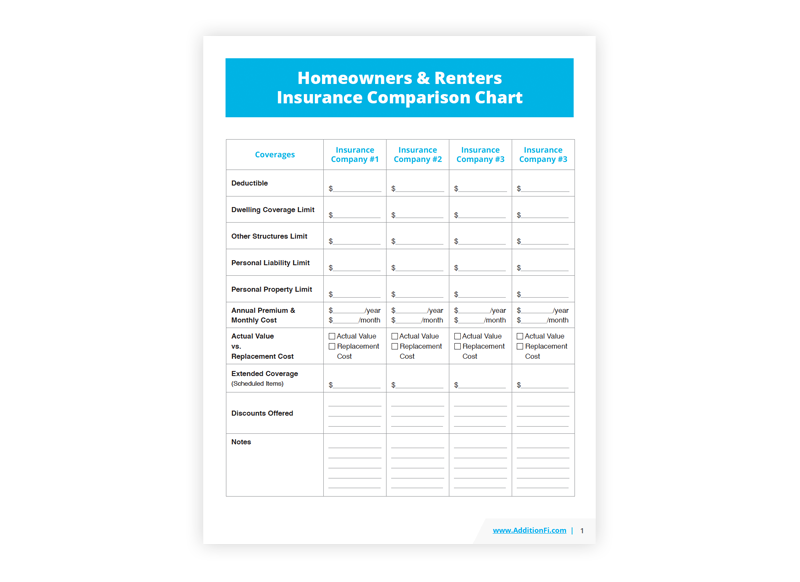
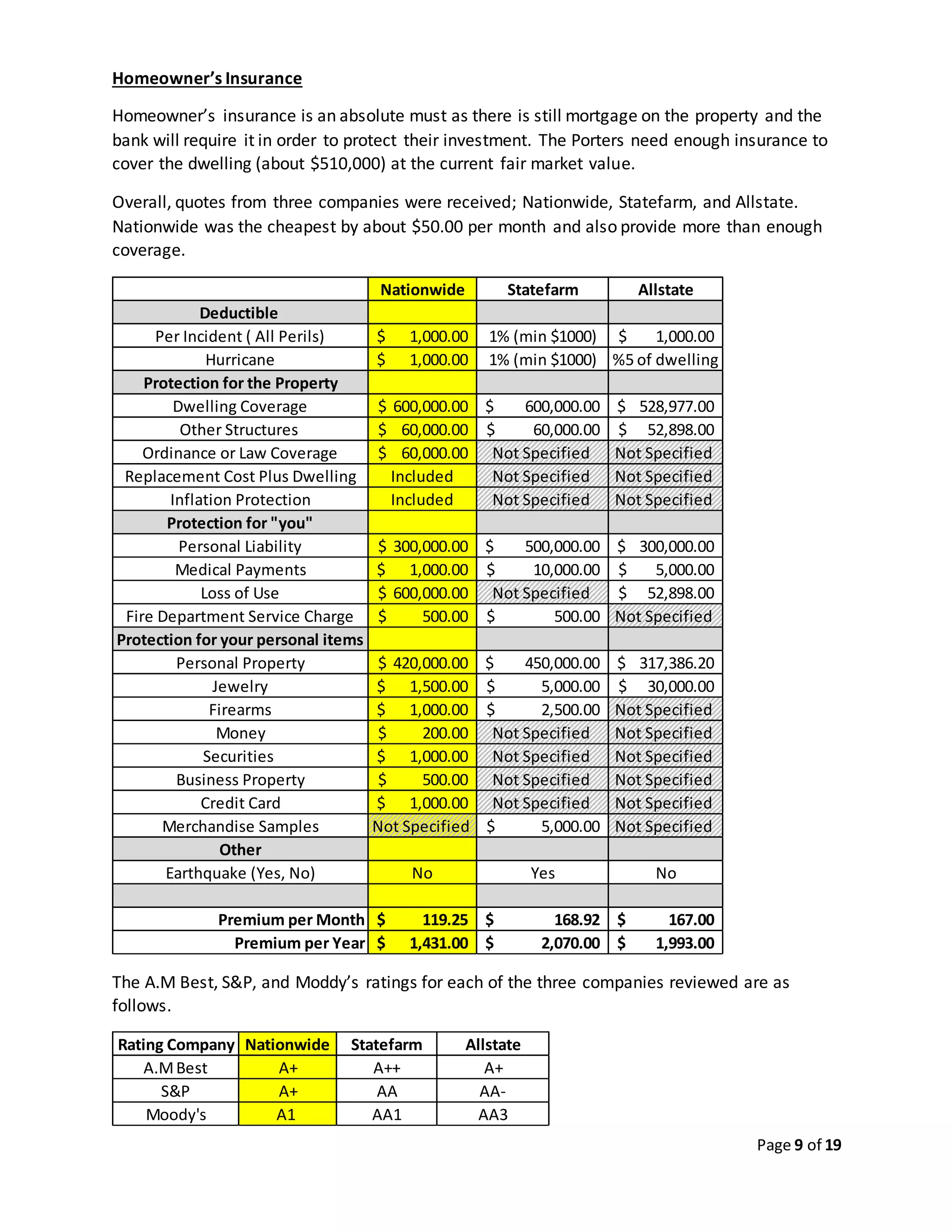
Coverage limits deserve their own section because the meaning of a premium depends on what it buys. For auto insurance, this can include bodily injury liability, property damage liability, uninsured or underinsured motorist protection, collision, comprehensive coverage, medical payments, rental reimbursement, and roadside assistance. For property insurance, consider dwelling, other structures, personal property, loss of use, liability, medical payments, and relevant endorsements.
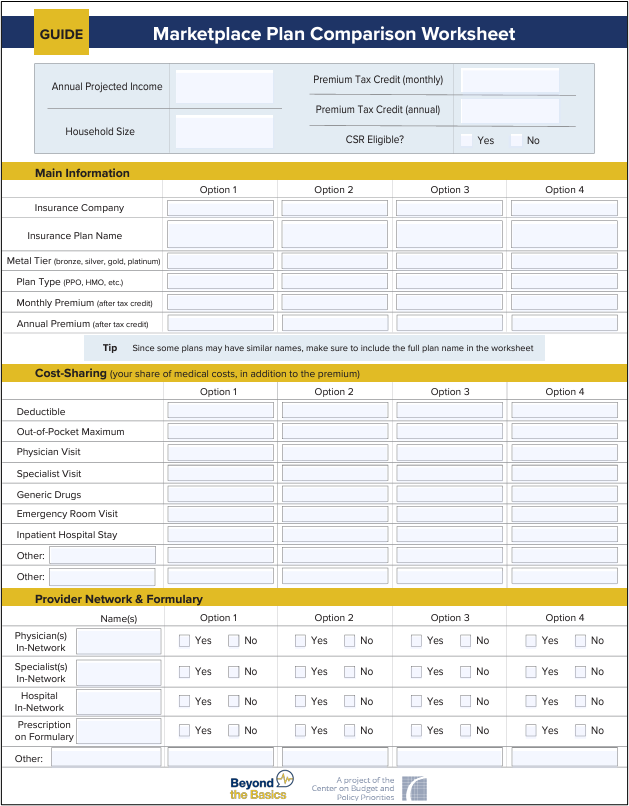
For health insurance, the structure changes slightly. Premium, deductible, out-of-pocket maximum, copayments, coinsurance, provider network, prescription coverage, and major exclusions are particularly important. A health comparison sheet should also make room for questions about whether preferred doctors, hospitals, pharmacies, or medications are covered under the plan being evaluated.
Premium and Payment Details
Record both monthly and annual figures whenever they are provided. If only a monthly figure is available, multiply it by the number of scheduled payments and then check whether installment charges alter the actual annual amount. The worksheet should distinguish between the quoted premium and additional fees rather than silently combining them. This creates a clearer audit trail when a quote is reviewed later.
Discounts should also be recorded individually. A bundled-policy discount, safety discount, claims history discount, payment-related discount, or other adjustment may change the quoted price. However, a discount should not automatically be treated as permanent. The comparison sheet should include a notes field where the condition for receiving the discount can be recorded.
When reviewing renewal quotes, preserve the previous premium as a benchmark. This makes it easier to distinguish a market difference from a change caused by revised limits, endorsements, deductibles, or underwriting information. A template can become particularly valuable when it is reused at every renewal rather than created only when someone is switching insurers.
How to Make Insurance Quotes Comparable
The most important step is to establish common assumptions before entering prices. Ask each insurer or intermediary to quote the same policy structure as closely as possible. That means matching coverage limits, deductibles, insured items, policy term, optional protections, and major eligibility conditions. If the assumptions differ, keep the quotes in the same worksheet but clearly flag the differences.
For example, suppose Quote A has a lower annual premium but a significantly higher deductible, while Quote B costs more but provides a lower deductible and broader protection. The correct comparison is not “A is cheaper.” It is “A has a lower fixed cost but greater potential claim expense.” That distinction makes the template useful for actual decision-making rather than simple price ranking.
It is also useful to separate mandatory coverage from optional features. Some insurance products contain protections required by local rules, financing arrangements, contracts, or other circumstances. Others are optional endorsements selected according to personal or business risk. The comparison sheet should make these categories visually distinct so that an optional benefit does not accidentally appear to be a standard part of every policy.
Comparing Deductibles and Out-of-Pocket Exposure
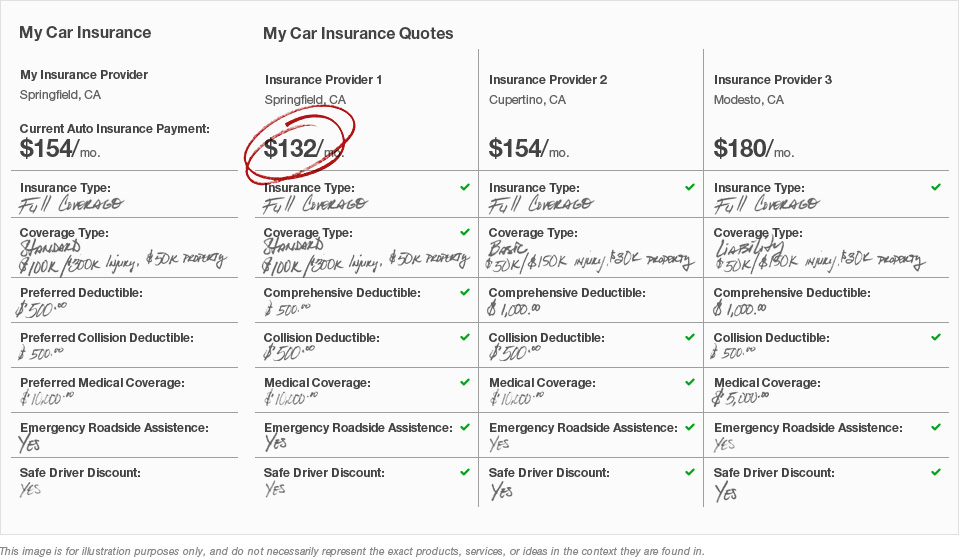
A deductible is one of the most important fields in an insurance comparison because it directly affects the insured’s financial responsibility during a covered claim. A template should never treat the deductible as a minor footnote. Place it next to the premium so the relationship between fixed cost and potential claim cost is immediately visible.
Different policy types require different deductible structures. Auto policies may have separate collision and comprehensive deductibles. Home policies can have a standard deductible and separate deductibles for certain hazards. Health plans can have individual and family deductibles, while some services may be subject to copayments or coinsurance instead. The template should therefore be customized to the policy rather than using a single generic deductible field for every situation.
For decision-making, consider several hypothetical scenarios. A low-claim scenario emphasizes premium and routine costs. A moderate-claim scenario shows how deductibles and cost sharing affect the annual expense. A severe-loss scenario tests whether coverage limits and maximum out-of-pocket exposure are adequate. These are planning examples, not predictions, but they can reveal differences that a premium-only comparison would hide.
Coverage Limits, Exclusions, and Endorsements
Price comparisons become much more meaningful when the template captures what is excluded. An inexpensive policy can appear attractive until an important exclusion or sub-limit is discovered. For that reason, include dedicated rows for major exclusions and restrictions instead of placing all policy wording into a single notes box.
Endorsements deserve similar treatment. An endorsement can add, remove, or modify protection under a policy. If one insurer includes an endorsement automatically while another offers it separately, the comparison should show that distinction. Otherwise, two premiums can look equivalent even though the underlying protection is different.
For complex insurance, create a gap column. The gap column answers questions such as “Which quote has lower liability protection?” or “Which quote omits this coverage?” It is often more useful than a simple ranking because it directs attention toward areas where the insured may need clarification before making a decision.
Choosing the Right File Format
The best format depends on how the comparison will be used. A spreadsheet is generally useful when many quotes must be recalculated or updated. A document format can work well when the comparison is intended to accompany a written recommendation. A PDF can be useful when a fixed version needs to be reviewed without changing its layout. A printable worksheet is helpful when information is being gathered during a phone call or meeting.
Someone searching for an insurance price comparison template template word is usually looking for a document-oriented structure that emphasizes readable sections and side-by-side policy descriptions. A person searching for an insurance price comparison template template pdf may instead need a fixed-layout reference. The underlying comparison logic should remain the same regardless of file type.
For presentation work, an insurance price comparison template template powerpoint structure can be useful when an advisor needs to explain differences visually. For a business working with British terminology or records, an insurance price comparison template template uk search may signal the need to adapt terminology, currency, regulatory context, and policy wording to the relevant market rather than simply changing the document heading.
For editable records, an insurance price comparison template template doc structure can emphasize headings, notes, and narrative recommendations. A handwritten workflow may benefit from an insurance price comparison template template printable layout with larger fields and enough space for notes. These labels describe format preferences, not guarantees about any particular resource or provider.
Building a Comparison for Different Insurance Types
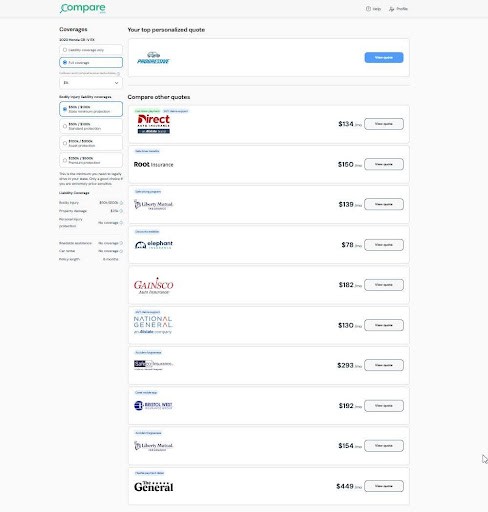
Auto insurance comparisons should prioritize liability limits, collision and comprehensive deductibles, medical protection, uninsured or underinsured motorist coverage where relevant, rental reimbursement, roadside services, vehicle usage, and driver-related conditions. The template should also identify the exact vehicle and insured drivers because a quote is meaningful only in relation to the risk information used to produce it.
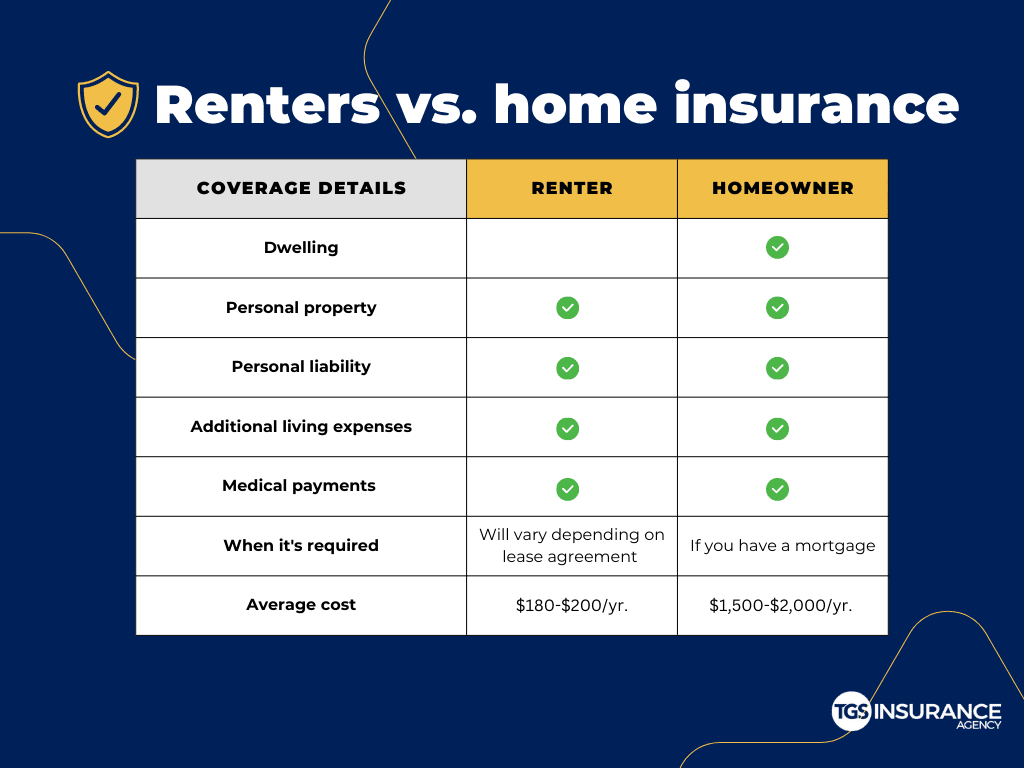
Homeowners and renters comparisons should distinguish between protection for the physical structure and protection for personal property. Other important fields can include personal liability, additional living expenses, special deductibles, replacement-cost treatment, scheduled property, water-related endorsements, and other relevant limitations. A lower premium should not automatically win if it results from materially weaker protection.
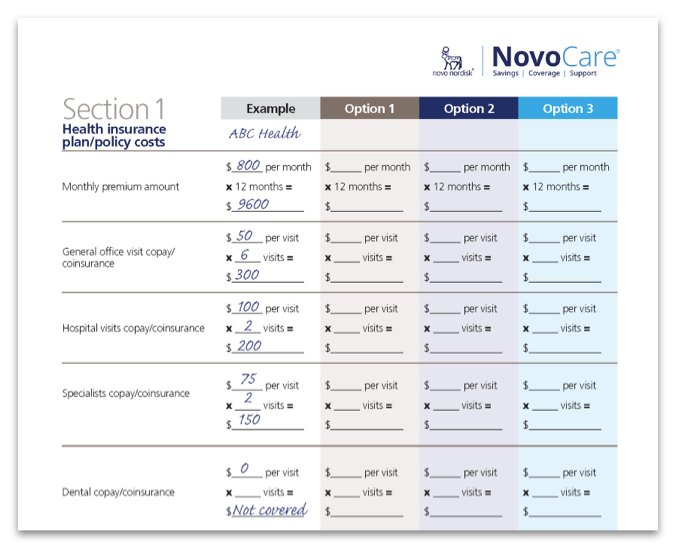
Health insurance comparisons require a more detailed cost-sharing structure. Record premium, deductible, out-of-pocket maximum, primary-care cost, specialist cost, emergency care cost, prescription tiers, coinsurance, network type, and provider availability. For a family, separate individual and family figures where the policy provides both. This allows the worksheet to show how the plan behaves under different levels of healthcare use.
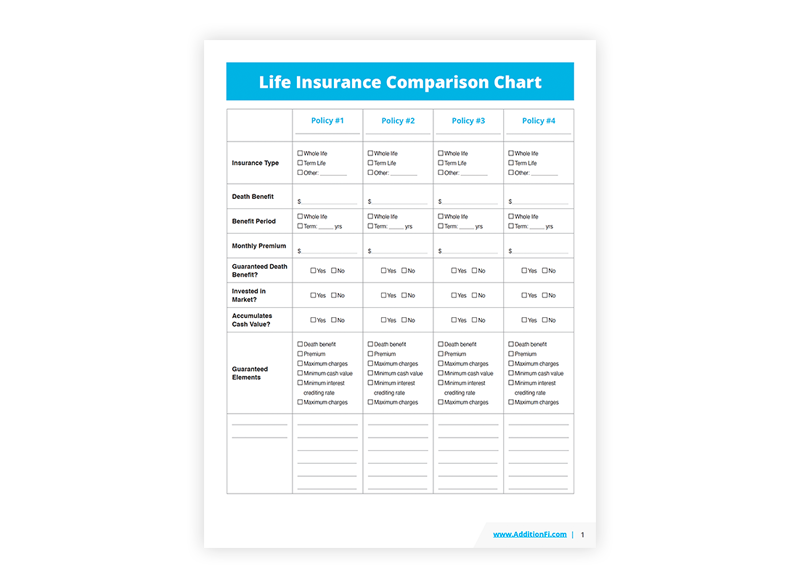
Life insurance comparisons require a different emphasis. Record policy type, death benefit, term length, premium structure, guaranteed elements, cash value characteristics when relevant, riders, and conditions for maintaining coverage. A policy with a lower initial premium may not have the same duration or features as another policy, so the comparison should describe the structure rather than rank the first-year premium alone.
Scoring Insurance Options Without Oversimplifying Them
A scoring model can make a large comparison easier to interpret, but it should support judgment rather than replace it. One approach is to score price, coverage breadth, deductible exposure, service considerations, and policy fit separately. The weights can then reflect the buyer’s priorities. Someone with a tight cash budget may place more weight on predictable annual cost, while someone with significant assets may place more emphasis on liability protection.
Use a consistent scale and document what each score means. For example, a coverage score might evaluate whether the requested limit is present, sufficient, and subject to reasonable restrictions. A price score might compare annual premiums only after confirming that the coverage structures are substantially equivalent. A service score should be based on evidence that the buyer can actually verify, rather than an assumption.
A weighted score should never hide a serious coverage gap. If one quote lacks a protection that is essential to the buyer, the template should flag that issue prominently even if the overall numerical score is high. A good comparison sheet therefore combines quantitative scoring with qualitative notes and explicit warning fields.
Using the Template for Scenario Analysis
Scenario analysis turns a static comparison into a decision tool. Begin with a low-use scenario that represents limited claims or routine service. Then create a moderate scenario that includes a plausible deductible or cost-sharing event. Finally, create a high-cost scenario that tests the policy against a significant covered loss, subject to the actual policy limits and conditions.
For health insurance, a scenario might include annual premiums plus several physician visits, specialist care, prescription expenses, and a major treatment event. For auto insurance, it could compare the financial effect of different deductibles after a hypothetical covered loss. For property insurance, the scenario can focus on how a deductible and coverage limit affect the insured’s potential responsibility after a covered event.
Scenario analysis should use clearly labeled hypothetical numbers. Do not present an illustrative total as a prediction of actual claims. The purpose is to understand how the structure of the policy behaves, not to forecast whether a particular loss will happen.
Research and Data Collection Before Filling the Sheet
Start with the original quote documents, policy summaries, schedules, declarations, benefit summaries, and written correspondence available to you. Record information directly from those materials instead of relying on memory. If an important field is unclear, mark it as needing confirmation rather than filling the blank with an assumption.
Normalize terminology before comparing figures. Different insurers may use slightly different labels for similar protections, while apparently similar labels can sometimes represent different coverage. The comparison sheet should preserve the insurer’s wording in a notes field while also assigning a standardized category for side-by-side review.
Keep a source or verification note for every important number. A premium should be traceable to a quote date, while a coverage limit should be traceable to the policy material used for the comparison. This practice is especially valuable for business insurance, renewals, and decisions involving several stakeholders.
Data Quality and Search Noise
Insurance template searches sometimes contain unusual technical phrases that do not describe an insurance feature. For example, insurance price comparison template template function overload and insurance price comparison template template parameters look more like programming terminology than policy-comparison terminology. They should not be turned into insurance fields merely because they appear in a search query.
Likewise, a phrase such as insurance price comparison template template sandbox can describe a testing or working environment rather than an insurance concept. A good editorial workflow separates useful search intent from accidental query combinations. The final template should contain fields that help evaluate insurance, not technical vocabulary that has no bearing on premiums, limits, deductibles, exclusions, or policy fit.
This principle also protects search visibility. Search engines generally reward useful topical coverage more than repetitive exact-match phrases. A strong page can address file formats, policy types, comparison methods, calculations, scenario analysis, and practical decision-making while using the main keyword naturally. The result is more useful to readers and less dependent on mechanical repetition.
Common Mistakes in Insurance Price Comparisons
The first mistake is choosing the lowest premium without checking the coverage structure. The second is comparing different deductibles as though they were equivalent. The third is overlooking exclusions, sub-limits, and endorsements. These mistakes can make a spreadsheet appear precise while the underlying comparison is incomplete.
Another mistake is mixing quote dates. Insurance pricing can change when the underlying risk information, coverage selections, effective date, or underwriting conditions change. Record the quote date and effective date for every option so that the sheet does not silently combine outdated and current figures.
A further problem is relying on a single overall score. A score can compress too much information and hide a critical weakness. The template should therefore include both a summary assessment and a list of material differences that require attention before a policy is selected.
Practical Solution
Start by creating one master comparison sheet with columns for three to five insurers or plans. Place coverage categories down the left side and policy options across the top. At the top of the sheet, record policy type, quote date, effective date, and the assumptions used for every quote. This establishes a common baseline before any price ranking begins.
Next, enter the annual premium, payment structure, deductibles, coverage limits, exclusions, endorsements, and major service conditions. Highlight missing information with a neutral status such as “confirm” rather than guessing. Then calculate the annual fixed cost and review the potential out-of-pocket exposure under several hypothetical scenarios. The purpose is to identify trade-offs, not merely the cheapest column.
Finally, create a decision section containing three items: the preferred option, the main reason for the preference, and the unresolved questions that must be answered before commitment. If the preferred option is not the least expensive, state why. A clear explanation such as stronger liability protection, lower deductible exposure, broader coverage, or better alignment with the buyer’s needs makes the recommendation easier to review.

For repeat use, preserve each completed comparison with its date and policy period. When the next renewal arrives, duplicate the prior structure and update the new figures rather than starting from scratch. This creates a historical record that can reveal changes in premiums, deductibles, coverage limits, discounts, and policy features over time.
The strongest practical workflow is therefore simple: standardize the quote assumptions, collect comparable data, separate premium from claim exposure, inspect coverage differences, test realistic scenarios, document unresolved questions, and make the final decision only after the material differences are understood.

Reference Examples
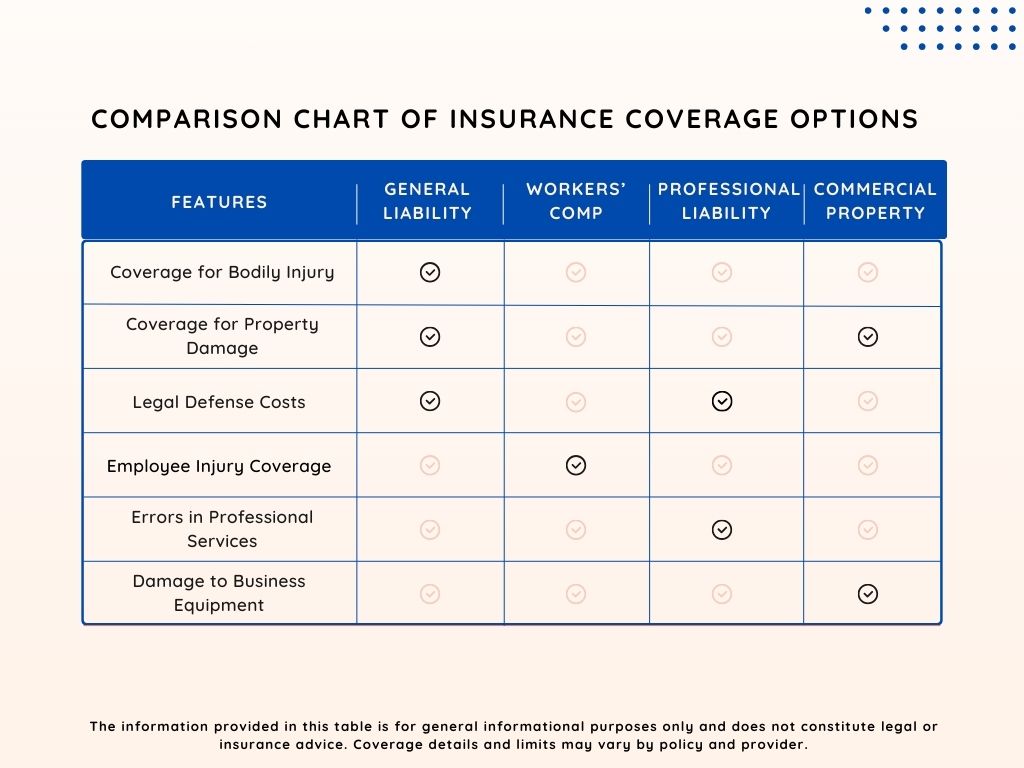
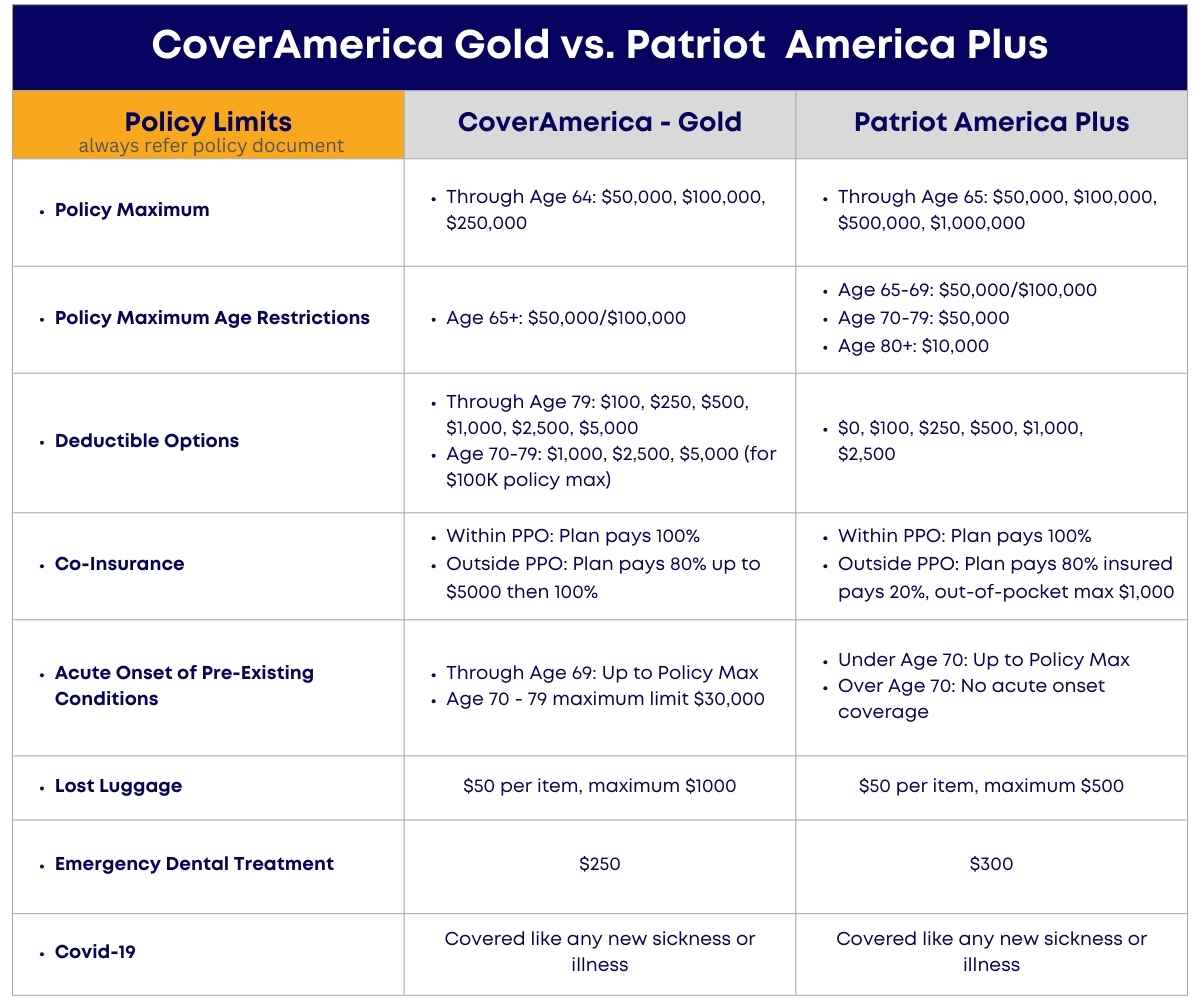
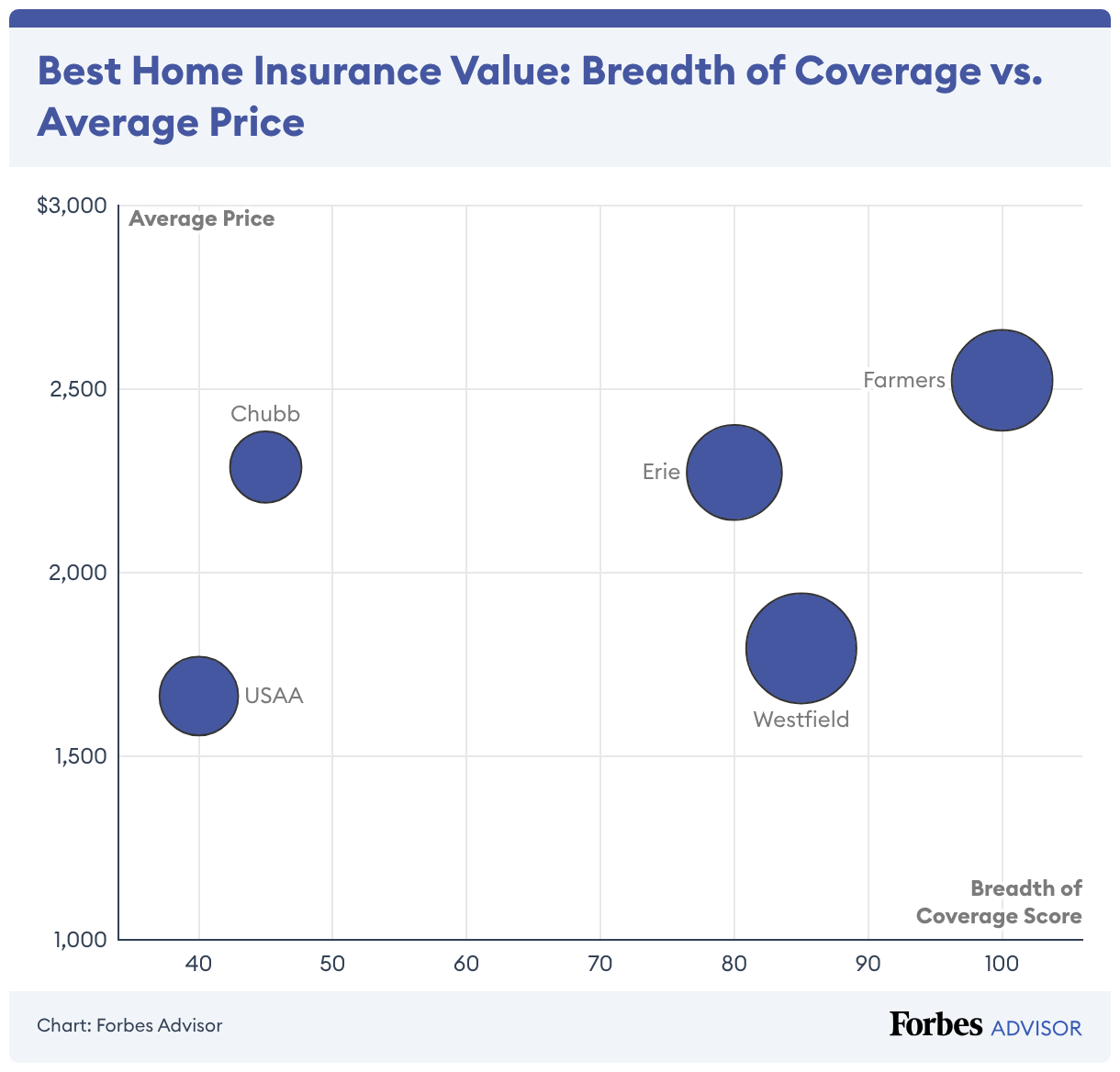
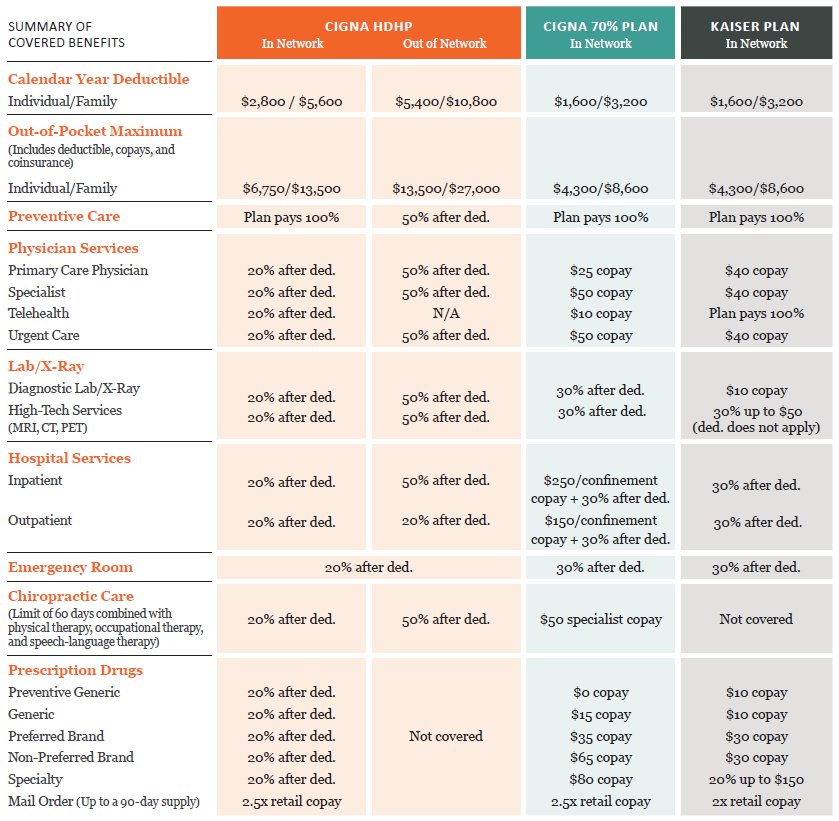
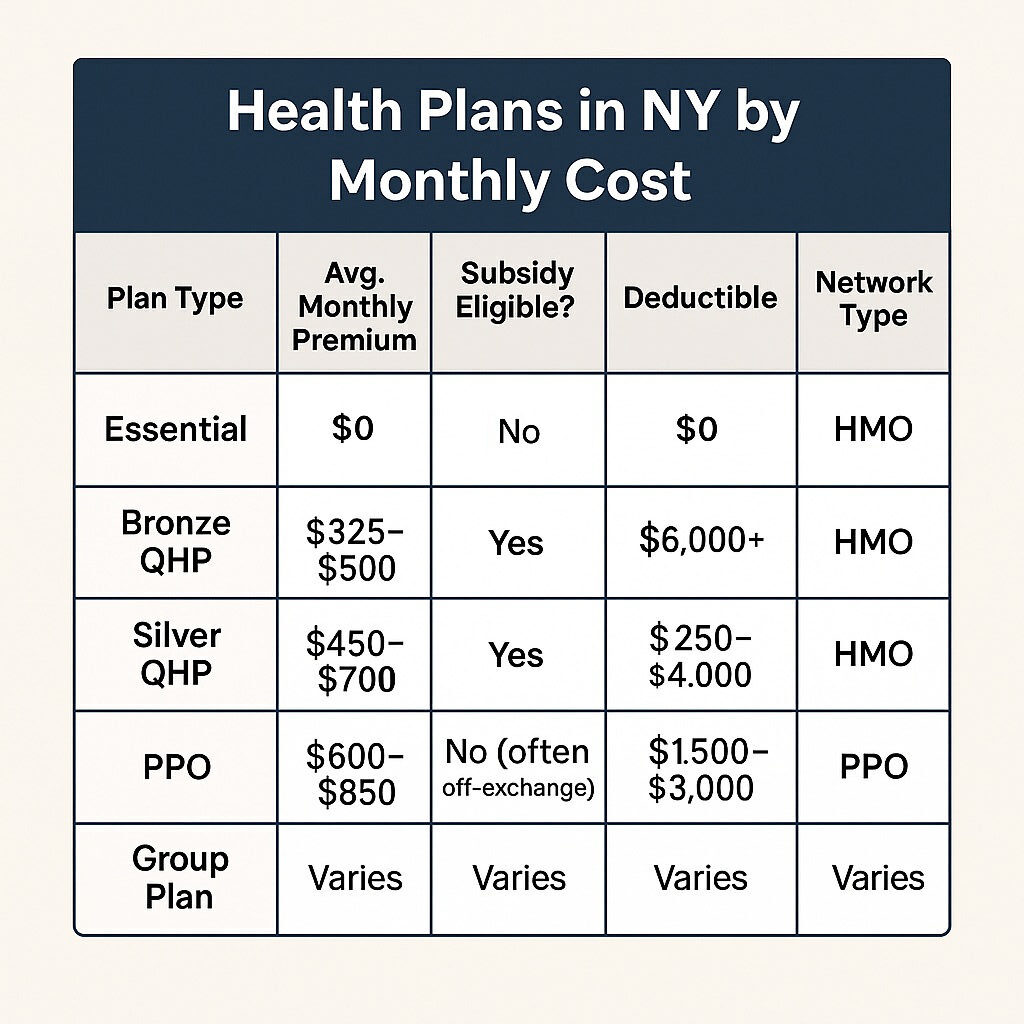
An insurance price comparison template is most useful when its structure makes the important differences immediately visible. The strongest examples tend to place several policies or insurers in parallel columns while separating premium, deductible, coverage limit, network, exclusions, and other policy characteristics into recognizable rows. This arrangement reduces the chance that a buyer will focus on one attractive number while overlooking a material difference elsewhere in the policy. Visual references are particularly useful because they show how much information can be organized on a single comparison sheet without turning the document into an unreadable block of text.
The following references illustrate several approaches to the insurance price comparison template concept, including cost comparisons, health-plan comparisons, business coverage comparisons, and insurance quote interfaces. They are useful as layout references rather than as recommendations of any particular policy. When adapting an example, preserve the comparison logic while replacing sample figures, policy names, limits, and terminology with information that has been verified for the specific insurance decision being evaluated.
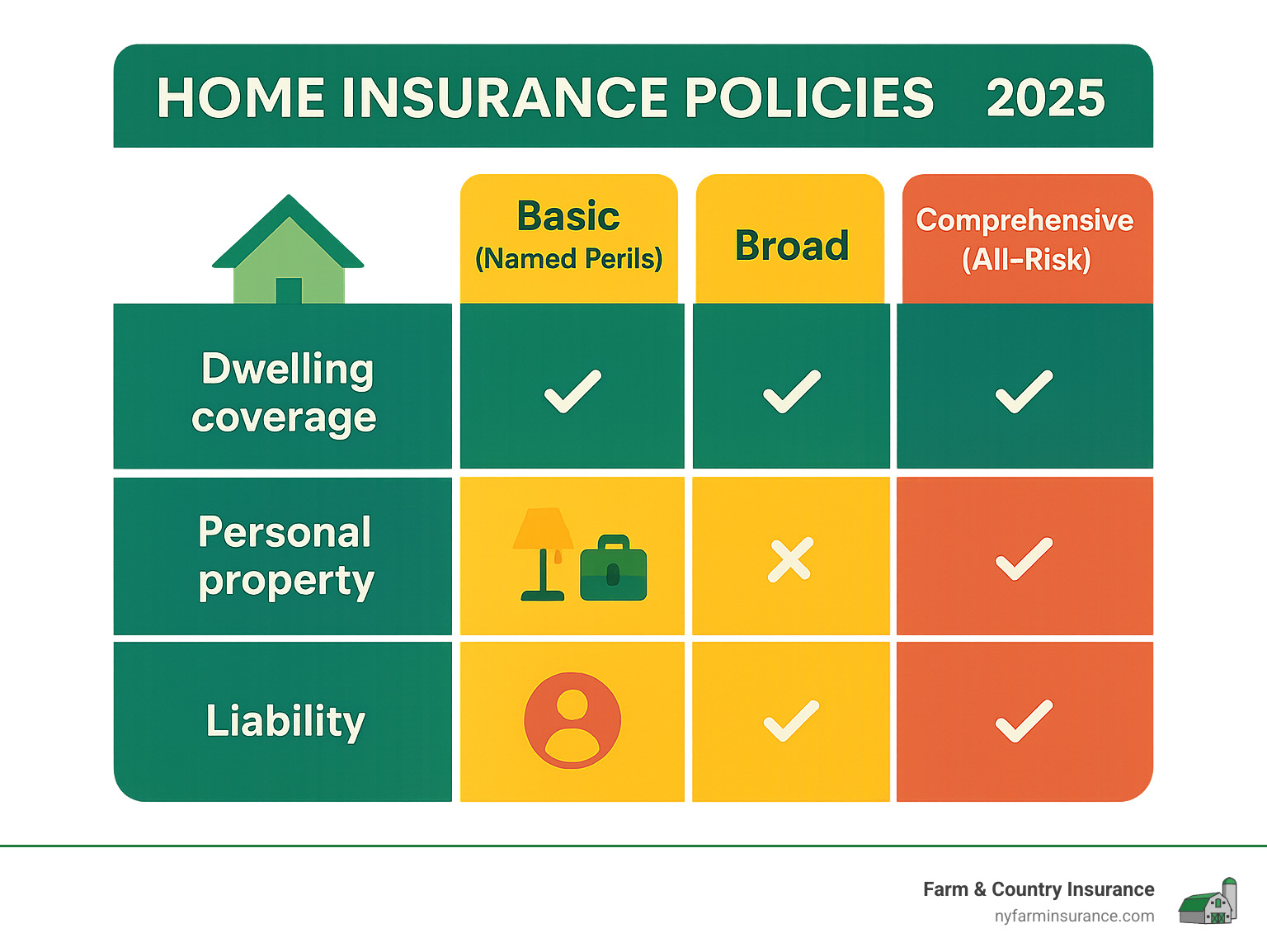
Home Insurance Policy Comparison 2025
Source: NY Farm Insurance

Insurance Quote Comparison Interface
Source: Paca Insurance
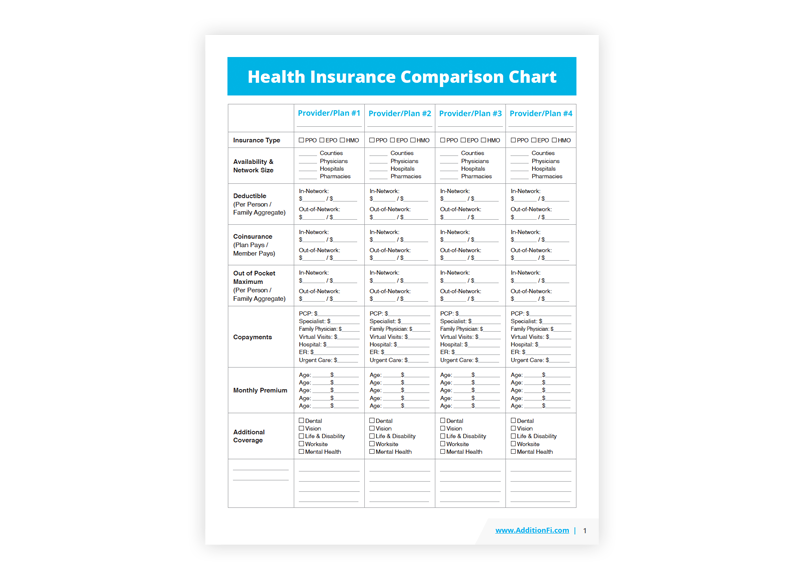
Health Insurance Comparison Chart
Source: Addition Financial
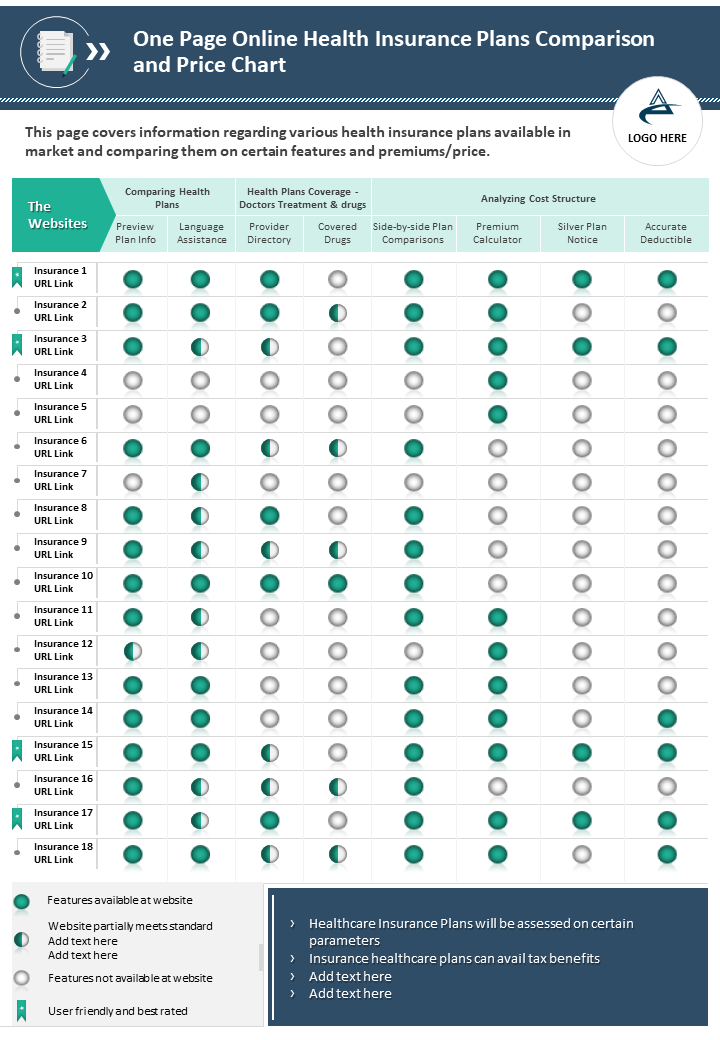
One-Page Health Insurance Plans Comparison Chart
Source: SlideTeam

Life Insurance Types Comparison Chart
Source: Dundas Life
