A nursing home marketing contract Template is most useful when it does more than identify a marketing provider and a payment amount. A well-structured agreement establishes exactly what the marketing partner will do, which audiences and channels are covered, what the nursing home must provide, how performance will be measured, who owns created materials, how confidential information is handled, and how either party can end the relationship. Because nursing home marketing can involve sensitive healthcare communications, referral relationships, resident information, advertising claims, and reputation management, the contract should be tailored to the actual engagement rather than copied blindly from a generic business agreement.
Searchers looking for a nursing home marketing contract template are often trying to solve one of two problems. They may be a nursing home owner or administrator preparing to hire an outside marketing agency, consultant, or business-development provider. Alternatively, they may already have a marketing relationship and need a clearer statement of work, payment structure, reporting expectations, and responsibilities. In both situations, the strongest template is a practical framework that can be reviewed by qualified counsel and adapted to the facility, jurisdiction, services, and commercial arrangement.
The most useful way to approach the subject is therefore to treat the contract and the marketing plan as connected but separate documents. The contract governs the relationship between the parties, while the marketing plan explains the strategy, campaigns, audiences, channels, timelines, and performance objectives. Current marketing guidance for nursing homes commonly emphasizes local visibility, digital search, reputation, community outreach, referral relationships, admissions processes, and measurable reporting.
What a nursing home marketing contract should accomplish
The primary purpose of the agreement is to remove ambiguity. A marketing provider may use broad phrases such as “increase admissions,” “improve visibility,” or “manage digital marketing,” but those phrases do not establish what work will actually be delivered. The contract should convert broad expectations into identifiable services, deliverables, responsibilities, approval procedures, reporting obligations, and commercial terms. General marketing-agreement guidance similarly identifies party information, scope, payment, duration, confidentiality, and termination as core provisions.
A nursing home engagement also deserves more specificity than a generic marketing arrangement because the facility’s reputation and admissions process are closely connected to its care services. Marketing materials may describe clinical capabilities, rehabilitation services, memory support, accommodations, activities, visiting arrangements, or other services. Those statements should be accurate and approved by the facility. A contract can establish who supplies factual information, who approves public claims, and how corrections are handled when information changes.
The agreement should also distinguish marketing activity from clinical decision-making. A marketer can promote services, coordinate communications, prepare educational material, monitor campaigns, or support business development, but the nursing home’s clinical team remains responsible for clinical matters. Keeping those roles distinct helps prevent unrealistic expectations and makes the agreement easier to administer. A practical template should therefore define both what the provider will do and what the provider is expressly not responsible for.
Core sections to include in the template
1. Parties and effective date
Start with the legal names of the nursing home or operating entity and the marketing provider. Include business addresses, the effective date, and the names or titles of authorized representatives. If the facility operates through a parent company, management company, or separate property entity, identify the actual contracting party rather than assuming the facility’s public brand is the legal entity.
This section should also identify whether the provider is an agency, independent consultant, contractor, or another type of service provider. The distinction matters because it affects responsibilities, payment arrangements, access to systems, insurance expectations, and other contractual provisions. Avoid vague descriptions such as “marketing team” when a specific legal entity can be named.
If multiple facilities are involved, identify every covered location or attach a schedule listing them. A contract covering three facilities should not rely on a single facility name if the services, budgets, territories, or reporting requirements differ. Clear party identification prevents later arguments about which locations, brands, websites, or campaigns fall within the agreement.
2. Scope of marketing services
The scope is the operational heart of the contract. Instead of saying that the provider will perform “marketing services,” list the actual work. Possible categories include search-engine optimization, website content, paid advertising management, social media content, email communications, reputation management, community outreach, printed collateral, campaign planning, analytics, creative production, and marketing reporting.
Each service should have a practical boundary. For example, “website support” could mean anything from monthly content changes to a complete website redesign. “Social media management” could include strategy and scheduling but exclude photography, video production, paid promotion, and responding to clinical questions. The clearer the scope, the easier it becomes to determine whether a requested task is included or requires a separate written change.
The agreement should also address service frequency where relevant. A monthly reporting package, weekly content schedule, quarterly campaign review, or defined number of creative revisions gives both parties a common operational baseline. A statement of work can be attached when the engagement is complex, allowing the primary agreement to remain readable while the detailed deliverables are maintained separately.
3. Objectives, audiences, and territory
A useful contract should state the business purpose of the engagement without promising an outcome that no marketer can control. Objectives may include improving qualified inquiries, increasing tour requests, strengthening local visibility, improving the consistency of marketing communications, supporting appropriate admissions, or building awareness of particular services. These objectives can be measured without guaranteeing a specific census result.
The audience definition should be equally practical. Nursing homes can communicate with prospective residents, family decision-makers, caregivers, physicians, discharge planners, social workers, case managers, community organizations, and other relevant groups. A contract should identify which audiences are within scope because the content, messaging, channels, and approval processes may differ substantially between them.
Geographic territory is another important detail. A local nursing home may primarily serve a defined radius around the facility, while a specialized provider may draw referrals from a wider region. If paid advertising or outreach is restricted to particular locations, identify those areas in the statement of work. This prevents budget and campaign assumptions from changing informally during the engagement.
How the contract connects to a nursing home marketing plan
A contract and a nursing home marketing plan should work together without becoming the same document. The contract establishes the commercial relationship, while the marketing plan can be updated as campaigns evolve. This separation is useful because strategy often changes more frequently than legal terms. For example, a facility may shift emphasis from general awareness toward rehabilitation referrals after reviewing its admissions data.
A strong marketing plan normally begins with a current-state assessment. That assessment can examine the facility’s positioning, services, geographic market, referral patterns, website visibility, online reputation, competitors, existing content, conversion paths, and available marketing resources. Published nursing-home marketing examples commonly organize planning around market analysis, objectives, target audiences, positioning, digital activity, community engagement, implementation, budgets, and performance measures.
The contract can then reference the plan as an approved working document or statement of work. This creates a useful division: the contract determines the rules of the relationship, while the plan determines what the parties are currently trying to accomplish. If the strategy changes, the parties can update the plan or statement of work without rewriting every general legal provision.
Using a nursing home marketing contract template pdf
People searching for a nursing home marketing contract template pdf are often looking for a document that can be reviewed, printed, circulated, or converted into an internal contract workflow. A fixed-format document can be useful for review because it preserves the structure and makes it easier for stakeholders to comment on the same sections. However, the format itself does not make the agreement legally appropriate.
Before using any template, check the actual clauses rather than relying on its label. Look for the parties, scope, fees, expenses, approvals, intellectual property, confidentiality, data handling, insurance, warranties, limitations of liability, termination, dispute provisions, and governing-law language. If the marketing arrangement involves healthcare information or regulated referral relationships, additional review may be appropriate.
A PDF-style contract is particularly useful as a review copy when the parties want to confirm the final wording before execution. Keep an editable master separately so that future revisions can be tracked. Do not allow several unofficial versions to circulate because conflicting copies can create uncertainty about which terms were actually approved.
Using a nursing home marketing contract template word
A nursing home marketing contract template word format is useful when the agreement requires substantial editing. Editable documents make it easier to insert the facility name, service schedule, payment terms, geographic territory, approval workflow, and campaign-specific provisions. They can also be useful during negotiation because the parties may need to compare revisions and incorporate comments.
However, editing convenience should not become an excuse for uncontrolled changes. Establish a version convention and identify the current draft clearly. Important changes to fees, scope, ownership, termination, or compliance obligations should be reviewed deliberately rather than buried among formatting edits.
For recurring engagements, consider maintaining a standard master agreement and using a separate statement of work for each campaign or facility. This approach can reduce repetitive drafting while preserving the ability to customize deliverables. The master agreement should still be reviewed periodically because laws, business practices, technology, and marketing channels change over time.
Payment terms and performance expectations
Payment provisions should explain exactly how the provider is compensated. Common structures include a fixed project fee, monthly retainer, hourly billing, milestone payments, or a combination of service fees and separately controlled advertising expenses. The agreement should identify invoicing frequency, payment deadlines, reimbursable expenses, taxes where applicable, and the process for approving additional work.
Advertising spend deserves separate treatment. If the provider manages paid search or social advertising, distinguish the media budget from the provider’s service fee. The contract should identify who owns the advertising account, who controls payment credentials, who approves budget changes, and what happens when a campaign is paused. Keeping these items explicit improves financial transparency and makes campaign reporting easier to interpret.
Performance language should also be realistic. Marketing can influence visibility, inquiries, calls, tours, and other measurable activities, but it cannot guarantee that a family will choose a particular facility or that a referral source will make an admission. A well-written contract should establish measurement and optimization responsibilities rather than promising an outcome outside either party’s control.
Reporting, KPIs, and accountability
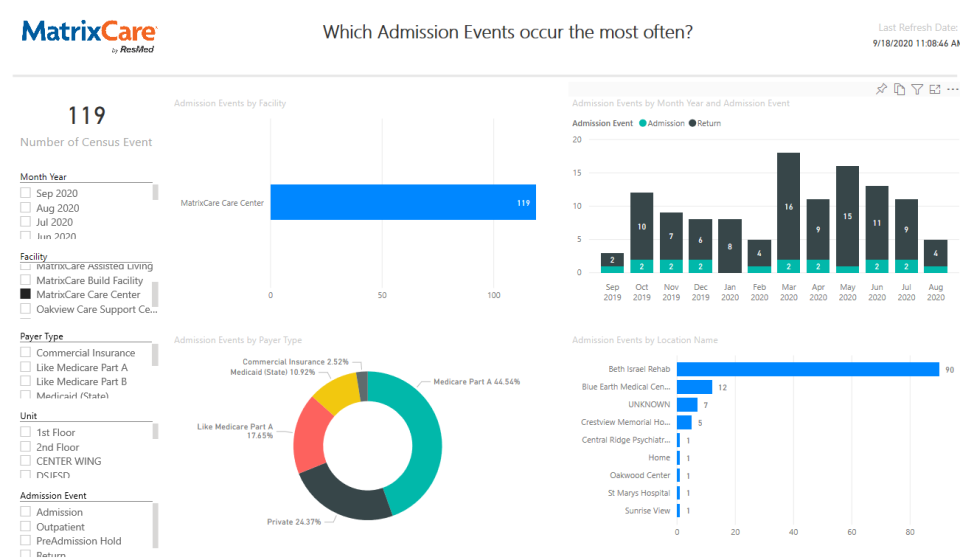
A marketing agreement becomes much more useful when it defines how performance will be reported. Relevant measures can include qualified inquiries, calls, tour requests, website conversions, search visibility, campaign engagement, referral-source activity, content production, reputation indicators, and other metrics aligned with the facility’s objectives. The exact KPI set should reflect the engagement rather than copying a generic dashboard.
Admissions data should be interpreted carefully. Marketing may generate an inquiry, but the inquiry still moves through an admissions process that may involve clinical appropriateness, payer considerations, bed availability, family preferences, timing, and other operational factors. For that reason, a report should distinguish marketing-generated activity from final admissions whenever the data allows it.
Reporting cadence should be defined in the agreement or statement of work. Monthly reporting may be appropriate for an ongoing engagement, while campaign-specific work may require reports at defined milestones. The contract should also specify who receives reports and who is responsible for reviewing them so that performance information actually informs decisions.
Marketing channels that can appear in the agreement
Digital visibility is frequently part of nursing home marketing. A contract can specify work involving local search optimization, website content, landing pages, paid search, social media, email communication, online reputation, and other digital channels. The agreement should clarify whether the provider creates content, publishes it, monitors responses, manages advertising, or simply supplies recommendations.
Traditional and community-based outreach can also be included. Depending on the facility and market, the scope might cover brochures, informational events, community presentations, local media relations, referral-source materials, or educational campaigns. These activities should have defined deliverables because physical collateral and events can introduce additional production, venue, printing, or travel costs.
Referral development deserves special care. The contract should never casually authorize compensation structures that could create legal or regulatory concerns around referrals, particularly where government healthcare programs or reimbursable services are involved. Courts have considered marketing arrangements in which compensation was tied to referrals for federally reimbursable items, illustrating why referral-related compensation deserves careful legal review.

Marketing for a nursing home
marketing for a nursing home should begin with truthful positioning rather than promotional volume alone. Families often need to understand services, care capabilities, location, accommodations, rehabilitation options, activities, visiting expectations, and the admissions process before they are ready to make contact. Marketing content should therefore answer practical questions clearly and consistently.
The contract can assign responsibility for gathering and approving those facts. For example, the nursing home may supply current service descriptions, facility details, approved photographs, and policy information, while the marketing provider transforms that material into web pages, brochures, advertisements, or campaigns. The provider should not be expected to invent clinical claims or operational information.
Brand consistency also matters. The same facility may appear in search results, social media, printed material, referral packets, community events, and third-party directories. A marketing agreement can establish who maintains brand assets and who is responsible for correcting inaccurate public information. This makes the contract more useful than an agreement focused only on campaign production.

Practical marketing ideas that can support admissions
When administrators search for marketing for nursing home ideas, the strongest ideas are usually those connected to an actual decision point. Educational pages can answer common family questions, facility tours can make the environment easier to understand, service-specific content can clarify rehabilitation or memory-support offerings, and referral materials can make it easier for professionals to understand who the facility serves.
Useful marketing ideas for nursing home admissions should also improve the transition between interest and inquiry. A campaign may attract attention, but the website or phone process must make the next step clear. The marketing contract can therefore include conversion-path responsibilities such as contact forms, call tracking, tour-request pages, admissions information, or campaign-specific landing pages.
Another practical approach is to organize campaigns around verified facility strengths. If a nursing home has a particular rehabilitation service, specialized program, convenient location, or distinctive resident experience, the marketing plan can build content around that attribute. The claim should be supported by current facility information, and the admissions team should be prepared to respond consistently when prospective families ask questions generated by the campaign.
Confidentiality, privacy, and information handling
Marketing work can involve information that should not be casually shared outside the engagement. The contract should identify confidential business information and establish reasonable expectations for protecting it. If the provider will receive access to systems, databases, analytics platforms, or other records, the agreement should describe appropriate access controls and permitted uses.
Healthcare-related information requires particular care. A marketing provider should not assume that ordinary marketing practices are sufficient when the engagement involves protected or otherwise sensitive information. The parties should determine what information the provider actually needs, whether access is necessary, and what contractual or legal safeguards apply.
The agreement should also address what happens when the relationship ends. Access credentials should be revoked where appropriate, facility-owned materials should be returned or transferred, and confidential information should be handled according to the agreed terms. A clear offboarding process reduces the chance that former contractors retain unnecessary access to business systems.
Ownership of websites, creative work, and marketing accounts
Ownership provisions are often overlooked until a relationship ends. The contract should state who owns written content, graphics, photography, video, advertising accounts, websites, domains, analytics properties, mailing lists, and other assets created or managed during the engagement. Ownership can vary by asset, so broad language may not be enough.
Client-controlled accounts are often easier to transition when the facility itself owns the primary account and grants the provider appropriate access. This can apply to advertising platforms, website hosting, analytics properties, social channels, and other services. The contract should identify the preferred ownership arrangement and specify the provider’s responsibilities for access and handover.
Third-party licenses should also be considered. A marketing provider may use licensed photographs, fonts, software, stock assets, or other materials that cannot automatically be transferred to the nursing home. The agreement should distinguish facility-owned work from third-party materials and explain any continuing license requirements.
Approval workflows and content governance
Approval rules are essential when marketing content describes healthcare services. A contract can identify who has authority to approve public-facing claims and how quickly approvals are expected. For example, the administrator may approve general brand content while a clinical leader verifies clinical descriptions. The precise structure should reflect the facility’s internal organization.
Set clear revision rules as well. A provider may include two rounds of revisions in a project fee, while additional revisions may be billed separately. This avoids confusion when several stakeholders provide conflicting instructions or when a campaign changes substantially after production begins.
Urgent corrections should have their own process. If a service changes, a phone number becomes inaccurate, a location detail is wrong, or a public statement requires correction, the facility should know whom to contact and how quickly the provider will respond. A contract can establish an escalation path without turning every operational detail into a legal dispute.
Termination and transition provisions
A marketing relationship should have a defined beginning and a defined ending. The contract can specify an initial term, renewal process, termination notice, termination for material breach, and procedures for handling unfinished work. The appropriate structure depends on the commercial arrangement and local law.
Transition obligations are especially important for digital marketing. If an agency manages websites, advertising accounts, social channels, analytics, or content libraries, the facility should know what happens after termination. The agreement can establish a reasonable handover process, identify which assets must be transferred, and address outstanding invoices or third-party commitments.
Termination should not automatically erase obligations that logically continue afterward. Confidentiality, intellectual-property provisions, payment obligations, and certain dispute provisions may require survival language depending on the contract. These clauses should be reviewed by qualified legal counsel rather than copied without considering the governing jurisdiction.
Related home-care agreements and why they are different
Some searchers encounter terms such as home health care contract template, home care contract template, or home health contract template while researching nursing home marketing agreements. These documents may address entirely different relationships, such as service delivery, caregiving responsibilities, client arrangements, or provider obligations. They should not automatically be substituted for a marketing-services agreement.
A marketing contract concerns the relationship between a facility and a marketing provider. A care contract generally concerns services provided to an individual or household. The parties, duties, risks, payment structure, privacy considerations, and operational provisions can therefore differ substantially. Using the wrong document simply because the word “healthcare” appears in both titles can leave important provisions missing.
If a business operates both nursing home and home-care services, separate agreements may be appropriate for separate engagements. The marketing contract can cover promotional work for multiple service lines, but the statement of work should identify which brands and services are actually included. That distinction keeps the commercial relationship clear without confusing marketing obligations with direct care obligations.
Common mistakes when adapting a nursing home marketing contract
One common mistake is using vague deliverables. A contract that says “social media management” or “digital marketing” without specifying frequency, channels, approvals, or reporting can create disagreement later. Another mistake is tying payment too closely to admissions without considering the legal and operational implications of referral-related compensation.
A second mistake is treating a template as a substitute for legal review. A template can organize issues that should be discussed, but it cannot determine whether a particular provision complies with the laws governing the facility, provider, advertising practice, privacy obligations, employment structure, or referral arrangement. Jurisdiction and business circumstances can materially change what language is appropriate.
A third mistake is ignoring operational ownership. If the provider creates a website but the facility does not know who owns the domain, hosting account, advertising account, analytics property, or creative files, the relationship can become difficult to unwind. Ownership and access should be addressed before campaigns begin, not after a dispute occurs.
Practical Solution
Start by creating a one-page engagement brief before editing the contract. Identify the legal parties, facilities covered, primary objectives, target audiences, marketing channels, geographic territory, expected deliverables, reporting frequency, approval contacts, budget structure, contract term, and termination notice. This brief becomes the factual foundation for the agreement and helps reveal missing information before negotiation begins.
Next, convert each marketing service into a measurable deliverable. Instead of writing “manage online marketing,” specify the channels involved, the content or campaign responsibilities, expected reporting, approval process, and exclusions. Separate the provider’s service fee from advertising expenditure and identify who controls third-party accounts. If referral development is part of the engagement, obtain appropriate legal review before agreeing to compensation based on referrals or admissions.
Finally, build a review cycle into the relationship. The nursing home should compare marketing activity with inquiries, tours, qualified opportunities, admissions activity, reputation signals, and other agreed KPIs. If the strategy changes, document the change through the statement of work or another written amendment. At renewal, review the scope, pricing, ownership, access, reporting, and termination provisions rather than automatically extending outdated language.
A practical contract should therefore function as an operating framework rather than a ceremonial signature page. It should tell both parties what is being purchased, who is responsible for each task, what information is needed, how decisions are approved, how performance is evaluated, and how the relationship can be changed or ended. The strongest template is not necessarily the longest one; it is the one that makes important expectations difficult to misunderstand.
Reference Examples
A nursing home marketing contract Template is easiest to evaluate when readers can see how related documents organize information visually. Contract covers, marketing plans, proposals, reports, checklists, and admissions materials can each illustrate a different part of the workflow. A contract emphasizes the relationship and obligations between parties, while a marketing plan focuses on strategy, a proposal presents the planned engagement, and a report records performance. These distinctions matter because a polished-looking document is not automatically suitable for a particular purpose. The visual structure should support the document’s function, and the underlying language should still be reviewed for accuracy, commercial suitability, and jurisdiction-specific requirements.
The following references help demonstrate how nursing home marketing documentation can be structured across planning, contracting, admissions, reporting, and communication. They are useful for comparing page hierarchy, headings, information density, cover-page treatment, and the relationship between strategic and operational material. A prospective user of a nursing home marketing contract Template can use these examples as visual references while remembering that a contract should be customized to the actual parties, services, payment model, responsibilities, and compliance environment. The examples should inform document structure rather than be treated as ready-made legal language for a specific facility.
Nursing Home Marketing Plan Template
Source: Template.net
Nursing Home Marketing Strategy Template
Source: Template.net
Nursing Home Marketing Proposal Template
Source: Template.net
Nursing Home Marketing Report Template
Source: Template.net
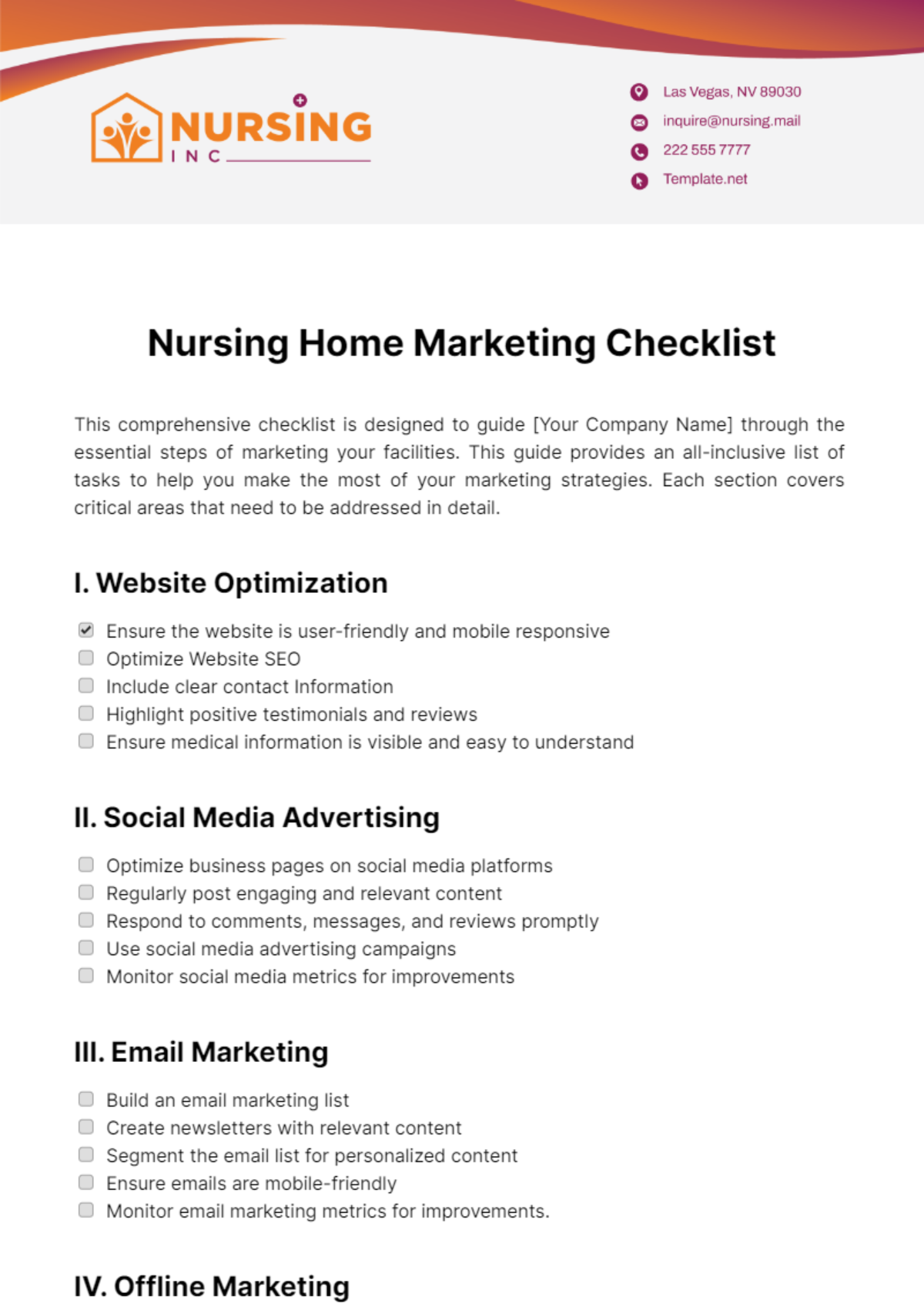
Nursing Home Marketing Checklist Template
Source: Template.net
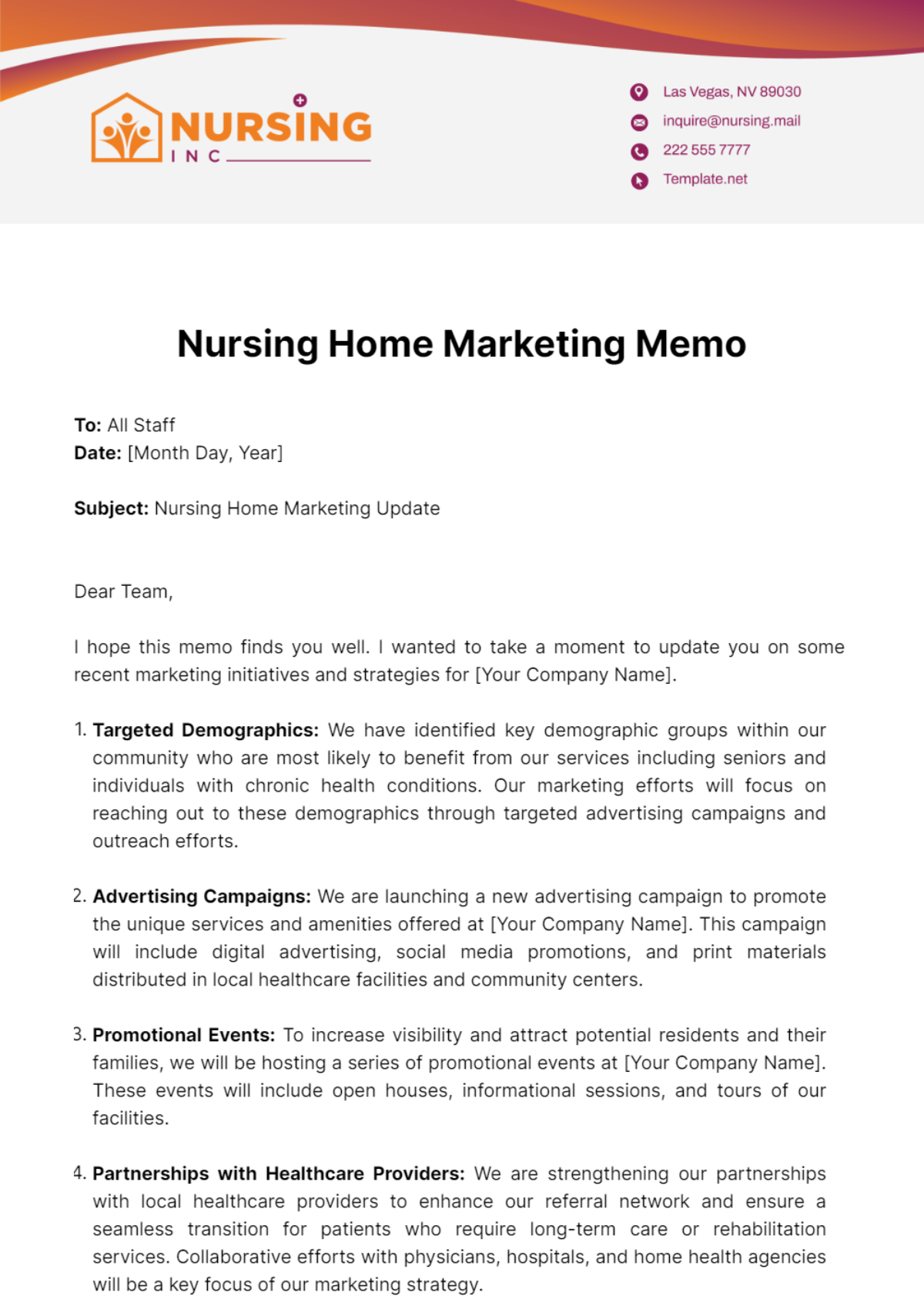
Nursing Home Marketing Memo Template
Source: Template.net
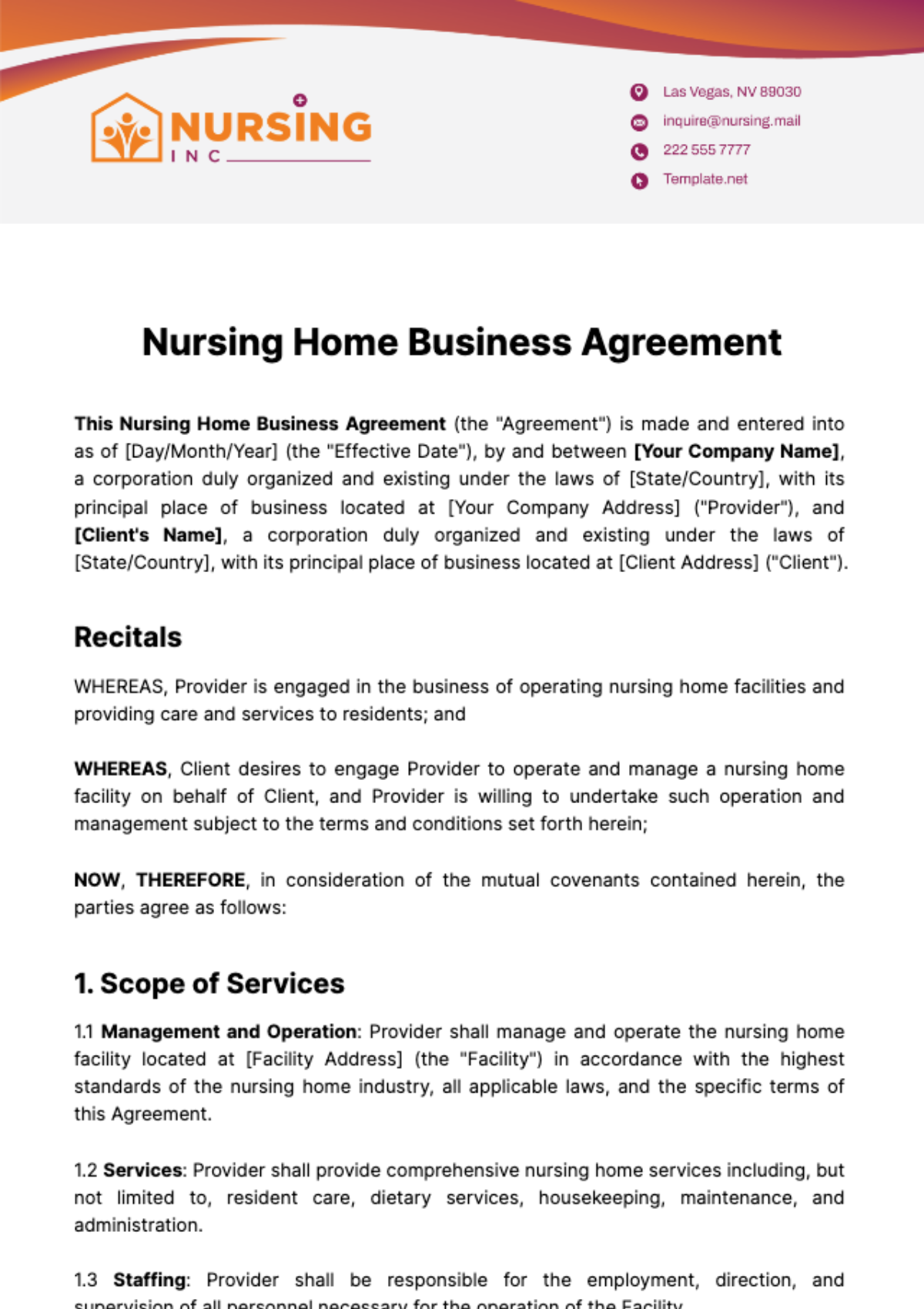
Nursing Home Business Agreement Template
Source: Template.net
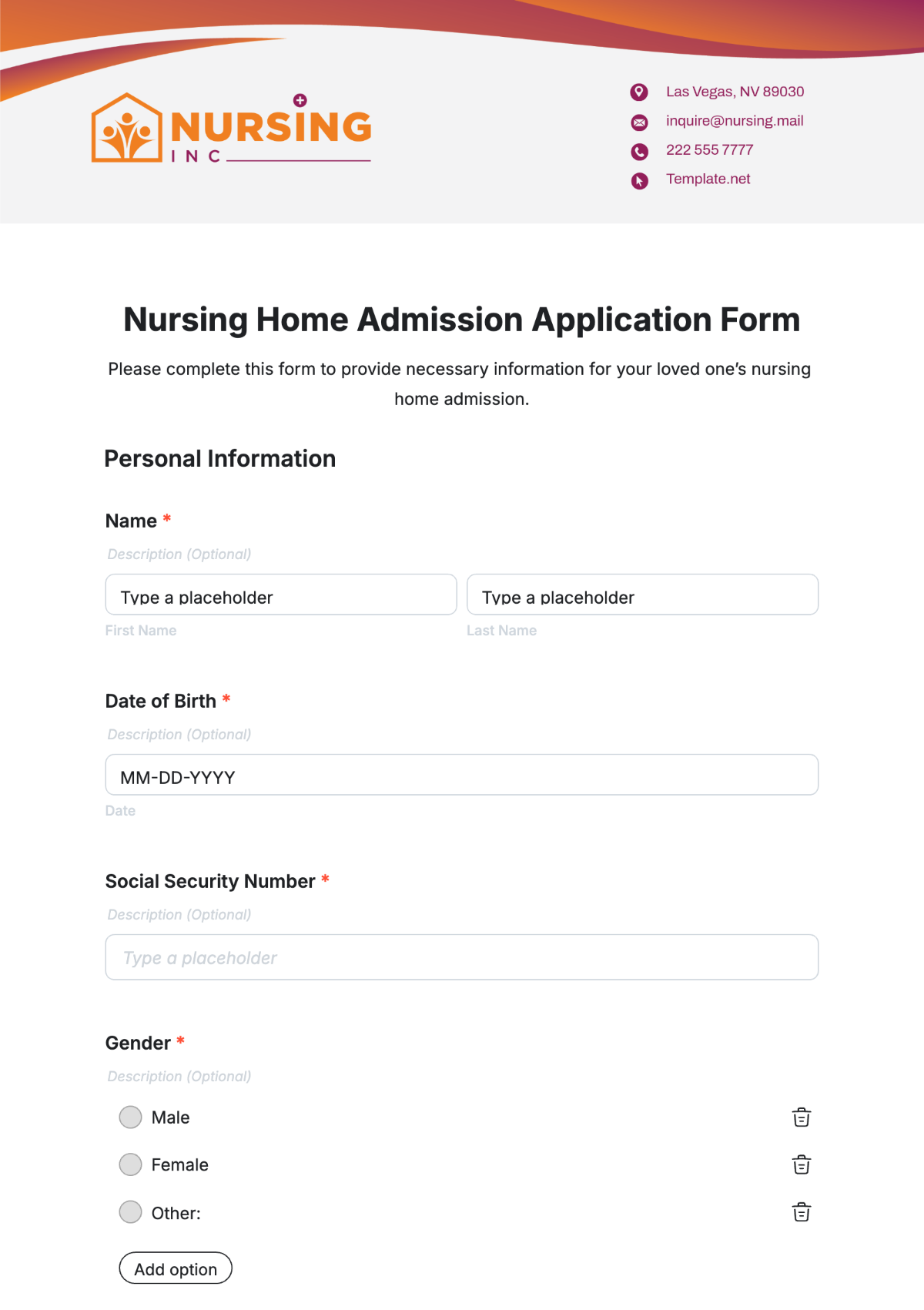
Nursing Home Admission Application Form Template
Source: Template.net
