A marketing meeting letter Template is useful when a business needs to invite clients, employees, partners, vendors, or other stakeholders to a discussion about campaigns, strategy, promotions, market performance, events, or upcoming initiatives. A well-structured letter does more than announce a meeting. It gives the recipient enough context to understand why the meeting matters, when and where it will take place, what should be discussed, and how to respond. The strongest templates provide a repeatable structure while leaving enough room for the sender to adapt the message to the audience and purpose.
Searches for a marketing meeting letter template pdf, marketing meeting letter template word, or a printable business meeting format usually reflect a practical need: the writer wants a professional document that can be adapted quickly without overlooking essential information. At the same time, a meeting letter should not become a generic form that sounds identical for every situation. Marketing meetings often involve specific objectives, campaign materials, performance information, creative concepts, budgets, timelines, and decisions, so the invitation should establish that context before participants arrive.
This article explains how to plan, structure, personalize, and send a marketing meeting invitation in a professional way. It covers letters for clients and employees, meeting invitations connected with events, email versions, communication letters, agenda planning, response requests, formatting choices, and practical examples. The objective is not merely to provide wording, but to show how each part of the document contributes to clearer communication and better meeting preparation.
What a Marketing Meeting Letter Should Accomplish
The primary purpose of a marketing meeting letter is to establish a clear reason for bringing people together. A recipient should be able to understand the meeting objective without reading several paragraphs of background information. For example, a marketing department might need to review campaign performance, approve a promotional direction, coordinate a product launch, evaluate customer feedback, or agree on responsibilities for an upcoming event. The letter should identify the central purpose early rather than making the reader search for it.
A useful invitation also establishes practical expectations. The recipient needs the meeting date, start time, expected duration, location or virtual format, and a concise indication of the subjects that will be discussed. When preparation is required, the letter can mention relevant reports, campaign drafts, sales information, creative concepts, or other materials. This approach makes the invitation part of the meeting process rather than treating it as a simple calendar notification.
The tone should reflect the relationship between the sender and recipient. A letter to an important client may need a more polished and personalized opening, while an internal message to the marketing team can be more direct. The same principle applies to hierarchy and formality. An invitation to executives should emphasize decisions and strategic objectives, whereas an invitation to operational staff may focus more heavily on responsibilities, deadlines, and preparation.
Essential Parts of a Marketing Meeting Letter
A professional meeting letter normally begins with sender information, the date, recipient information, and a clear subject line. A company letterhead can establish identity when the document is intended for formal business correspondence. The subject should communicate the purpose in a few words, such as “Invitation to Marketing Strategy Meeting” or “Campaign Review Meeting Invitation.” A descriptive subject is more useful than a vague heading such as “Meeting Notice.”
The opening paragraph should identify the reason for the invitation. A direct sentence such as “We are writing to invite you to a meeting to review the upcoming product campaign” immediately establishes context. The following paragraph can provide the essential meeting details, including date, time, location, duration, and participants where appropriate. If the meeting is virtual, identify the meeting platform or access instructions through the normal communication channel used by the organization.
The agenda should be concise. A long list of every possible discussion point can make an invitation harder to read, while an overly vague agenda leaves participants unprepared. Three to five major topics are often enough for a standard invitation, with supporting documents handled separately when necessary. The closing should tell recipients how to confirm attendance, submit questions, propose agenda additions, or notify the organizer that they cannot attend.
- Sender details: company, department, sender name, position, and contact information.
- Date and subject: the date of the letter and a concise meeting subject.
- Recipient: the individual, team, client, or stakeholder being invited.
- Purpose: the reason the meeting is being organized.
- Meeting details: date, time, duration, location, and format.
- Agenda: the main topics, decisions, or questions to be discussed.
- Preparation: reports, campaign drafts, figures, or other material participants should review.
- Response request: confirmation instructions, deadline, or contact information.
- Closing: a professional expression of appreciation and anticipation of participation.
Choosing the Right Format for the Audience
The best format depends on who will receive the message and how formal the meeting is. A formal letter can be appropriate for external clients, senior stakeholders, business partners, or meetings where the invitation needs to function as a professional record. A shorter email may be more efficient for an internal marketing team or an established client relationship. The underlying content can remain similar even when the presentation changes.
A marketing meeting letter template for clients should emphasize relevance to the client’s goals. Instead of describing internal marketing processes in detail, the invitation can explain what the client will gain from the discussion, what decisions are needed, and what information would be useful before the meeting. Personalization matters because clients are more likely to engage when the invitation demonstrates awareness of their business context.
A marketing meeting letter template for employees can be more operational. It may identify campaign responsibilities, review tasks, performance objectives, upcoming deadlines, and required preparation. The message can also distinguish between attendees who need to participate actively and those who only need to receive an update. This prevents unnecessary attendance and helps the organizer build a more focused meeting.
How to Write a Marketing Meeting Invitation Step by Step
1. Define the meeting objective
Start by writing the objective in one sentence before drafting the letter. The objective should describe the outcome the meeting is intended to achieve. “Discuss marketing” is too broad because it does not indicate what participants should accomplish. “Review the proposed launch campaign and approve the next production stage” is more useful because it establishes a concrete direction.
A clear objective also helps determine who should attend. If the meeting concerns creative approval, the necessary participants may differ from those required for a budget review. If the objective is to coordinate a public event, representatives from marketing, operations, sales, communications, and event management may need to participate. Defining the objective first therefore improves both the invitation and the attendee list.
Once the objective is clear, use it to filter the agenda. Every major agenda item should contribute to the meeting’s intended outcome. If a topic does not support that outcome, it may belong in another meeting or in an asynchronous update. This discipline keeps the invitation concise and gives recipients a realistic picture of what the meeting will accomplish.

2. Select the right recipients
Recipient selection is especially important in marketing because campaigns often cross departmental boundaries. The organizer should consider who owns the decisions, who supplies necessary information, who is responsible for implementation, and who will be affected by the outcome. A meeting becomes less effective when participants are included simply because they are loosely connected to the project.
For a client meeting, identify the people who have authority to provide feedback or approve a direction. For an internal meeting, include team members who need to make decisions or complete follow-up tasks. If senior stakeholders are invited, the letter should make the strategic purpose clear enough for them to understand why their attendance is valuable.
The invitation can also state whether recipients should bring particular materials or prepare questions in advance. This is particularly useful when the meeting involves campaign performance, advertising concepts, budget allocation, market research, or launch planning. Preparation instructions should be specific rather than relying on a general request to “come prepared.”
3. Provide complete meeting details
A meeting invitation should answer the basic logistical questions without requiring the recipient to contact the organizer for information. Include the date, start time, expected end time or duration, and location. For a virtual meeting, provide the relevant access information through the organization’s established communication process. If the meeting involves multiple time zones, identify the time zone explicitly.
Location details should be precise enough for external attendees to find the meeting without confusion. A client invitation might include a building name, meeting room, or reception instructions. For an internal meeting, the room name may be sufficient. If the venue is unfamiliar or the meeting includes visitors, additional arrival information can improve the experience.
Timing also affects the quality of the meeting. The organizer should estimate a realistic duration based on the agenda rather than assigning an arbitrary period. If the discussion requires several decisions, allocating adequate time can prevent rushed conclusions. Including the expected duration in the invitation also helps recipients manage their schedules and arrive with the appropriate expectations.
Writing the Agenda and Preparation Section
A good agenda tells participants what will happen without turning the invitation into a complete meeting script. For a marketing strategy discussion, the agenda might include campaign objectives, target audience, channel strategy, creative direction, performance indicators, budget considerations, and next steps. For a client review, it could focus on results, observations, recommendations, decisions required, and the timeline for implementation.
Agenda items become more useful when they indicate the type of discussion expected. “Campaign performance” identifies a topic, but “Review campaign performance and agree on optimization priorities” gives participants a clearer purpose. The second formulation also helps the organizer distinguish between an information-sharing item and a decision-making item.
Preparation requirements should be connected to the agenda. If performance is being reviewed, participants may need the latest campaign report. If creative direction is being discussed, they may need to review proposed concepts beforehand. If an event is being planned, participants may need the current schedule, budget assumptions, venue information, or promotional timeline. The invitation should explain what needs attention before the meeting rather than simply attaching material without context.
Using a Letter for Different Marketing Situations
A marketing letter template for event can be adapted when the meeting concerns an upcoming conference, product launch, promotional gathering, customer event, exhibition, or other organized activity. The invitation should clarify the event objective and identify the planning decisions that need attention. Because event work often involves multiple deadlines, it can be useful to mention critical milestones directly in the agenda.
When the purpose is relationship development, the document can function as a letter for a meeting with a prospective partner or client. In that situation, avoid making the invitation sound like a sales pitch unless selling is genuinely part of the meeting. A stronger approach is to explain the shared purpose, identify the subjects to be explored, and show respect for the recipient’s time.
A sample communication letter for a meeting can also be useful as a reference when an organization is trying to standardize its internal correspondence. However, the sample should be treated as a framework rather than a script. The most effective communication changes according to the recipient, purpose, relationship, level of formality, and decisions expected during the meeting.

Adapting the Letter for Clients
Client-facing meeting invitations should be respectful, concise, and outcome-oriented. The recipient should quickly understand why the meeting deserves time on their schedule. Instead of focusing on internal terminology, describe the discussion in terms of campaign goals, business priorities, customer response, performance, or decisions that affect the client.
Personalization is particularly valuable in client communication. Use the recipient’s correct name, organization, and relevant project reference. If the meeting follows a previous discussion, briefly connect the invitation to that context. For example, the letter can state that the meeting follows the client’s feedback on a proposed campaign and will focus on refining the next version.
A client invitation should also avoid ambiguity about the desired outcome. If the meeting is intended to obtain approval, say so. If it is exploratory, describe the areas that will be considered. If the goal is to review results and identify improvements, say that directly. Clear expectations reduce the risk of participants arriving with different assumptions.

Adapting the Letter for Employees
Internal marketing meetings often require a different balance between context and operational detail. Employees may already understand the project, so the invitation can focus on decisions, deadlines, responsibilities, and information that has changed since the previous discussion. A short but precise message is often more useful than repeating background information the team already knows.
The invitation can identify preparation by role. A content specialist might need to bring a proposed editorial calendar, while a performance marketer might need to prepare campaign metrics. A designer might need to present creative options, while a project coordinator may need to confirm the production timeline. Specific expectations make the meeting more productive because participants know what contribution is expected from them.
An internal invitation can also make the meeting structure visible. For example, a 60-minute session could allocate time to reviewing current performance, discussing campaign priorities, resolving open issues, and confirming owners for the next actions. This gives employees a practical framework and makes it easier to determine whether a topic belongs in the meeting.
Email and Digital Versions of the Same Letter
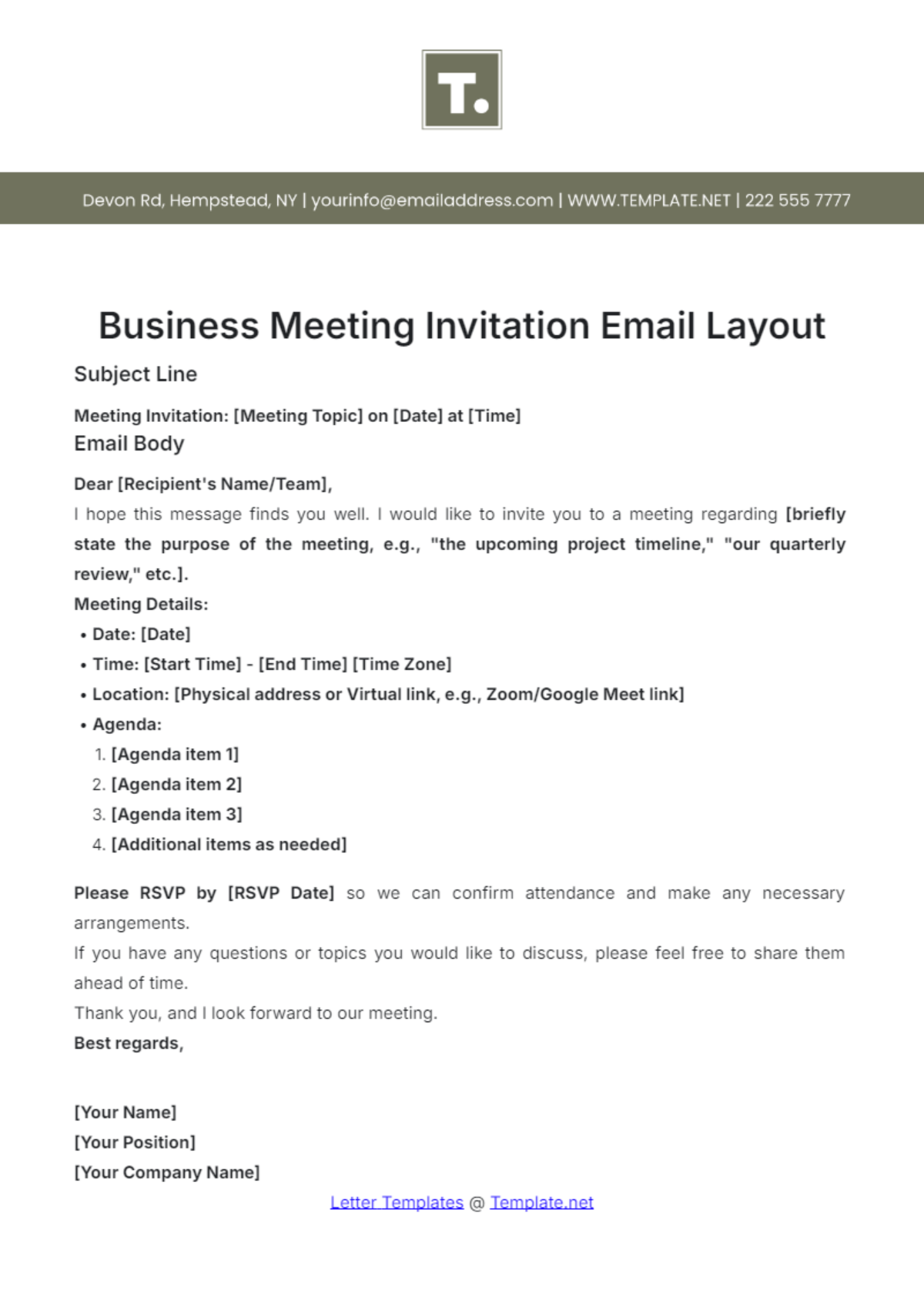
An email template for meeting can use the same information as a formal letter but present it more compactly. The subject line becomes especially important because it should communicate the purpose, not merely announce that a meeting exists. A useful subject might identify the project and objective, followed by the date if appropriate.
A practical email structure is simple: greeting, reason for the meeting, meeting details, agenda, preparation requirements, response request, and closing. The message should remain readable on a smaller screen, so long paragraphs can be replaced with concise sections or bullet points. The organizer should still provide enough context for the recipient to understand the value of attending.
A communication letter for meeting can therefore exist in several formats without changing its core purpose. The same underlying information may appear in a formal letter, email, internal notice, or calendar invitation. Consistency matters more than forcing every channel to use identical wording. Each format should preserve the essential facts and the intended outcome.
PDF and Word Formats: What to Consider
People searching for a marketing meeting letter template pdf often want a fixed document that can be reviewed, printed, or circulated without changing its layout. PDF can be useful when visual consistency matters, particularly for formal external correspondence. The sender should still verify the final text, recipient information, date, and meeting details before distributing the document.
A marketing meeting letter template word format is generally more convenient when the document will be edited repeatedly for different recipients or meetings. A word-processing format can make it easier to update names, dates, agenda items, branding, and contact details. The choice should be based on workflow rather than assuming that one format is automatically better than another.
When a business maintains several versions of a template, version control becomes important. Keep a master structure with consistent headings and standard fields, then customize a working copy for each meeting. This reduces the risk of accidentally sending an invitation with an old date, outdated contact information, or an agenda belonging to another project.

Common Mistakes to Avoid
One of the most common problems is an unclear purpose. A letter that says only “we would like to invite you to a meeting” forces the recipient to guess why attendance matters. Another problem is excessive detail before the essential information appears. The first part of the message should establish the purpose and basic logistics so that the recipient can understand the request immediately.
Another mistake is leaving out response instructions. If the organizer needs confirmation, the letter should state how and by when the recipient should respond. If attendance is mandatory, optional, or limited to certain participants, the message should make that distinction clear. Unclear response expectations can create unnecessary follow-up work.
Generic language can also weaken a marketing invitation. A template should provide structure, but it should not remove the human and business context from the message. A personalized reference to the campaign, client objective, event, or strategic decision can make the invitation much more relevant without making it unnecessarily long.
How to Make the Template More Professional
Professional formatting begins with hierarchy. The recipient should be able to distinguish the subject, purpose, meeting details, agenda, preparation requirements, and response request at a glance. Consistent spacing, headings, alignment, and typography can make a relatively simple document look organized without adding decorative elements that distract from the information.
Branding can be included through a company name, logo area, brand colors, or standard letterhead, but it should support rather than overwhelm the message. External invitations benefit from a recognizable identity, while internal notices may prioritize clarity over visual design. The more important consideration is that the document remains easy to scan.
Proofreading should happen after all personalization is complete. Check the recipient’s name, company name, meeting date, time zone, location, agenda, contact information, response deadline, and attachments or referenced materials. A polished layout cannot compensate for a wrong date or incorrect meeting location.
Building a Reusable Template for a Meeting
A well-designed template for a meeting should contain fields that correspond to the information organizers repeatedly need. Useful fields include recipient, sender, subject, purpose, date, time, location, meeting format, agenda, preparation, response deadline, and contact details. These fields create consistency without forcing every meeting into exactly the same wording.
The template should also include optional sections. A client meeting may require a short background paragraph, while an internal campaign review may need a preparation checklist. An event-planning meeting might need a milestone section. Optional blocks make the structure adaptable while keeping the core invitation consistent.
After creating the structure, test it against several realistic scenarios. Consider a client campaign review, an employee planning session, a partner strategy discussion, and an event preparation meeting. If the same template can accommodate each situation with modest editing, it is probably structured effectively. If every new meeting requires rewriting most of the document, the template may be too narrow.

Practical Examples of Meeting Letter Wording
For a client campaign review, the opening might state: “We would like to invite you to a meeting to review the current campaign, discuss performance observations, and agree on the next optimization priorities.” The meeting details can then provide the date, time, location, and expected duration. The agenda might include campaign performance, audience response, creative observations, recommended changes, and next steps.
For an internal employee meeting, a more direct version could say: “The marketing team will meet to review the upcoming campaign schedule, confirm ownership of remaining tasks, and resolve outstanding production issues.” The preparation section could ask team members to review the current project timeline and bring any blockers that could affect the launch date.
For an event planning meeting, the wording might focus on coordination: “We invite you to a planning meeting for the upcoming promotional event. The session will focus on the event timeline, promotional materials, audience communication, responsibilities, and unresolved logistical decisions.” This gives participants a clear reason to attend while keeping the invitation focused on the meeting rather than the event itself.
Practical Solution
The most practical approach is to create one core marketing meeting letter structure and then maintain separate variations for clients, employees, partners, and event planning. Begin with the same foundation: sender details, date, recipient, subject, purpose, meeting information, agenda, preparation, response instructions, and closing. This provides consistency while allowing the wording and level of detail to change according to the audience.
Before sending each invitation, complete a five-step review. First, confirm that the objective is specific. Second, verify that every necessary attendee is included. Third, check the date, time, duration, location, and time zone. Fourth, make sure the agenda reflects the decisions or outcomes expected. Fifth, confirm that the recipient knows what response or preparation is required. This workflow catches many avoidable communication problems before the invitation reaches its audience.
For recurring meetings, improve the process by keeping a standard agenda structure and updating only the sections that change. For example, a monthly marketing review can consistently include performance, campaign progress, issues, upcoming priorities, and decisions. A client strategy meeting can consistently include objectives, results, recommendations, questions, and next actions. Reusable structures reduce drafting time while still allowing each invitation to remain relevant.
Finally, treat the invitation as the beginning of the meeting rather than a separate administrative task. A strong letter establishes expectations, directs preparation, clarifies the desired outcome, and gives participants enough context to contribute. When the message performs those functions well, the meeting itself can spend less time establishing basic context and more time making decisions, solving problems, and moving marketing work forward.

Reference Examples
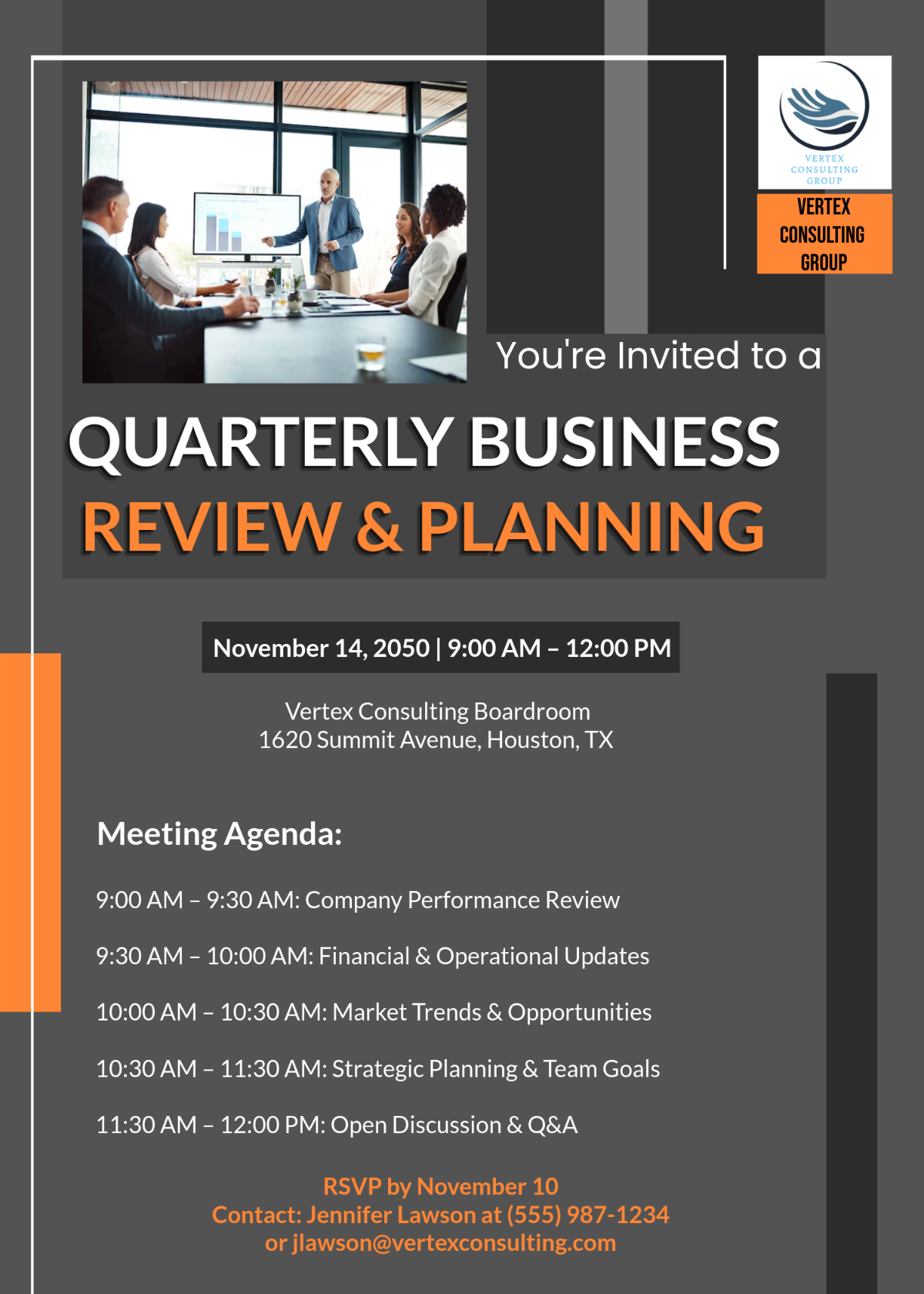
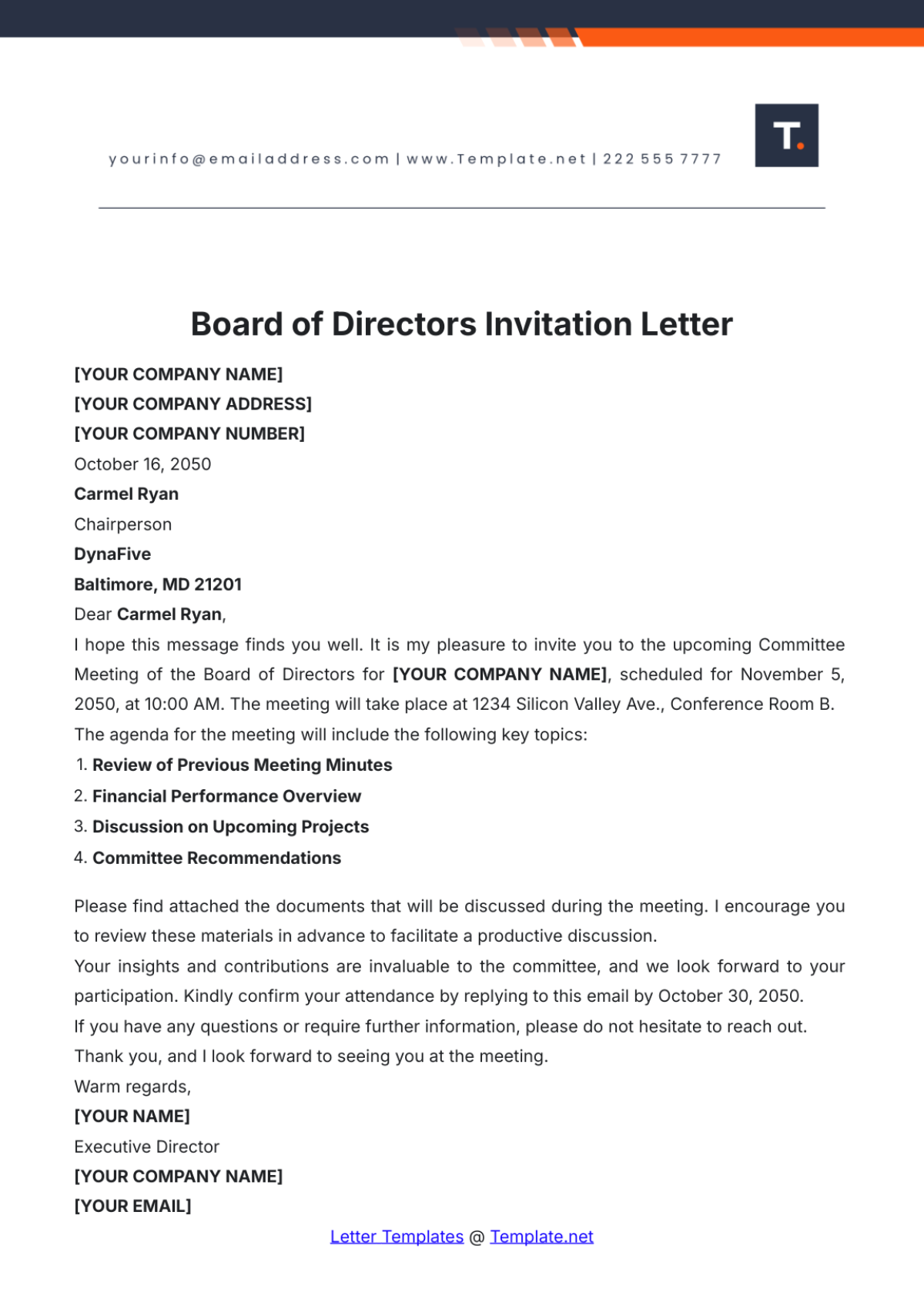
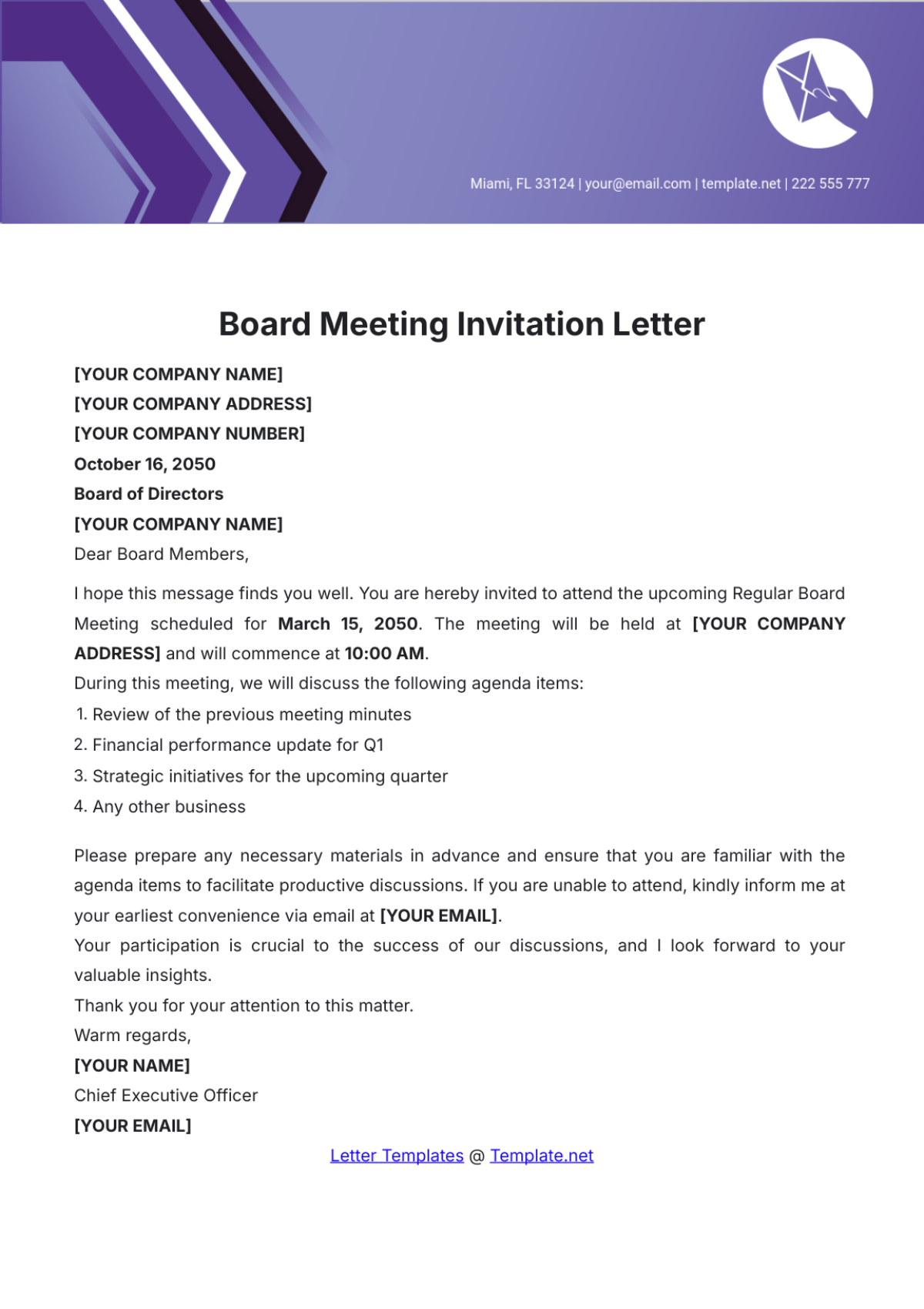
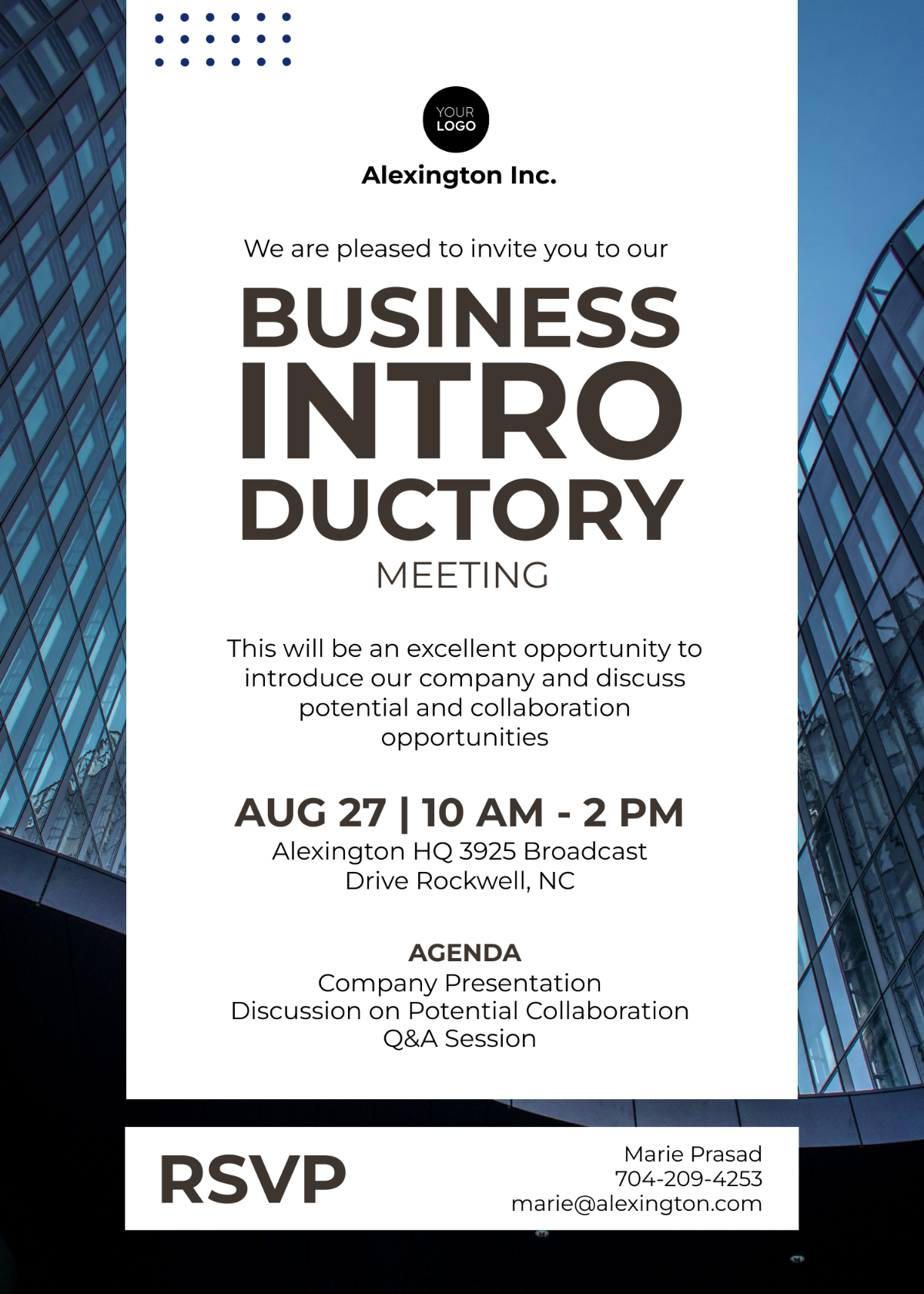
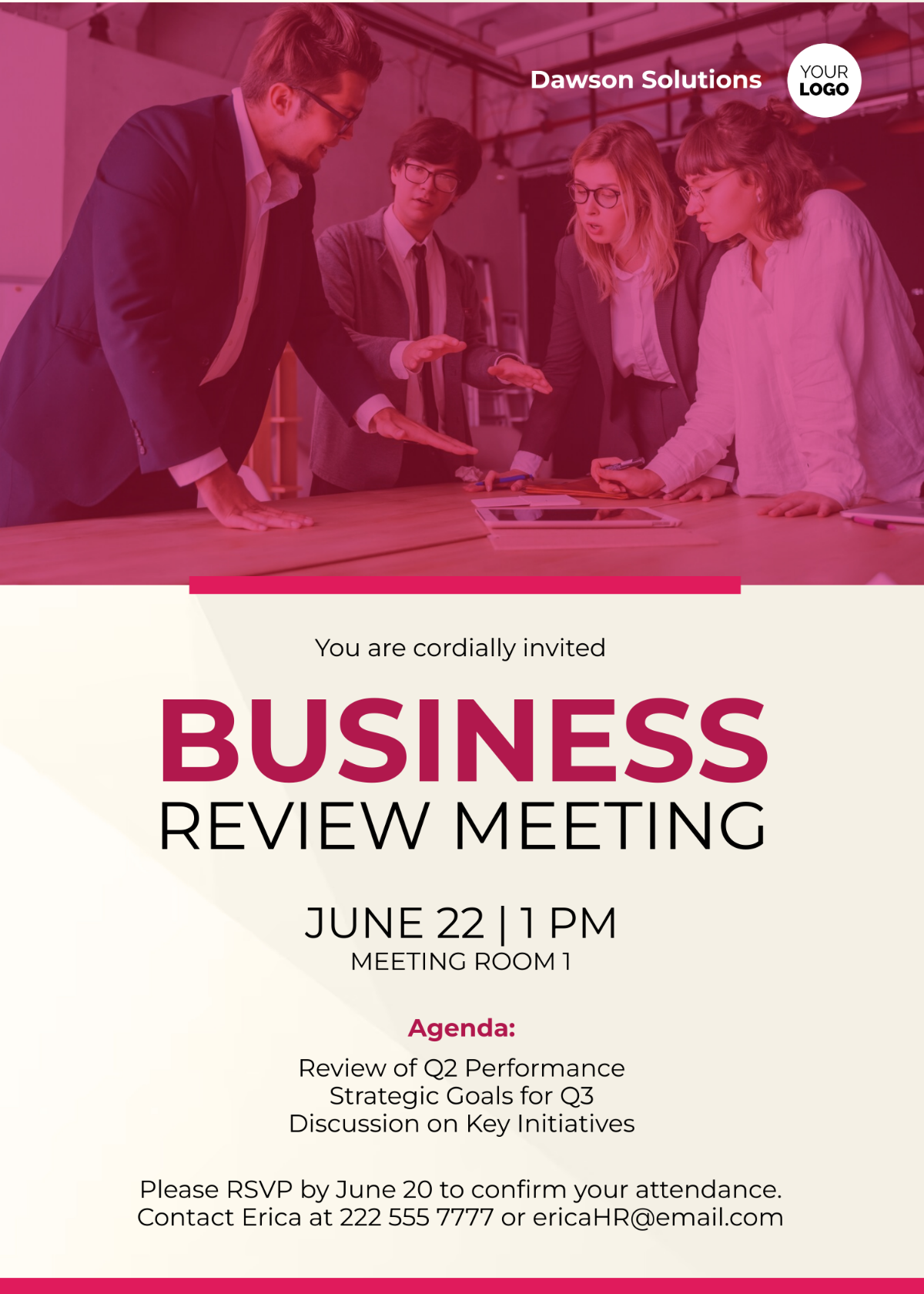
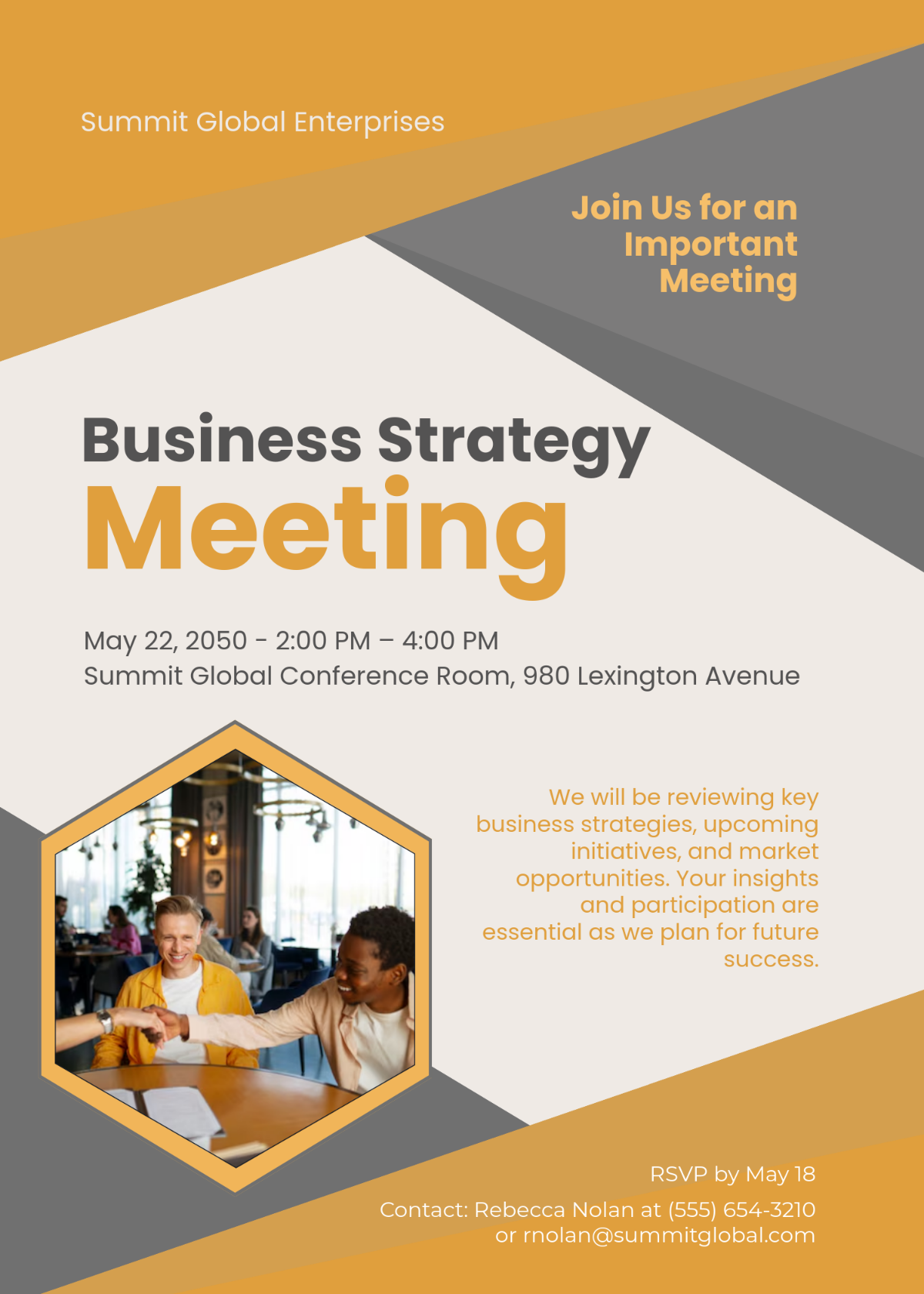
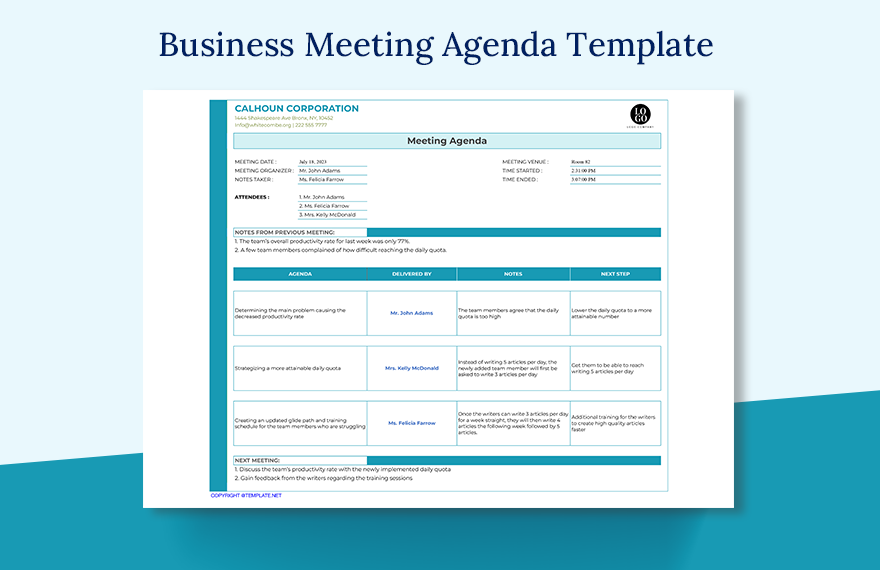
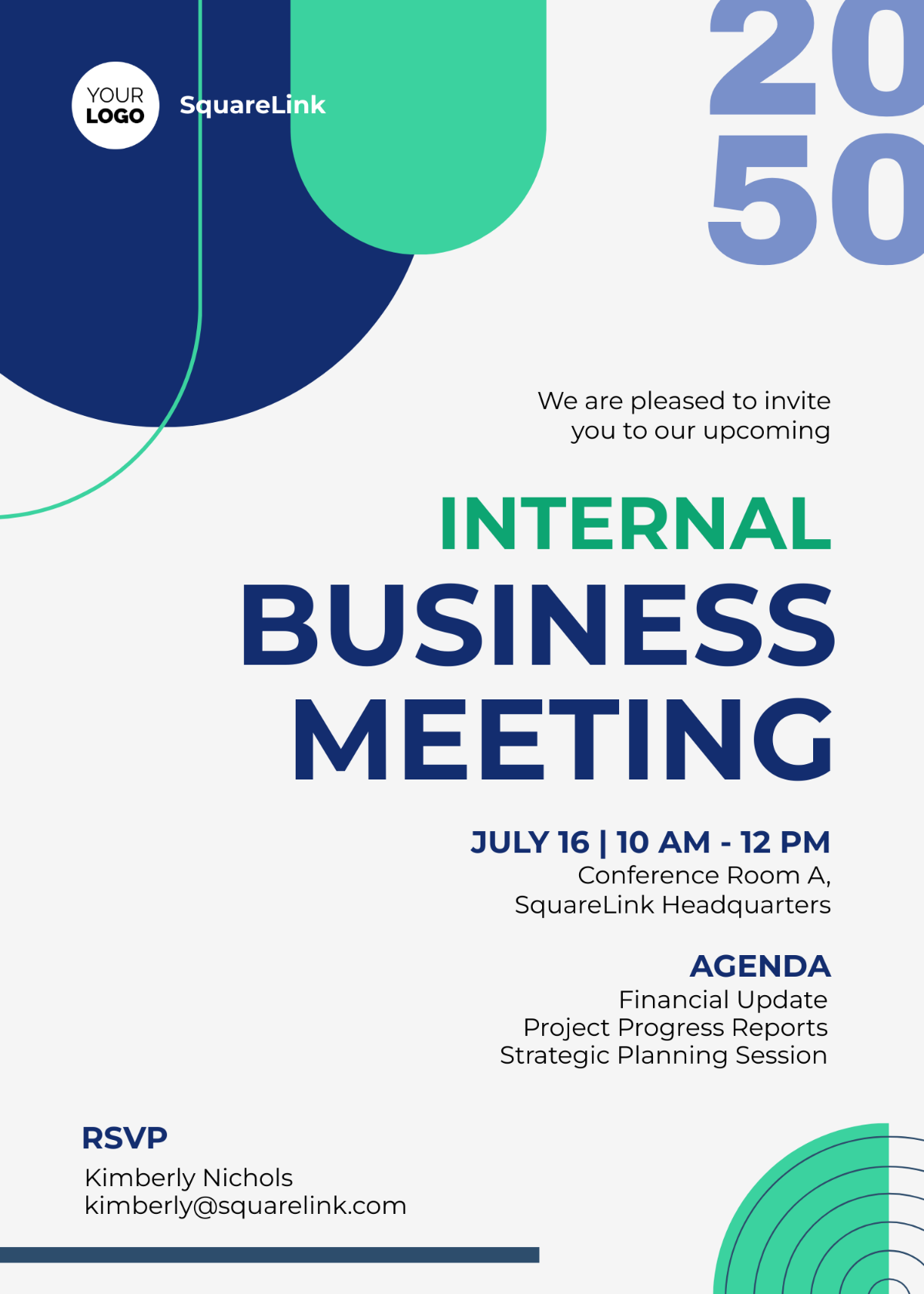
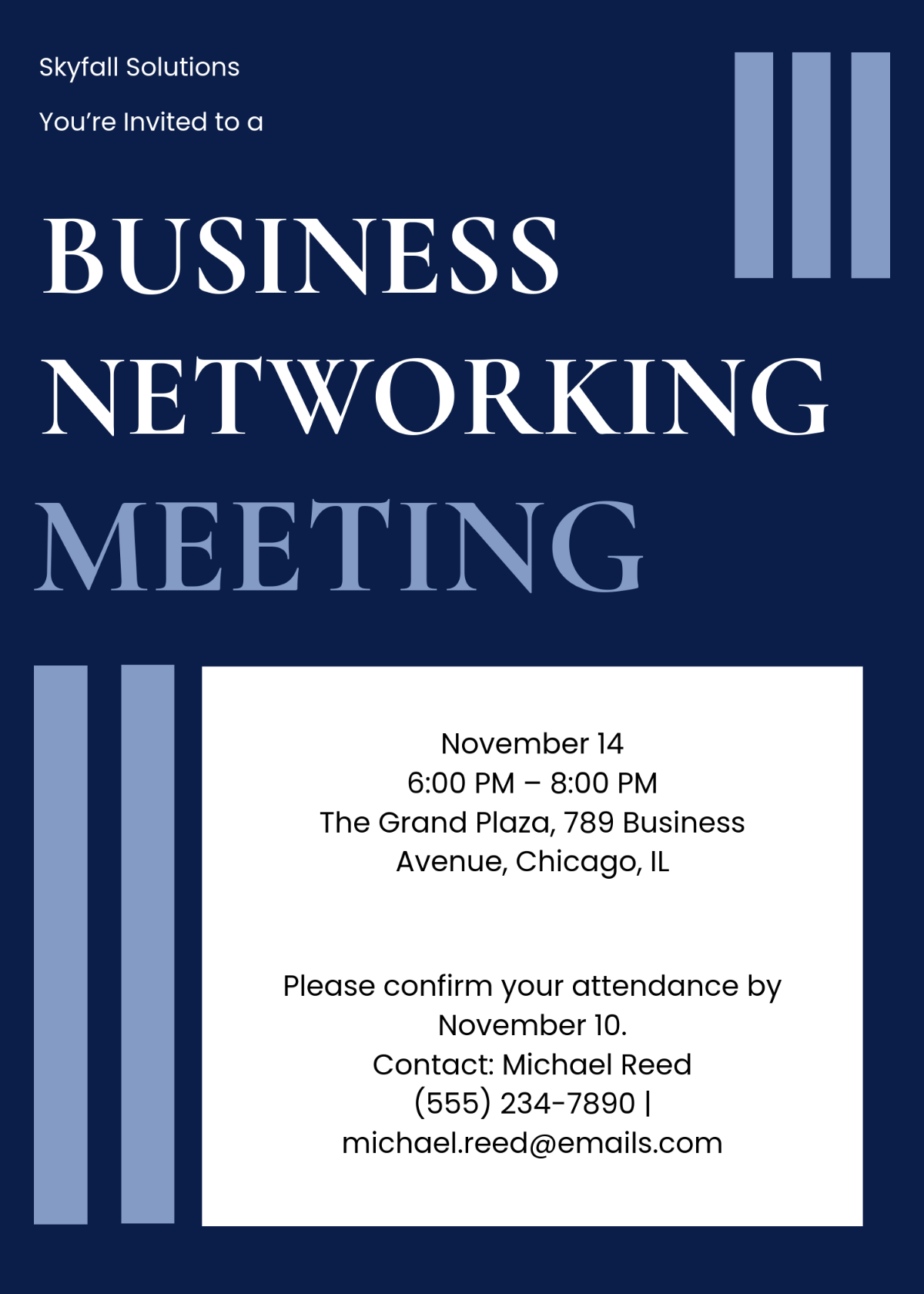
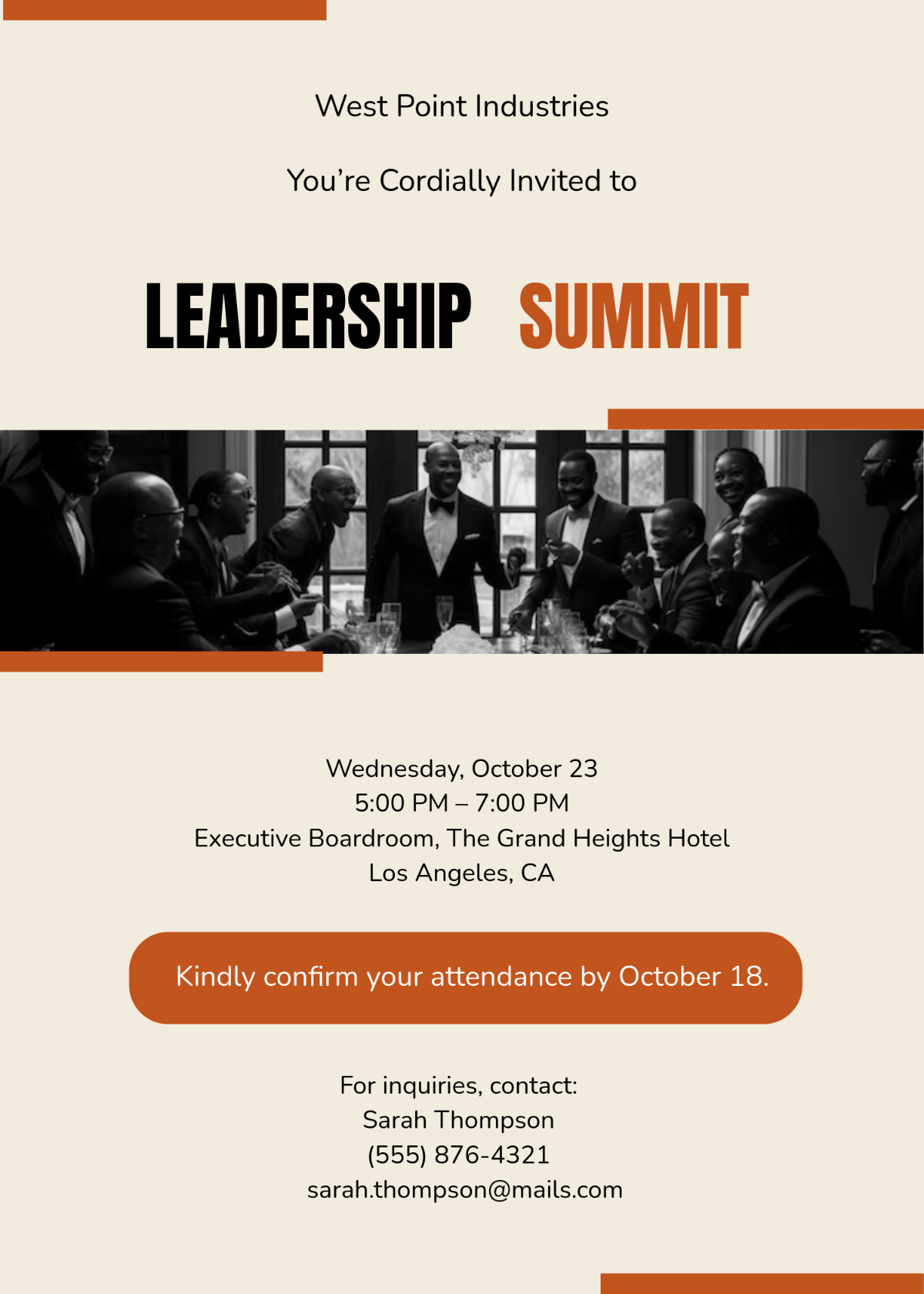
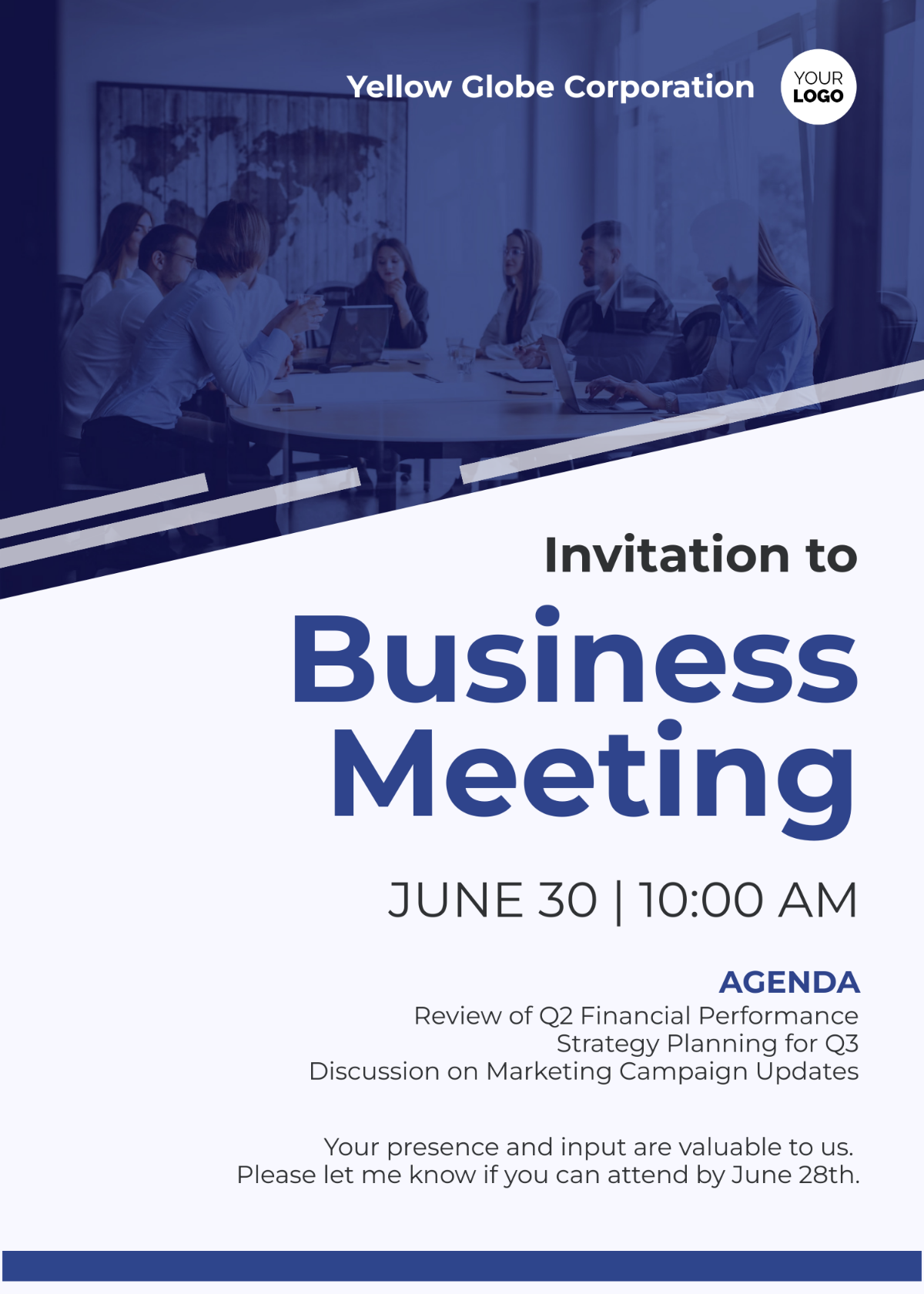
The visual references below show different ways a marketing meeting letter Template can organize information for professional communication. Some examples emphasize formal letter structure, while others use invitation-style layouts with prominent meeting dates, agenda sections, response instructions, or branded headers. Looking across these formats helps identify the recurring elements that make a meeting invitation easy to understand: a clear purpose, visible scheduling information, concise agenda language, and a recognizable sender identity. The examples also demonstrate that a useful template does not need to look complicated; effective hierarchy and accurate information are more important than decoration.
These references can help readers compare how a marketing meeting letter Template adapts to different situations. A formal letter may work well for external stakeholders, while a visually structured invitation can suit an event, strategy session, or internal planning meeting. The important lesson is to evaluate each design according to communication needs rather than choosing a format only because it looks attractive. When reviewing a reference, pay attention to the order of information, the prominence of the purpose and schedule, the space given to the agenda, and the clarity of the response request.
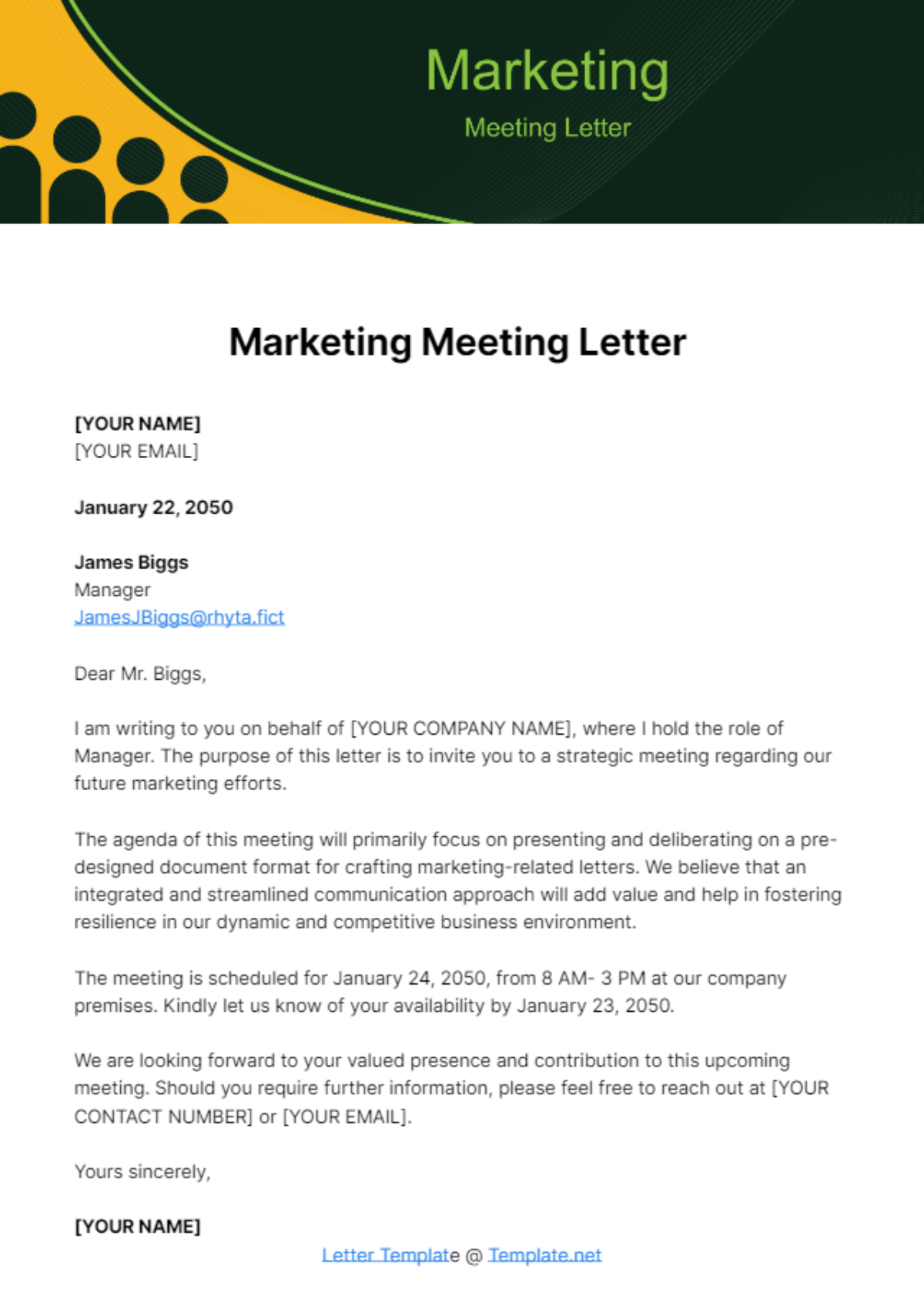
Marketing Meeting Letter Template
Source: Template.net
Business Review Meeting Invitation Template
Source: Template.net
Board Meeting Invitation Letter Template
Source: Template.net
Business Meeting Invitation Email Layout
Source: Template.net
Business Meeting Agenda Template
Source: Template.net
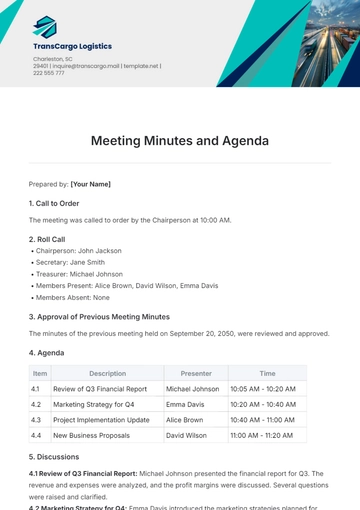
Meeting Minutes and Agenda Template
Source: Template.net
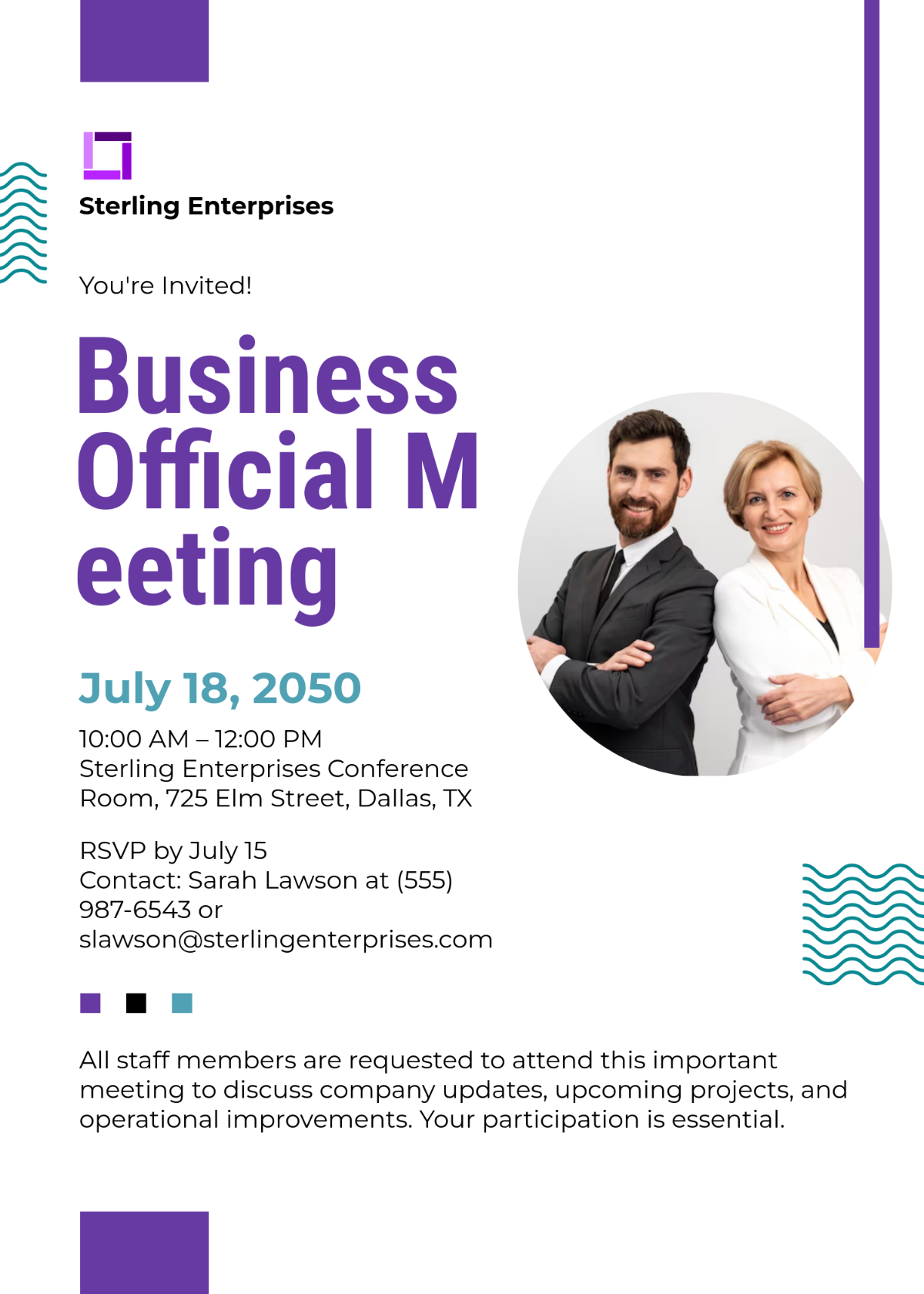
Simple Business Official Meeting Invitation Template
Source: Template.net
Business Meeting Email Invitation Template
Source: Template.net
Business Introductory Meeting Invitation Template
Source: Template.net
Gray and Gold Business Meeting Invitation Template
Source: Template.net
