Vendor contracts are more than paperwork. They establish expectations before money, inventory, customer information, intellectual property, or operational responsibilities are exchanged. Public-sector purchasing terms commonly address subjects such as scope, payment, warranties, confidentiality, intellectual property, data protection, indemnity, insurance, liability, termination, records, and dispute resolution. These categories are useful reference points for private businesses even though a government contract should not automatically be copied into a commercial agreement. :contentReference[oaicite:0]{index=0}
This guide explains how to evaluate a template, which provisions deserve the most attention, how to adapt an agreement for goods or services, how event vendors differ from ordinary suppliers, and how to move from a draft document to an executed agreement. It also explains common file formats, including Word and PDF, and shows how businesses can create a repeatable review process instead of treating every vendor contract as a one-off administrative task.
The examples throughout this article are illustrative. Contract law varies by jurisdiction, industry, transaction value, and the facts of the relationship. A template is a starting point rather than a substitute for legal advice, particularly where the agreement involves significant financial exposure, regulated information, international parties, unusual liability provisions, employment-like arrangements, or important intellectual property rights.
What Is a Vendor Agreement?
A vendor agreement is a written contract between a business and an outside party that supplies goods, services, or both. Depending on the industry, the outside party may be called a vendor, supplier, contractor, service provider, provider, or subcontractor. The terminology can differ, but the commercial purpose is similar: define the relationship clearly enough that each party understands its obligations and remedies.
A vendor agreement may govern a single project or an ongoing relationship. A retailer might use one for recurring inventory purchases, a restaurant might use one for food and equipment suppliers, a technology company might use one for cloud services, and an event organizer might use one for photographers, caterers, security teams, decorators, or temporary equipment providers.
The agreement should connect commercial expectations with enforceable contractual language. For example, saying that a vendor will provide “high-quality service” is less useful than defining the service, delivery schedule, acceptance criteria, response times, specifications, reporting requirements, or measurable service levels. Clear drafting reduces the number of assumptions that have to be resolved after a disagreement arises.
Many commercial agreements also rely on attachments such as statements of work, price schedules, product specifications, service-level schedules, order forms, insurance certificates, or data-processing terms. The main agreement should explain how those documents relate to one another so that the parties know which document controls if provisions conflict.
A practical template therefore acts as a framework. It should prompt the drafter to identify the parties, define the transaction, establish responsibilities, allocate risk, describe payment, protect confidential information, address intellectual property, explain termination, and establish procedures for disputes and notices.

Why Businesses Use Vendor Agreements
The first benefit is clarity. A purchase order may identify a product and price, while an email may discuss timing, but neither necessarily provides a complete framework for a continuing relationship. A vendor agreement can establish the broader rules that apply to multiple orders or projects.
The second benefit is consistency. When a company works with many suppliers, starting from a standard structure makes it easier for procurement, finance, operations, and management teams to understand where important terms are located. A consistent process also makes renewals and amendments easier to manage.
The third benefit is risk allocation. A contract can state who is responsible for defective goods, missed deadlines, property damage, confidentiality breaches, data incidents, third-party claims, or other specified problems. Liability should be drafted deliberately rather than left to assumptions.
The fourth benefit is operational control. The agreement can specify delivery windows, inspection procedures, acceptance standards, escalation contacts, reporting requirements, staffing expectations, service levels, or performance metrics. These details turn a general commercial promise into an operating framework.
The fifth benefit is an orderly exit. A strong agreement does not only explain how a relationship begins. It explains when either party can terminate, whether notice is required, what happens to unpaid invoices, how unfinished work is handled, how confidential information is returned, and which provisions continue after termination.

When a Vendor Agreement Is Appropriate
A formal agreement becomes especially valuable when the relationship is recurring, financially significant, operationally important, or capable of creating meaningful legal or reputational exposure. A company buying inexpensive office supplies once may not need the same contractual structure as a company outsourcing its customer support function.
Recurring suppliers are a common example. If a vendor delivers products every month, the agreement can establish pricing mechanics, minimum order quantities, lead times, quality requirements, delivery responsibilities, and procedures for rejected products. Individual purchase orders can then operate under the framework agreement.
Service relationships also benefit from clear agreements. A marketing agency, maintenance company, software provider, cleaning contractor, security company, or professional consultant may need a detailed description of deliverables and responsibilities. Service relationships are often more difficult to define than physical products because performance can depend on people, timing, judgment, and changing requirements.
High-dependency vendors deserve additional attention. If a supplier failure could stop production, interrupt customer service, expose personal data, or create safety problems, the agreement should be designed around those consequences. Business continuity, notification, backup arrangements, insurance, security, and transition assistance may become important.
A written agreement can also be useful for smaller relationships when the parties want to avoid ambiguity. The appropriate level of detail should match the transaction rather than simply making every contract longer.

Core Components of a Vendor Agreement Template for Businesses
1. Parties and Effective Date
Begin by identifying each legal party accurately. Use the correct registered business name rather than a casual trading name when the legal entity is different. Include addresses and, where useful, registration or identification details that make the parties unambiguous.
The effective date should be clear. It may be the date of the last signature, a specified calendar date, or another agreed date. If obligations begin before signature, that should be addressed rather than left to inference.
Also identify who has authority to sign. A signature block normally includes the entity name, signer’s name, title, signature, and date. The person signing should have the authority required under the organization’s internal rules and applicable law.
If the agreement uses defined terms such as “Company,” “Vendor,” “Services,” “Goods,” “Deliverables,” or “Confidential Information,” use those terms consistently. Inconsistent terminology can create unnecessary interpretation problems.
A contract review checklist from the University System of New Hampshire similarly emphasizes identifying the parties, confirming the contract description, reviewing the entire agreement, and checking referenced attachments before approval. :contentReference[oaicite:1]{index=1}

2. Scope of Goods or Services
The scope section answers the most basic question: what exactly is the vendor agreeing to provide? For products, identify specifications, quantities, standards, packaging, delivery requirements, and any approved variations.
For services, describe the work in operational terms. Identify deliverables, milestones, service locations, personnel requirements, response times, working hours, reporting obligations, and acceptance criteria where applicable.
A vague scope creates a predictable problem: each party may believe it agreed to a different outcome. The buyer may expect a completed deliverable, while the vendor may believe that a reasonable-efforts obligation was sufficient.
Use schedules or statements of work when the scope is too detailed for the main agreement. The contract should state whether the schedule forms part of the agreement and how changes are approved.
Changes should normally be documented rather than handled through informal conversations. A simple written change-order process can specify who may approve changes, how prices are adjusted, and whether a schedule extension is permitted.
3. Pricing, Invoicing, and Payment
Price is only one part of the financial section. The agreement should also explain whether pricing is fixed, variable, usage-based, milestone-based, hourly, commission-based, or subject to a published rate card.
State when invoices may be issued and what information they must contain. If the business requires purchase-order numbers, delivery evidence, timesheets, acceptance records, or tax information, say so clearly.
Payment timing should be unambiguous. Terms such as “within 30 days” should identify the event that starts the clock, such as receipt of a valid invoice, acceptance of goods, or completion of a milestone.
Consider how disputed invoices will be handled. A useful clause may allow the business to dispute a specific amount while requiring undisputed amounts to remain payable. This prevents a disagreement over one line item from automatically becoming a dispute over the entire invoice.
Also address taxes, approved expenses, currency, late-payment charges if applicable, price adjustments, credits, refunds, and overpayments where those issues matter to the relationship.

4. Delivery, Acceptance, and Performance
For physical products, define who carries responsibility for shipping, customs, insurance, unloading, inspection, and risk during transportation. The agreement should distinguish between delivery and acceptance because a product arriving at the buyer’s premises does not necessarily mean the buyer has accepted it.
Acceptance criteria can specify how quickly the buyer must inspect products, what constitutes a defect, and what happens when delivered goods do not meet specifications. Possible remedies include repair, replacement, re-performance, refund, credit, or another negotiated remedy.
For services, acceptance may depend on deliverables rather than physical inspection. A statement of work can define objective criteria that allow the customer to determine whether a milestone has been completed.
Performance obligations should be realistic. If the vendor cannot control an outcome completely, promising an absolute result may create unnecessary disputes. Conversely, a business should avoid accepting vague “best efforts” language when it needs a specific operational result.
Where service levels matter, consider measurable indicators such as response time, uptime, completion time, defect rates, delivery accuracy, or escalation procedures. The metric should be measurable using information the parties can reasonably obtain.

5. Warranties and Quality Standards
Warranties describe commitments about the condition, quality, performance, or conformity of goods or services. The exact warranty language depends heavily on the transaction.
For products, the contract may require goods to match specifications, be free from specified defects, and comply with applicable standards. For services, warranties may address professional performance, conformity with an agreed scope, or correction of defective work.
Warranty periods should be stated clearly. If the vendor must correct defects within a particular period after notification, define the process for reporting and remediation.
A business should also examine any disclaimer or limitation proposed by the vendor. A short warranty can be commercially acceptable for one transaction and inadequate for another, especially where defective performance could create downstream customer claims.
Government procurement examples commonly separate quality, warranty, acceptance, and liability concepts rather than treating them as one general promise. That separation can be useful when designing a private agreement as well. :contentReference[oaicite:2]{index=2}

6. Confidentiality and Information Handling
Vendors often receive information that is not publicly available. Examples include customer records, pricing information, product plans, technical documentation, business strategies, credentials, supplier lists, and internal procedures.
A confidentiality clause should explain what information is protected, how it may be used, who may receive it, and what happens when the relationship ends. Common exceptions may include information already public, independently developed information, information lawfully obtained from another source, or disclosures required by law.
The contract should also consider people who work for the vendor. If employees, subcontractors, consultants, or agents need access to confidential information, the vendor should have responsibility for ensuring that those people are bound by appropriate confidentiality obligations.
Data protection deserves separate consideration where personal information is involved. A general confidentiality clause does not automatically address every privacy or security obligation that may apply to the parties.
Official UK contract terms illustrate how confidentiality, data protection, intellectual property, indemnity, liability, and termination are often handled as distinct contractual topics. :contentReference[oaicite:3]{index=3}

7. Intellectual Property
Intellectual property provisions become important when a vendor creates something for the business. This can include software, designs, photographs, reports, written materials, inventions, graphics, databases, documentation, or other deliverables.
The agreement should distinguish between intellectual property that existed before the engagement and intellectual property created during it. A vendor may retain ownership of its pre-existing tools while granting the business a license to use them as part of the deliverable.
New work created specifically for the customer may be assigned to the customer, licensed to the customer, or owned by the vendor subject to a broader usage right. The appropriate model depends on the transaction.
Do not assume that paying for a deliverable automatically answers every intellectual-property question. Ownership and usage rights should be stated explicitly when they matter.
Also consider third-party materials. If the vendor uses stock assets, open-source software, licensed content, or subcontractor-created materials, the contract can require the vendor to maintain the rights necessary for the business to use the final deliverable lawfully.
8. Insurance, Indemnity, and Liability
Risk allocation is often one of the most heavily negotiated parts of a vendor agreement. The business should identify realistic risks rather than automatically accepting a generic liability clause.
Insurance requirements may include general liability, professional liability, product liability, employer-related coverage, cyber coverage, automobile insurance, or other policies depending on the work. The required coverage should match the actual risks rather than simply copying a large number from another contract.
An indemnity clause can require one party to protect the other against specified claims, losses, costs, or liabilities arising from defined events. Because indemnities can be broad, the triggering circumstances and exclusions should be reviewed carefully.
Limitation-of-liability provisions are equally important. Look for caps, exclusions, baskets, carve-outs, consequential-loss language, and special treatment of confidentiality, intellectual property, fraud, bodily injury, property damage, or other risks.
There is no universal liability structure that is appropriate for every vendor. A low-value office-supply relationship and a mission-critical technology provider can justify very different approaches.
9. Term, Renewal, and Termination
State when the agreement starts and when it ends. If it renews automatically, specify the renewal period and the notice deadline for preventing renewal.
Termination for convenience gives a party a contractual right to end the relationship without proving that the other party breached the agreement. Termination for cause generally applies to specified failures, such as material breach, nonpayment, insolvency, or serious compliance problems.
Remedy periods can be useful for curable breaches. Instead of allowing immediate termination for every problem, the contract may provide written notice and a defined period to correct the breach.
Termination consequences deserve as much attention as termination rights. The agreement should address outstanding payments, unfinished deliverables, return of property, access credentials, confidential information, customer data, licenses, transition support, and continuing obligations.
UK government terms, for example, distinguish termination from the consequences that follow termination and identify provisions that continue to operate afterward. :contentReference[oaicite:4]{index=4}

10. Dispute Resolution and Governing Law
A contract should identify the law that governs it when appropriate and establish how disputes will be handled. The parties may agree to negotiation, escalation to senior representatives, mediation, arbitration, court proceedings, or another mechanism.
The right mechanism depends on transaction value, jurisdiction, urgency, confidentiality requirements, and the nature of the relationship. A dispute clause that is overly complicated for a small local agreement can create unnecessary cost.
Notice procedures should also be practical. Identify permitted delivery methods and relevant addresses or contact points. If a party changes its address, the contract can establish how that change becomes effective.
Escalation procedures can be especially useful in continuing vendor relationships. A disagreement about one invoice or missed milestone may be easier to resolve through designated managers before either party moves toward formal proceedings.
Businesses operating across borders should take governing law and jurisdiction particularly seriously because the practical cost of enforcing rights can differ substantially between countries.
How to Build a Vendor Agreement From a Template
Step 1: Define the Commercial Relationship
Before editing the document, write a short internal description of the transaction. Identify what is being bought, why the vendor is needed, how frequently the vendor will perform, what the approximate commercial value is, and what would happen if the vendor failed.
This step prevents a common mistake: selecting a template first and discovering later that it does not fit the relationship. A service provider, manufacturer, event caterer, software company, and temporary staffing provider may all require different provisions.
Next, identify the business owner for the relationship. Someone should be responsible for confirming the scope, performance requirements, budget, renewal date, and ongoing vendor performance.
Gather supporting documents before drafting. These might include quotations, specifications, statements of work, rate cards, insurance requirements, technical requirements, purchase-order terms, or security questionnaires.
The more clearly the commercial facts are understood before drafting, the less likely it is that important assumptions will remain hidden inside generic contract language.
Step 2: Complete the Business Details
Replace every placeholder rather than assuming the document is complete. Verify company names, addresses, dates, contact details, pricing, payment terms, service descriptions, and attachment references.
Use a consistent naming convention for the vendor throughout the document. If the agreement refers to a parent company, subsidiary, or affiliate, determine whether that entity is actually a party or merely related to one of the parties.
Check every bracketed field twice. A forgotten placeholder can be more damaging than an obvious drafting error because it may survive into the signed document unnoticed.
Review all cross-references. If clause 8 refers to Schedule 2, make sure Schedule 2 exists and contains the intended information. If the contract says that a statement of work is attached, verify that the correct statement of work is actually attached.
Finally, compare the commercial information in the contract with the quote or purchase documentation. Pricing and delivery terms should not contradict one another without an intentional reason.

Step 3: Match the Template to the Vendor Risk
A standard template should be flexible enough to scale. Not every vendor requires the same degree of due diligence, insurance, security review, or legal negotiation.
Consider the vendor’s access to company systems, customer information, physical premises, intellectual property, money, regulated information, or critical operations. These factors can influence which provisions require additional attention.
For a low-risk supplier, a concise agreement may be sufficient. For a critical technology vendor, the contract may need detailed security, availability, incident notification, data handling, business continuity, service-level, and transition provisions.
Risk should also be evaluated from the vendor’s perspective. A small supplier may not be capable of accepting unlimited liability or extensive insurance requirements. Unrealistic requirements can make a contract difficult to negotiate or encourage vendors to increase prices.
A proportionate agreement is usually more useful than a very long agreement filled with provisions that neither party understands or can realistically administer.

Step 4: Review the Draft Internally
Contract review should not always be left to the legal team alone. The business owner understands the commercial requirements, finance understands payment and budget implications, procurement understands vendor processes, and security or technology teams may understand technical risks.
Create an internal review sequence that matches the agreement’s complexity. A simple vendor contract might require procurement and finance approval, while a data-intensive technology contract may also require information security, privacy, legal, and senior management review.
Use a checklist to confirm that the agreement covers its intended scope. Check parties, term, services, price, payment, delivery, acceptance, warranties, confidentiality, intellectual property, insurance, liability, termination, dispute resolution, and attachments.
Record significant negotiation points. Keeping a short explanation of why a major provision was accepted or rejected can make future renewals much easier, particularly when the people who negotiated the original agreement are no longer responsible for the vendor.
Formal review checklists commonly emphasize complete contract copies, accurate party names, dates, authorized signatories, attachments, obligations, payment terms, and duration. :contentReference[oaicite:5]{index=5}
Vendor Agreements for Different Business Situations
Goods and Product Suppliers
Product agreements should concentrate on specifications, quantity, quality, packaging, delivery, inspection, title, risk, warranties, recalls, replacement procedures, and payment. If products are subject to regulatory standards, the contract should identify the applicable requirements without making unsupported claims about what a particular regulator requires.
Forecasting provisions can be important when the vendor needs advance notice of expected demand. If forecasts are non-binding, say so. If a portion of a forecast creates a purchasing commitment, define exactly how that commitment operates.
Price-adjustment clauses should be especially clear. If prices may change because of raw-material costs, exchange rates, tariffs, or other factors, identify the trigger and notice process rather than leaving the adjustment mechanism open-ended.
For international supply chains, customs responsibilities, shipping documents, import obligations, and delivery terms may need additional attention. The parties should know who bears the relevant cost and operational responsibility.
Product relationships also benefit from a clear process for defective or non-conforming goods. The agreement can specify notification periods, inspection procedures, return logistics, replacement obligations, and credits.
Professional and Ongoing Services
Service agreements need particularly precise scope language because services are often intangible. A cleaning company, marketing agency, software consultant, accountant, designer, maintenance contractor, and security provider may all perform services, but the contractual structure should reflect the actual work.
Use statements of work for project-specific details. The main agreement can contain reusable legal and commercial terms, while the statement of work identifies deliverables, milestones, personnel, schedule, and project pricing.
Where personnel matter, define whether the vendor must provide specific key individuals, equivalent personnel, background checks, training, licenses, or qualifications. Avoid creating unintended employment relationships through poorly drafted operational language.
Service levels can be useful where timing matters. For example, an IT provider might have response categories for critical, high, medium, and low-priority incidents. A maintenance contractor might have arrival windows for urgent repairs.
The agreement should also establish how additional services are approved. Without a change process, a vendor may perform extra work and later argue that the customer implicitly authorized it.

Event Vendors
An event relationship is often time-sensitive. Unlike a normal recurring supplier, an event vendor may have one fixed date when failure cannot easily be corrected afterward.
An event contract should therefore identify the event date, venue, arrival time, setup deadline, service window, teardown responsibilities, equipment requirements, contact persons, and cancellation procedures.
For caterers, clarify menu specifications, guest-count assumptions, dietary requirements, service staffing, equipment, deposits, final-count deadlines, and procedures for changes. For entertainment providers, define performance duration, technical requirements, cancellation rights, and replacement arrangements.
For photographers and videographers, intellectual-property and usage rights deserve particular attention. The parties should understand what content is delivered, when it is delivered, who may use it, and whether the vendor can display the work publicly.
Insurance, venue rules, safety obligations, permits, subcontractors, and contingency arrangements can also matter. The appropriate provisions depend on the event and local requirements.
Word, PDF, and Editable Vendor Agreement Formats
Working With Microsoft Word
Word is often convenient during drafting because teams can edit clauses, use tracked changes, insert comments, compare versions, and collaborate on revisions. It is particularly useful when the vendor is expected to negotiate wording.
A Word file should still be treated as a controlled document. Use a clear file name, maintain version numbers or dates, and avoid sending multiple uncontrolled copies to different people.
Before signature, review the final version rather than assuming the last edited Word file is correct. Changes can be made during negotiations that affect exhibits, pricing tables, or referenced schedules.
Once the agreement is final, businesses often convert it to PDF for execution and recordkeeping. The signed version should be stored in a location where authorized users can retrieve it later.
Templates designed for Word can be useful starting points, but editable formatting should never be confused with legal suitability. The text still needs to fit the actual transaction and governing jurisdiction.
Working With PDF
PDF is useful when the parties want a stable representation of the final agreement. It helps preserve the appearance of the document across devices and reduces the risk that someone accidentally edits the text after approval.
A PDF should not be treated as proof that an agreement is complete. Check that every page is present, attachments are included, signature blocks are correct, and the final version corresponds to the negotiated text.
For electronic signing, the signing platform may add an audit trail or completion certificate. Keep the completed agreement and any associated evidence together according to the company’s document-retention process.
If a vendor sends a PDF for signature, compare it with the negotiated version before signing. Do not rely solely on the file name because a file can be renamed without changing its content.
When businesses search for a PDF template, they should distinguish between a genuine editable resource, a sample document intended only for reference, and an actual legal form prepared for a particular jurisdiction or transaction.
How to Review a Vendor Contract Before Signing
Commercial Review
Start by confirming that the agreement reflects the deal the business actually negotiated. Check the scope, price, quantity, schedule, payment terms, renewal period, and responsibilities.
Then ask whether the agreement contains hidden commercial commitments. Examples include minimum purchase quantities, automatic renewals, exclusivity, minimum spend, mandatory support packages, price increases, or fees triggered by cancellation.
Review the schedules and exhibits with the same care as the main agreement. A pricing schedule or statement of work can be just as commercially important as the body of the contract.
Check whether the business can realistically perform its own obligations. A customer may negotiate favorable vendor obligations while accidentally accepting a deadline or dependency that its own team cannot meet.
Finally, identify any material mismatch between the business arrangement and the written contract. If the sales team promised one thing and the legal document says another, resolve the discrepancy before signature.
Legal and Risk Review
Review the liability cap and ask what it actually covers. A low overall cap may be acceptable for one relationship but inadequate if the vendor has access to sensitive information or performs a critical function.
Check indemnities separately from ordinary liability. Determine which claims trigger the indemnity, whether the obligation is mutual or one-sided, and whether there are procedures for handling third-party claims.
Review confidentiality, data protection, intellectual property, subcontracting, insurance, compliance, and termination provisions. These areas often create obligations that remain relevant long after a dispute over price has been resolved.
Examine automatic renewal language carefully. Confirm how much notice must be given and how notice must be delivered. A renewal date should be tracked operationally rather than left buried in the contract.
For high-value or high-risk contracts, professional legal review is sensible. A template can help organize the issues, but it cannot know every fact that could affect the legal outcome.
Common Vendor Agreement Mistakes
One common mistake is copying a template without adapting it. A generic document can contain irrelevant provisions or omit terms that are essential to the particular relationship.
Another mistake is using vague scope language. If the parties cannot explain what successful performance looks like, a dispute may arise even when everyone acted in good faith.
Businesses also sometimes focus heavily on price while overlooking renewal, termination, liability, data, intellectual property, or delivery provisions. The cheapest vendor can become expensive if the contract creates unexpected operational exposure.
Another frequent problem is failing to manage attachments. If a contract refers to an exhibit that was never attached, the parties may later disagree about what was actually included in the deal.
Finally, businesses sometimes store only an unsigned draft. The executed agreement should be preserved with the final exhibits, amendments, and relevant completion records so that the organization can establish exactly what terms were accepted.
Best Practices for Managing Vendor Agreements
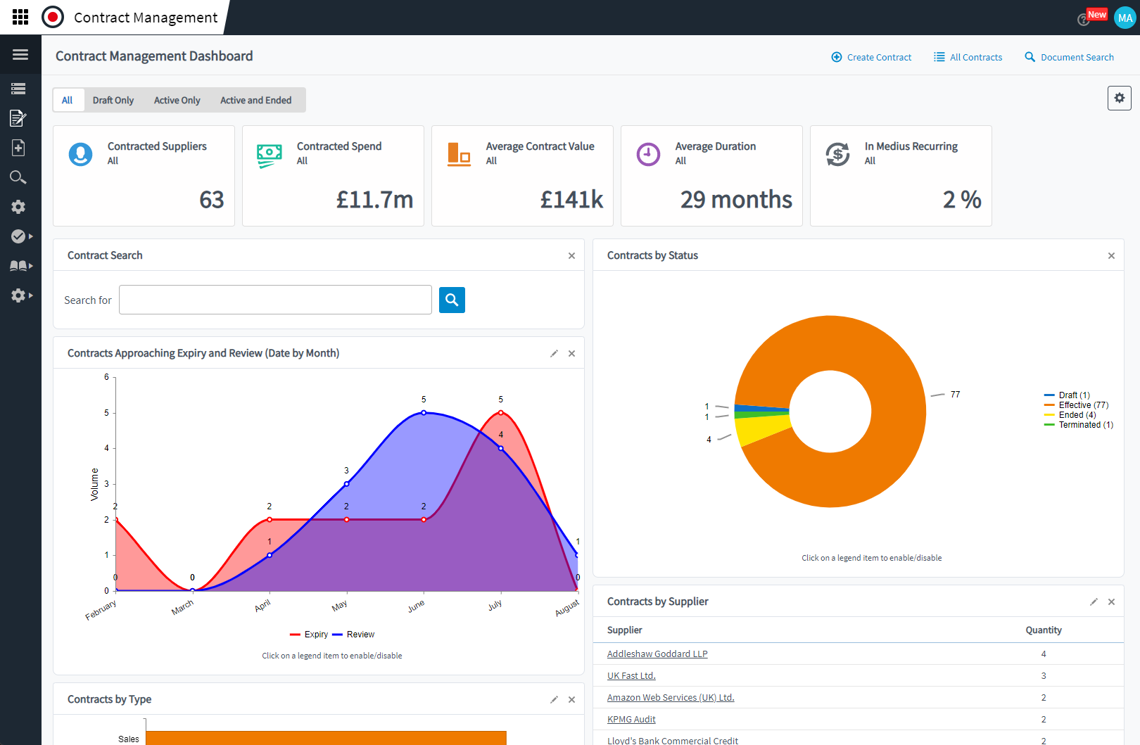
Maintain a central contract register. At minimum, the register can record vendor name, contract type, owner, effective date, expiration date, renewal date, contract value, and storage location.
Calendar important dates. Renewal notices, price reviews, insurance expirations, certifications, performance reviews, and termination deadlines should not depend on someone remembering to check a PDF.
Use standardized templates for repeatable relationships while maintaining controlled exceptions. The purpose of standardization is not to prevent negotiation; it is to give the organization a known starting position.
Track amendments. If the scope or price changes, record the change in a formal amendment or other agreed mechanism rather than allowing a long chain of informal emails to become the de facto contract.
Review important vendors periodically. Contract management should continue after signature because performance, pricing, organizational ownership, and risk can change during the life of the relationship.
Practical Solution: A Repeatable Vendor Contract Workflow
For most businesses, the most practical solution is to turn vendor contracting into a repeatable workflow. Start with an intake form that identifies the vendor, business owner, purpose, expected value, scope, start date, renewal requirements, data access, and major operational dependencies.
Next, select the appropriate agreement structure. A recurring supplier may use a master vendor agreement with purchase orders. A project-based consultant may need a master agreement plus a statement of work. An event vendor may require a date-specific contract with cancellation and contingency provisions.
Complete the template using verified commercial information. Have the business owner confirm the scope and pricing, while the relevant finance, security, procurement, or legal reviewers confirm their areas. The agreement should not proceed to signature while material placeholders or unresolved inconsistencies remain.
After approval, produce a final execution copy and compare it against the negotiated version. Confirm that exhibits are present, signature blocks are correct, and all agreed changes have been incorporated. Then obtain signatures through an appropriate execution process and preserve the completed agreement.
Finally, move the agreement into contract management. Record the renewal date, notice period, responsible owner, key obligations, insurance requirements, performance milestones, and other dates that require action. This turns a static contract into an operational tool.
A Simple Internal Approval Checklist
Confirm the legal names of both parties and verify that the people signing have appropriate authority. Confirm the effective date, contract duration, renewal provisions, and notice requirements.
Confirm the scope of goods or services and make sure all deliverables, specifications, schedules, and performance requirements are understandable. Verify that every referenced exhibit is attached or otherwise incorporated correctly.
Confirm the commercial terms, including price, taxes, invoicing, payment timing, expenses, deposits, credits, price adjustments, and any minimum commitments.
Review risk provisions, including confidentiality, data protection, intellectual property, insurance, indemnity, liability limits, subcontracting, compliance, and dispute resolution. Flag provisions that fall outside the organization’s normal risk position.
Confirm the exit plan. The agreement should provide a workable process for termination, return of information and property, payment of outstanding amounts, completion or transfer of work, and handling of obligations that survive termination.
Reference Examples
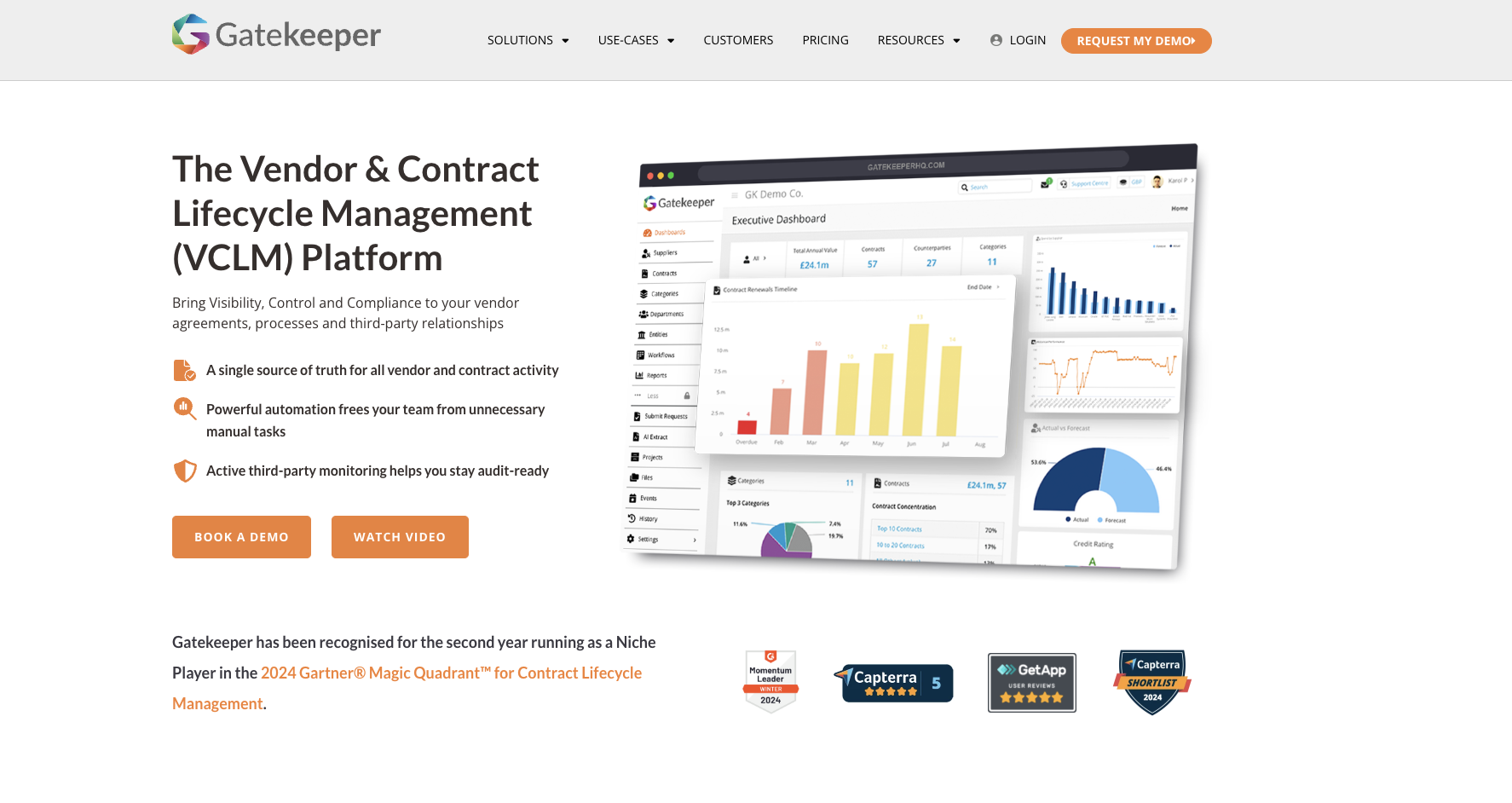
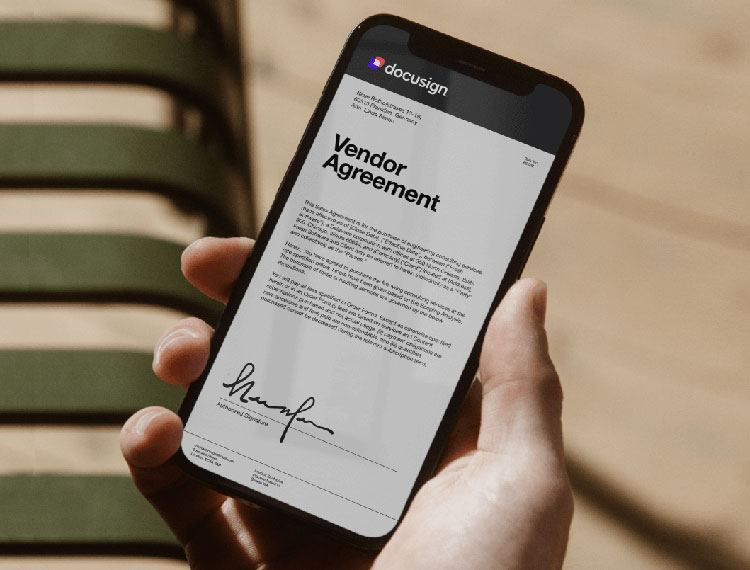
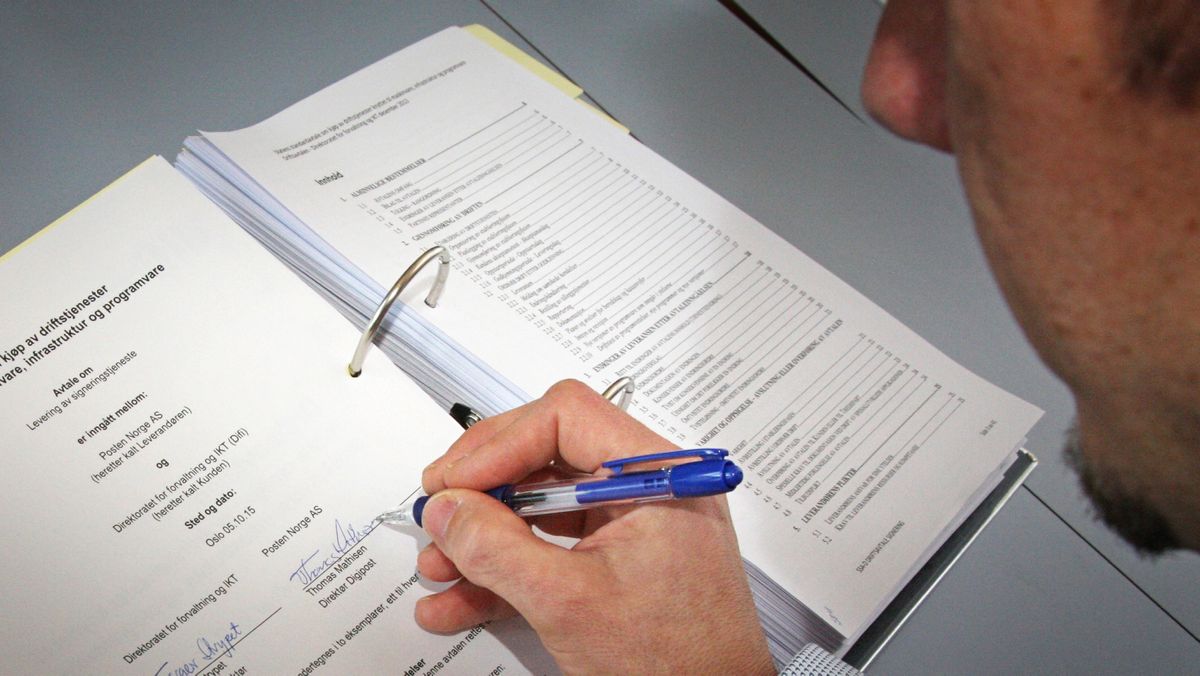
The following visual examples illustrate the kinds of vendor, supplier, service, document, and contract-management resources readers may encounter when researching agreement formats. They are reference visuals, not statements that any pictured document is legally appropriate for a particular transaction.
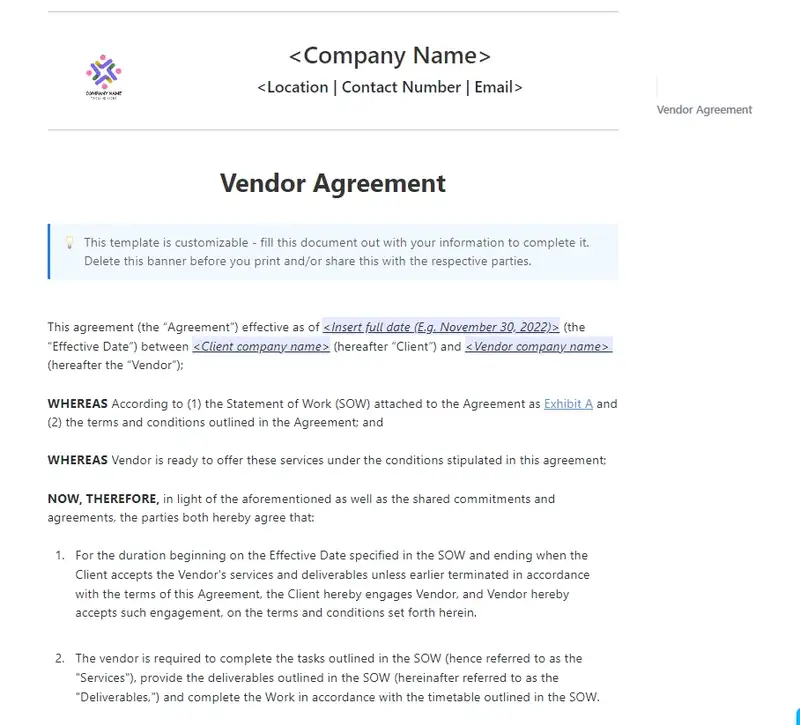
vendor agreement template for businesses free
Source: ClickUp
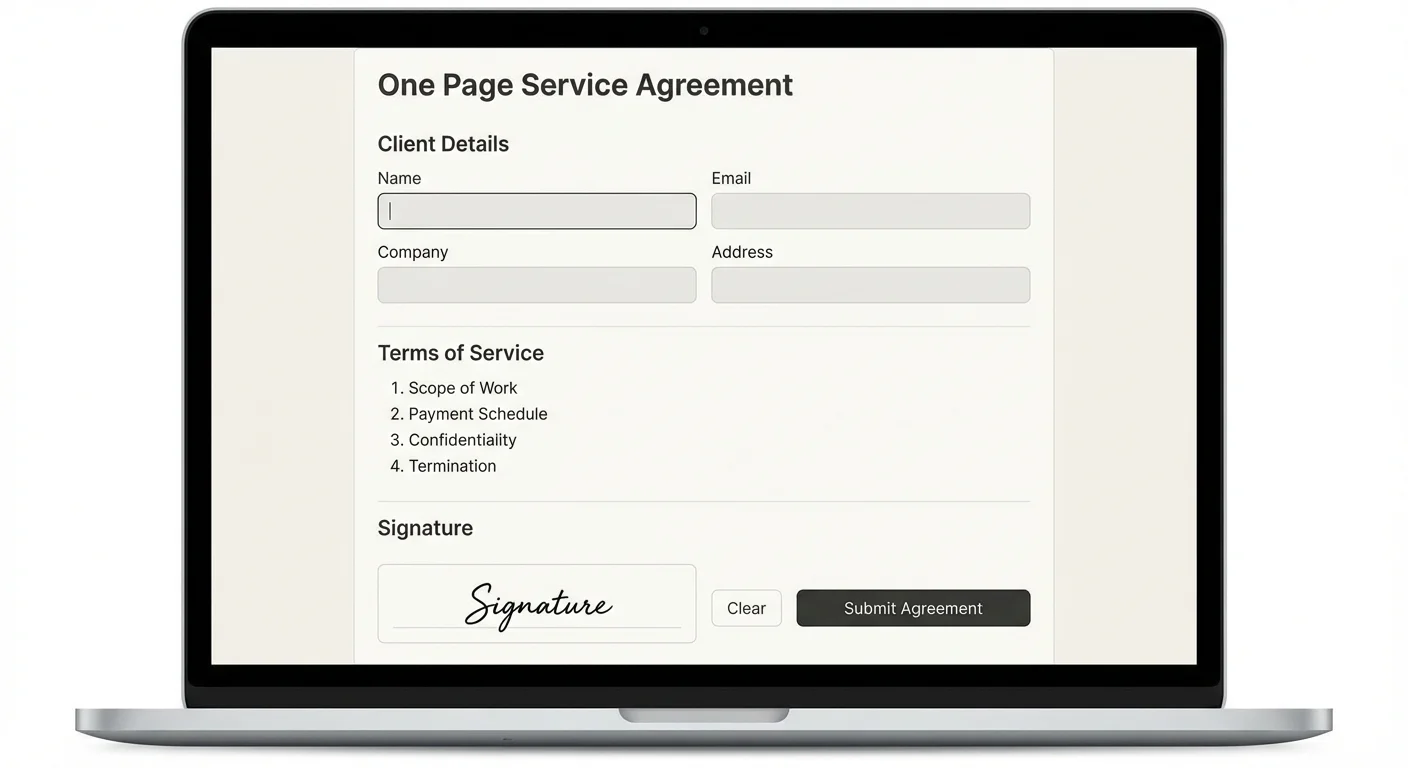
vendor agreement template for businesses pdf
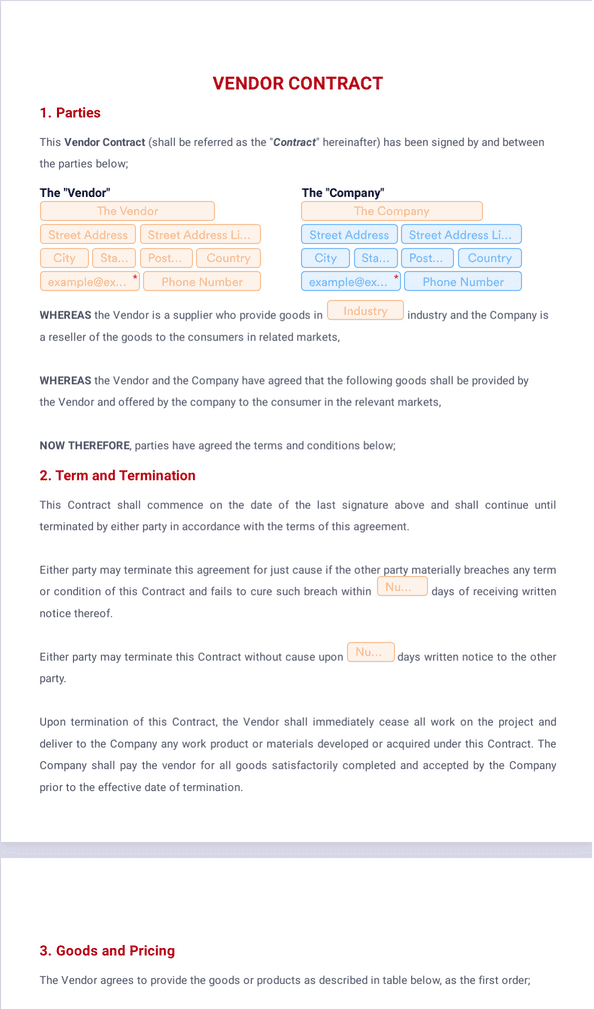
Source: Jotform
vendor agreement template for businesses free download
Source: Advokat Novi Sad
vendor agreement template for businesses word
Source: Medius
vendor agreement template for businesses word document
Source: Koder.ai
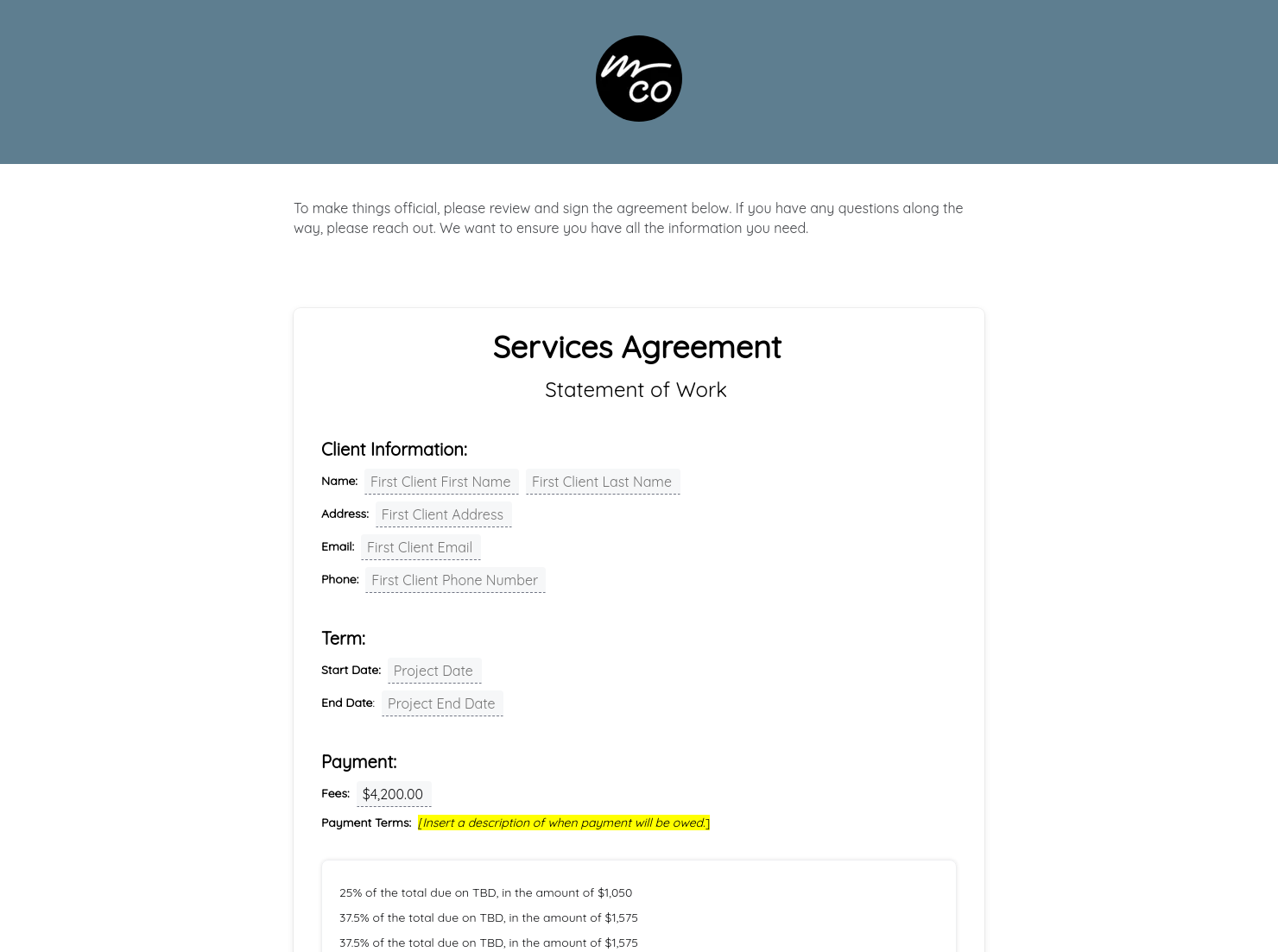
vendor agreement for event template
Source: HoneyBook
do you need a vendor agreement template
Source: TradeBeyond
sample of vendor agreement
Source: Promise Legal
free vendor agreement template uk
Source: Lisa Shull
vendor service agreement template
Source: Controle Já
template for vendor contract
Source: Portal ERP México
vendor terms agreement template
Source: Digi.no
Frequently Asked Questions
What should a basic vendor agreement include?
A basic agreement should normally identify the parties, effective date, scope, price, payment terms, delivery or performance requirements, warranties, confidentiality, intellectual property where relevant, liability, termination, dispute provisions, governing law where appropriate, and signatures. The exact contents should reflect the transaction.
Can a small business use a vendor agreement template?
Yes. Templates can provide a useful starting structure for small businesses. The important point is to customize the document rather than signing it unchanged. Small businesses should pay particular attention to payment obligations, renewal terms, liability, ownership of work, confidentiality, and termination rights.
Is a vendor agreement the same as a purchase order?
Not necessarily. A purchase order often describes a particular purchase, while a vendor agreement can establish broader terms governing an ongoing relationship. A business may use both, with purchase orders operating under the terms of a master agreement.
Should every vendor sign a contract?
There is no universal rule that every vendor relationship requires the same document. The decision should consider the value, duration, operational importance, data access, intellectual property, legal exposure, and complexity of the relationship. Higher-risk relationships generally justify more formal documentation.
What is the difference between a vendor agreement and a service agreement?
The terms can overlap. A vendor agreement may cover goods, services, or both, while a service agreement generally focuses on services. The appropriate document is the one that accurately describes the commercial relationship and allocates the relevant responsibilities.
Can a vendor agreement be signed electronically?
Electronic execution may be legally effective in many jurisdictions, but the applicable rules depend on location, document type, parties, and circumstances. The parties should use an execution method appropriate to the governing law and their internal requirements.
How often should a vendor agreement be reviewed?
Review timing depends on the relationship. At minimum, businesses should revisit important agreements before renewal, material scope changes, major price changes, significant regulatory developments, or substantial changes in the vendor’s role or access.
What happens if a vendor refuses the company’s template?
That is a negotiation issue rather than an automatic reason to abandon the transaction. Compare the vendor’s document against the company’s required business and risk positions, identify material differences, and negotiate the provisions that matter most. Legal review may be appropriate for significant deviations.
Conclusion
A strong vendor agreement is a practical business-management tool as much as a legal document. The best vendor agreement template for businesses provides a reliable starting structure while leaving room to adapt scope, pricing, performance standards, risk allocation, confidentiality, intellectual property, termination, and other terms to the actual relationship.
Businesses should resist the temptation to judge a template solely by its length or appearance. A shorter agreement can be highly effective when its obligations are clear, while a lengthy contract can still leave important questions unanswered. The goal is clarity, proportionality, consistency, and a workable process for managing the relationship after signature.
Before execution, verify the parties, commercial terms, attachments, authority, risk provisions, renewal dates, and termination consequences. After execution, store the final agreement, track its obligations, monitor performance, and calendar important dates. This approach turns a document into a repeatable vendor-management process.
When a relationship is financially significant, operationally critical, cross-border, heavily regulated, or unusually complex, professional legal advice should be considered. A carefully adapted template can make contracting more efficient, but the final agreement should reflect the actual transaction, the parties’ negotiated expectations, and the law that governs the relationship.
For businesses seeking a practical starting point, the most useful approach is to choose a suitable template, customize it around the real commercial arrangement, review it systematically, negotiate material risks deliberately, and preserve a complete executed record. Used this way, a vendor agreement template becomes more than a form: it becomes a foundation for clearer expectations, better vendor management, and a more predictable business relationship.
A well-prepared agreement should ultimately make the relationship easier to operate, not harder. By clearly defining what each party will provide, what each party will receive, how performance will be measured, how risks will be handled, and how the relationship can end, businesses can use a vendor agreement template for businesses as a practical framework for stronger and more manageable commercial relationships.
