For a small business, freelancer, startup, nonprofit, or project-based operation, simplicity is often more useful than an elaborate financial model. A well-designed worksheet can begin with opening cash, list expected receipts, record payments, calculate net cash movement, and roll the result into an ending balance. That basic structure is enough to support many everyday decisions.
The most useful templates can also be expanded as the business grows. A beginner may need only cash in, cash out, and ending balance, while a more established company may need operating, investing, and financing sections, monthly comparisons, forecast-versus-actual analysis, and scenario planning. The right level of detail depends on the decision the template is meant to support.
This guide explains how to build, select, customize, and maintain a simple cash flow system without making it unnecessarily complicated. It covers spreadsheet formats, statement formats, forecasts, printable versions, examples, common errors, formulas, review routines, and practical ways to turn a worksheet into a useful management tool.
The goal is not simply to produce another financial table. The goal is to create a repeatable process that helps answer practical questions: How much cash is available now? What will be available next month? Which bills are approaching? Which customers have not paid? Can the business afford an equipment purchase? When might additional financing be necessary?
What Is a Cash Flow Template Simple Enough for Everyday Use?
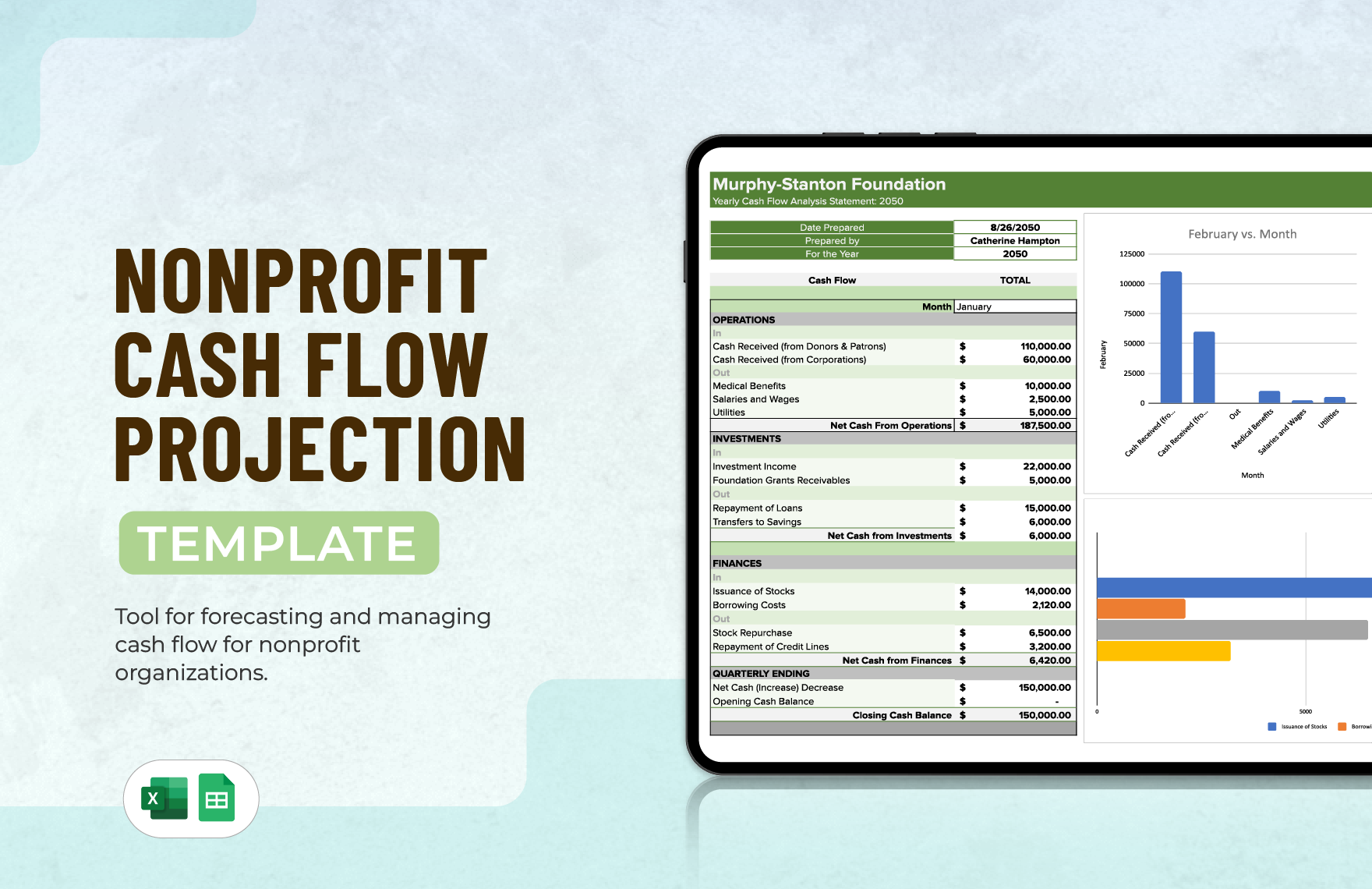
A cash flow template is a structured worksheet used to record, summarize, or forecast cash receipts and cash payments over a defined period. The simplest version may have only a date, description, cash-in column, cash-out column, and running balance. More formal versions organize cash movements into operating, investing, and financing activities.
The word “simple” should describe usability rather than financial accuracy. A simple template should still capture the transactions that materially affect cash. Removing useful categories merely to make a worksheet look shorter can create misleading results. The better approach is to keep the structure compact while retaining the information needed for decisions.
A useful template normally starts with an opening cash balance. It then records inflows and outflows for a period, calculates net cash flow, and produces an ending cash balance. The ending balance becomes the opening balance for the next period when the schedule is rolled forward.
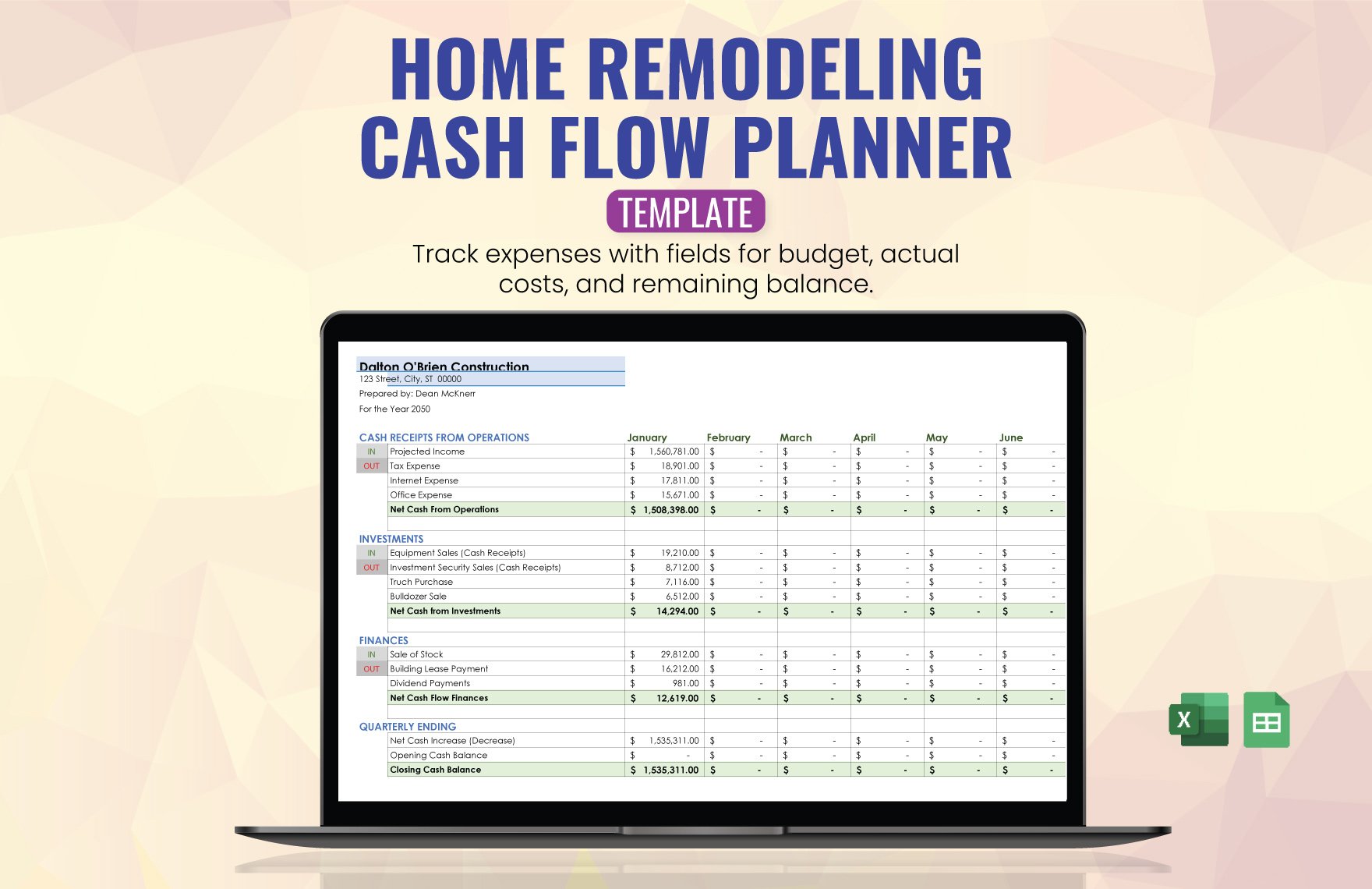
For formal reporting, cash flow information is commonly organized into operating, investing, and financing activities. IAS 7, for example, defines these three broad categories and describes cash flows from operating activities as those related to principal revenue-producing activities, investing activities as transactions involving long-term assets and investments, and financing activities as changes in contributed equity and borrowings.
For internal management, however, a simpler layout may be more practical. A small service business may primarily need customer receipts, payroll, rent, software, taxes, supplier payments, loan payments, and equipment purchases. The template should reflect the actual cash decisions the owner needs to make rather than imitate a large corporation’s reporting package.
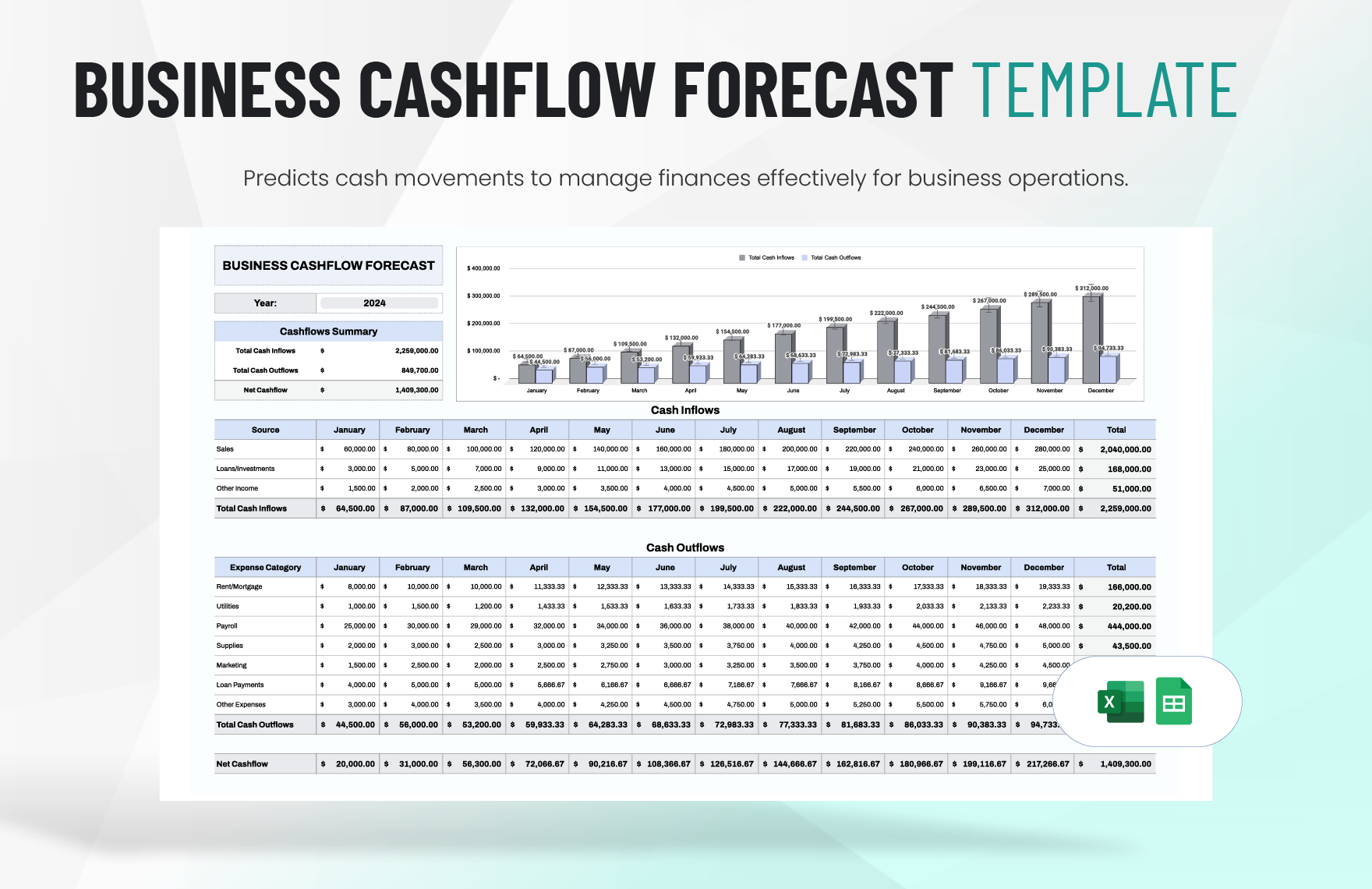
Why Cash Flow Matters More Than a Profit Number Alone
A business can report accounting profit and still experience a cash shortage. This happens when sales are recorded before customers actually pay, when inventory consumes cash, when large bills become due, or when the company invests in equipment. Cash flow therefore adds a timing perspective that a profit figure cannot provide on its own.
Imagine a consulting company that invoices $30,000 in March but gives clients 45 days to pay. The revenue may appear in the appropriate accounting period, but the bank account may not receive most of that money until April or May. Meanwhile, payroll, rent, taxes, subscriptions, and supplier bills may require payment during March.
A simple cash schedule exposes that mismatch. It can show the expected invoice collection date rather than treating the invoice itself as immediately available cash. This makes the worksheet especially valuable for businesses with accounts receivable, seasonal sales, milestone billing, or customers who regularly pay on extended terms.
Cash planning is also useful before a large expenditure. A company may have enough cash today to purchase equipment but not enough to comfortably cover payroll and supplier commitments afterward. A forecast can show the effect of the purchase on future balances and make the decision more deliberate.
For this reason, cash flow management is not just an accounting exercise. It is a practical planning activity that connects sales, collections, purchasing, staffing, financing, investment, and payment timing. A simple template provides a common place where those moving pieces can be viewed together.
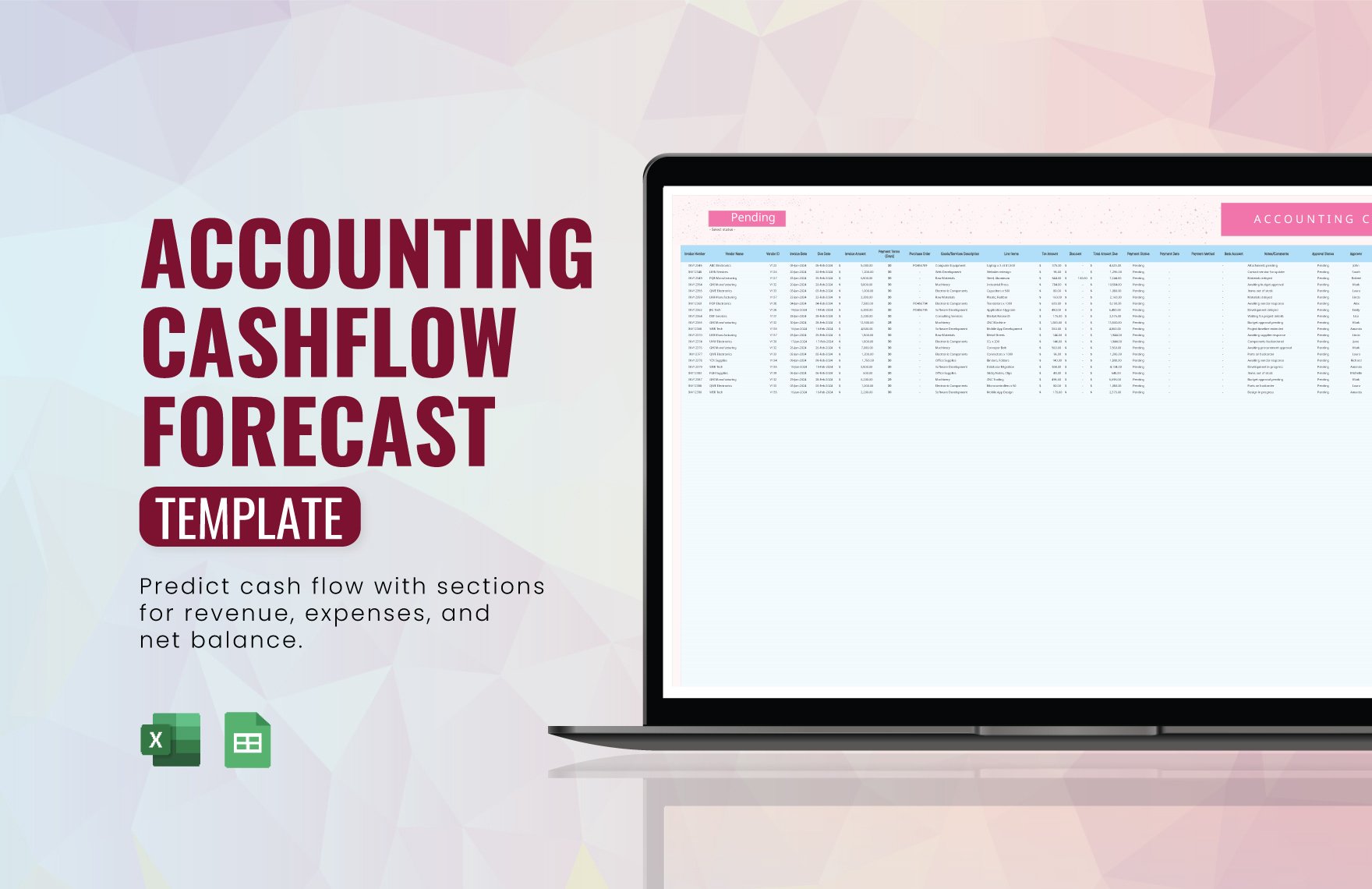
Core Components of a Simple Cash Flow Template
The first component is the opening cash balance. This is the amount of cash available at the beginning of the selected period. Depending on the purpose of the worksheet, it can represent the bank balance, cash on hand, or a defined group of cash and cash-equivalent accounts.
The second component is cash inflow. Typical examples include customer payments, cash sales, collections of accounts receivable, interest received, owner contributions, loan proceeds, refunds, grants, asset-sale proceeds, and other receipts. The categories should be customized to the business rather than copied blindly from another organization.
The third component is cash outflow. Common examples include supplier payments, wages, rent, utilities, insurance, advertising, software, taxes, loan repayments, equipment purchases, inventory purchases, and owner distributions. Separating recurring and irregular payments can make the forecast easier to interpret.
The fourth component is net cash flow. A basic calculation is cash inflows minus cash outflows. A positive result means more cash came in than went out during the period; a negative result means the opposite. Neither result should automatically be interpreted as good or bad because timing and business circumstances matter.
The fifth component is ending cash. The basic relationship is opening cash plus net cash flow equals ending cash. In a rolling model, the ending cash for one month becomes the opening cash for the following month. This simple connection is one of the most important controls in a cash flow workbook.
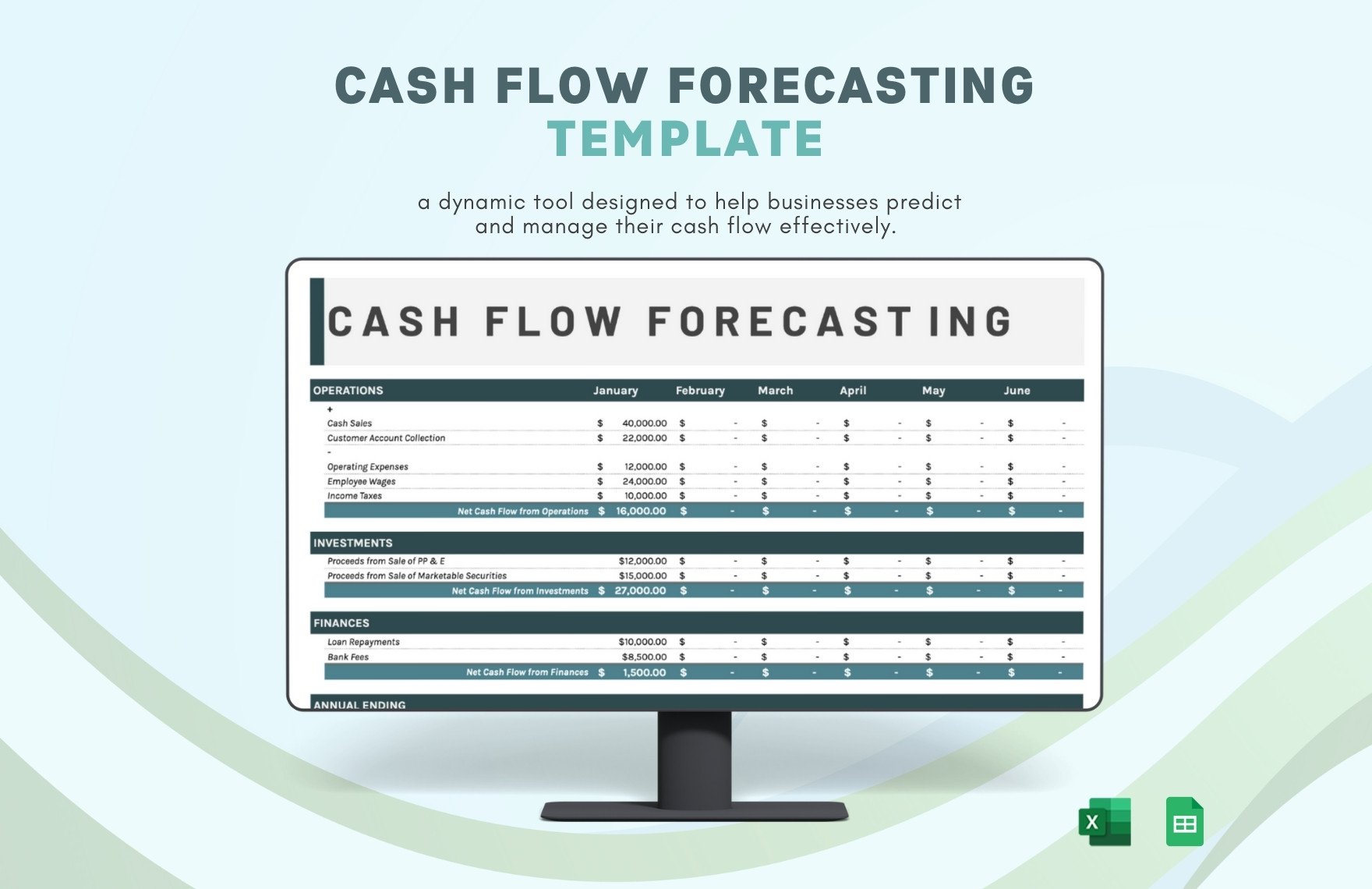
Operating, Investing, and Financing Cash Flow
When a template needs to resemble a formal statement of cash flows, the first major section is operating activities. These are the cash movements associated with the main revenue-producing activities of the business. Customer collections, supplier payments, wages, and many routine operating payments generally belong in this area, subject to the applicable accounting framework.
Investing activities generally relate to acquiring or disposing of long-term assets and certain investments. Buying machinery, vehicles, property, or qualifying equipment can create an investing cash outflow. Proceeds from selling a long-term asset can create an investing inflow.
Financing activities generally relate to changes in the company’s funding structure. Examples can include borrowing money, repaying principal, receiving equity contributions, issuing shares, or distributing funds to owners. Classification can vary for particular transactions depending on the reporting framework and circumstances.
Keeping these categories separate helps users understand why cash changed. A strong operating cash position combined with a large investing outflow may simply indicate that the company is investing heavily for growth. A positive total cash change driven primarily by new borrowing tells a different story.
For an internal template, you do not always need dozens of formal line items. The important principle is consistency. If equipment purchases are classified as investing in one month, the same type of transaction should not suddenly be treated as an operating expense in another month unless there is a documented reason.
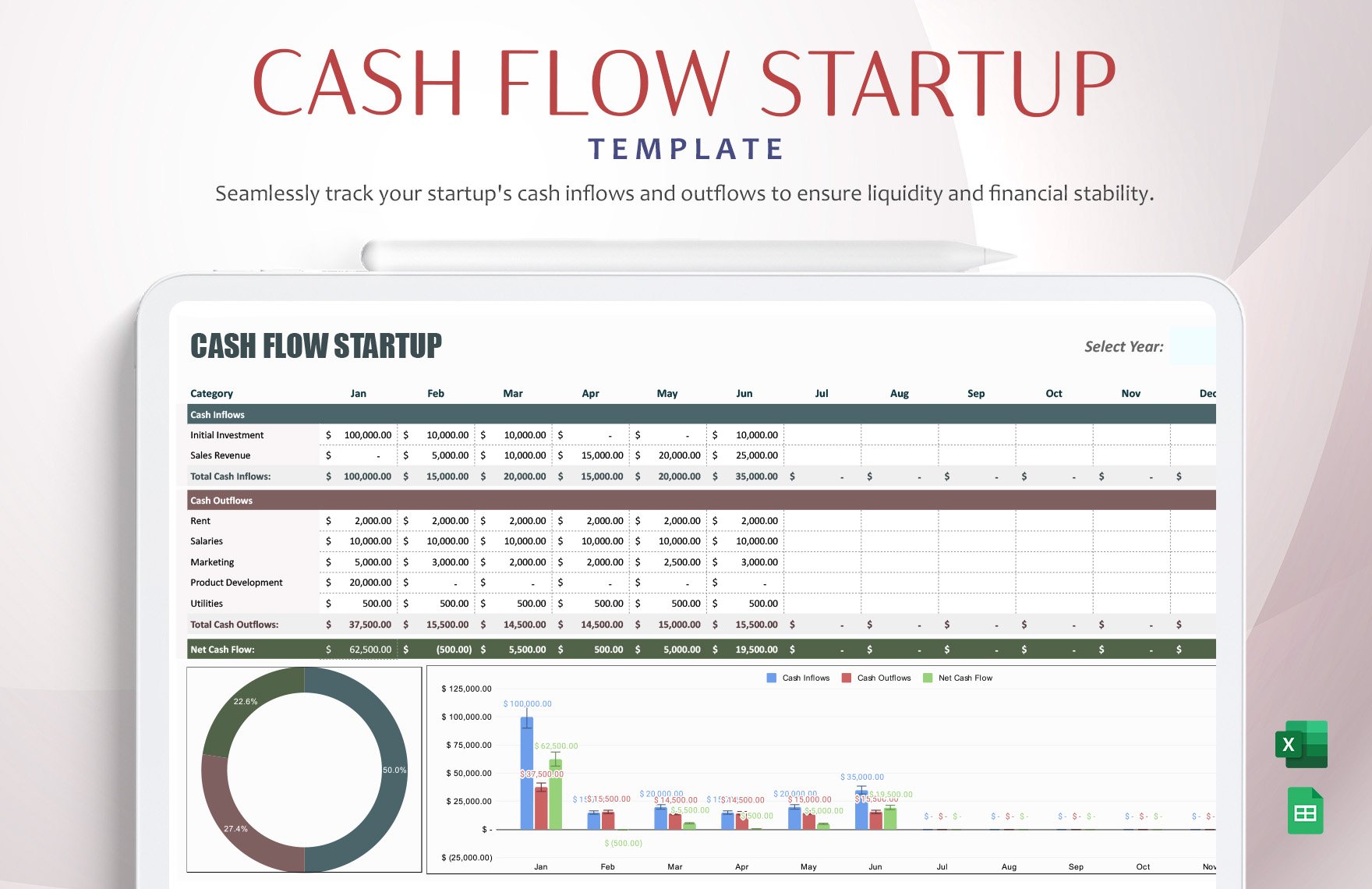
Cash Flow Template Simple Excel Structure
For many small businesses, Excel is an effective environment because it supports formulas, tables, filters, charts, scenario calculations, and detailed transaction records. A cash flow template simple excel workbook can be built as a single worksheet for basic tracking or divided into input, forecast, summary, and assumptions tabs for a more structured process.
A basic Excel sheet can use columns such as Date, Description, Category, Cash In, Cash Out, and Running Balance. The balance formula can reference the previous balance and the current transaction. This transaction-level approach is particularly useful when the owner wants to reconcile the worksheet against bank activity.
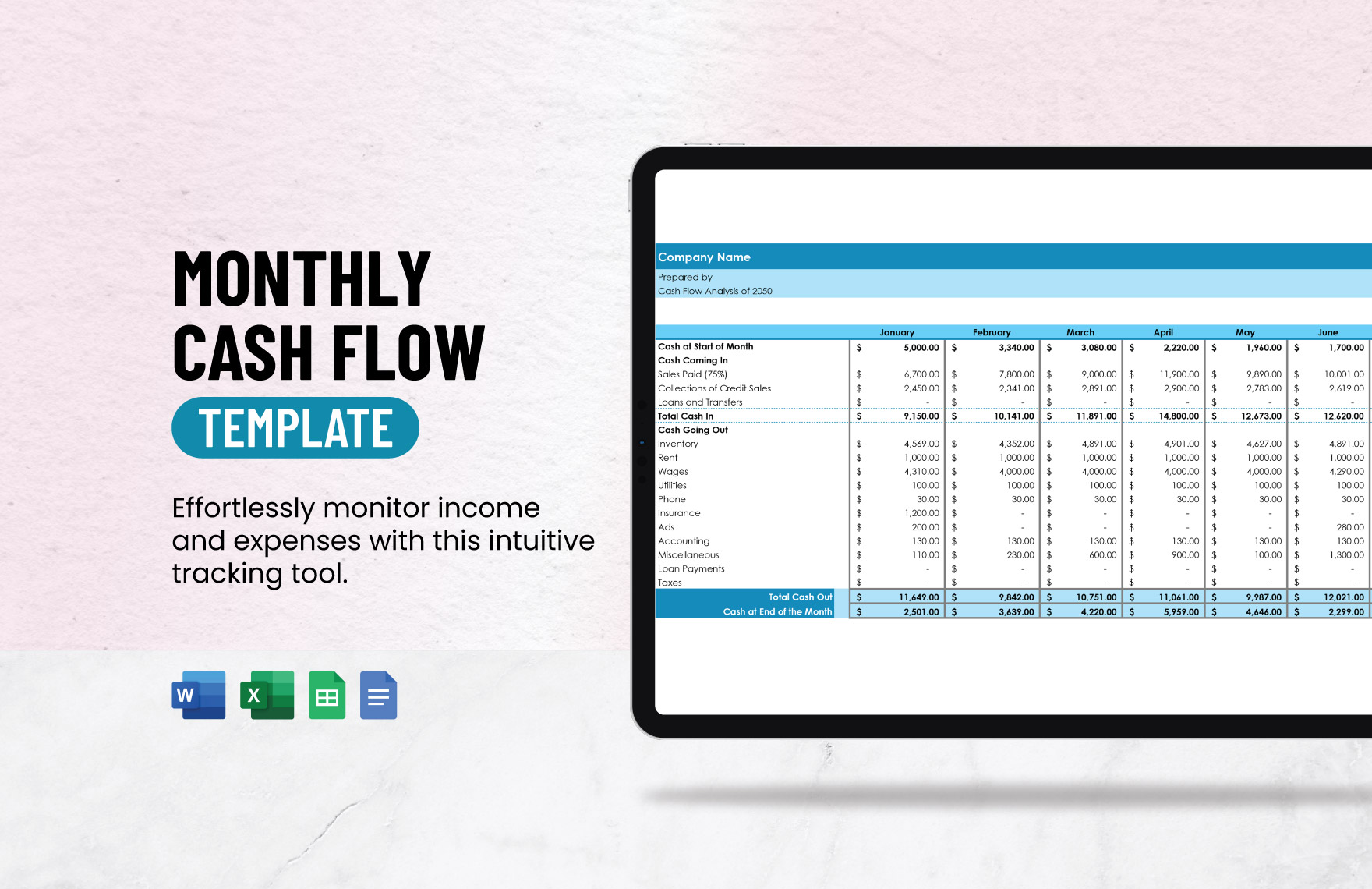
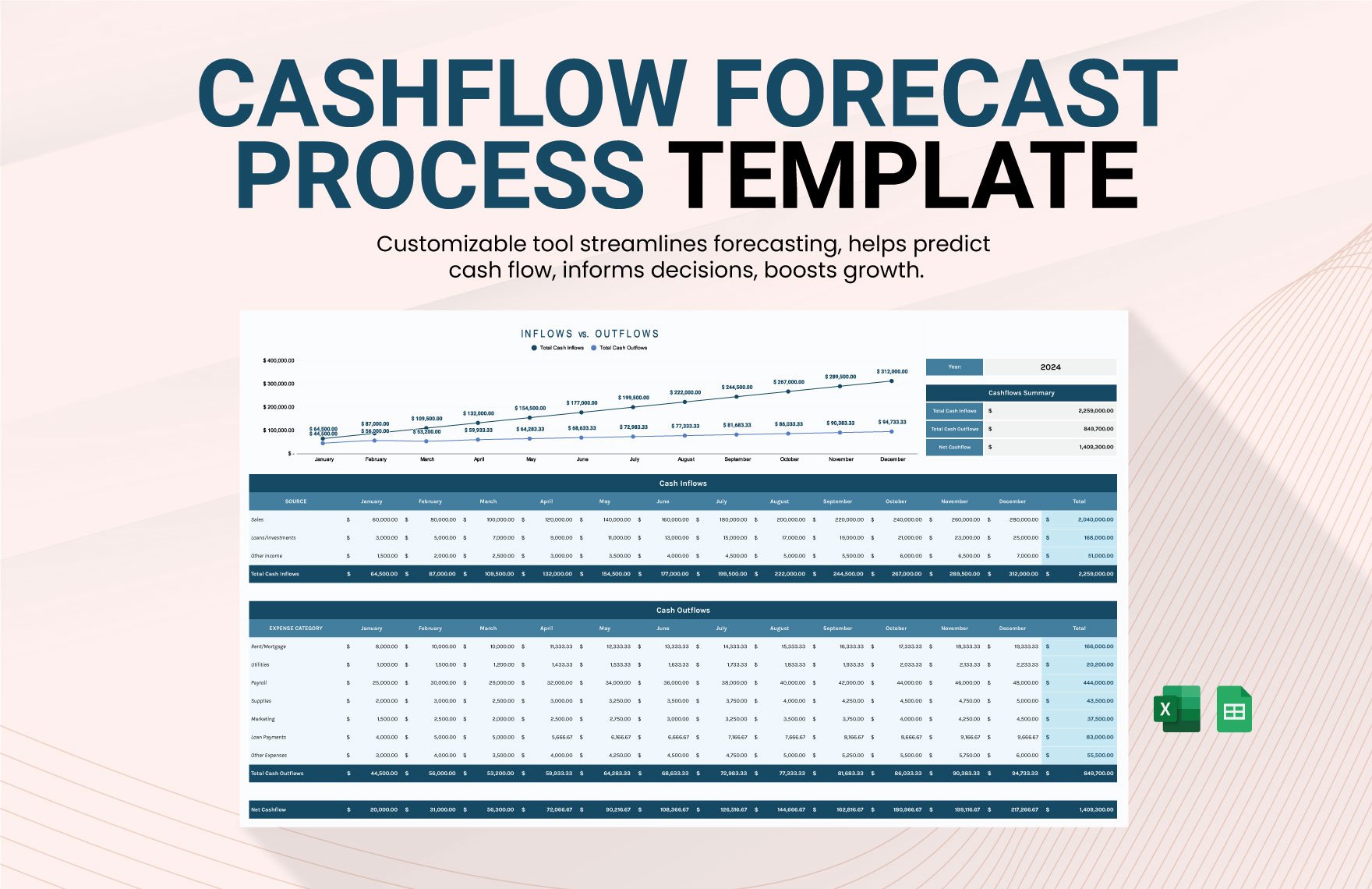
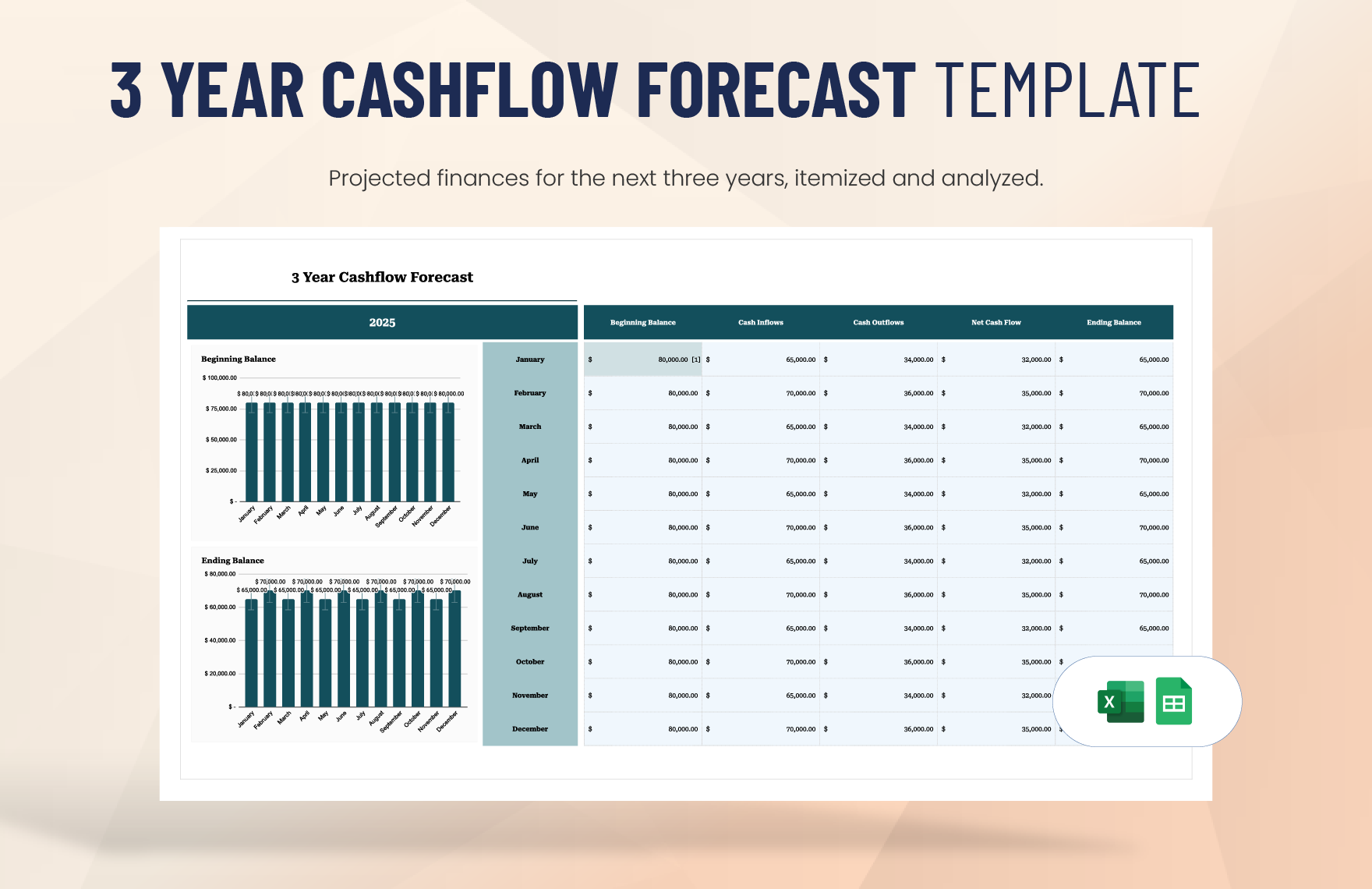
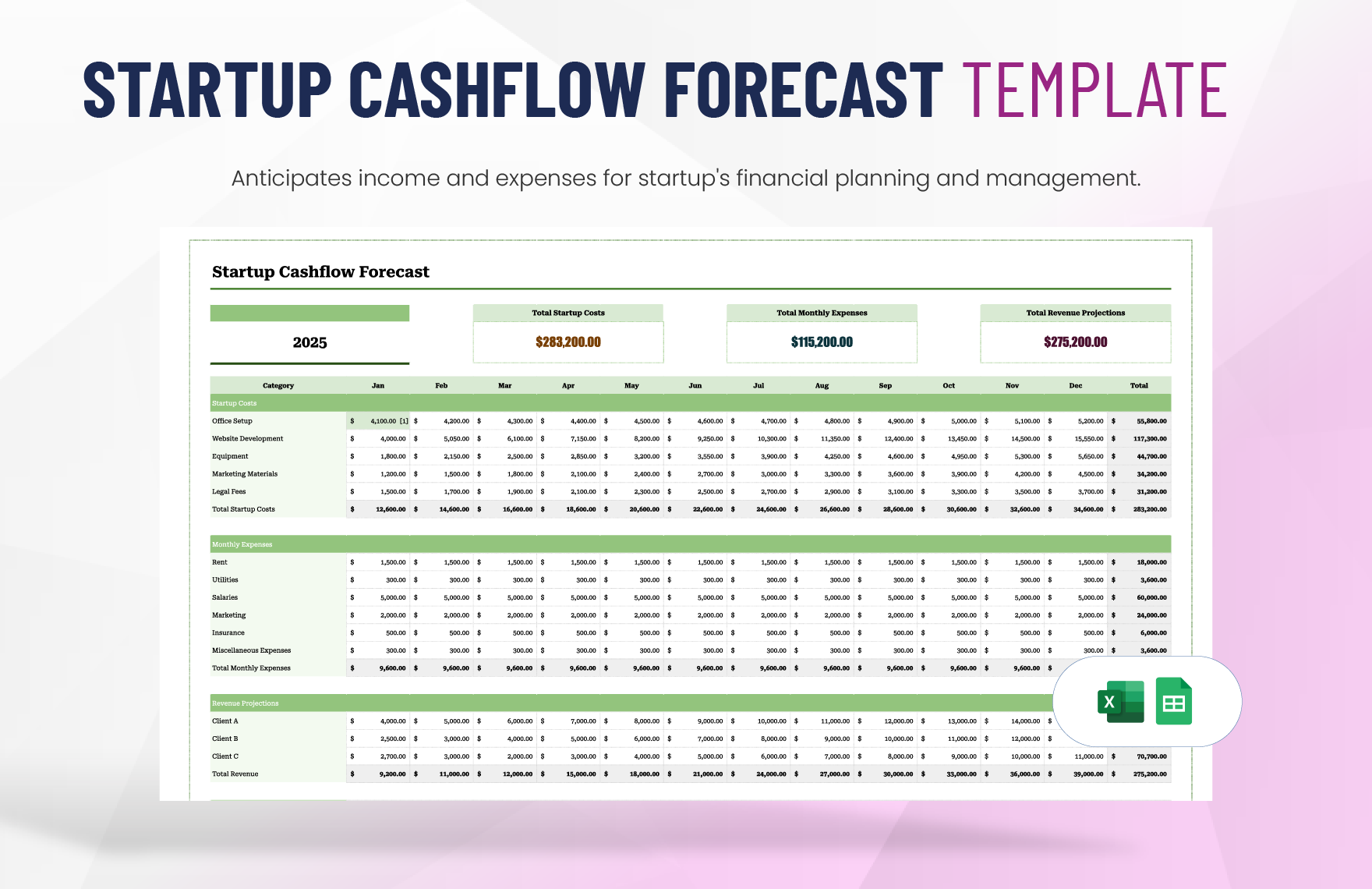
A monthly planning workbook can instead use months as columns and cash categories as rows. This layout is useful for forecasting because it makes seasonal patterns easy to see. The owner can enter expected customer collections, payroll, rent, taxes, supplier payments, debt service, and planned investments for each month.
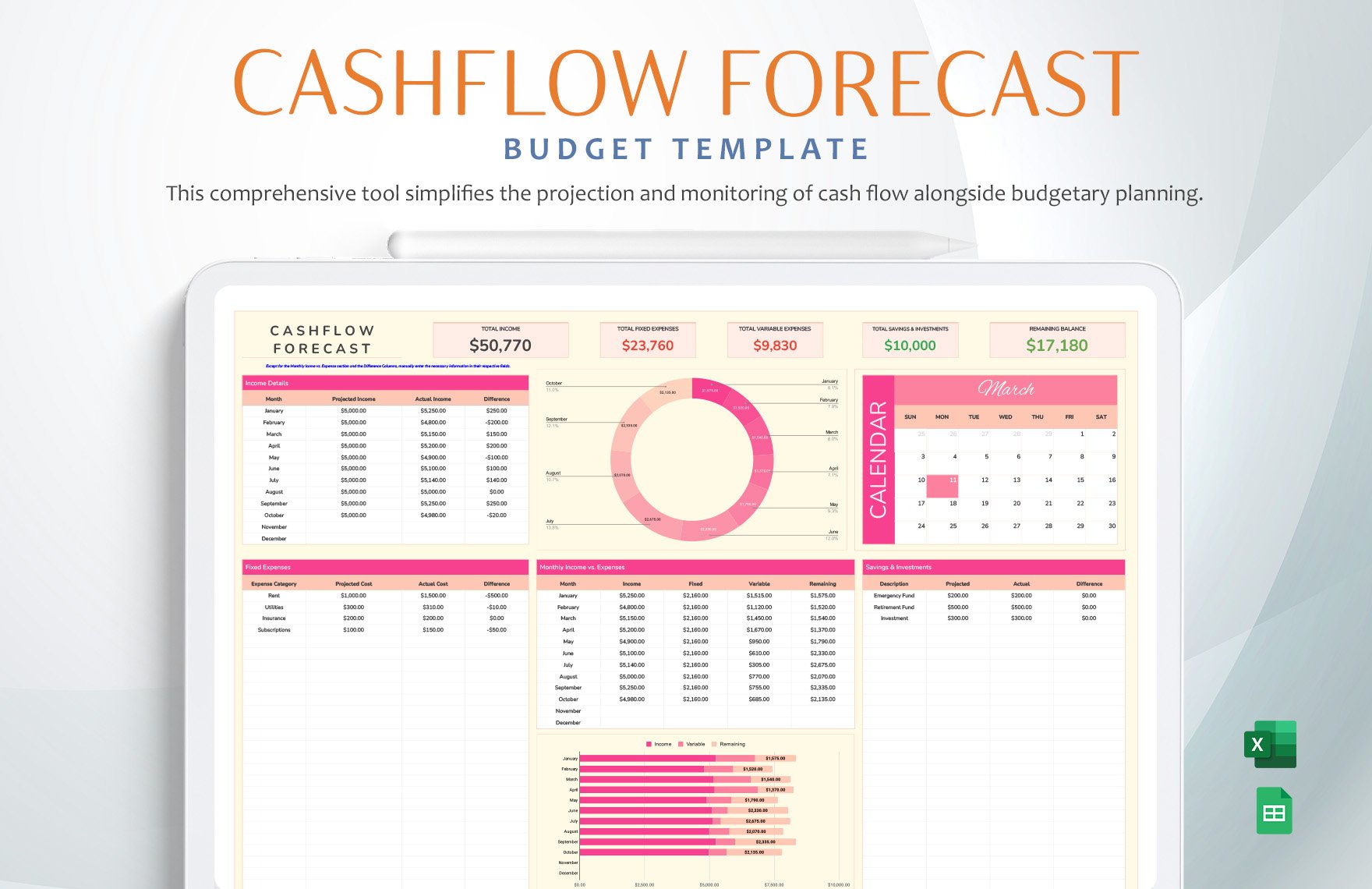
Excel also makes it easy to add forecast-versus-actual columns. For example, expected customer collections might be compared with actual collections after the month closes. The difference can then be reviewed to understand whether the variance came from delayed invoices, lower sales, customer disputes, or an overly optimistic forecast.
The best Excel workbook is not necessarily the most sophisticated one. Avoid unnecessary macros and complicated formulas when a transparent calculation will work. A workbook that another person can understand and audit is often more valuable than one containing a large number of hidden assumptions.
Building a Monthly Cash Flow Forecast
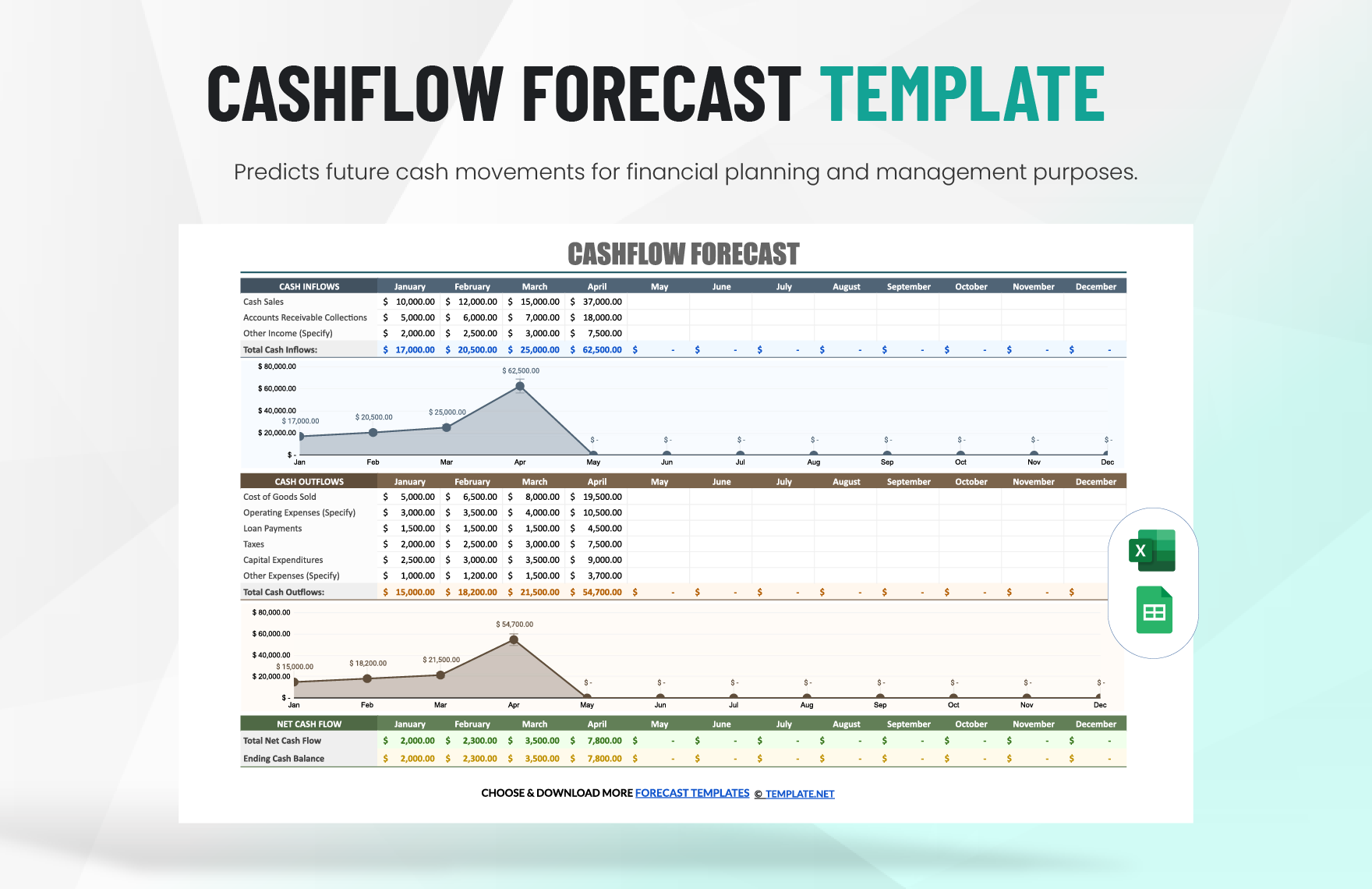
A forecast starts with the opening cash balance for the first forecast period. This figure should be based on a reliable current balance rather than an old estimate. If several bank accounts are included, define clearly which accounts belong in the forecast so that the starting point is reproducible.
Next, estimate cash receipts according to when money is expected to arrive. This distinction is critical. A $10,000 invoice issued on June 5 does not necessarily mean $10,000 of cash will be available on June 5. If the customer normally pays in 30 days, the forecast should reflect the expected collection timing.
After receipts, list cash payments according to expected payment dates. Recurring payments are often easier to forecast because their timing is predictable. Variable costs require assumptions based on recent activity, planned sales, production requirements, staffing changes, or known contracts.
Then calculate the net cash change for each month. Add that change to the opening balance to obtain the projected closing balance. The following month should reference that closing balance instead of requiring the user to type it again. This reduces manual errors and makes the forecast genuinely rolling.
Finally, identify the lowest projected cash point. A forecast that ends the year with a healthy balance can still be dangerous if it reaches a very low balance in the middle of the year. The minimum projected balance and its date are often more useful management signals than the annual total alone.
How to Build a Simple Cash Flow Statement
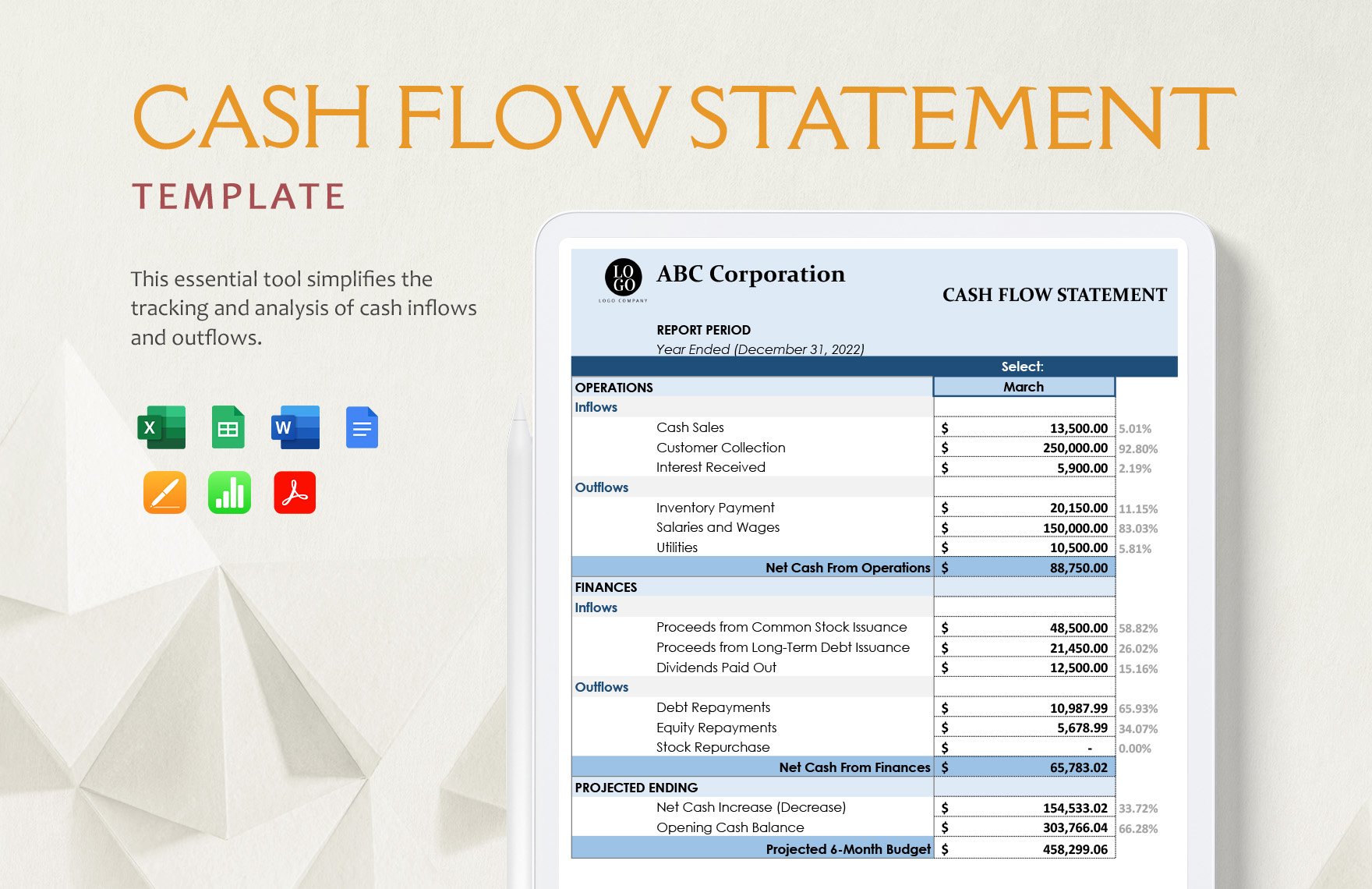
A simple cash flow statement begins by defining the reporting period. This might be a month, quarter, or year. The period should be stated clearly at the top of the document so readers understand exactly which transactions are included.
Historical transaction data can then be gathered from bank statements, accounting records, receipts, payment records, payroll reports, loan statements, investment records, and other reliable sources. The objective is to capture actual cash movements rather than merely copying revenue and expense figures from an income statement.
Each cash movement should be categorized consistently. If the business uses an operating, investing, and financing structure, each transaction should be assigned to the appropriate category. For a simpler internal report, categories can be reduced to cash received, operating payments, investment payments, financing receipts, financing payments, and other clearly defined groups.
After classification, calculate the net cash flow for each major section and then the total change in cash. Add the total change to beginning cash to arrive at ending cash. The ending cash should be compared with the corresponding balance in the underlying records as part of the review process.
A formal statement may be prepared using the direct or indirect method for operating cash flows, depending on the reporting requirements. For internal small-business planning, however, a direct listing of expected receipts and payments is often easier to understand and maintain.
Cash Flow Template Simple Free Options: What to Look For
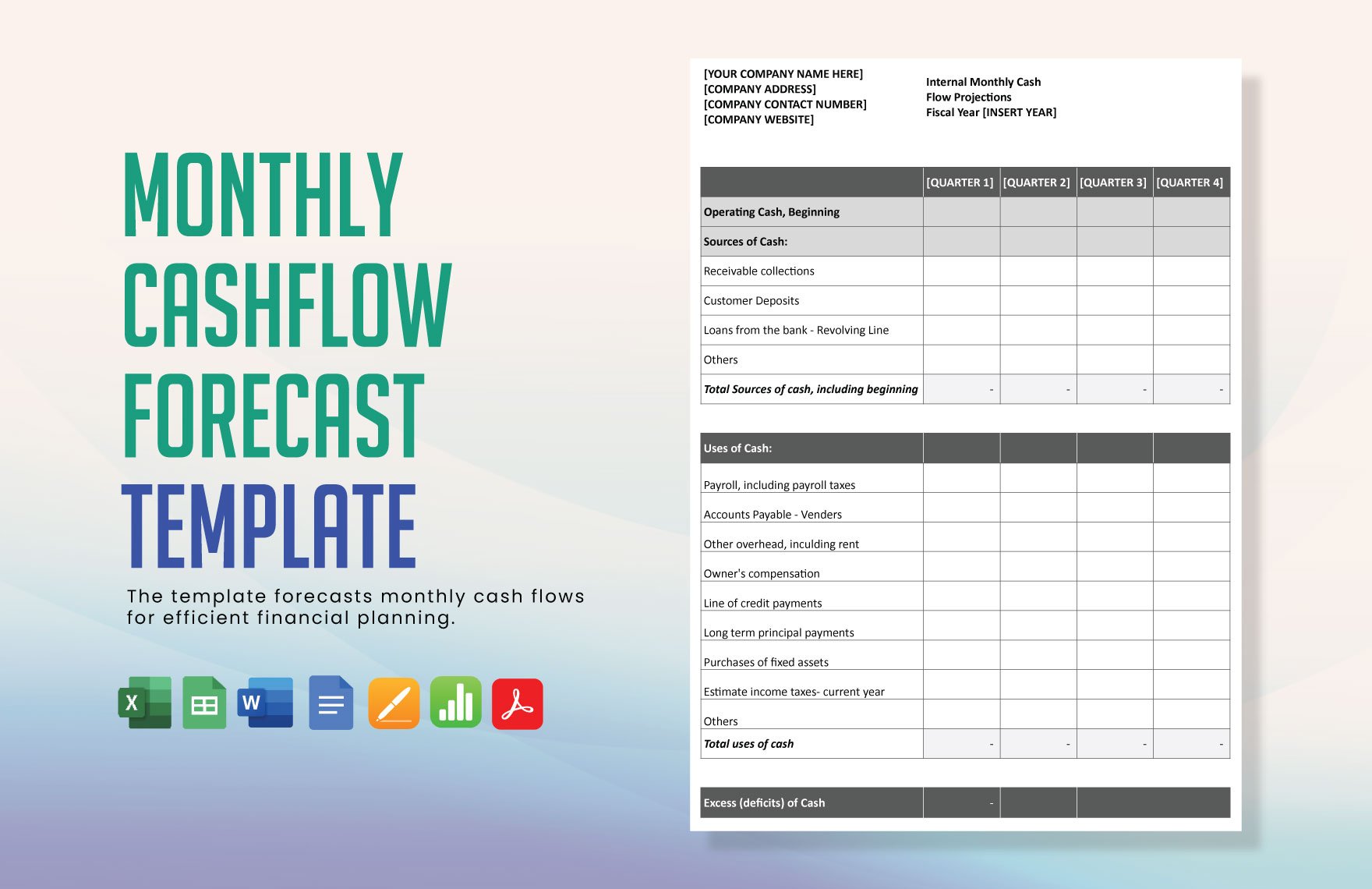
People searching for a cash flow template simple free often want something that can be used immediately without purchasing accounting software. A free template can be perfectly adequate when the business has straightforward transactions and the user understands the assumptions behind the worksheet.
Before using any free template, inspect the formulas and categories. A visually attractive worksheet is not necessarily a reliable model. Check whether the ending balance is calculated correctly, whether negative payments are treated consistently, and whether the monthly opening balance rolls forward automatically.
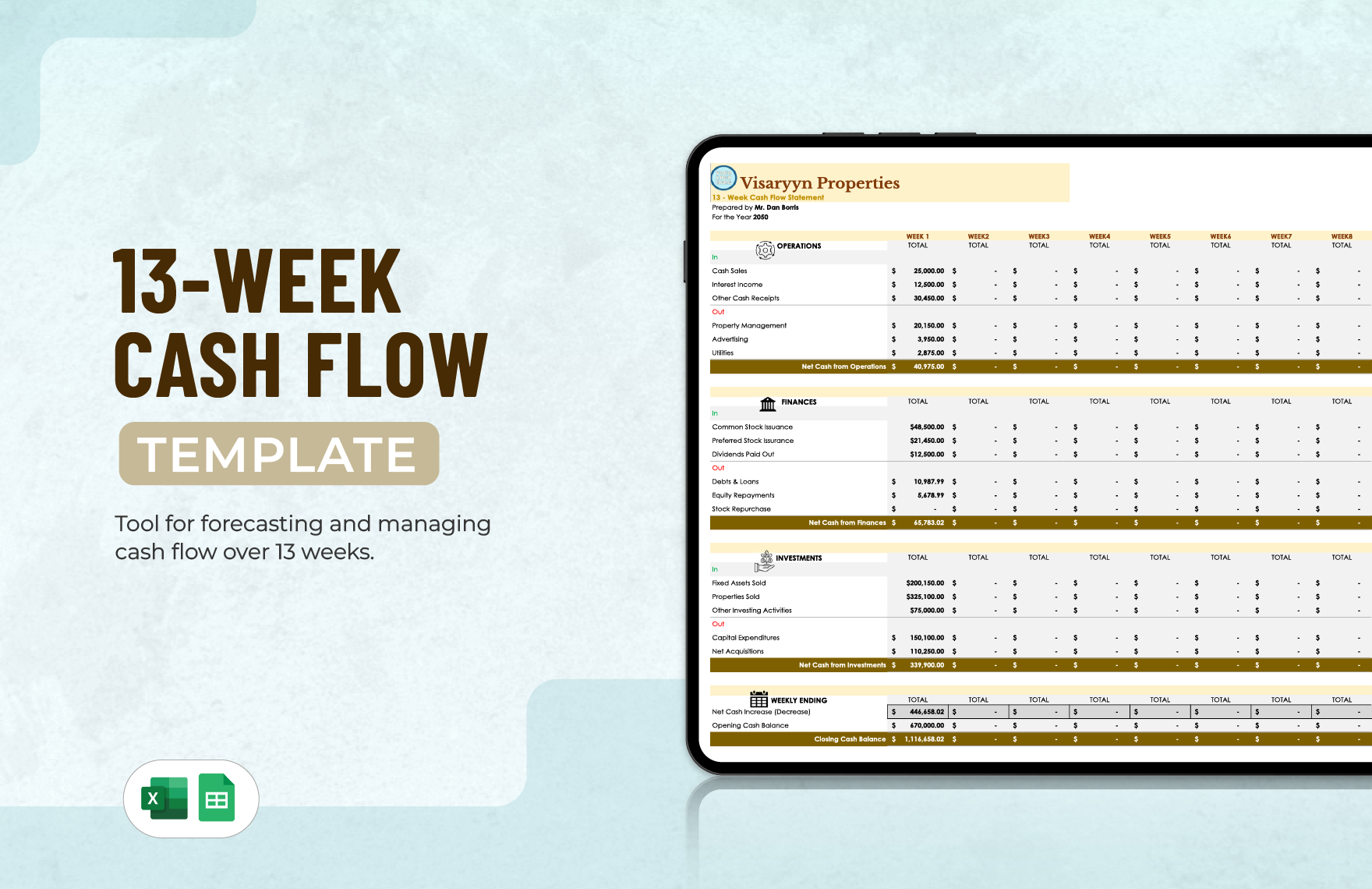
Also check whether the template matches your planning horizon. A daily tracker is useful for monitoring immediate liquidity, while a 12-month model is more useful for seasonal planning. A 13-week forecast can provide a more detailed short-term view when weekly payment timing matters.
Free does not necessarily mean suitable for every business. A template designed for personal finance may not include supplier payments, payroll, inventory, financing, or capital expenditure. Conversely, a corporate model may be unnecessarily complex for a freelancer with a few recurring expenses.
The best free template is therefore the one that requires the least modification while still representing your actual cash cycle. If you have to remove half the categories and rebuild the formulas, a simpler blank worksheet may ultimately be faster.
Using a Cash Flow Template Simple Free Download Responsibly
A cash flow template simple free download can be useful as a starting point, but downloading a spreadsheet should never be treated as the completion of the financial planning process. The value comes from entering accurate data, documenting assumptions, reviewing results, and updating the forecast regularly.
When opening a downloaded workbook, first inspect the date range, currency, formulas, categories, and sample data. Remove fictional sample amounts before entering real information. If the workbook contains formulas, test a few calculations manually so you know what each section is doing.
Save an untouched copy of the original template before making changes. Then create a working version that reflects your business. This provides a clean reference if a formula is accidentally overwritten or if the workbook becomes too customized.
Use clear naming conventions for saved versions. A structure such as “Cash Flow Forecast – September 2026” is easier to locate and understand than filenames such as “final2new.xlsx.” Version control becomes increasingly important when several people contribute to the same forecast.
Finally, treat downloaded templates as tools rather than authorities. A template does not automatically make a classification correct, and it does not replace professional accounting advice when a transaction has significant reporting or tax consequences.
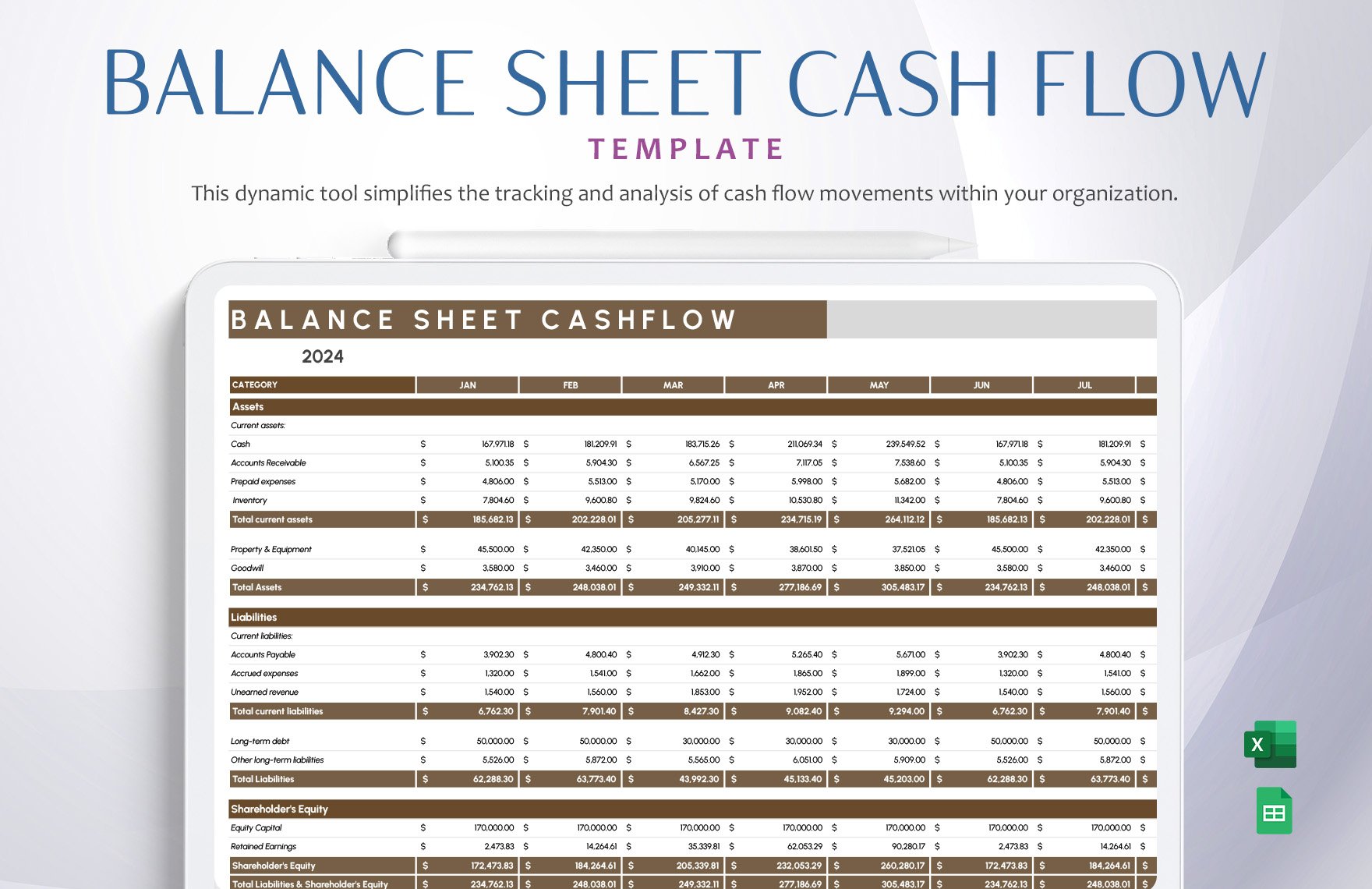
Cash Flow Template Simple Google Sheets Workflow
A cash flow template simple google sheets setup can be particularly useful when several people need access to the same working file. A shared spreadsheet can allow an owner, bookkeeper, finance employee, or project manager to update information without passing different versions of a workbook back and forth.
Start by separating editable input cells from formula cells. Users should immediately understand where they are allowed to enter receipts, payments, dates, and assumptions. Protecting formula ranges can reduce accidental changes to the calculations.
Use a consistent sign convention. One approach is to record inflows as positive numbers and outflows as negative numbers. Another approach is to use separate positive columns for cash received and cash paid. Either method can work, but mixing conventions creates confusion.
Google Sheets can also be useful for collaboration because comments, revision history, filters, and sharing permissions can support a controlled review process. The important consideration is not simply collaboration but accountability: each significant forecast assumption should have an identifiable owner.
When the sheet becomes large, separate transaction data from the summary. The transaction tab can contain detailed entries while the summary tab displays monthly inflows, outflows, net change, and ending cash. This keeps the decision-making view readable without sacrificing detail.
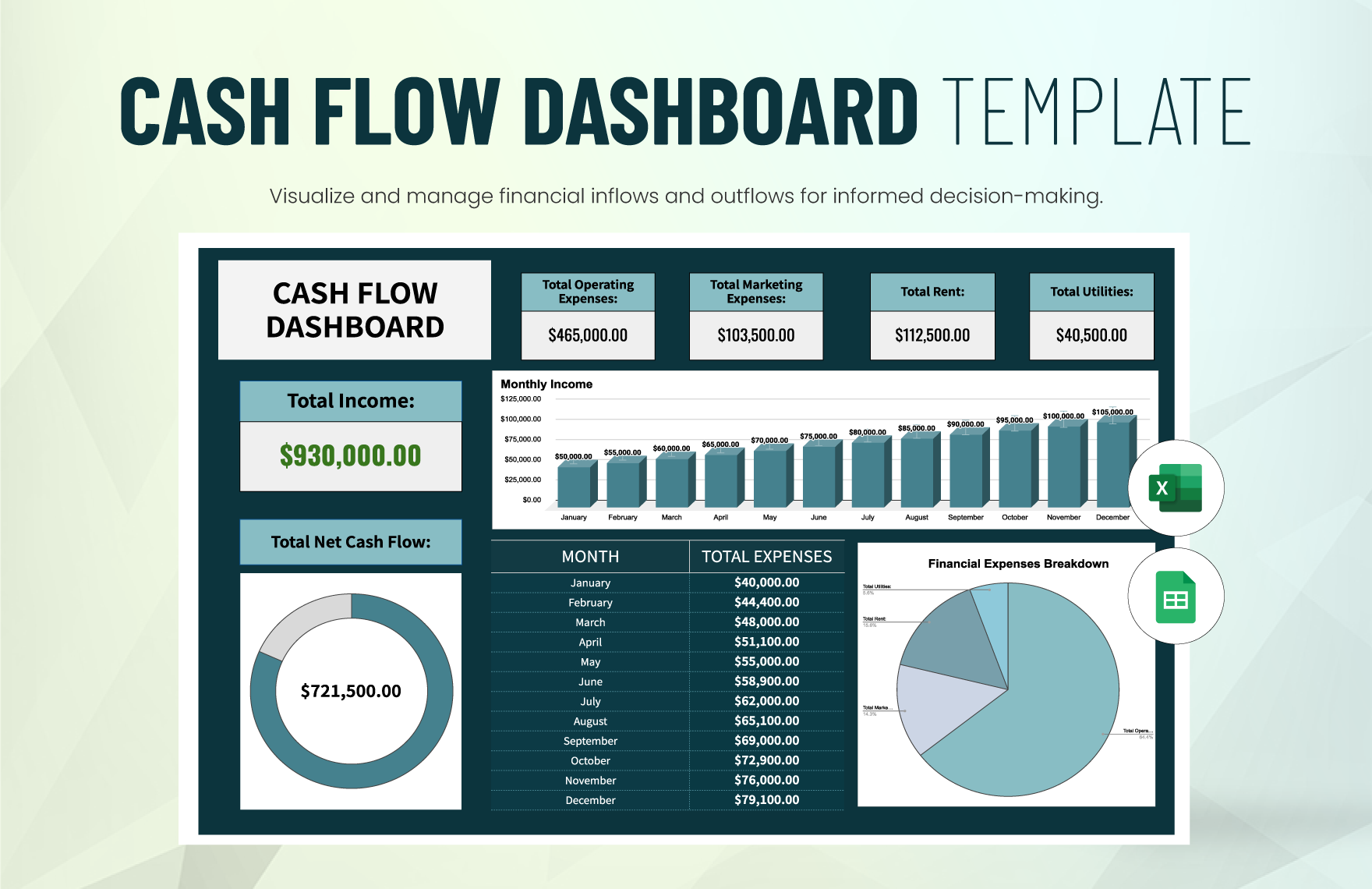
Daily, Weekly, Monthly, and Annual Cash Flow Formats
A daily cash flow schedule is best when the timing of individual payments matters. Retailers with frequent transactions, businesses facing short-term liquidity pressure, and operations with irregular receipts may benefit from daily visibility. The downside is the greater amount of data entry required.
A weekly forecast provides a useful middle ground. It can show when payroll, supplier payments, taxes, debt service, and customer receipts are expected to occur. Weekly forecasting is especially useful when a business can become cash constrained even though its monthly totals appear healthy.
A monthly template is often the best default for planning. It provides enough detail to reveal seasonal patterns while avoiding the administrative burden of maintaining hundreds of daily entries. Monthly models are also easy to compare against budgets and management plans.
An annual view is valuable for strategic planning, but it should not replace shorter-period analysis. A yearly total can hide a temporary shortage. For example, a business could have strong annual cash generation but still need short-term financing because large annual insurance, tax, inventory, or equipment payments occur before major customer collections.
Many businesses benefit from using two views at the same time: a detailed short-term schedule for immediate liquidity and a monthly rolling forecast for longer planning. The two models can share assumptions while serving different management purposes.
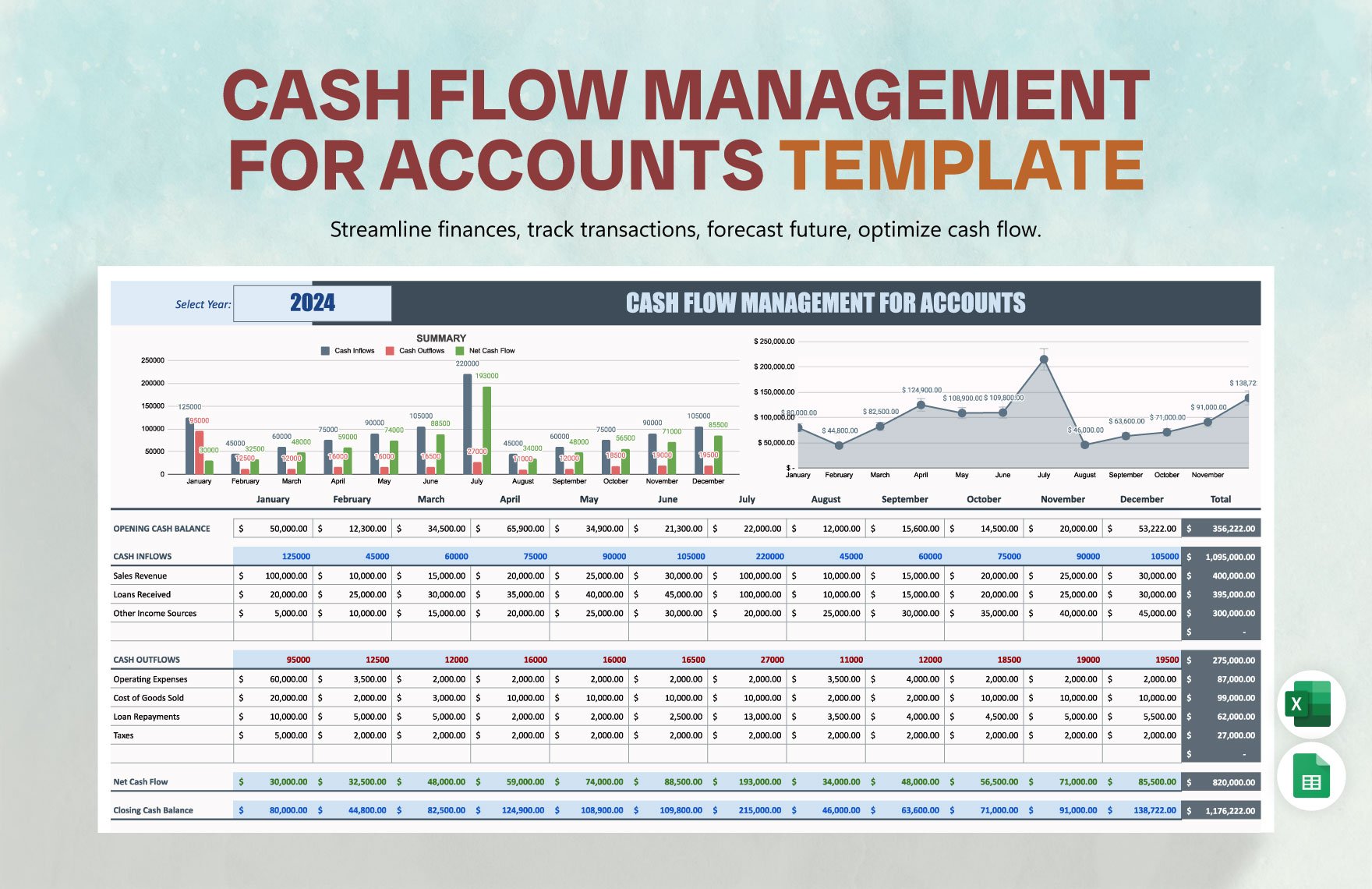
Cash Flow Forecasting: Turning Historical Data Into Expectations
Historical cash data is one of the best starting points for a forecast because it reveals actual timing patterns. Review previous customer collection dates, payroll cycles, supplier payment habits, recurring subscriptions, tax payments, debt service, and seasonal changes before setting assumptions.
Revenue forecasts should be translated into expected cash receipts. If customers normally pay after invoicing, the forecast should model collection timing rather than assuming every sale becomes immediate cash. For larger customers, invoice-level assumptions may be useful.
Expenses should be modeled with the same discipline. A forecast should include recurring costs as well as known irregular payments. Annual insurance, quarterly taxes, equipment purchases, contract renewals, bonuses, and planned repairs can all create temporary cash pressure.
Forecast assumptions should be documented. If customer collections are expected to improve because payment terms are changing, record that assumption. If payroll is increasing because of a planned hire, record the expected start date and associated costs.
Forecasting should also be iterative. After each month closes, compare projected and actual results. The objective is not to prove that the original forecast was correct but to learn which assumptions were wrong and improve the next forecast.
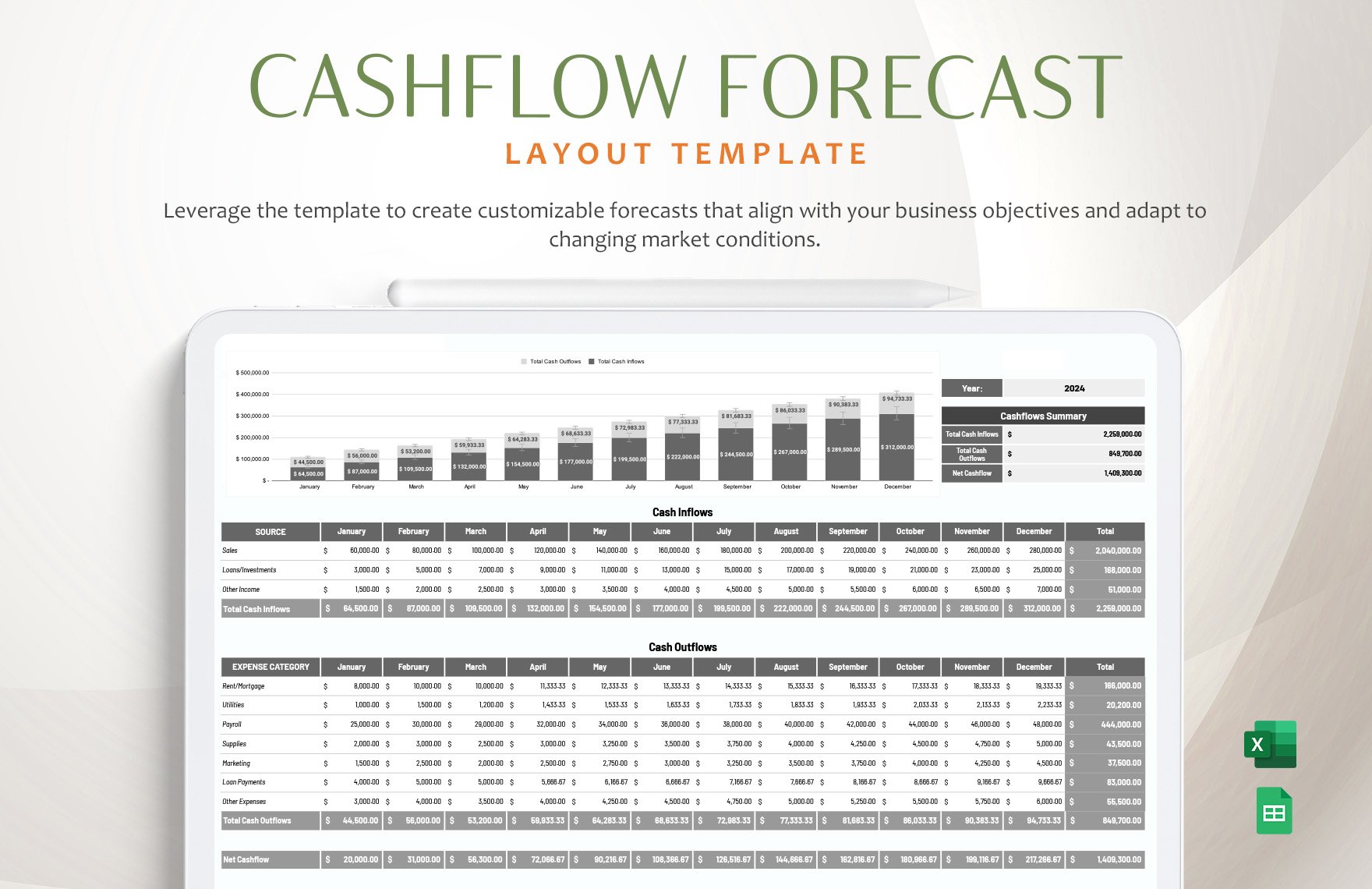
Forecast Versus Actual: The Most Useful Review Habit
A forecast becomes much more useful when it is compared with actual results. Without this comparison, a business can repeatedly make the same forecasting mistakes without recognizing them. A simple variance column can reveal where expectations differ materially from reality.
Suppose projected customer collections for a month were $50,000 and actual collections were $38,000. The difference does not automatically mean sales were lower. The cause could be delayed payments, disputed invoices, a change in billing dates, or customers moving purchases into another period.
The same principle applies to expenses. If projected supplier payments were $20,000 but actual payments were $28,000, the difference may reflect an unplanned inventory purchase, accelerated payment terms, or a prior-period liability being settled.
Variance analysis should focus on causes rather than merely percentages. A 20% variance on a tiny subscription may be irrelevant, while a 5% variance on payroll or customer collections could have a significant effect on liquidity.
Over time, repeated variances can improve the forecast. If collections consistently occur two weeks later than assumed, change the collection assumption. If utilities are consistently higher during particular months, incorporate that pattern rather than treating each variance as a surprise.
Practical Example: A Small Service Business
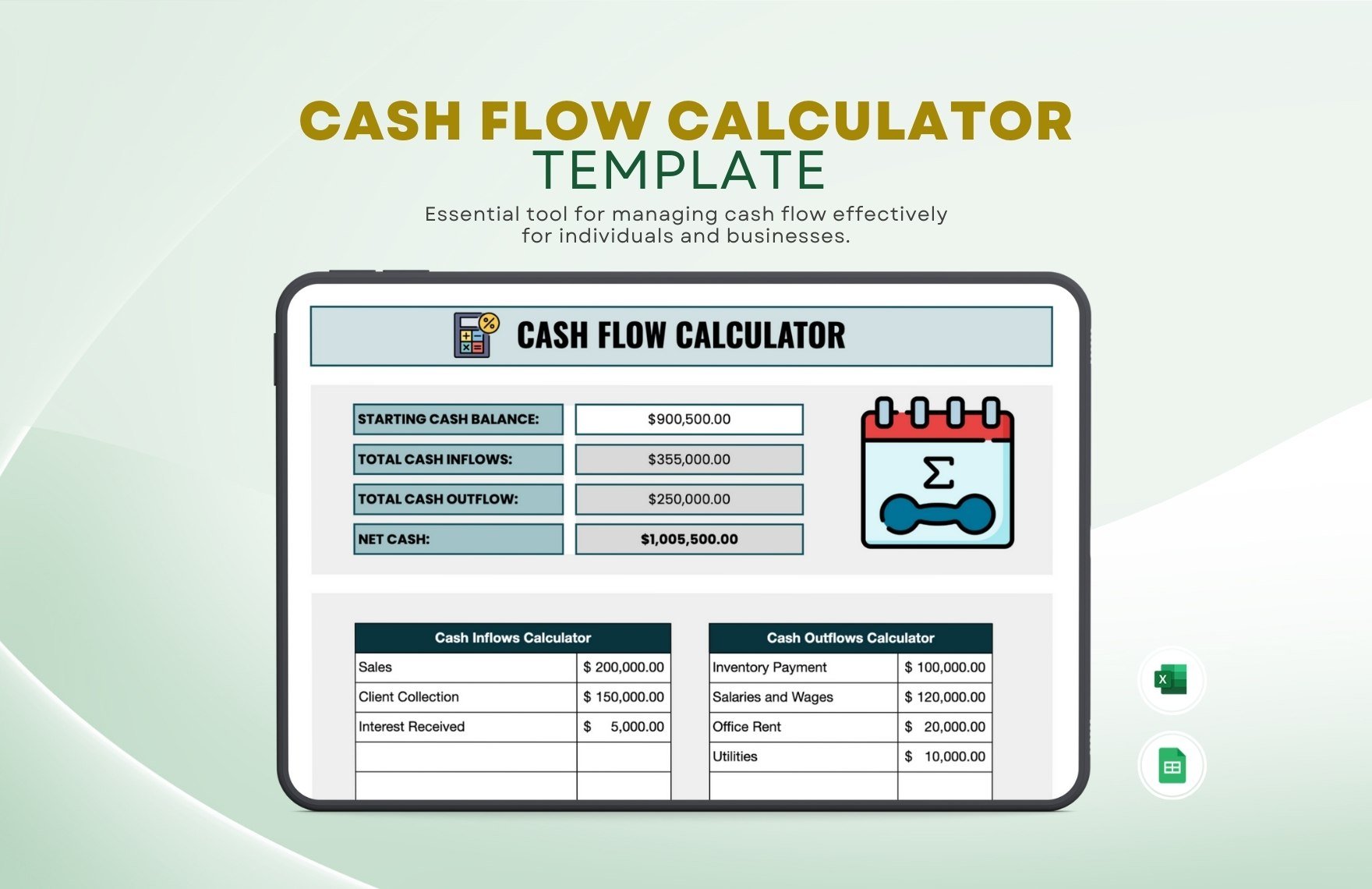
Consider a hypothetical design studio with an opening cash balance of $18,000. The studio expects $12,000 of customer collections during the month and plans to pay $4,500 in contractors, $2,000 in rent, $1,200 in software and utilities, and $1,000 in taxes. These figures are illustrative rather than real-world financial statistics.
Total expected cash inflows would be $12,000. Total planned outflows would be $8,700. The projected net cash change would therefore be $3,300. Adding that change to the $18,000 opening balance produces a projected closing balance of $21,300.
Now suppose the owner plans to purchase a $7,500 computer system during the same month. If that payment is included in the forecast, the projected closing balance falls to $13,800. The purchase may still be affordable, but the owner can now see its impact instead of making the decision based only on the current bank balance.
Suppose one customer then delays a $5,000 payment until the following month. The projected closing balance would fall to $8,800 if no other assumptions changed. That single timing difference could materially change the owner’s decision about the equipment purchase.
This example demonstrates why cash flow forecasting is primarily about timing. The underlying business may still have the same revenue and expenses, yet the date money enters and leaves the bank account can determine whether a decision is comfortable or risky.
How to Handle Accounts Receivable and Accounts Payable
Accounts receivable can create one of the largest differences between reported sales and available cash. When a business makes a credit sale, the customer may owe money without having transferred cash. A cash forecast should therefore estimate when receivables will actually be collected.
A practical approach is to group outstanding invoices by expected collection date. Near-term invoices can be included individually when their value is significant. Smaller invoices can be forecast using historical collection patterns. The more predictable the customer payment cycle, the more reliable the forecast can become.
Accounts payable create the opposite timing issue. A supplier invoice may be recorded as an obligation before the cash leaves the bank. Forecasting should reflect the actual or expected payment date rather than automatically treating the invoice date as the cash date.
Payment terms can materially affect cash. A business that negotiates longer supplier terms may preserve cash temporarily, while a business that offers customers longer payment terms may increase sales but also increase the amount of cash tied up in receivables.
A simple template does not need a full working-capital model to recognize these issues. Even a “customer collections” row and a “supplier payments” row can improve the forecast significantly if the dates are based on realistic payment behavior.
How to Manage Taxes, Debt, and Irregular Payments
Irregular payments are often overlooked in basic cash flow schedules because they do not appear every month. Taxes, insurance, annual software renewals, license fees, bonuses, loan principal payments, and major maintenance expenses can create sudden cash reductions.
The solution is to identify these payments in advance and place them in the period when cash is expected to leave. If the amount is uncertain, use a documented estimate and review it as more information becomes available.
Debt deserves special attention because loan payments can contain both interest and principal. For internal cash planning, the total amount leaving the bank is what matters to liquidity. For formal accounting presentation, however, classification of interest and principal can depend on the applicable reporting framework.
Tax payments should also be forecast by expected payment date. A business can appear to have abundant cash immediately before a tax deadline while actually having a large unavoidable payment approaching. The forecast should make that future obligation visible.
One useful practice is to add a notes or assumptions area to the workbook. Record the expected payment date, source of the estimate, and any uncertainty. This turns the forecast from a collection of numbers into a documented planning model.
Using Scenario Planning With a Simple Template
A basic forecast normally represents the expected case, but businesses can benefit from creating alternative scenarios. A conservative case might assume slower collections or lower sales, while an optimistic case might assume stronger customer demand or faster payments.
The scenarios do not need to be complicated. Start by identifying the assumptions that have the largest effect on cash. These might include monthly sales, customer collection timing, gross margin, payroll, inventory purchases, rent, debt payments, or planned capital expenditures.
For example, a business could model a base case in which customers pay within 30 days, a cautious case in which collections take 45 days, and an upside case in which collections take 20 days. The purpose is not to predict the future perfectly but to understand how sensitive the cash position is to timing.
Scenario analysis is particularly useful before major commitments. If an equipment purchase causes cash to fall below the desired reserve even under the expected case, management may want to delay it, negotiate payment terms, or arrange financing before committing.
Keep scenarios clearly labeled. Do not mix assumptions from different cases into one worksheet without an obvious distinction. A simple dropdown, separate columns, or separate tabs can make the scenarios easier to understand and compare.
Choosing Between a Cash Flow Statement and a Cash Flow Forecast
A cash flow statement is primarily historical. It explains what happened to cash during a completed reporting period. A cash flow forecast is prospective. It estimates what may happen in future periods based on assumptions and known information.
The two tools are related but should not be confused. A statement can show that operating activities generated cash last month, while a forecast can show that the company may experience a cash shortage next month because of an upcoming equipment purchase.
A simple business may combine both purposes in one workbook. Historical months can contain actual figures, while future months contain forecast figures. This creates a rolling view in which completed periods are progressively replaced with actual data.
Forecasts should not be presented as guarantees. They are models based on assumptions. The farther into the future the forecast extends, the more assumptions may be required. That makes regular updating especially important.
For decision-making, the most useful system is often one that connects the historical record with the forecast. Actual cash movements improve the assumptions, and the forecast highlights upcoming decisions that require attention.
Cash Flow Template Simple PDF and Printable Workflows
A cash flow template simple pdf can be useful when the primary need is printing, handwriting, reviewing, or sharing a fixed-format document. A PDF is particularly convenient when the recipient does not need to modify formulas or when a completed report needs to remain visually consistent.
The main limitation of PDF is that it is generally less convenient for ongoing calculations. If a business expects to update amounts every week or month, an editable spreadsheet is usually more practical. The PDF can then be produced as a reporting or archival version after the calculations are complete.
Printable worksheets can still be valuable for businesses that collect information manually. For example, a manager may record daily cash receipts and payments on paper during a field operation and enter the verified totals into the main spreadsheet at the end of the day.
When creating a printable version, keep the layout readable. Provide sufficient space for descriptions, use clear date fields, distinguish inflows from outflows, and include opening and closing cash balances. Avoid squeezing too many columns onto one page.
Whether the final document is digital or printed, the calculation logic should remain consistent. A manually completed PDF should reconcile to the same underlying cash figures as the spreadsheet whenever both are used for the same reporting period.
Common Cash Flow Template Mistakes
One common mistake is confusing revenue with cash receipts. A sale made on credit can increase revenue without increasing the bank balance. A cash flow forecast should therefore focus on when money is expected to be collected.
A second mistake is forgetting opening cash. Without an accurate starting balance, even perfectly calculated inflows and outflows can produce an incorrect ending balance. The opening figure should be reconciled to the relevant bank or cash records.
A third mistake is leaving out irregular expenses. Annual insurance, taxes, equipment purchases, bonuses, and debt repayments can materially change cash. These items should be scheduled rather than treated as surprises whenever they can be anticipated.
A fourth mistake is mixing forecast and actual numbers without labels. Users should always know whether a figure represents an estimate, an actual result, or a revised forecast. Otherwise, management may make decisions using outdated assumptions.
A fifth mistake is creating excessive complexity. A template with hundreds of categories and complicated formulas can discourage regular use. If a simpler model can provide the necessary decision information, simplicity is usually the better design.
Best Practices for Maintaining a Reliable Cash Flow Template
Update the template on a defined schedule. Weekly updates are useful for businesses with tight liquidity or irregular payments, while monthly updates may be sufficient for more stable operations. The right frequency is the one that provides enough warning without creating unnecessary administrative work.
Reconcile important figures against source records. Bank statements, payment platforms, accounting software, invoices, and payroll records can provide evidence that the forecast and actual figures are complete. Reconciliation helps detect missing transactions and duplicate entries.
Keep assumptions visible. If a customer is expected to pay on a particular date, record the basis for that expectation. If a cost is estimated from historical averages, document the period used. Transparent assumptions make forecasts easier to review and update.
Set a minimum desired cash balance. This is not a universal accounting requirement; it is a management threshold chosen according to the business’s obligations, risk tolerance, and access to funding. A forecast can then flag periods when projected cash approaches that threshold.
Archive completed periods rather than continually overwriting history. Keeping previous forecasts and actual results can help the business measure forecasting accuracy and identify recurring timing patterns.
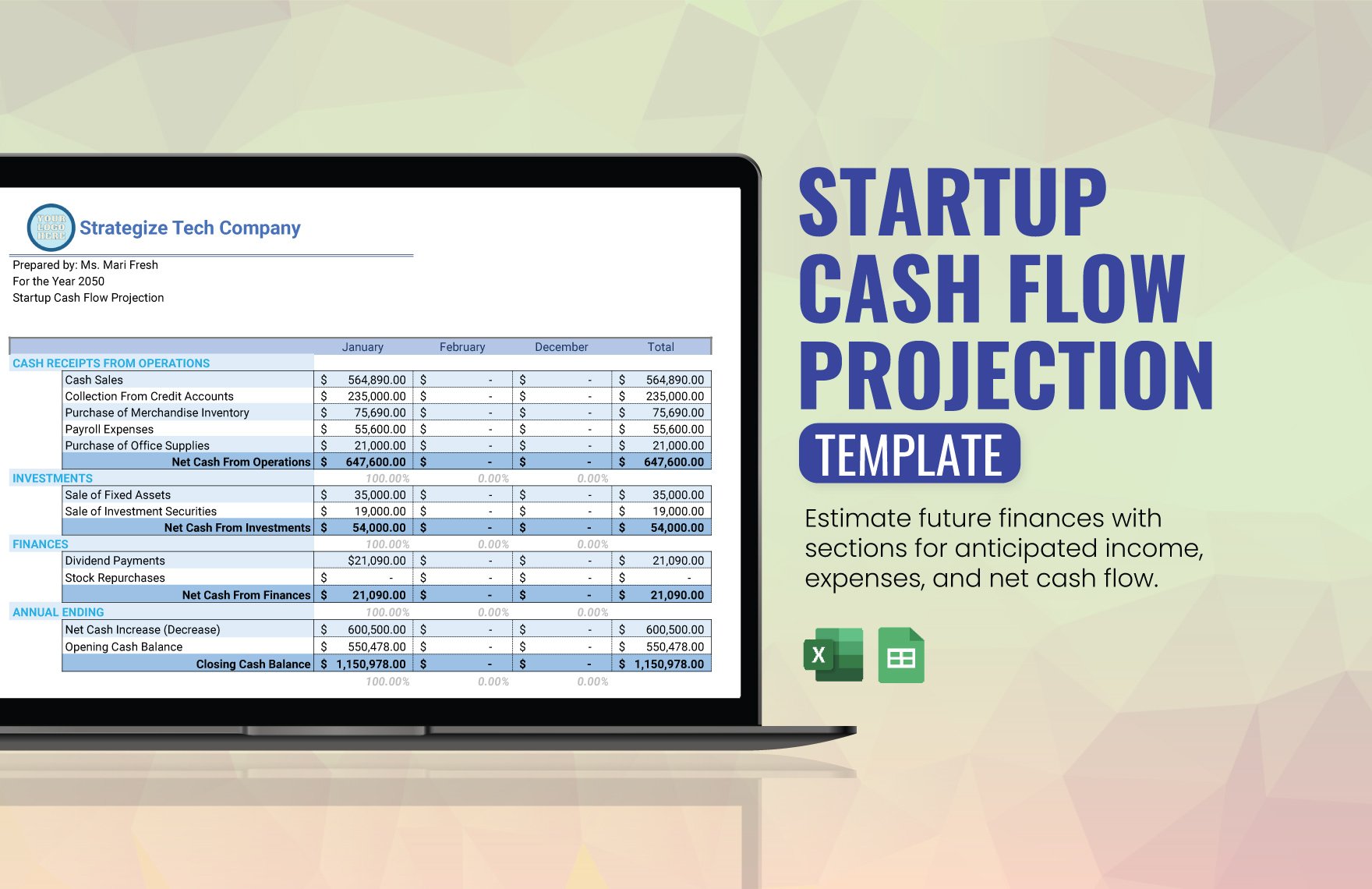
How to Audit the Formulas in a Spreadsheet
Start with the basic relationship: opening cash plus total cash inflows minus total cash outflows should equal closing cash. If this relationship does not work, there is a formula, sign, or data-entry problem somewhere in the workbook.
Next, test the monthly roll-forward. Change one month’s closing cash and confirm that the following month’s opening cash changes appropriately. If it does not, the workbook may contain hard-coded balances that prevent the forecast from rolling forward correctly.
Test a positive inflow and a negative outflow separately. Enter a small hypothetical value and observe the effect on net cash and ending cash. This is a simple way to confirm that signs are being handled consistently.
Review totals for hidden exclusions. Spreadsheet formulas can accidentally omit newly added rows. If users frequently insert transactions, structured tables or clearly defined ranges can reduce this risk.
Finally, protect or clearly identify formula cells. A reliable template should make it difficult for a user to overwrite a calculation while entering ordinary transaction data. The simpler the interface, the easier it is to maintain accuracy over time.
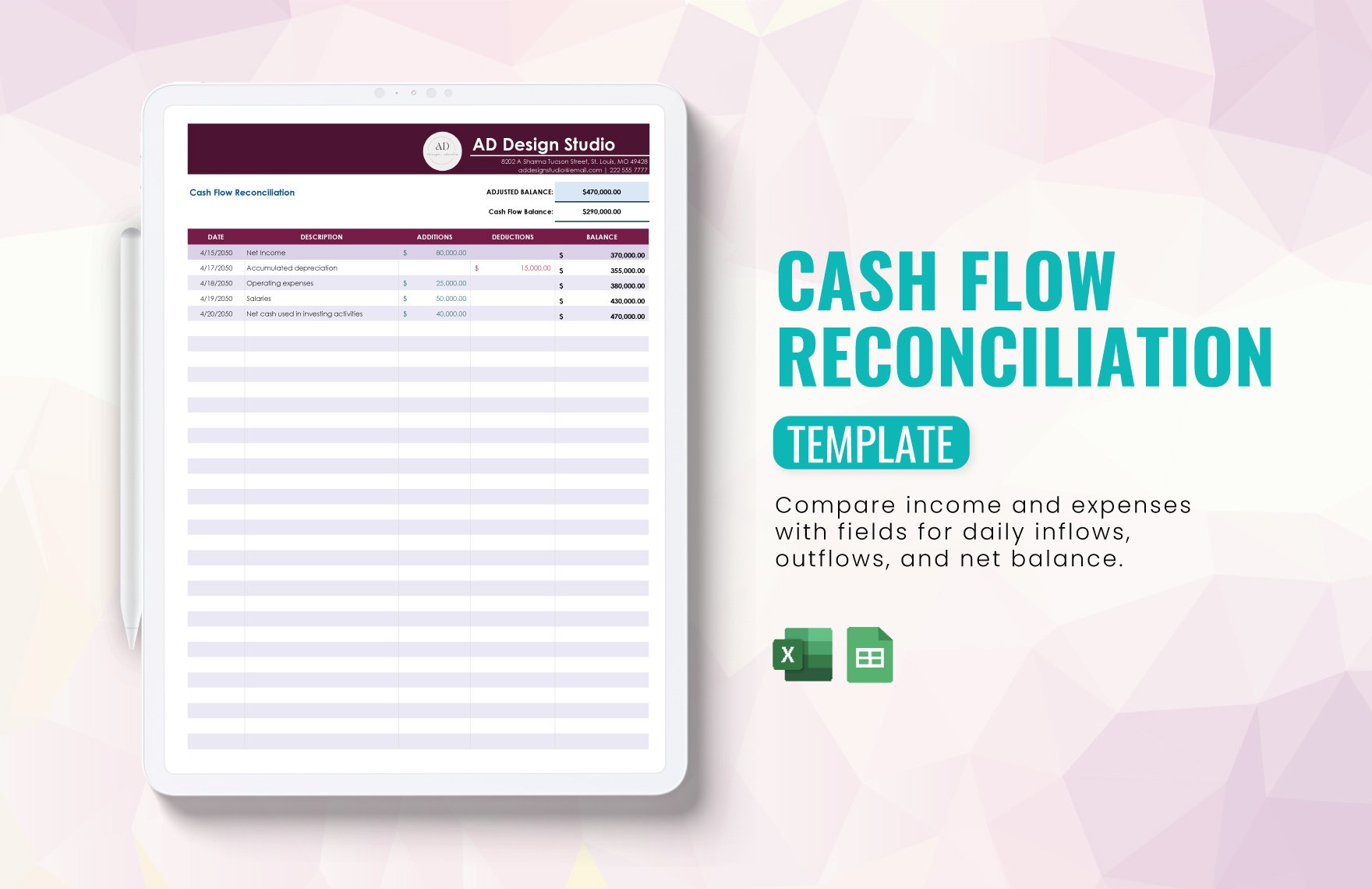
Practical Solution: Build a Simple Cash Flow System in One Afternoon
The most practical solution is to begin with the smallest model that answers your immediate cash questions. Create a workbook with four areas: opening cash, expected inflows, expected outflows, and closing cash. Do not add complex categories until the basic model works reliably.
First, enter the current cash balance using a verified source. Then list expected receipts for the next 13 weeks or 12 months, depending on the planning need. For each significant receipt, estimate the date it is actually expected to reach the business bank account.
Second, list recurring and irregular payments. Include payroll, rent, utilities, suppliers, taxes, subscriptions, loan payments, insurance, planned equipment purchases, and owner distributions where relevant. Put payments in the periods when cash is expected to leave.
Third, calculate net cash flow and ending cash for every period. Add a minimum cash threshold so that low-balance periods become immediately visible. If the forecast falls below the threshold, identify the specific receipt or payment that causes the problem.
Fourth, create an assumptions area. Record major collection assumptions, planned purchases, financing dates, hiring plans, tax payments, and unusual expenses. This gives future reviewers enough context to understand why the forecast looks the way it does.
Fifth, compare the forecast with actual results at the end of each period. Replace estimates with actual figures, calculate the variance, and document the reason for significant differences. Then update future assumptions based on what was learned.
Sixth, maintain separate versions for operational use and reporting when necessary. The working spreadsheet can contain transaction-level detail, while a simplified management view can show only opening cash, inflows, outflows, net change, closing cash, and major risks.
Seventh, review the forecast before major decisions. Use it before hiring, buying equipment, increasing inventory, accepting large contracts with long payment terms, making owner distributions, or taking on new debt. The objective is to understand the cash consequence before the commitment becomes irreversible.
Eighth, use scenario analysis when the decision is material. Create expected, cautious, and optimistic cases using only the assumptions that genuinely drive cash. A small number of meaningful scenarios is usually better than dozens of arbitrary variations.
Ninth, establish ownership. One person should be responsible for maintaining the model, while relevant managers can provide assumptions about sales, purchasing, payroll, projects, or financing. A forecast becomes more reliable when responsibilities for its inputs are clear.
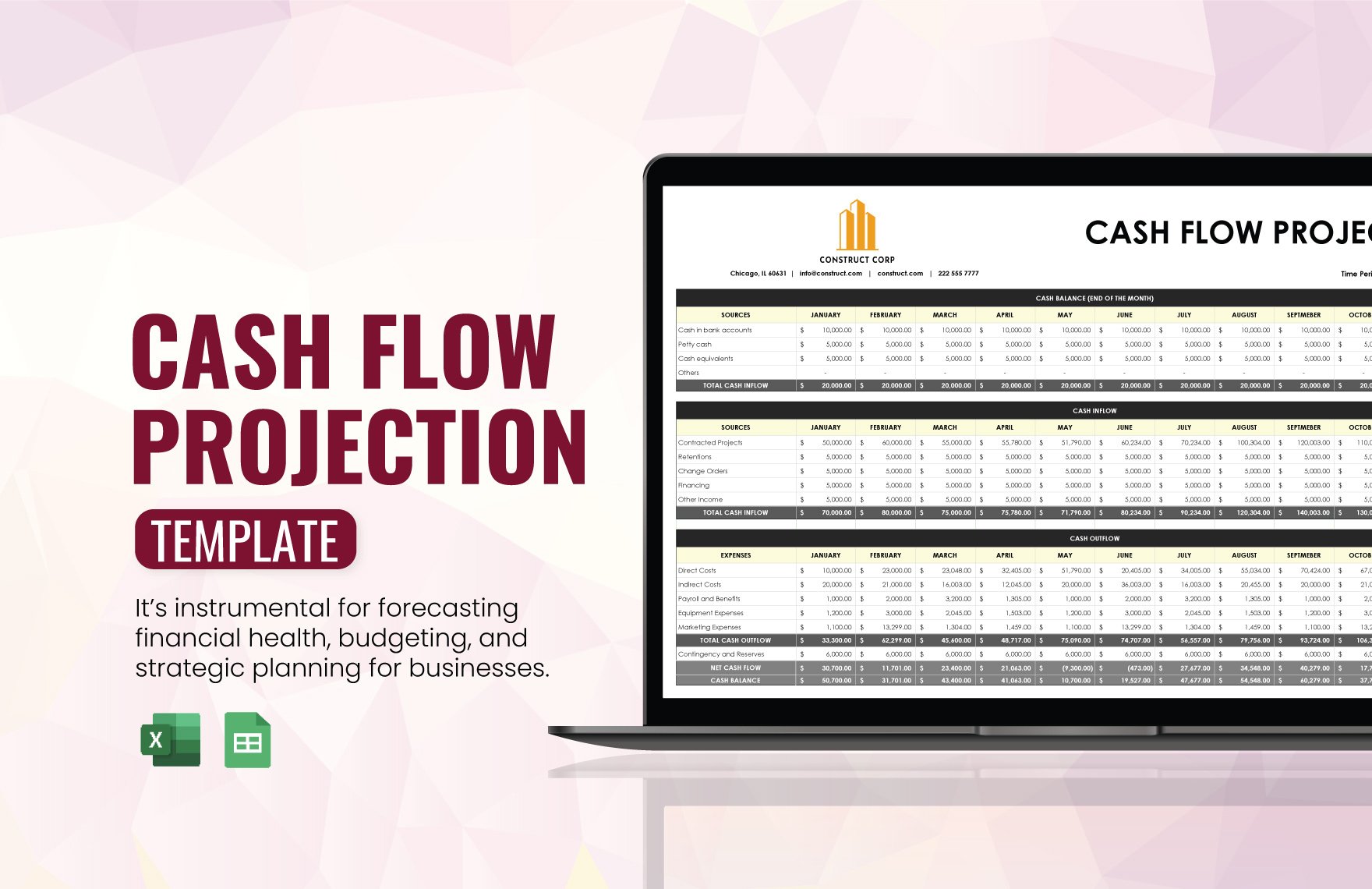
Reference Examples
The following visual references are provided in the requested keyword order and illustrate different spreadsheet, statement, forecasting, printable, and simple cash flow formats.
cash flow template simple excel
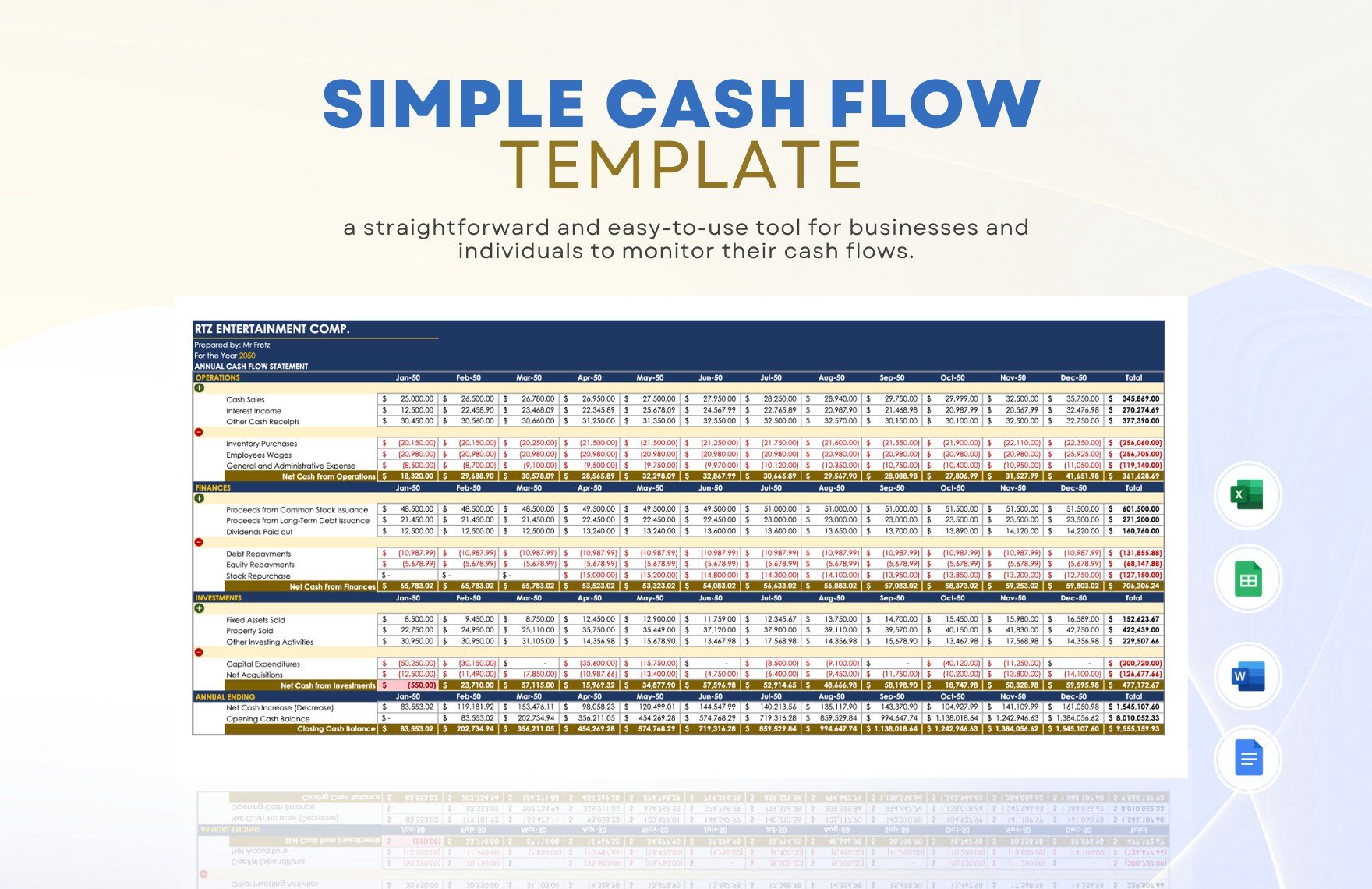
Source: Template.net
cash flow template simple free download
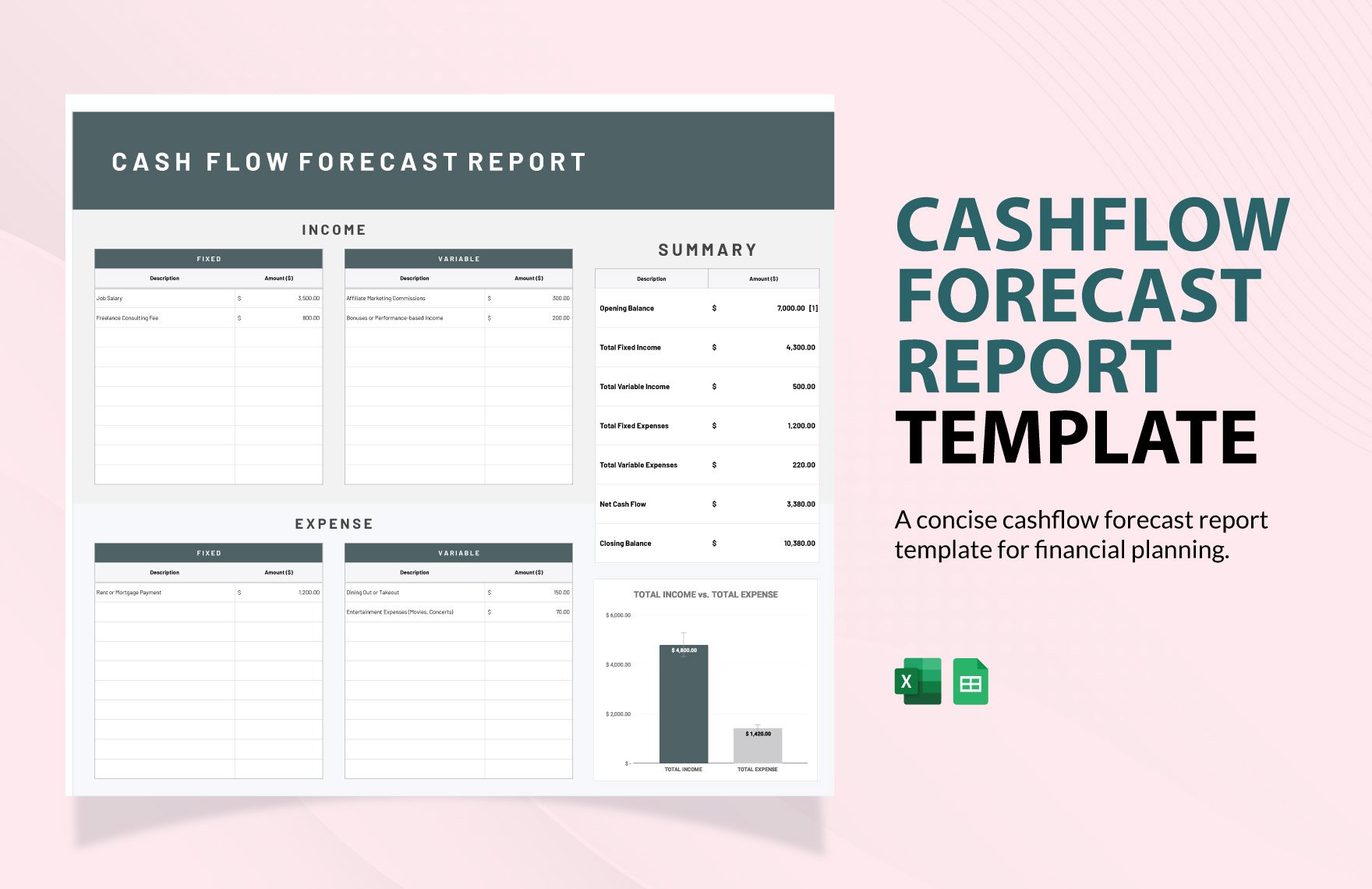
Source: Template.net
cash flow template simple google sheets
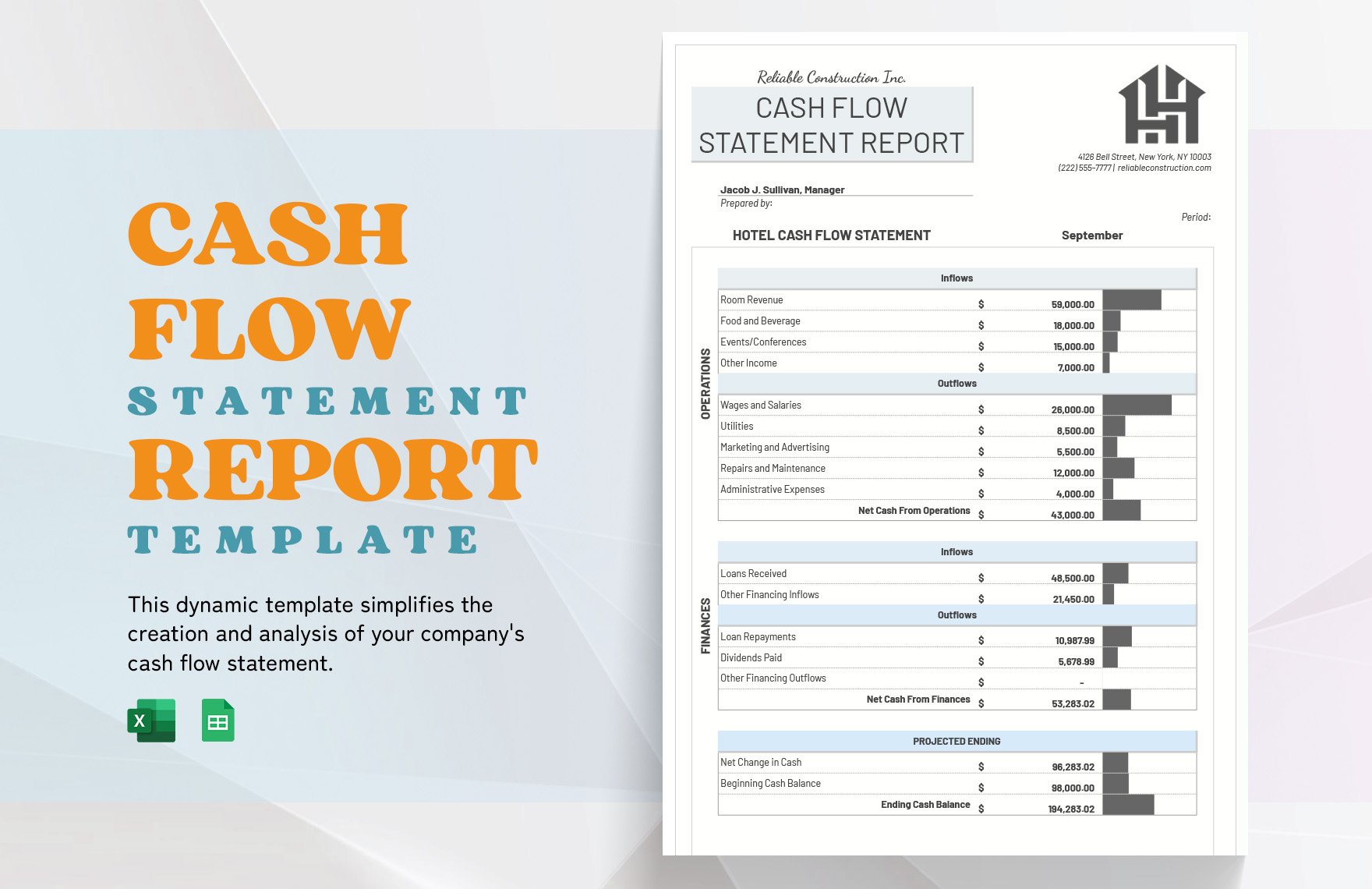
Source: Template.net
cash flow template simple free
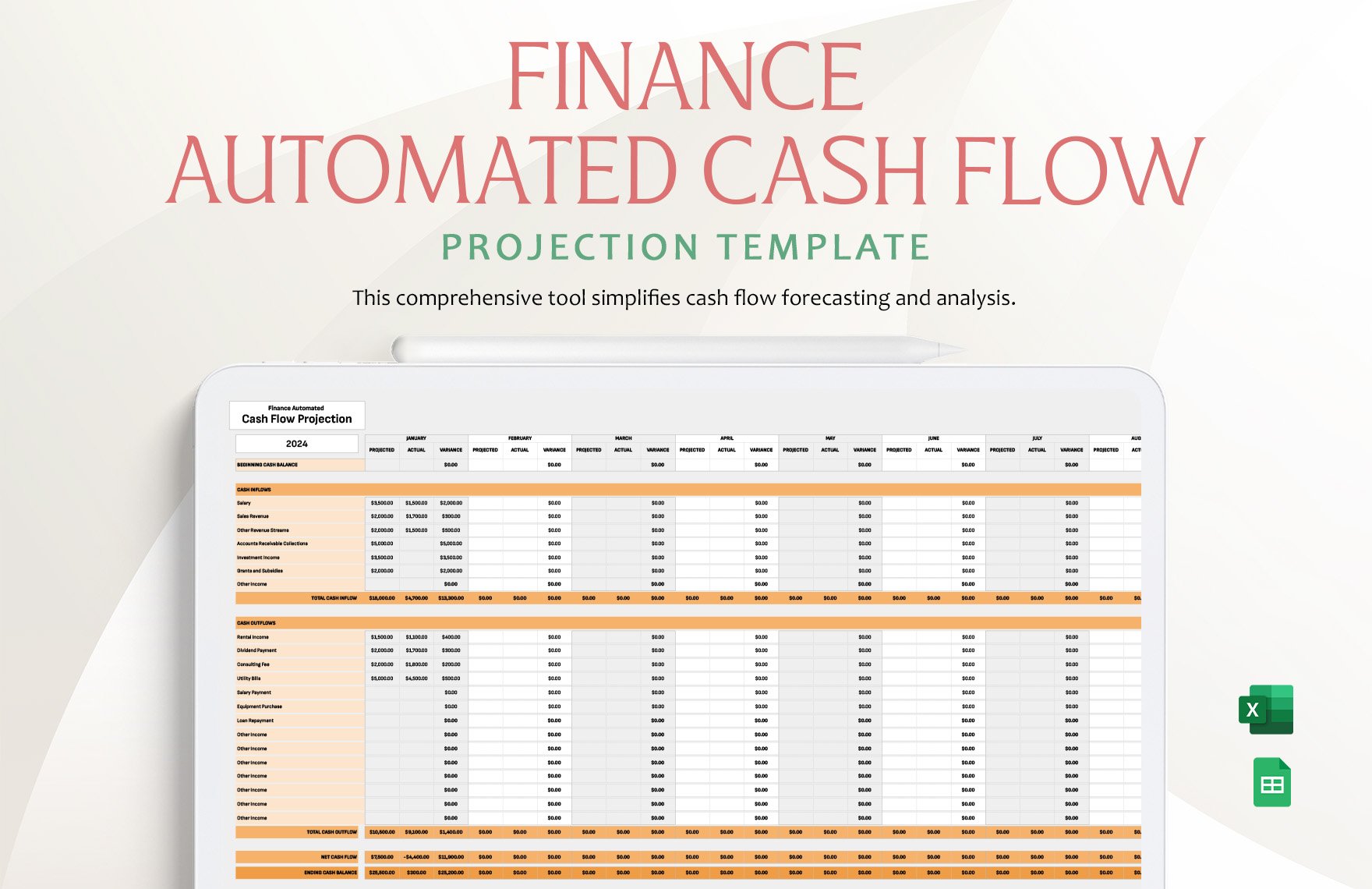
Source: Template.net
cash flow template simple pdf
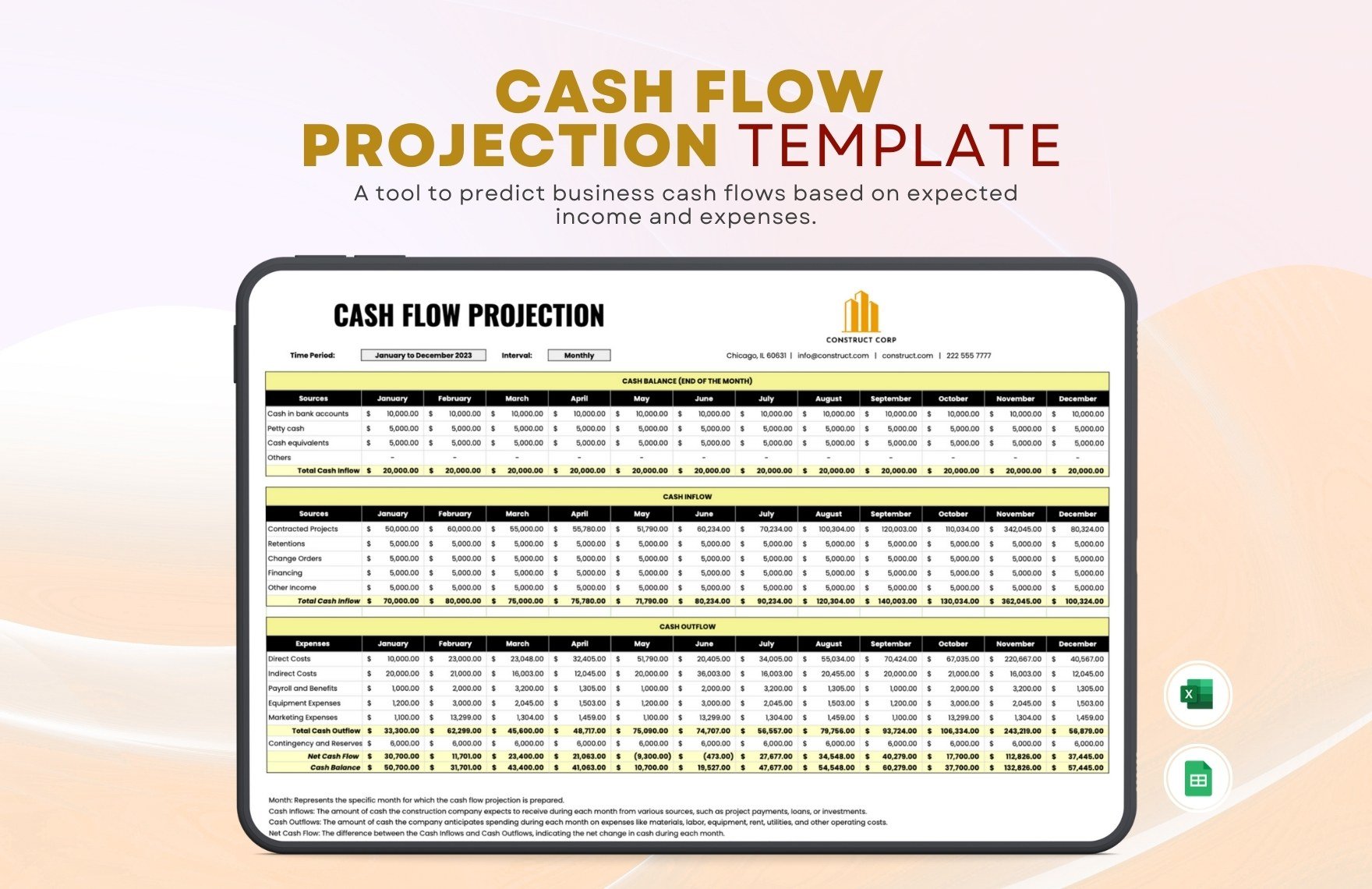
Source: Template.net
simple cash flow template
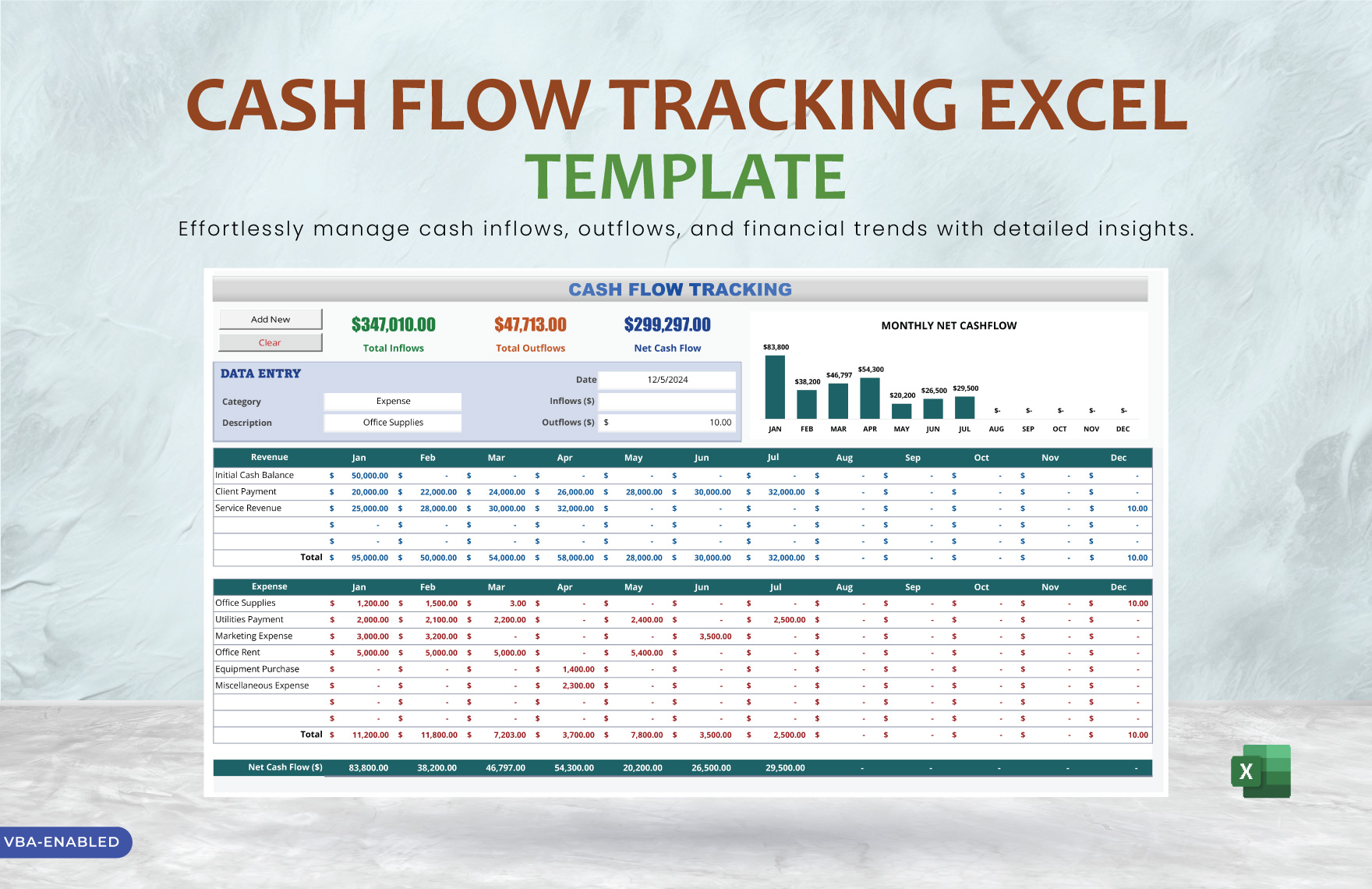
Source: Template.net
simple cash flow statement template
Source: Template.net
simple cash flow forecast template
Source: Template.net
Frequently Asked Questions
What is the simplest cash flow template?
The simplest useful format has an opening cash balance, cash inflows, cash outflows, net cash change, and closing cash balance. For transaction tracking, add date, description, category, cash in, cash out, and running balance columns.
Is a simple cash flow template suitable for a small business?
Yes. A simple template is often appropriate when the business has relatively straightforward transactions. It should still include the cash movements that materially affect liquidity and should be updated consistently.
What is the difference between cash flow and profit?
Profit measures financial performance under the applicable accounting basis, while cash flow focuses on movements in cash and cash equivalents. Timing differences such as unpaid invoices, inventory purchases, debt payments, and capital expenditures can make the two figures very different.
Should cash inflows and outflows be recorded separately?
Separate columns are often easiest for beginners because they make receipts and payments visually clear. A single signed cash movement column can also work if inflows are positive and outflows are negative and the convention is applied consistently.
How often should a cash flow forecast be updated?
Businesses with tight liquidity or irregular payment timing may benefit from weekly updates. More stable businesses may use a monthly cycle. The forecast should be updated often enough to provide meaningful warning of future cash pressure.
Can a cash flow template be used for forecasting?
Yes. Replace historical transaction amounts with expected receipts and payments for future periods, then calculate projected net cash flow and closing cash. A rolling forecast can combine completed actual periods with future estimates.
Is Excel or Google Sheets better for cash flow tracking?
Both can work well. Excel is strong for detailed financial modeling and offline workbook management, while Google Sheets can be convenient for collaborative editing. Choose the platform that fits the people responsible for maintaining the forecast.
When should a business use a more detailed cash flow model?
Consider increasing the level of detail when the business has substantial receivables, inventory, debt, multiple entities, major capital expenditures, seasonal cash cycles, financing requirements, or frequent cash shortages.
What should I do when projected cash becomes negative?
Identify the exact period and transaction causing the shortfall. Then review collection timing, discretionary spending, supplier terms, planned purchases, financing options, and other controllable cash drivers. The forecast should support action before the shortage occurs.
Conclusion
A well-designed cash flow template simple enough to maintain consistently can become one of the most useful financial tools in a small business. The essential structure does not need to be complicated: start with reliable opening cash, forecast or record actual receipts and payments, calculate net cash movement, and carry the resulting balance into the next period.
The strongest templates also recognize the difference between historical reporting and future planning. A cash flow statement explains what happened, while a forecast helps management prepare for what may happen next. Combining actual results with forward-looking assumptions creates a more useful system than relying on either view alone.
Whether you work in Excel, Google Sheets, or a printable format, prioritize accurate timing, consistent categories, transparent assumptions, and regular forecast-versus-actual reviews. Keep the workbook simple enough that it will actually be updated, but detailed enough to expose the cash decisions that matter.
Ultimately, the best cash flow template simple approach is not the template with the most formulas or categories. It is the system that reliably tells you how much cash you have, when money is expected to arrive, when commitments must be paid, and where action may be needed before a cash problem becomes urgent. Which version would you build first: Excel, Google Sheets, or printable PDF?
