The phrase can also reflect several different search needs. Some people are looking for a planning document, while others need a spreadsheet for tracking campaigns, a content calendar, a report format, or a reusable stock and asset-management structure. The best solution depends on what the template is expected to control. A planning document is useful for strategy, a spreadsheet is stronger for structured data, and a visual document is often better for presenting recommendations to clients or management.
Modern social media marketing requires both creative and analytical work. A marketer may need to decide which audience to target, create a content mix, schedule posts, manage images, monitor campaigns, compare channels, and explain results. A template does not replace those decisions, but it reduces the administrative friction around them. It gives every campaign a repeatable starting point and makes it easier for several people to work from the same information.
This guide explains how to build and use a comprehensive social media marketing template, how to choose the right file format, how to organize social media assets and stock resources, how to track performance, and how to turn the template into a practical operating system rather than a document that is completed once and forgotten.
What Is a social media marketing stock Template?
A social media marketing template is a pre-structured framework for planning, executing, documenting, and evaluating social media activity. The word “template” is important because the framework is reusable. Instead of starting with an empty page every time a campaign begins, the marketer has predefined sections that prompt the right questions and collect information in a consistent way.
The “stock” element can be interpreted as the organized pool of materials needed for marketing activity. Depending on the organization, that pool may include stock images, graphics, campaign concepts, approved captions, content formats, brand assets, product information, or a library of reusable creative resources. A practical system should distinguish between assets that are ready for publication and assets that still require editing, approval, licensing checks, or adaptation.
A useful template therefore has two related functions. First, it acts as a planning tool by describing what the marketing team intends to accomplish. Second, it acts as a management tool by recording what was actually produced, published, measured, and learned. The second function is often overlooked, yet it is essential for continuous improvement.
Good templates are neither excessively complicated nor overly minimal. A one-page document may be enough for a small campaign, while a large organization may need several connected sheets covering strategy, content production, creative inventory, paid campaigns, analytics, and reporting. The correct level of complexity is the lowest level that captures the information required to make good decisions.
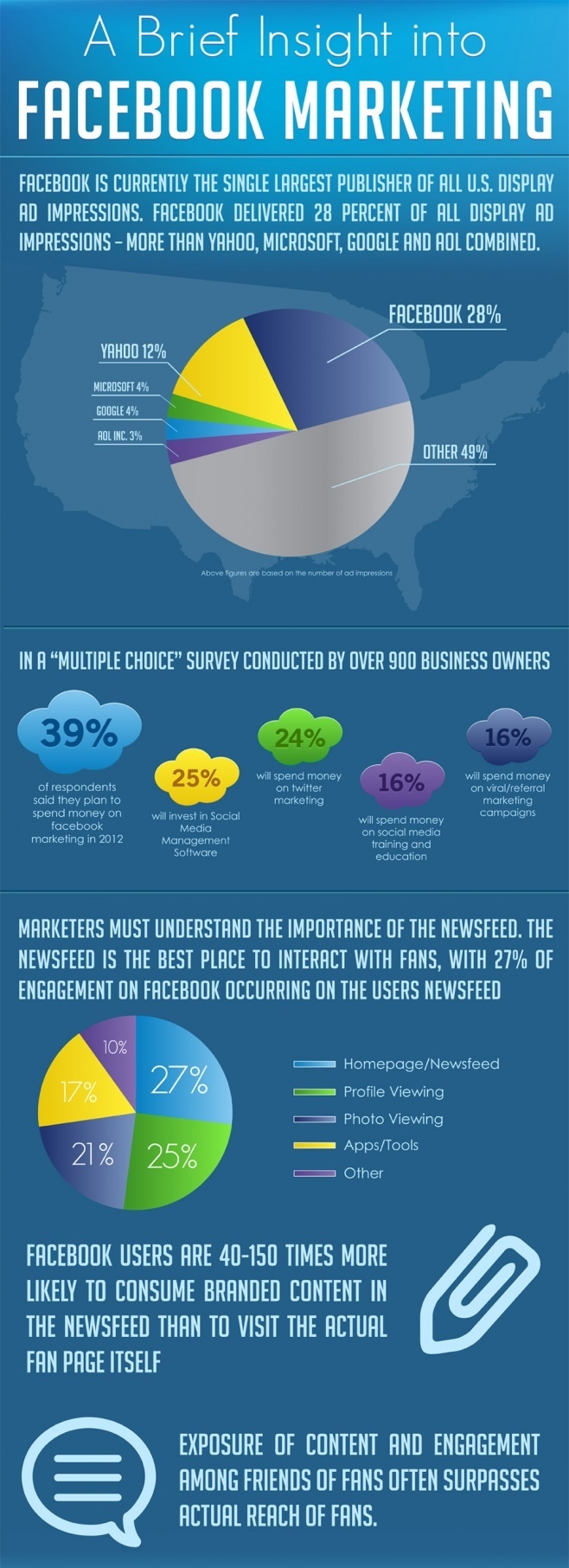
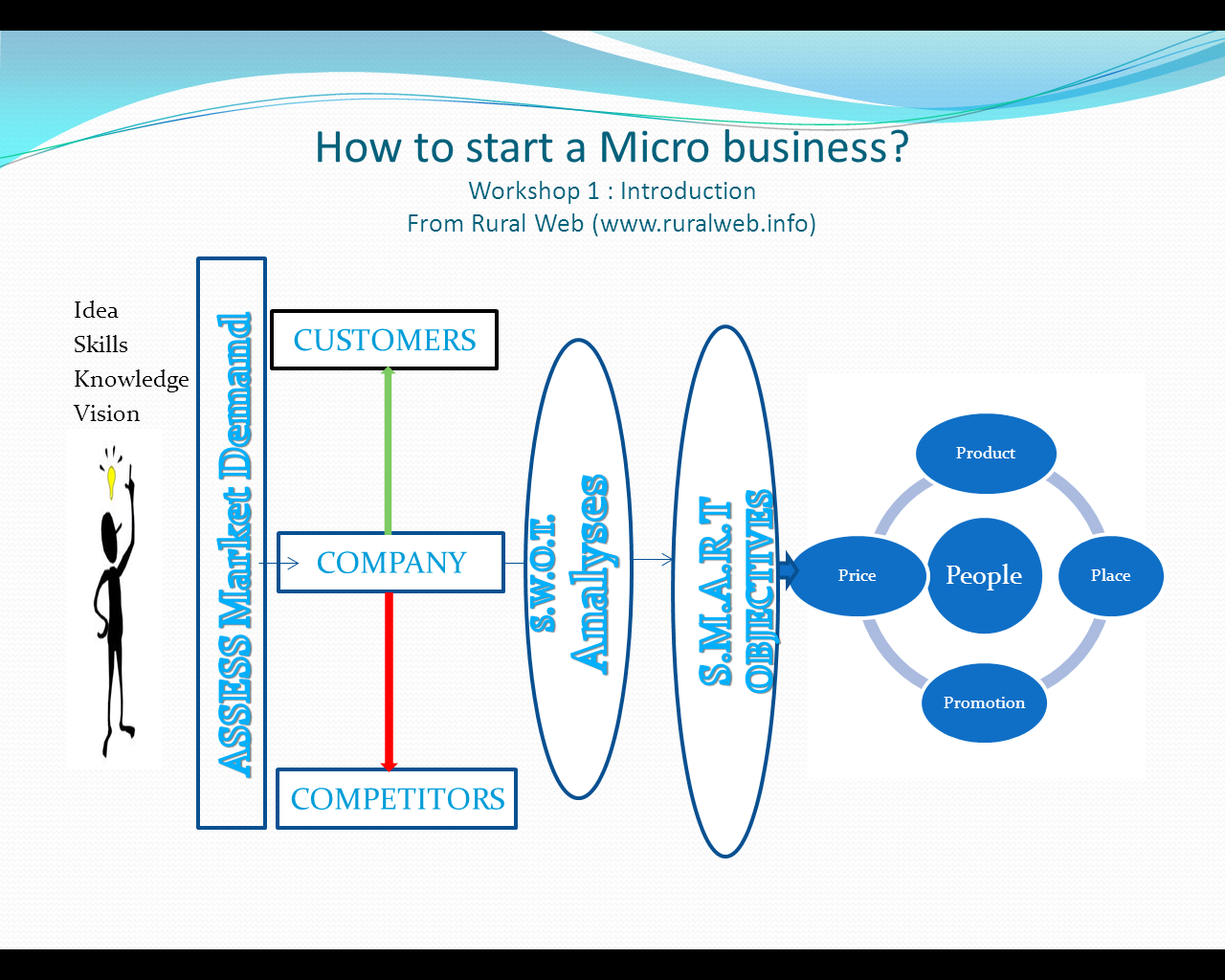
Visual examples can help marketers understand how different information structures work. A marketing diagram, for instance, may show how platforms, content, audiences, and objectives relate to one another, while a spreadsheet may emphasize rows, columns, dates, and measurable fields. These are not competing approaches; they solve different parts of the same planning problem.
Why Use a Social Media Marketing Template?
The main benefit of a template is consistency. When campaigns are planned differently every time, important information is easily omitted. One campaign may record the target audience but not the objective. Another may track impressions but fail to document the creative concept. A template creates a minimum standard so that important decisions are recorded before execution begins.
Templates also save cognitive effort. Marketers should spend their time deciding what message will help an audience, which offer is appropriate, or which channel deserves investment. They should not repeatedly decide where to write the campaign objective or how to structure a weekly content schedule. Standardized sections turn recurring administrative decisions into a simple routine.
Another advantage is easier collaboration. A designer, copywriter, social media manager, analyst, and business owner may all look at the same campaign from different perspectives. A shared template provides a common language. The designer can see the required asset format, the copywriter can see the message objective, the analyst can see the measurement plan, and the manager can see the business goal.
Templates are particularly useful when several social networks are involved. The same campaign concept may need different formats, lengths, calls to action, or publishing schedules. A structured template can record the master concept while providing platform-specific fields underneath it. This prevents the common mistake of treating every channel as though it has identical requirements.
Finally, a template creates a historical record. When a campaign finishes, the organization should be able to answer basic questions: What did we intend to achieve? What did we publish? Which assets were used? What happened? What worked? What did not work? What should we change next time? A reusable template makes those questions part of the normal workflow rather than an emergency reporting exercise.

Core Components of a Strong Social Media Marketing Template
1. Campaign or Business Objective
Every template should begin with an objective. The objective should describe the business or marketing outcome rather than merely the activity. “Publish five posts” is an activity. “Increase qualified website enquiries from social channels during the campaign period” describes an outcome. The difference matters because performance can only be evaluated meaningfully when the intended result is clear.
Use a dedicated field for the primary objective and, when appropriate, two or three supporting objectives. Keeping the number limited prevents the campaign from trying to accomplish everything at once. A campaign focused on awareness may use reach or qualified exposure as supporting measurements, while a lead-generation campaign may prioritize enquiries, landing-page actions, or completed forms.
2. Target Audience
The audience section should describe who the campaign is intended to reach and why the message is relevant to them. Useful fields include audience segment, customer problem, motivation, objections, buying stage, preferred content format, and relevant platform behavior. The purpose is not to create an elaborate fictional persona; it is to provide enough context for better content decisions.
Audience information should also connect to the offer. If the campaign targets people who are still researching a problem, educational content may be more appropriate than an aggressive sales message. If the audience already understands the category, comparisons, demonstrations, case examples, or specific offers may be more useful.
3. Platforms and Content Formats
List the selected platforms and explain why each one is included. A template becomes more useful when it separates the platform from the content format. For example, a campaign might use short video, static graphics, document-style posts, links, or stories. This allows the team to plan the content mix instead of simply writing the name of a social network.
Platform selection should be based on audience relevance, available resources, business objectives, and the team’s ability to produce suitable content consistently. A business does not necessarily benefit from appearing on every network. A smaller number of well-managed channels can be more useful than a large number of neglected profiles.
Templates can make annual or quarterly planning easier by turning abstract strategy into visible scheduling information. A calendar-style visual, for example, can reveal whether content is concentrated around one campaign or distributed across several objectives. The same visual principle can be recreated in a spreadsheet using dates, categories, and status fields.

Building the Content Planning Section
The content section is where the strategy becomes practical. At minimum, record the planned publication date, platform, content format, topic, content pillar, campaign, objective, call to action, asset status, approval status, and owner. Additional fields can be added when they solve a real workflow problem.
Content pillars are particularly valuable because they prevent a calendar from becoming a random collection of topics. A business might use education, product information, customer proof, industry insight, community content, and promotional material as recurring pillars. The exact categories should reflect the business rather than follow a universal formula.
A good template also separates the idea from the final post. The idea is a concept that may be reused or adapted. The final post is the actual publication with approved copy, selected creative, platform specifications, and a publishing date. Keeping those stages separate helps teams maintain a healthy pipeline without confusing an early concept with a finished asset.
Asset status can use simple stages such as idea, briefed, in production, ready for review, approved, scheduled, published, and archived. A consistent status vocabulary makes it easier to identify bottlenecks. If many assets remain in “ready for review,” the approval process may be the problem rather than content production.
Creative information should be connected to each content record. Instead of placing large files directly into a spreadsheet, record an asset name, asset type, campaign, intended platform, version, owner, approval status, and storage location. This turns the template into an index without making it a substitute for a proper file-management system.

Managing Social Media Stock and Creative Assets
Stock resources can become difficult to manage when a marketing team accumulates hundreds of images, icons, videos, mockups, and campaign graphics. A template can provide a simple inventory that records what exists, where it came from, what it can be used for, and whether its usage conditions have been checked.
Useful inventory fields include asset ID, filename, asset type, subject, campaign, platform, orientation, resolution, creator or source, license status, expiration information when applicable, approval status, and location. These fields should be adapted to the organization’s actual requirements rather than copied mechanically from another system.
Licensing deserves special attention. A stock image may be technically accessible but still unsuitable for every marketing purpose. The marketing team should know whether an asset is licensed for commercial use, whether attribution is required, whether modification is permitted, and whether any restrictions apply. A template can include a “license checked” field, but that field should never be treated as proof of licensing by itself.
Version control is another important consideration. If an image is edited for different platforms, use clear naming conventions so that the team can distinguish the master file from resized, cropped, localized, or campaign-specific versions. The template should point to the current approved version rather than leaving team members to guess which file is correct.
The best asset inventory is deliberately boring. It should make information easy to find instead of becoming another creative project. When a marketer needs a particular format, the inventory should answer three questions quickly: what asset is available, whether it is approved for use, and where the current file can be accessed.

Choosing Between Excel, Google Sheets, Word, Google Docs, and PDF
File format should be selected according to the job the template must perform. Spreadsheet formats are strongest when the document contains repeated records, dates, calculations, filters, sorting, status fields, or performance data. Document formats are stronger when the primary purpose is narrative planning, explanation, approval, or presentation.
Excel is useful for structured tracking because it supports formulas, tables, filters, validation, conditional formatting, and charts. It is a good choice when the marketing team needs a working dataset rather than a static document. A well-designed spreadsheet can also separate raw data, calculations, dashboards, and reporting notes into different sheets.
Google Sheets is useful when multiple people need to update the same planning data and visibility is more important than desktop-only editing. It can work particularly well for collaborative content calendars, campaign trackers, asset inventories, and reporting tables. However, permissions and ownership should be managed carefully so that the working file does not become cluttered or accidentally overwritten.
Word and Google Docs are better suited to strategic documents that require explanatory text. They work well for campaign briefs, social media strategies, client proposals, brand guidelines, and narrative reports. A document can explain why a campaign exists and how decisions should be made, while a spreadsheet can track the execution details.
PDF is primarily a distribution and presentation format. A PDF is useful when a completed plan needs to be shared without expecting recipients to edit the source document. It can also provide a stable snapshot of an approved plan. For an active working system, however, the editable source should generally remain in its original document or spreadsheet format.
Designing a Social Media Marketing Stock Template in Excel
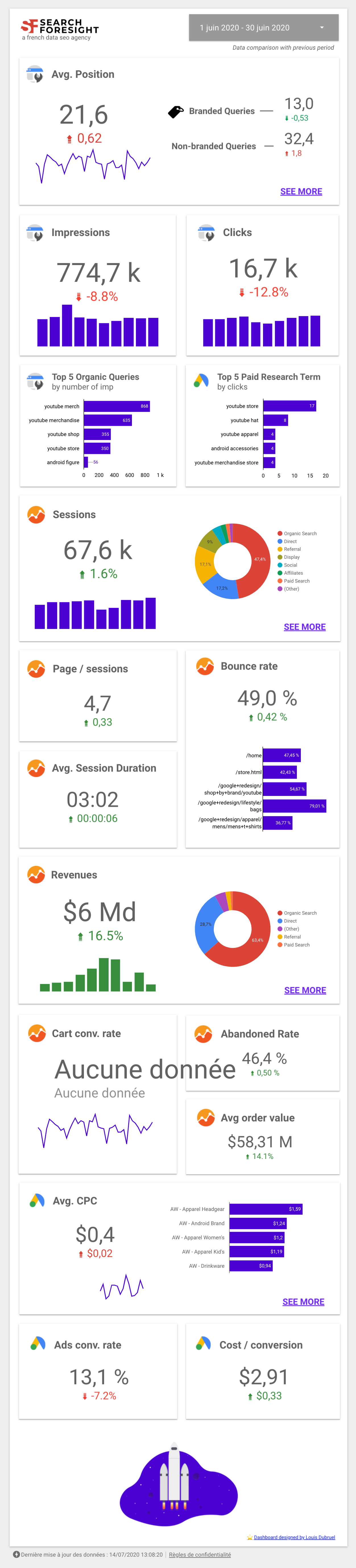
A practical Excel workbook can contain separate sheets for strategy, content calendar, asset inventory, campaign tracking, performance data, and reporting. Separating functions reduces the temptation to create one enormous worksheet where every piece of information is mixed together.
The first sheet can serve as the campaign dashboard. It should summarize the campaign name, objective, dates, target audience, selected platforms, primary KPI, budget, and current status. The purpose is to provide context before someone starts working with detailed rows.
The second sheet can contain the content calendar. Useful columns include date, day, platform, format, content pillar, topic, campaign, caption status, creative status, approval status, publishing status, owner, and final URL when applicable. Filters allow a manager to view only a particular platform, campaign, owner, or status.
The asset inventory can use a separate table. It should avoid storing unnecessarily large files inside the workbook. Instead, use descriptive metadata and a reliable reference to the approved asset location. If links are used, they should point to stable internal or public resources rather than temporary sessions.
The performance sheet should preserve the original observations before calculating derived metrics. For example, record impressions, reach, clicks, engagements, conversions, spend, and other relevant values first. Calculated fields can then derive rates or cost measures. Keeping raw values separate from formulas makes the workbook easier to audit.

Using Google Sheets for Collaborative Social Media Marketing
A collaborative spreadsheet works best when the structure is agreed upon before many people start editing it. Define the meaning of each column, establish a small number of approved status values, and protect formulas or reference fields that should not be modified casually.
Dropdown fields can improve consistency. For example, platform might use a predefined set of channels, while content status might use idea, production, review, approved, scheduled, and published. Consistent values make filtering and reporting far easier than free-text descriptions.
Another useful practice is separating planning from reporting. The content calendar should answer what is supposed to happen. The performance sheet should answer what happened. Combining both can be useful for small teams, but larger workbooks become easier to maintain when these functions have distinct tables.
Collaborative spreadsheets should also have clear ownership. Someone should be responsible for maintaining the template structure, while individual team members own their assigned records. Without governance, a collaborative sheet can gradually accumulate duplicate columns, inconsistent labels, old formulas, and conflicting versions.
Dashboards should be kept simple. The purpose of a dashboard is to reveal important changes, not to display every available metric. A small number of well-selected charts can show trends, channel comparisons, campaign performance, and progress toward objectives more effectively than a crowded screen.

How to Create a Social Media Marketing Template Step by Step
Step 1: Define the Planning Period
Start by deciding whether the template is intended for a single campaign, one month, a quarter, or an annual plan. The planning period determines the level of detail required. An annual strategy needs broad objectives and themes, while a weekly content calendar needs exact publishing dates and production statuses.
Step 2: Define the Business Objective
Write one primary objective and connect it to a measurable indicator. Avoid beginning with the platform itself. The business objective should determine the role of social media, not the other way around. If the objective is awareness, the template should emphasize qualified exposure and audience development. If the objective is conversion, the structure should support tracking actions beyond engagement.
Step 3: Define the Audience
Describe the audience segment, need, problem, motivation, and buying stage. Identify the information that would make the content useful to that audience. If multiple audiences require substantially different messages, create separate campaign sections instead of forcing them into one generalized description.
Step 4: Select Platforms
Choose channels based on audience fit, content capabilities, business priorities, and available resources. Record the reason for selecting each channel. This simple explanation becomes valuable during later reviews because it lets the team evaluate whether the original assumption was correct.
Step 5: Build Content Pillars
Choose a manageable set of recurring themes. Each pillar should have a clear purpose. Educational content can answer questions, product content can explain value, proof content can reduce uncertainty, and promotional content can encourage action. The categories should work together rather than compete for attention.
Step 6: Build the Production Workflow
Document who owns briefing, writing, design, review, approval, scheduling, publishing, and reporting. A template becomes significantly more useful when responsibility is explicit. Otherwise, every team member may assume someone else is handling the next step.
Step 7: Add Measurement
Define the primary KPI before the campaign launches. Add supporting metrics only when they help explain the primary outcome. This keeps reporting focused and prevents the team from celebrating numbers that have little connection to the original objective.

What to Measure in a Social Media Marketing Template
Metrics should be selected according to the objective. Awareness-oriented activity may use reach, impressions, qualified views, or audience growth. Engagement-focused campaigns may examine meaningful interactions, saves, shares, comments, or other platform-specific actions. Traffic campaigns may focus on clicks and landing-page behavior. Lead or sales campaigns need metrics that connect social activity to downstream business outcomes.
It is important to distinguish between volume and rate. A campaign can produce many interactions because it reached a large audience, while another may generate fewer interactions but achieve a stronger response rate. A good reporting template therefore stores both absolute numbers and useful ratios where appropriate.
Tracking should also preserve the time period. Comparing a single day’s performance with an entire month’s performance can produce misleading conclusions. A template should record reporting dates consistently so that trends are evaluated on comparable periods.
Attribution should be treated carefully. Social media can influence a customer before the final conversion occurs somewhere else. The template should distinguish directly observed outcomes from broader assumptions. If a campaign generated traffic but the eventual purchase cannot be reliably attributed to social media, the report should not present the sale as an unquestionably social conversion.
Charts can make patterns easier to understand, but a chart is only as useful as the question it answers. Before adding a visualization, ask what decision it supports. If the answer is unclear, a simple table may be better than a decorative chart.

How to Analyze Results and Turn Them Into Decisions
Analysis should begin by comparing results with the original objective. Do not start by searching for the most impressive number. Start by asking whether the campaign achieved the outcome it was designed to support.
Next, compare performance across meaningful dimensions. Depending on the campaign, these might include platform, content pillar, format, audience segment, creative concept, offer, or publishing period. The goal is to identify useful patterns rather than declare a single winner without context.
For example, suppose an educational post receives fewer impressions than a promotional post but produces substantially more qualified clicks. It would be misleading to call the promotional post the better asset simply because it reached more people. The template should make it possible to evaluate performance against the relevant objective.
Document the explanation as well as the result. A reporting system that records only numbers loses valuable organizational knowledge. Include a short interpretation field explaining what appears to have happened, what evidence supports that interpretation, and what should be tested next.
Finally, turn the conclusion into an action. A good review might lead to a new creative test, a revised content pillar, a platform adjustment, a change in publishing cadence, or a different allocation of production resources. The analysis becomes useful when it changes what the team does next.

Practical Examples of Template Use
Example 1: Small E-Commerce Business
A small e-commerce business could use one workbook containing a monthly content calendar, asset inventory, campaign tracker, and performance report. The calendar might contain product demonstrations, educational posts, customer proof, seasonal messages, and promotional content.
The asset inventory could identify product images, lifestyle graphics, short videos, promotional banners, and reusable brand elements. Each item would have a status indicating whether it is approved and ready for publication.
The performance section could compare content formats by impressions, engagement, clicks, and tracked conversions. The business could then identify which content themes are most useful at different stages of the customer journey.
The important point is that the workbook should not attempt to become the company’s entire business system. It should focus on social marketing decisions and connect to other systems where necessary.
This approach also makes monthly planning easier. At the end of one period, the team can duplicate the planning structure, carry forward useful information, archive completed records, and begin the next period without rebuilding the workbook from scratch.

Example 2: B2B Service Company
A B2B company may need a different content structure. Instead of emphasizing frequent promotions, its template might prioritize educational material, industry analysis, case examples, product explanations, expert commentary, and lead-generation resources.
The audience section could distinguish decision-makers, technical evaluators, procurement stakeholders, and existing customers. Each audience may require a different message and a different stage of communication.
The content calendar could therefore include an audience field and a funnel stage field. This would allow the team to identify whether the publishing schedule is balanced or overly concentrated on one stage.
Reporting should also reflect the longer decision cycle common to many B2B purchases. Social engagement may be an early interaction rather than an immediate sale. The template can therefore record assisted actions, enquiries, content downloads, meetings, or other meaningful milestones where reliable measurement is available.
A useful template is flexible enough to accommodate this difference without forcing every business into an e-commerce-style model. The structure should support the decision-making process of the organization using it.

Common Mistakes When Building a Social Media Marketing Template
The first mistake is creating too many fields. A template with dozens of columns can appear comprehensive while becoming so difficult to maintain that people stop updating it. Every field should have a clear purpose. If the information does not support planning, execution, approval, measurement, or decision-making, it may not belong in the main workflow.
The second mistake is confusing activity with success. Publishing frequency, follower counts, impressions, and engagement can be useful, but they are not automatically business outcomes. The template should preserve a clear connection between the objective and the metrics used to evaluate it.
The third mistake is failing to define ownership. A campaign tracker without owners becomes a list of tasks rather than a management tool. Each important stage should have a responsible person or team, especially approval and publication.
The fourth mistake is ignoring version control. When multiple copies of a spreadsheet or document circulate by email, nobody can be certain which version is current. A single controlled working source is usually preferable, with approved snapshots exported when necessary.
The fifth mistake is treating stock assets as interchangeable. An image that looks attractive may not fit the brand, audience, platform, or licensing requirements. The asset inventory should contain enough information to support a responsible selection rather than simply a visual preference.
Best Practices for Professional Teams
Keep the template modular. Strategy, content, assets, campaign management, and reporting are connected, but they do not always need to occupy one worksheet. Modular design makes it easier to improve one part without disrupting the rest.
Use consistent naming conventions. Campaign names, content pillars, platforms, formats, and statuses should follow a predictable vocabulary. Consistency becomes increasingly important as the number of campaigns and team members grows.
Build review points into the workflow. A monthly or campaign-end review can examine which fields were useful, which were ignored, and which decisions were difficult to make. The template itself should evolve based on these observations.
Protect the distinction between raw data and interpretation. Raw metrics should remain traceable, while comments and recommendations can be stored separately. This helps prevent opinions from being mistaken for measured results.
Keep the reporting view concise. Management rarely needs every production detail. A professional reporting page should highlight objectives, major results, significant differences, lessons, and recommended actions. The detailed workbook can remain available for people who need to inspect the underlying information.

Research Methods for Better Social Media Planning
Template quality depends on the quality of the information placed inside it. Research should therefore precede planning. Start by collecting information about the audience’s questions, needs, objections, purchasing behavior, and preferred information sources.
Competitor research can identify themes, formats, offers, positioning choices, and obvious content gaps. However, the purpose is not to copy another company’s posts. It is to understand the market environment and identify opportunities to provide clearer, more useful, or more differentiated information.
Internal research is equally valuable. Sales teams may know the questions customers ask before purchasing. Support teams may know recurring problems. Product teams may know upcoming changes. Existing analytics may show which pages, offers, or topics already receive attention.
Social listening can add another layer of context by revealing recurring discussions and audience language. When possible, record direct observations rather than vague conclusions. For example, document recurring themes and representative questions, then use those findings to inform content pillars.
The research section of the template should remain concise. Its purpose is to capture the evidence behind strategic decisions, not to become a full research archive. Larger research materials can be stored separately and referenced from the planning document.

Reporting and Documentation
A strong social media report should answer five practical questions: What was the objective? What was done? What happened? What did the team learn? What should happen next?
The executive section should summarize the most important information without overwhelming the reader. Include the reporting period, campaign objective, primary KPI, major results, significant changes, and next actions.
The detailed section can provide platform-level results and content-level observations. Tables are useful when exact numbers matter, while charts are useful for trends and comparisons. Avoid presenting a chart simply because the software can create one.
Document assumptions whenever they affect interpretation. If a conversion number depends on a particular attribution model, say so. If a campaign ran for only a few days, avoid comparing it casually with a campaign that ran for several weeks.
Archive completed reports in a consistent way. Historical reporting becomes valuable when planning future campaigns because the team can compare decisions, outcomes, and lessons over time.

Practical Solution
The most practical way to implement a social media marketing template is to begin with one controlled master template rather than creating a different format for every campaign. Build the minimum structure first: objective, audience, platform, content plan, asset status, owner, KPI, results, and next action.
Next, create a separate asset inventory. Give every important creative asset a simple identifier and record its type, source, approval status, and intended use. This creates a bridge between the content calendar and the creative library without forcing large files into the planning document.
Then create a content calendar that can be filtered by platform, campaign, content pillar, owner, and status. Use consistent status values and avoid free-text alternatives that describe the same state in different ways.
Add a performance sheet after the execution workflow is stable. Start with the metrics that directly support the objective. Store original measurements separately from calculated indicators so that the reporting logic remains transparent.
Finally, schedule a recurring review. During the review, identify one thing to keep, one thing to change, and one thing to test. This turns the template into a continuous improvement system rather than a static planning document. If the team repeatedly ignores a field, remove or redesign it. If an important decision cannot be answered from the template, add the missing information.

Reference Examples
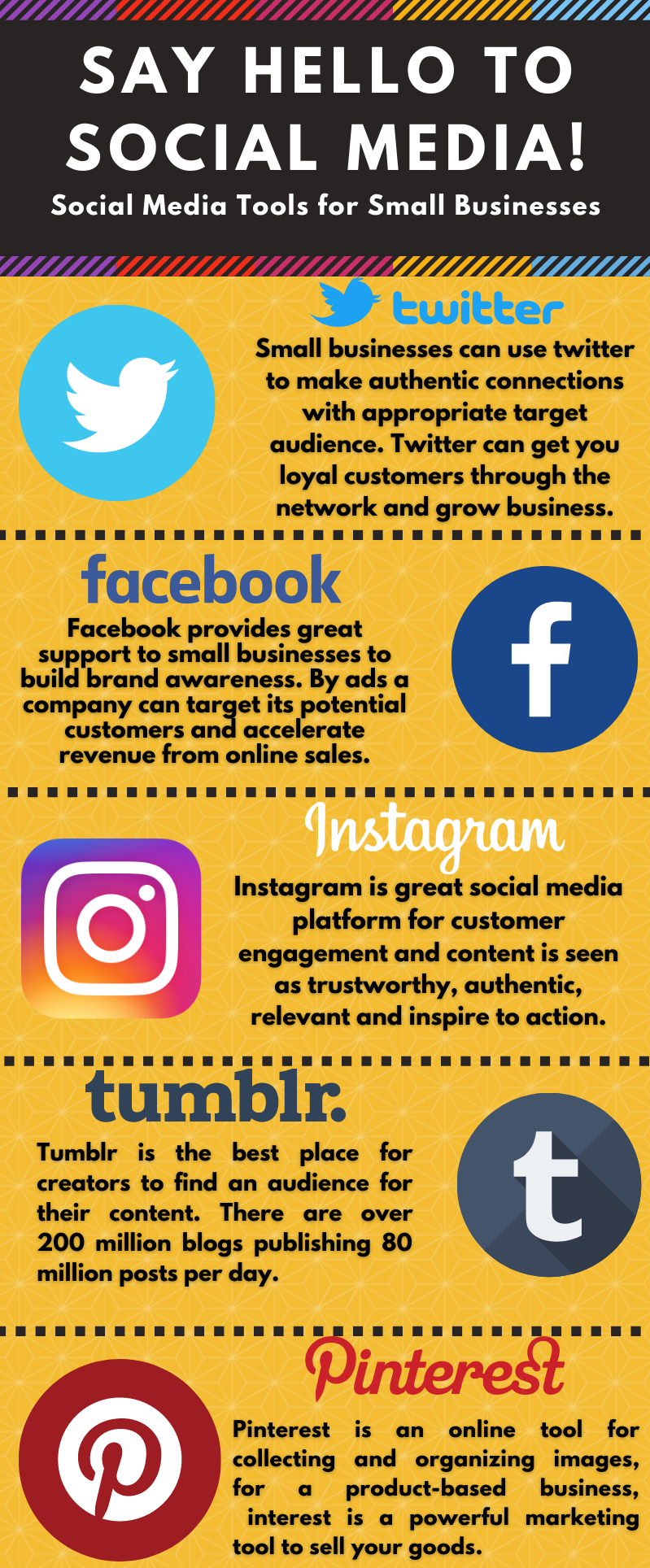
The following reference examples illustrate different types of social media templates, planning visuals, audience diagrams, and marketing documents. They are examples of visual structures rather than claims that every format is interchangeable or universally appropriate.
social media marketing stock template excel

Source: Wikimedia Commons
social media marketing stock template free

Source: Wikimedia Commons
social media marketing stock template free download

Source: Wikimedia Commons
social media marketing stock template google sheets

Source: Wikimedia Commons
social media marketing stock template google docs
Source: Wikimedia Commons
social media marketing stock template pdf
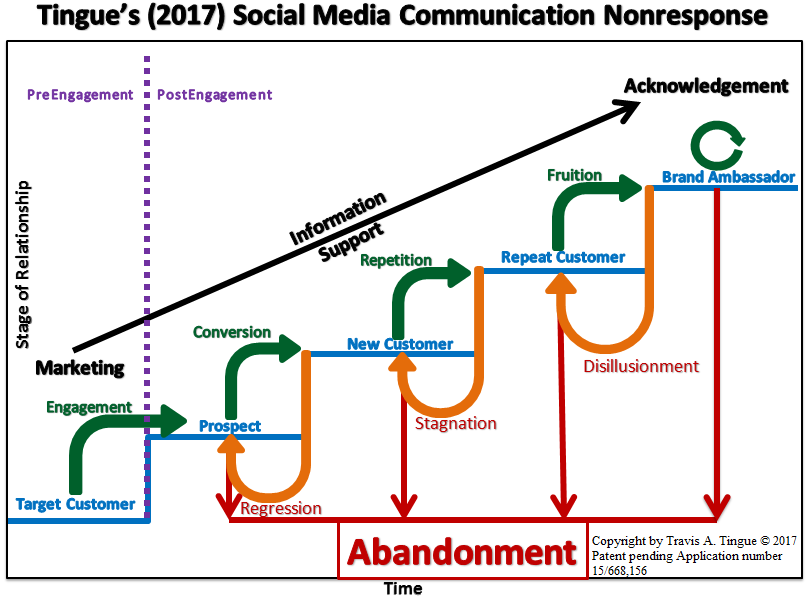
Source: Wikimedia Commons
social media marketing stock template word

Source: Wikimedia Commons
social media marketing stock template excel free
Source: Wikimedia Commons
social media marketing template
Source: Wikimedia Commons
template post social media marketing
Source: Wikimedia Commons
marketing plan template good for social media
Source: Wikimedia Commons
Frequently Asked Questions
What is a social media marketing stock Template?
A social media marketing stock Template is a reusable framework for organizing social marketing planning, content, assets, campaigns, measurements, and reporting. The exact structure can vary depending on whether the main purpose is planning, asset management, publishing, or analysis.
What should a social media marketing template contain?
At minimum, include the objective, audience, platforms, content themes, publishing schedule, ownership, asset status, primary KPI, results, and next actions. Larger teams may also need budget, approvals, licensing, campaign codes, and detailed performance fields.
Is Excel a good format for social media marketing planning?
Yes. Excel is especially useful when the template contains repeated records, dates, formulas, filters, performance metrics, or charts. It is less suitable when the document’s primary purpose is a narrative strategy or polished client presentation.
When should Google Sheets be used?
Google Sheets can be useful when multiple people need to collaborate on the same calendar, campaign tracker, or performance dataset. Clear permissions, standardized fields, and ownership are important for keeping a collaborative workbook reliable.
Is a PDF suitable for a working social media marketing plan?
A PDF is usually better for sharing or presenting an approved plan than for ongoing editing. The editable source should normally remain in the spreadsheet or document format used to create the plan.
What is the difference between a content calendar and a marketing plan?
A marketing plan explains objectives, audience, positioning, channels, tactics, resources, and measurement. A content calendar focuses on the operational schedule of individual pieces of content. The calendar can therefore be one component of the broader marketing plan.
How should stock images be tracked?
Record the asset name, source, type, campaign, intended use, approval status, and licensing information where relevant. Keep the actual files in an appropriate asset-management location and use the template as an organized index.
How often should the template be updated?
The working calendar and campaign data may be updated daily or weekly, while strategic sections can be reviewed monthly, quarterly, or whenever business priorities change. The template itself should also be improved when the team discovers recurring workflow problems.
Conclusion
A useful social media marketing stock Template is more than a collection of empty fields. It is a repeatable operating framework that connects business objectives with audience research, content planning, creative assets, publishing workflows, measurement, and decision-making. The best template is not necessarily the largest or most visually impressive one; it is the one that people can understand, maintain, and use consistently.
Choose the format according to the task. Use spreadsheets when structured data and collaboration matter, documents when strategy and explanation matter, and PDFs when a stable presentation or approved snapshot is required. Keep asset information organized, make responsibilities clear, select metrics that relate to the objective, and record lessons after each campaign.
Most importantly, treat the template as a living system. A social media marketing stock Template should become more useful as the organization learns what information actually improves decisions. Remove unnecessary fields, clarify confusing workflows, preserve useful historical data, and turn every campaign review into a source of practical improvement. When planning, execution, and measurement are connected in one repeatable process, social media marketing becomes easier to manage, easier to evaluate, and much easier to improve.
