A christmas santa quote Template is a ready-made visual or written layout that combines a Santa-themed message with Christmas typography, seasonal decoration, and space for personalization. People commonly look for this type of template when they need a festive quote for a greeting card, classroom activity, holiday sign, social post, family message, party material, or a letter connected with Santa Claus. The strongest designs are not simply decorative. They make the quote easy to read, give the message a clear focal point, and create enough visual personality to make the finished piece feel seasonal.
Search intent around this topic usually falls into two closely related groups. One group wants a finished Santa quote design that can be adapted for a particular occasion. The other wants inspiration for writing the words themselves, including santa quotes for christmas, short Santa sayings, playful messages, warm family sentiments, and child-friendly wording. A useful template should therefore support both sides: the visual structure and the message. It should make it easy to choose the right tone before worrying about colors, fonts, borders, or illustrations.
Santa-themed letter resources also commonly use structured prompts such as a greeting, name field, age, behavior prompt, wish section, and closing. Educational resources from Twinkl, for example, describe Santa letter templates as writing frames that help children participate in Christmas writing activities, while other template resources use dedicated areas for wishes and personal details. These patterns show why a good template works best when every element has a clear purpose rather than simply filling the page with decorations. :contentReference[oaicite:0]{index=0}
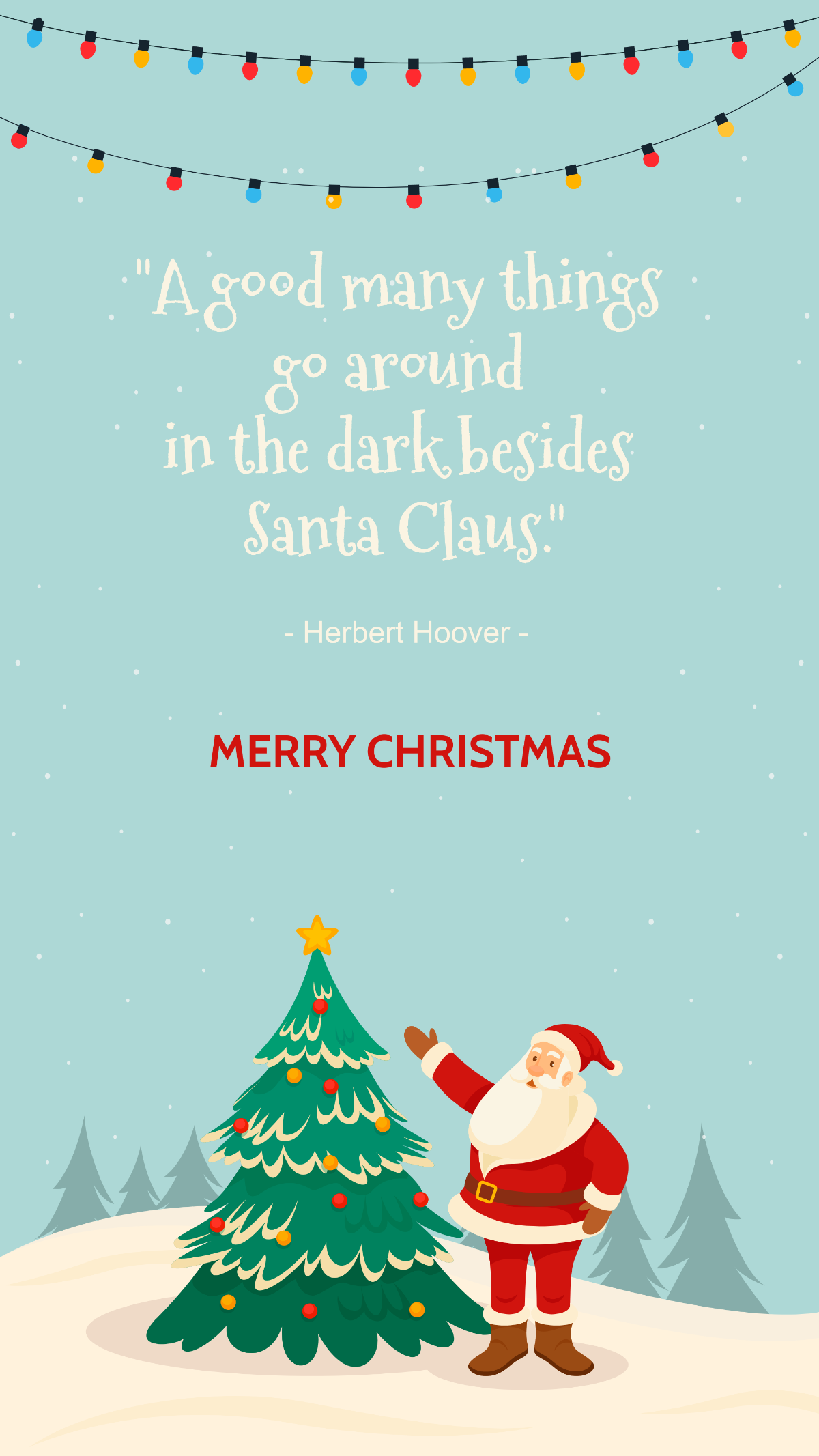
What makes a strong Santa quote template?
The central feature is the relationship between the quotation and the Santa theme. A successful layout gives the words enough space to breathe while using Santa, snow, ornaments, presents, evergreen branches, bells, or lights as supporting elements. The quote should remain the first thing the reader notices. If the background is too busy, decorative elements compete with the message and the template becomes difficult to read.
Typography is equally important. A playful handwritten style can work well for a child’s letter or whimsical Christmas card, while a classic serif or elegant script may be better for a sophisticated greeting. Short quotations can use larger lettering, whereas longer messages need more generous line spacing and a simpler arrangement. The goal is not to use as many Christmas fonts as possible. One strong display font paired with a readable supporting font is usually easier to understand.
Color also affects the emotional tone. Traditional red and green immediately communicate Christmas, while icy blue and white can create a winter atmosphere. Cream, muted green, burgundy, and gold can make a Santa quote feel more traditional or refined. When the design will be printed, contrast matters more than subtle visual effects. Text should remain legible against the background at normal reading distance.
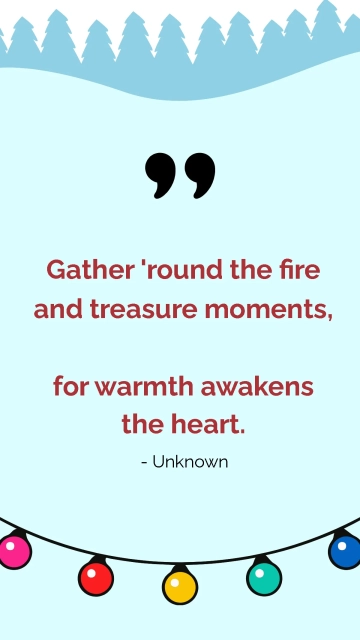
A useful visual hierarchy usually has three levels. The first is the main quote, which should receive the strongest typographic treatment. The second is attribution or supporting text when attribution is appropriate. The third is a small seasonal greeting, signature, date, or personalization field. This hierarchy prevents the design from becoming visually flat.
Another important consideration is the intended reader. A template for preschool writing should provide large spaces and simple prompts. A family Christmas card can use more expressive language. A classroom worksheet may need clearly labeled writing areas. A social graphic generally needs a shorter message because readers tend to encounter it quickly. The same Santa theme can therefore support very different layouts.
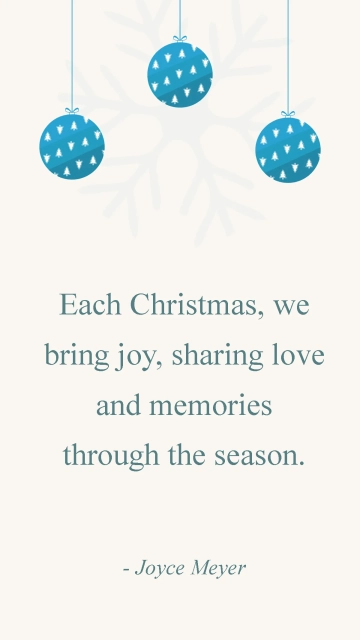
Different types of Christmas Santa quote designs
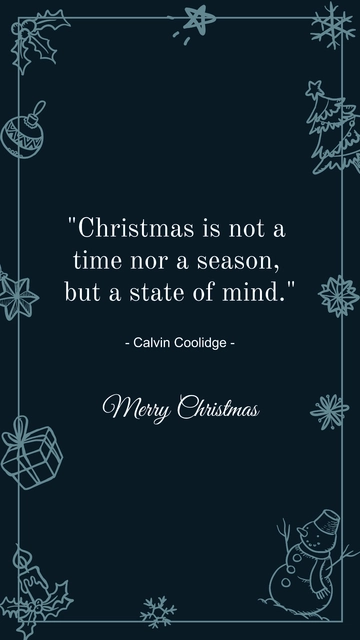
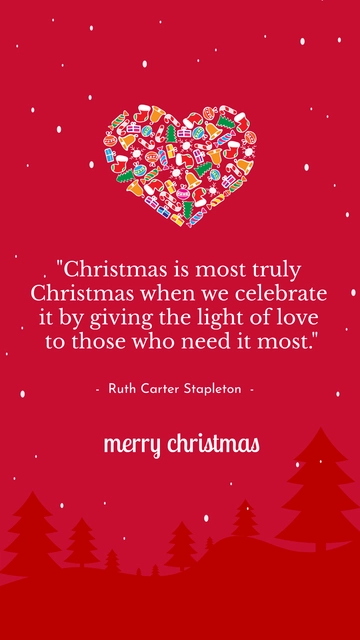
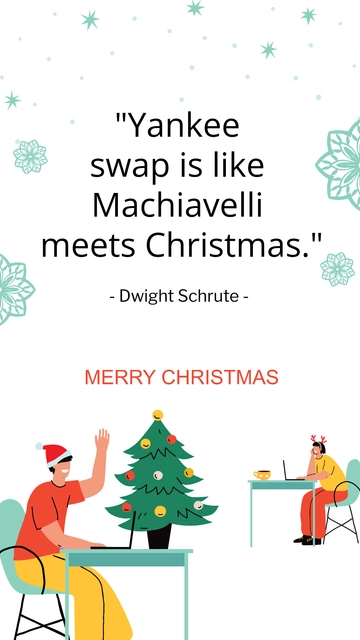
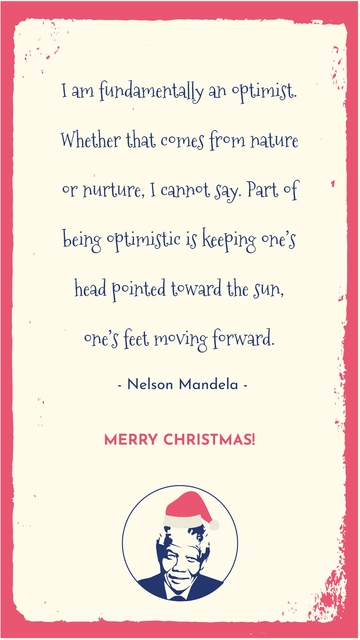
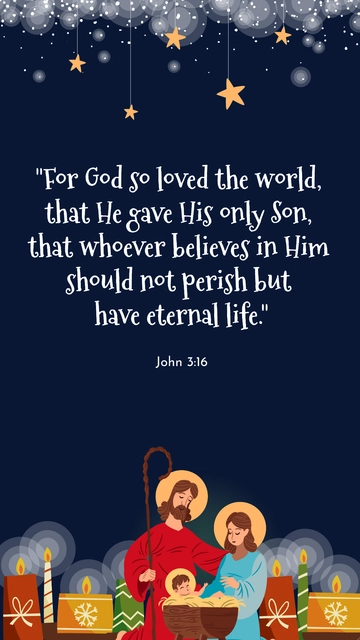
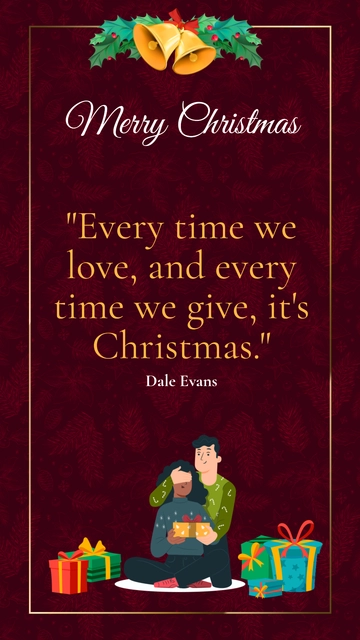
One popular category is the quote card. This format places a short Santa message in the center of a decorative frame. It works especially well when the words are the primary attraction. A quote card can be square, vertical, or horizontal depending on where it will be displayed. For printed use, a generous margin around the text helps the design remain clean.
A second category is the Santa letter design. Unlike a pure quote graphic, this format may include a greeting, several writing lines, a wish section, and a closing. The christmas letter to santa template concept is especially useful for children because the structure provides guidance without dictating the entire message. A child can fill in personal details, describe something kind they did, and then add a few Christmas wishes.
A third category is the Christmas wish-list layout. A christmas list to santa template usually emphasizes organized writing rather than a long paragraph. Numbered lines, checkboxes, or categories can help children separate different types of wishes. Some educational resources use categories such as things to want, need, read, wear, or share, which can turn a simple seasonal activity into a more thoughtful writing exercise. :contentReference[oaicite:1]{index=1}
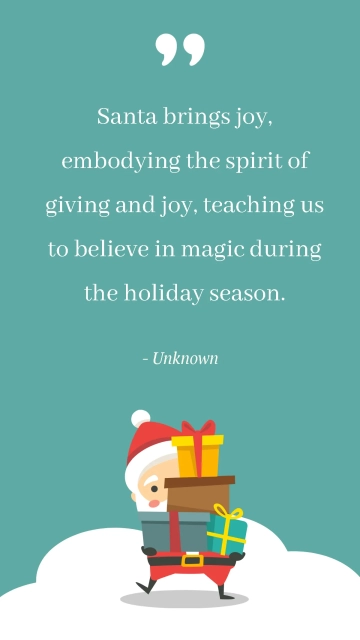
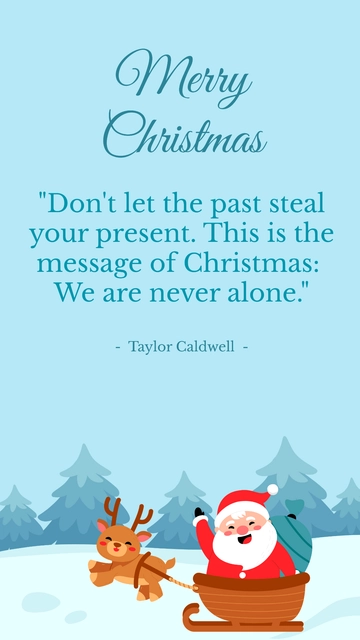
Another useful variation is the Santa saying poster. This format uses a large quotation and a strong illustration, making it suitable for a classroom wall, holiday event, seasonal display, or digital graphic. Because posters are usually viewed from farther away, the words need to be larger and the number of lines should be limited.
There is also a more traditional stationery format. Here, Santa-themed borders frame a large writing area. The design may contain only a small Santa illustration and a greeting such as “Dear Santa.” This approach is especially useful when the writer needs room for a personal story rather than a short quote.
How to choose the right Santa quote
The first step is to decide what the message should accomplish. A funny quote can create a playful mood, while a warm message can emphasize kindness, generosity, family, or gratitude. A child-oriented message should use vocabulary that matches the child’s age. A quote intended for adults can be more subtle or humorous.
For a short design, aim for one clear thought rather than several unrelated ideas. A message such as “Santa brings a little extra magic to Christmas” has a simple structure that can sit comfortably in a visual layout. A longer message can work too, but the design needs more vertical space and more restrained decoration.
When using a quotation attributed to a real person, verify the wording and attribution before publishing it. Christmas quote websites frequently collect sayings from books, films, public speeches, and other sources, and attribution can sometimes vary between websites. If certainty is not possible, an original unattributed message is often the safer editorial choice.
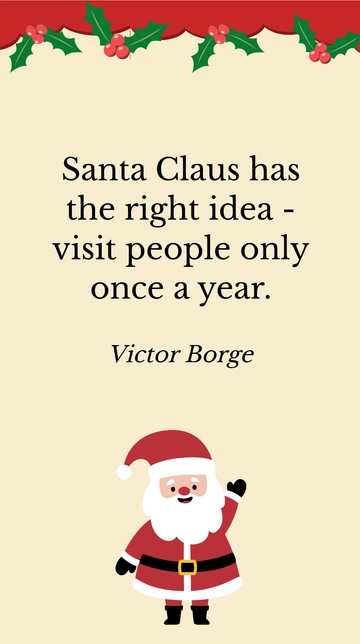
This is where collections of santa sayings and quotes can provide inspiration. Instead of copying a familiar line, identify the quality that makes it work: humor, warmth, nostalgia, generosity, surprise, or childlike wonder. Then write an original message using that emotional direction.
For example, a playful family message might focus on Santa knowing exactly where the cookies are. A classroom message might emphasize kindness rather than presents. A greeting card could focus on the excitement of Christmas Eve. These different purposes require different language even though they all use the same Santa character.
Writing a Christmas Santa quote from scratch
Start with the emotional idea rather than the decoration. Ask what the reader should feel after seeing the message. If the answer is joy, use energetic and welcoming language. If the answer is nostalgia, refer to traditions, familiar decorations, Christmas Eve, or childhood memories. If the goal is kindness, make generosity or consideration the center of the message.
Next, choose the voice. Santa can sound playful, wise, encouraging, mysterious, or humorous. A child-oriented voice might use simple sentences and a friendly greeting. A family-oriented voice can sound warmer and more reflective. A business holiday message should avoid pretending that Santa is making promises on behalf of an organization unless that is clearly part of the creative concept.
Finally, edit the quotation for visual length. A sentence that looks natural in a document may become crowded when placed inside a portrait graphic. Read the message aloud, remove unnecessary words, and keep the strongest phrase. The best quote is not necessarily the longest one; it is the one that communicates one memorable idea clearly.
Example quote structures
- Warm: Santa reminds us that the brightest part of Christmas is the kindness we share.
- Playful: Dear Santa, the cookies are ready, the stockings are waiting, and the wish list is getting longer.
- Child-friendly: Christmas feels extra magical when Santa, stars, and good wishes fill the night.
- Family-focused: The best Christmas memories are the ones we create together.
- Short: Believe in the magic, share the joy, and keep Christmas close.
These are original examples rather than quotations attributed to a published author. They illustrate how a message can be shaped around a particular audience without relying on a famous quotation. They can also serve as starting points for a personalized design.
Using the template for a Santa letter
A Santa letter works best when it gives the writer enough guidance without making the result feel mechanical. A simple structure can begin with “Dear Santa,” followed by the writer’s name and age, a sentence about the year, a few wishes, and a closing message. This is why a christmas letter to santa template can be particularly useful for young writers who know what they want to say but need help organizing it.
The wish section should leave enough room for handwriting or drawing. Younger children may communicate more effectively through pictures, while older children can write complete sentences. The template can also include a small section asking what the child is proud of or what kind thing they did during the year. This keeps the activity focused on reflection as well as presents.
For classroom use, the structure can be adjusted to support writing skills. A teacher might provide sentence starters, vocabulary prompts, or separate sections for greeting, body, and closing. The visual design should remain secondary to readability so that children can concentrate on expressing their own ideas.
For a more formal letter, include the date and a clear closing. For a playful family activity, decorative elements can be more prominent. A christmas santa quote template google docs search usually reflects an interest in editable document-style layouts, while a christmas santa quote template word search suggests that the reader wants a familiar word-processing format. In either case, the design should remain easy to edit without disturbing the text hierarchy.
A christmas santa quote template pdf is useful when preserving the visual arrangement is important. PDF is designed to maintain document appearance across different systems, so it is commonly used for finished layouts. A christmas santa quote template printable is similarly focused on physical output, which means margins, paper size, contrast, and ink-heavy backgrounds deserve attention.
Designing a Christmas list to Santa
A wish list is different from a quotation because its primary purpose is organization. The writer needs enough lines to record several ideas, while the design should still look festive. Numbered lines are useful when the writer wants to prioritize wishes. Categories can be helpful when the list is being used as a classroom writing exercise.
A good christmas list to santa template can also encourage children to think beyond objects. One section might ask for something they want, another for something useful, and another for something they would like to give or share. This approach can make the activity more balanced while keeping the Santa theme intact.
Visual balance matters here too. A large Santa illustration may look attractive but can reduce the amount of writing space. If the template is intended primarily for handwriting, place the illustration in a corner or along the border. If it is intended as a decorative display, the illustration can occupy more of the page.
When preparing a christmas list to santa template, consider whether the writer will use pen, pencil, crayon, or marker. Thin writing lines may disappear under broad markers, while very small text may be difficult for young children to read. A clean background with generous white space usually provides the greatest flexibility.
Choosing layouts for different audiences
For preschool and early elementary readers, prioritize large lettering, clear prompts, simple illustrations, and generous writing areas. Santa, presents, reindeer, candy canes, and stars can make the page engaging without overwhelming the child. Black-and-white line art can also work well when coloring is part of the activity.
For older children and teenagers, a cleaner design may feel more appropriate. A modern Santa illustration, restrained border, or elegant typography can make the template feel less like a worksheet and more like personal stationery. The message can also become more reflective, humorous, or detailed.
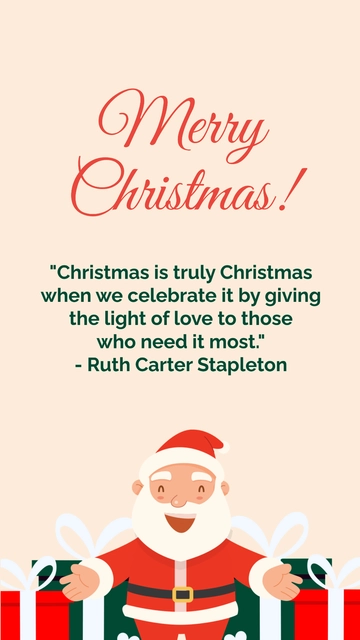
For adults, family groups, or holiday events, quote graphics can focus more strongly on typography. A short Santa saying can be paired with a subtle illustration and a seasonal greeting. The result can function as a card, wall sign, invitation element, or digital greeting without looking like a children’s worksheet.
Practical Solution
The most practical way to create a christmas santa quote Template is to work from the message outward. First, define the audience and purpose. Decide whether the piece is a quote card, Santa letter, wish list, classroom worksheet, greeting, or decorative poster. This decision determines how much writing space is needed and how prominent the Santa artwork should be.
Second, write or select the message before choosing the final visual style. Keep the wording concise enough to remain readable. If the quote is attributed to someone else, verify the attribution before publication. If the wording is original, make that clear through the design rather than adding an unnecessary attribution line. Then select one primary typeface and one supporting typeface, maintaining enough contrast between headings and body text.
Third, check the physical or digital destination. For a printed page, confirm paper dimensions, margins, contrast, and writing space. For a digital card, check whether the quote remains legible on a smaller screen. For a document-based format, keep editable areas separate from decorative artwork. A christmas santa quote template google docs, for example, should be simple enough that changing the wording does not break the layout.
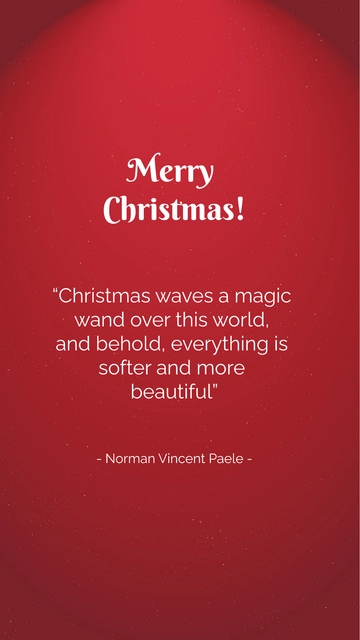
Fourth, proofread the finished design at its actual intended size. Look for spelling mistakes, awkward line breaks, inconsistent punctuation, and text that is too close to the border. Read the message from a distance as well as close up. If the quotation is the central element, it should remain immediately understandable without requiring the reader to inspect the entire design.
Finally, keep a version with a clean text area before adding optional decorations. This makes later revisions easier. It also allows the same core concept to be adapted for a letter, quote card, wish list, or classroom activity without rebuilding the design from the beginning.
Common mistakes to avoid
The first mistake is over-decoration. Santa-themed designs can easily accumulate snowflakes, bells, trees, presents, stars, candy canes, borders, ribbons, and multiple colors. When every element competes for attention, the quotation loses importance. Select a small number of decorative motifs and repeat them consistently.
The second mistake is choosing a quote that does not match the audience. A sarcastic Santa saying may work well for adults but feel confusing in a preschool classroom. Likewise, a very formal quotation may feel unnatural in a playful children’s letter. Tone should always follow purpose.
The third mistake is sacrificing writing space for artwork. This is especially important with Santa letters and wish lists. The page should support the activity rather than merely look festive. If children are expected to write several sentences, the available space should reflect that requirement.
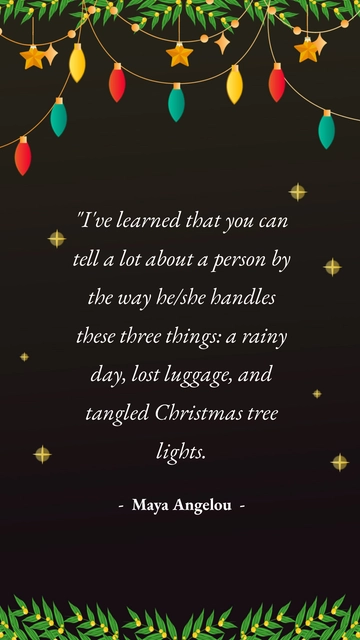
Another common problem is poor contrast. Light lettering over a snowy illustration can become difficult to read. Decorative textures behind text should be subtle, and important words should have enough visual separation from the background.
It is also wise to avoid making a quotation look as though it is a verified historical statement when its origin is uncertain. If the source cannot be established, an original message without a questionable attribution is preferable.
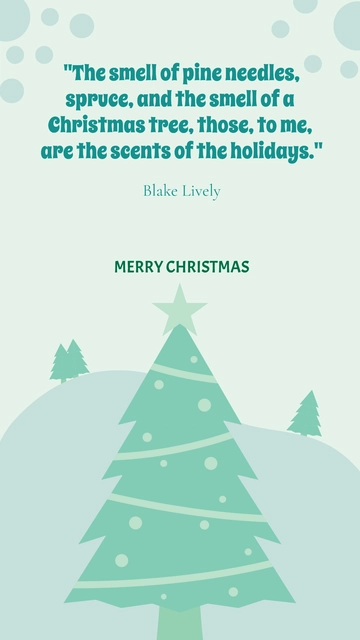
Using quotes for cards, classrooms, and holiday displays
For cards, the quote should usually be short enough to function as the emotional centerpiece. A small personalized greeting can appear above or below it. For classroom activities, the quote can become a writing prompt. Children might respond to a Santa saying by writing about kindness, Christmas traditions, or what they would tell Santa.
For holiday displays, readability becomes even more important because people may view the design from several feet away. Use larger type, a simple background, and a strong contrast between text and decoration. A Santa illustration can anchor the lower portion while the quotation occupies the upper or central area.
For family activities, the same design can combine a quotation with a personal writing section. A child might start with a short Santa saying and then add their own message. This hybrid format is useful because it provides inspiration without replacing the child’s own voice.
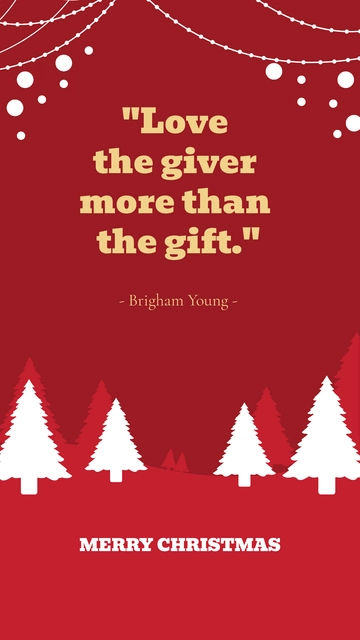
These uses also explain why the phrase santa quotes for christmas can describe more than a simple collection of sayings. The quote is often the starting point for a larger creative piece. Its final value comes from how effectively the wording, audience, format, and visual structure work together.
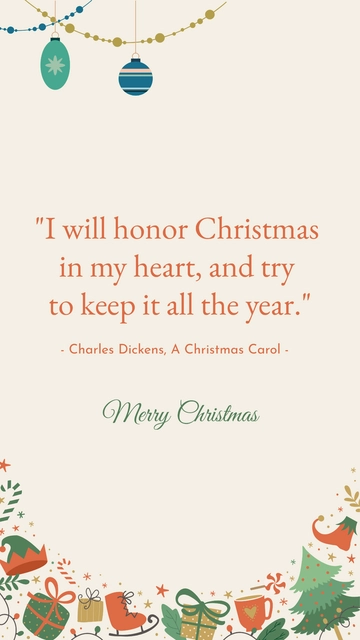
Format considerations for printable and editable designs
Different file formats serve different purposes. A word-processing document is useful when the main requirement is changing text. A PDF is better suited to a finished layout where the visual arrangement should remain stable. A Google Docs version can be convenient for collaborative editing, particularly when several people need to revise wording before the final design is prepared.
The phrase christmas santa quote template pdf therefore suggests a finished, layout-focused use, while christmas santa quote template word points toward editable text. A christmas santa quote template printable emphasizes physical output. These labels describe different practical needs even when the underlying Santa design is similar.
When preparing a design for printing, leave sufficient space around the edges and avoid placing critical words directly against decorative borders. If a template uses a dark full-page background, consider whether the intended printer and paper can reproduce the design cleanly. A lighter layout often provides more flexibility for home and classroom printing.
For editable documents, separate the text conceptually into greeting, main quote, attribution, personalization, and closing. This makes revisions easier. It also helps prevent one long text box from becoming difficult to manage when the quote changes length.
Creating a polished visual style
A polished Santa quote design often begins with a restrained palette. Traditional red and green can be softened with cream or white. Blue can introduce a snowy winter feeling. Gold can provide emphasis, especially for short words such as “Christmas,” “Santa,” or “Joy.” The important point is consistency rather than any particular color combination.
Illustration style should also remain consistent. A hand-drawn Santa should not be paired with a highly realistic photographic background unless the contrast is deliberate. Likewise, watercolor decorations work best when other elements have a similarly soft appearance. Consistency helps the design feel intentional.
Quote placement is another useful consideration. Center alignment can feel formal and balanced, while left alignment can create a more editorial or letter-like appearance. Curved text can work for short decorative phrases, but longer quotations are usually easier to read in conventional lines.
Keeping the message personal
The strongest Santa templates leave room for personalization. A name, short note, wish, family greeting, or handwritten signature can turn a generic design into a keepsake. This is particularly important for children because the value of a Santa letter comes from the child’s own imagination and expression.
Instead of asking only what gifts the writer wants, consider prompts about something they enjoyed, someone they helped, a Christmas tradition they like, or something they hope to do with family. Such prompts create a more meaningful letter while preserving the playful Santa theme.
For adults, personalization can take a different form. A Santa quote can become a humorous reference to family traditions, holiday cooking, gift wrapping, travel, or Christmas Eve routines. The design becomes more memorable when the wording reflects the intended recipient rather than relying entirely on generic seasonal language.
A useful editing rule is to remove anything that does not strengthen the message. If an ornament, line, color, or decorative phrase adds no meaningful visual function, it may be unnecessary. A focused design often looks more professional than one filled with every available Christmas symbol.
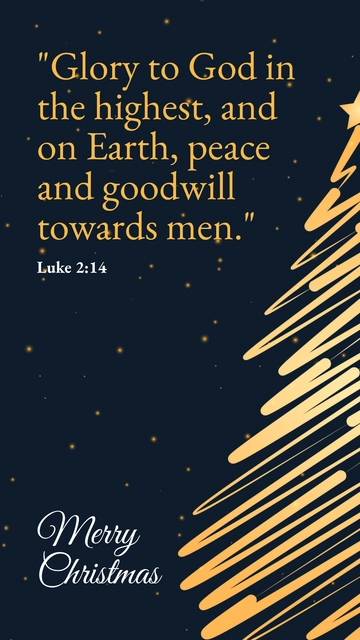
Original versus attributed Santa messages
There are two practical approaches to quotation writing. The first is to use an established quotation whose source can be verified. The second is to write an original Santa-themed message. Original wording is often the easiest option for personalized cards because it can be tailored to the recipient without concerns about uncertain attribution.
If using an established quotation, keep the wording accurate and identify the source appropriately. Do not assume that a quotation is authentic simply because several websites repeat it. A reliable editorial workflow checks the quotation against a credible primary or authoritative secondary source whenever possible.
For a family or classroom project, an original sentence can be just as effective. The goal is usually to create a warm or playful Christmas feeling, not to demonstrate literary history. A carefully written original message can therefore be more relevant than a famous quotation that only loosely fits the occasion.
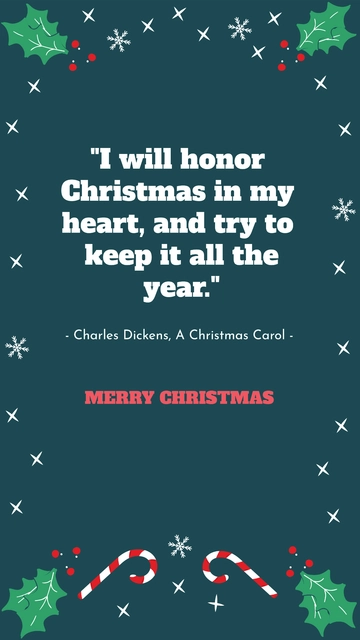
Final checklist for a Santa quote template
- Choose the audience before selecting the visual style.
- Decide whether the piece is a quote card, letter, wish list, worksheet, or poster.
- Keep the main quotation visually dominant.
- Use readable typography and strong contrast.
- Leave adequate space for handwriting when the template is interactive.
- Verify the wording and attribution of quotations from external sources.
- Use original wording when personalization is more important than attribution.
- Keep decorative elements consistent rather than excessive.
- Check margins and layout before printing.
- Proofread every personalized field before sharing or printing.
When these principles are followed, a christmas santa quote Template becomes more than a decorative Christmas page. It becomes a useful communication format that can support personal messages, children’s writing, wish lists, classroom activities, holiday greetings, and seasonal displays. The best result combines clear wording, thoughtful design, appropriate formatting, and enough personalization to make the finished piece feel genuinely connected to the person receiving it.
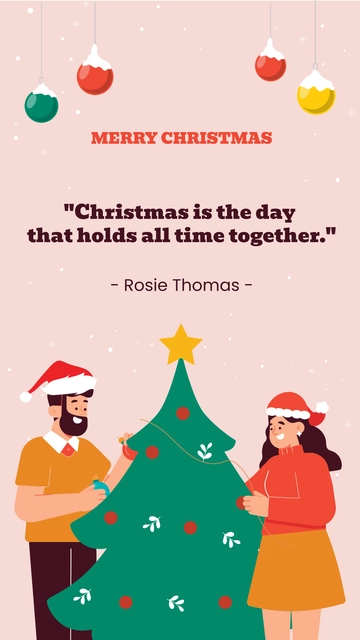
A final visual consideration is balance. Santa should reinforce the message rather than overpower it, and the quotation should remain understandable even when the design is viewed quickly. Whether the finished piece is formal, playful, traditional, modern, humorous, or child-focused, clarity should remain the foundation. That is what turns a seasonal graphic into a useful and memorable Christmas communication.
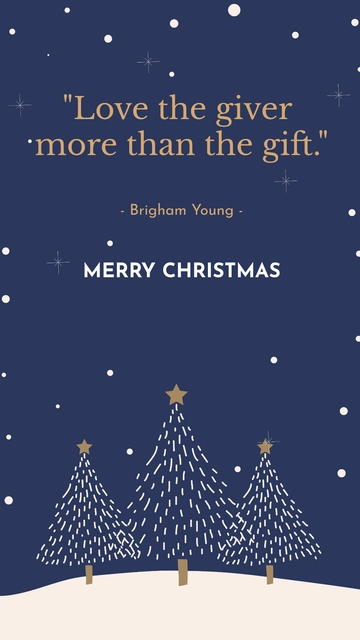
Reference Examples
A christmas santa quote Template can take many visual forms, from a simple quotation card to a structured letter with writing lines and a Santa illustration. The most useful references show how typography, white space, borders, seasonal artwork, and writing prompts can be combined without making the central message difficult to read. Some examples are designed specifically around a “Dear Santa” format, while others emphasize a short Christmas quotation. Comparing these approaches helps readers recognize which structure best fits a greeting, classroom activity, wish list, family keepsake, or decorative holiday message.
The following visual references are especially useful because they demonstrate different approaches to the same general Santa-themed concept. Some emphasize handwriting space, some prioritize a Christmas wish list, and others create a more decorative stationery appearance. Looking at these examples side by side makes it easier to evaluate proportions, typography, illustration placement, border treatment, and the amount of room reserved for personal writing. They can also inspire an original layout while keeping the central purpose of the christmas santa quote Template clear and easy to recognize.
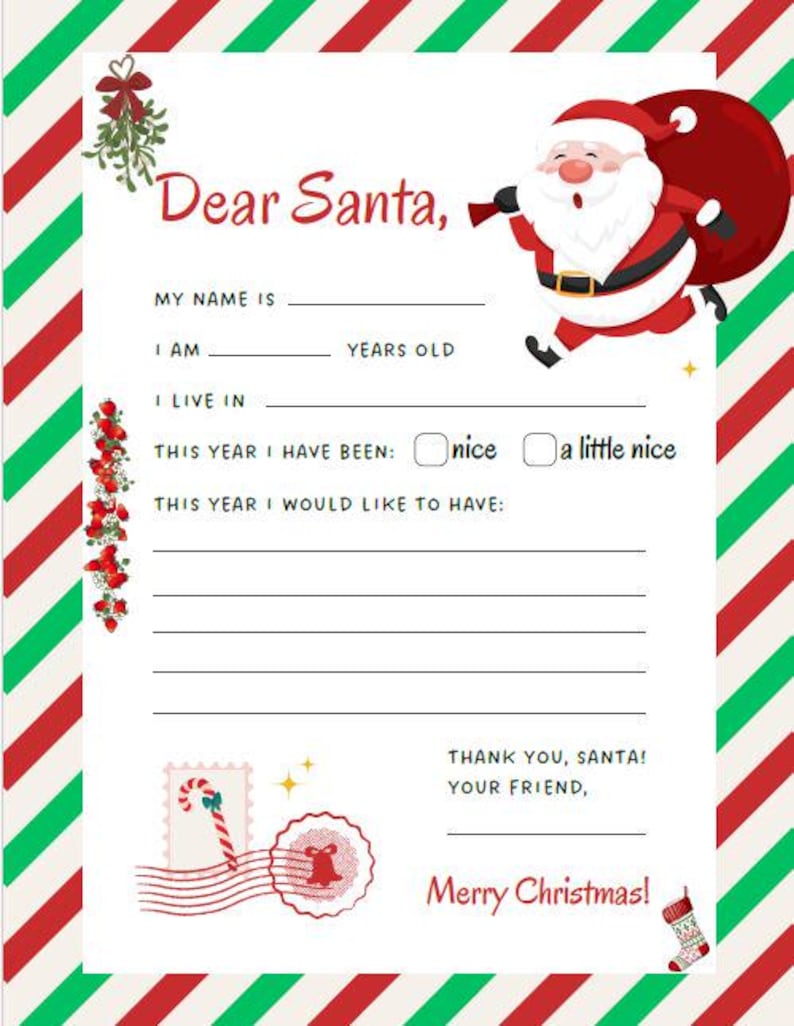
Dear Santa Letter Template
Source: Etsy

Dear Santa Letter
Source: Canva
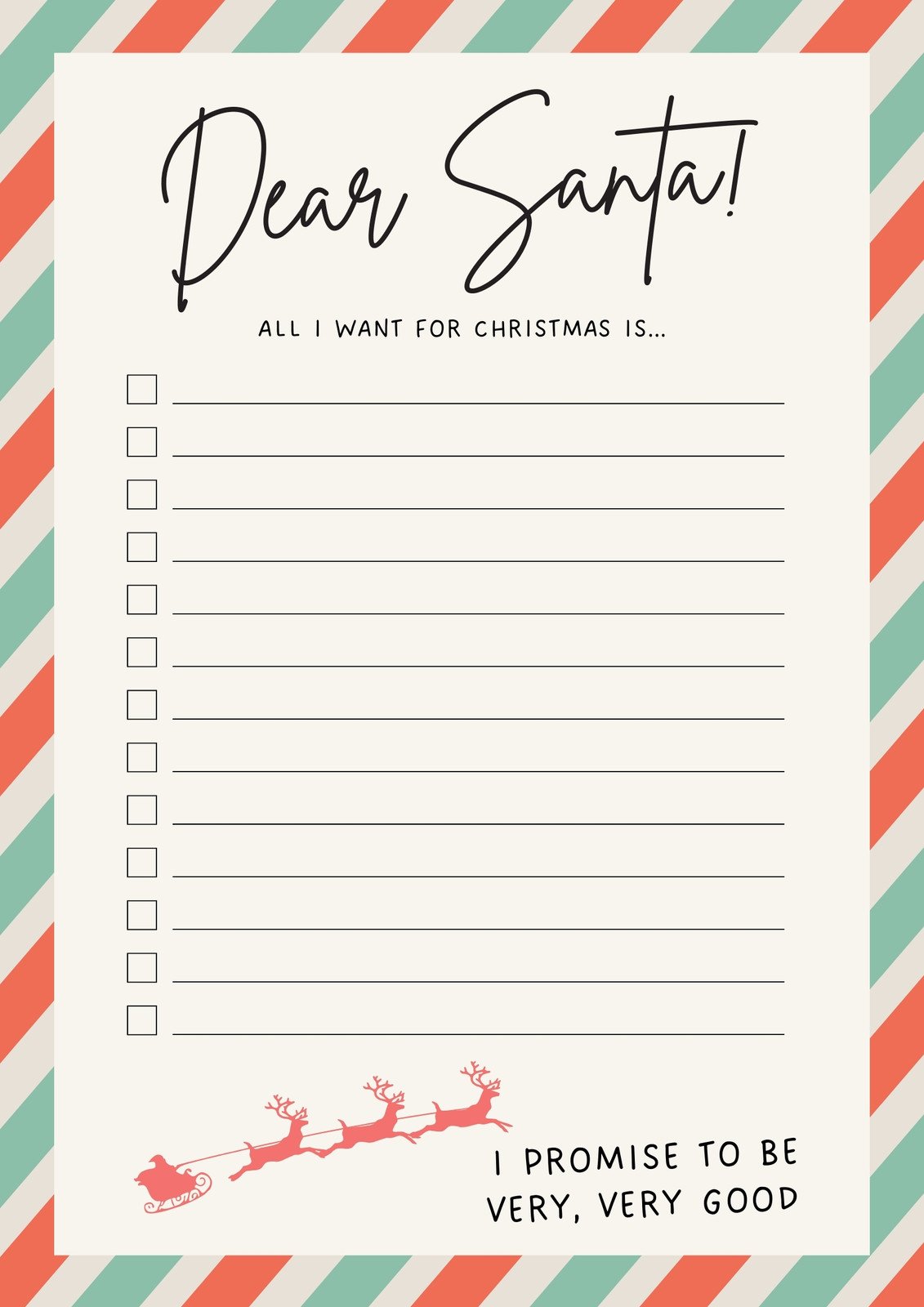
Vintage Christmas Wishlist Template
Source: Canva
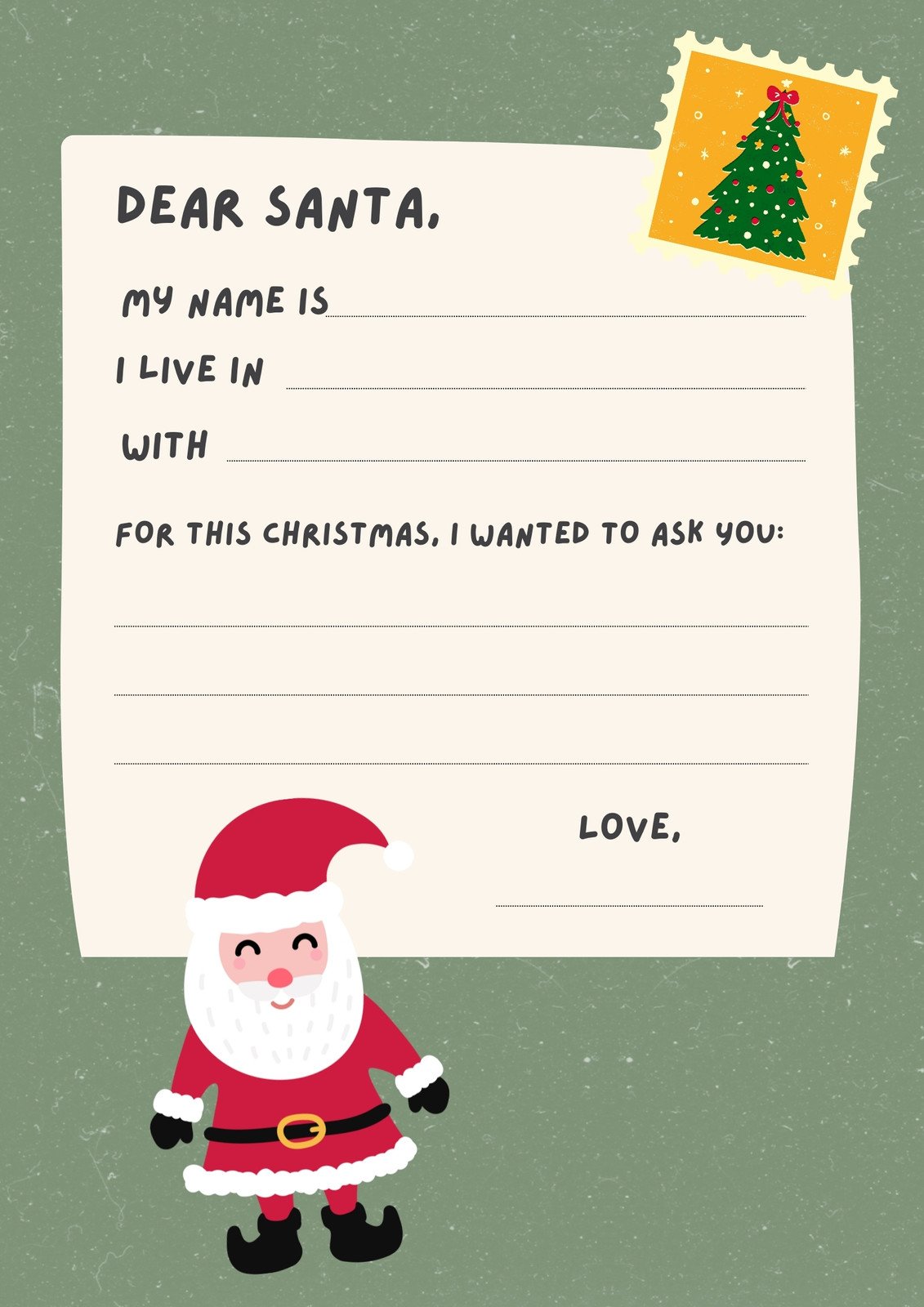
Santa Letter Template
Source: Canva

Christmas Letter Template
Source: Canva

Letter to Santa – Dear Santa Letter for Kids
Source: NorthPoleChristmas.com

Christmas Letter to Santa
Source: NorthPoleChristmas.com

Printable Letter to Santa with Christmas Cookies
Source: NorthPoleChristmas.com
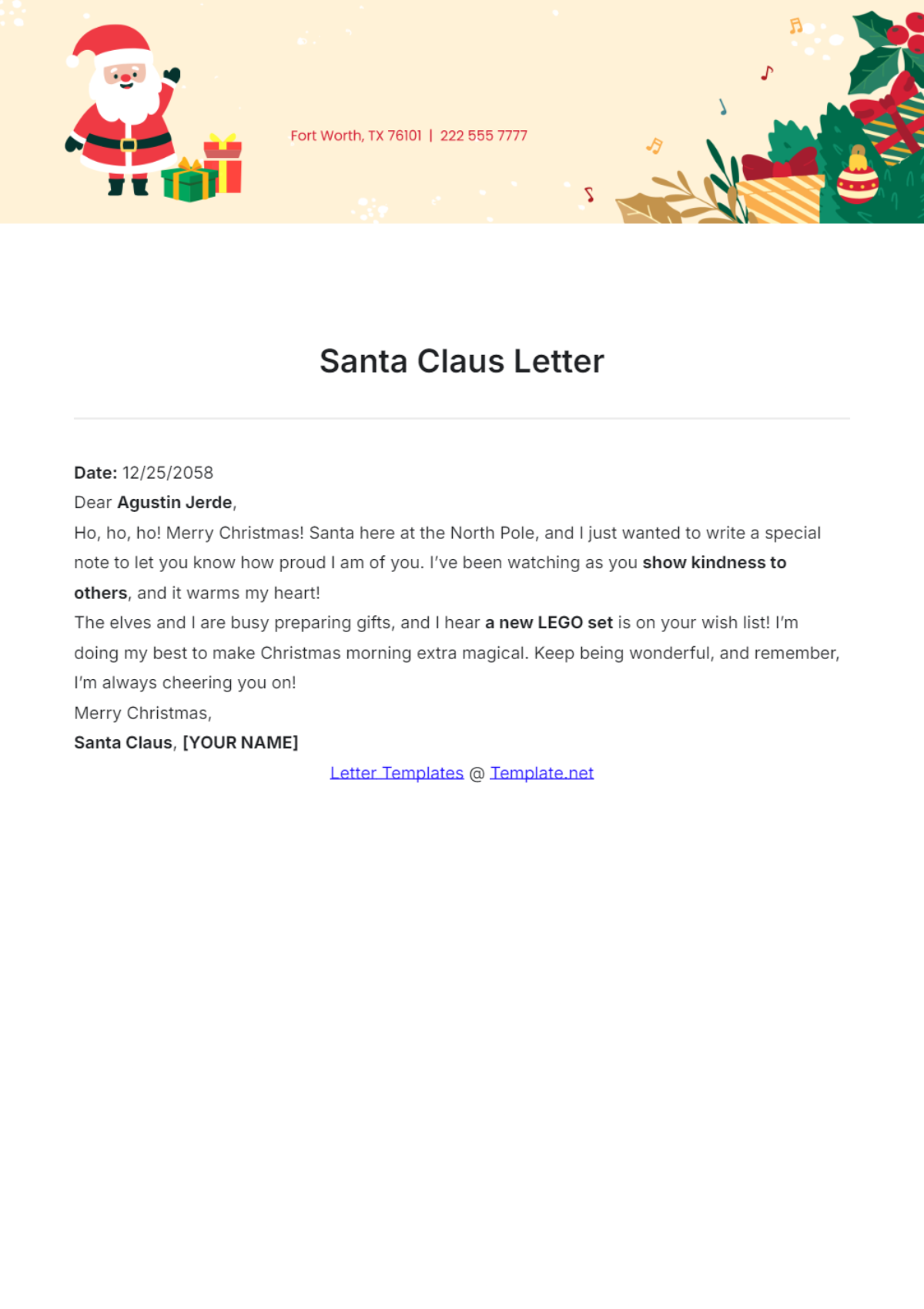
Santa Claus Letter
Source: Template.net
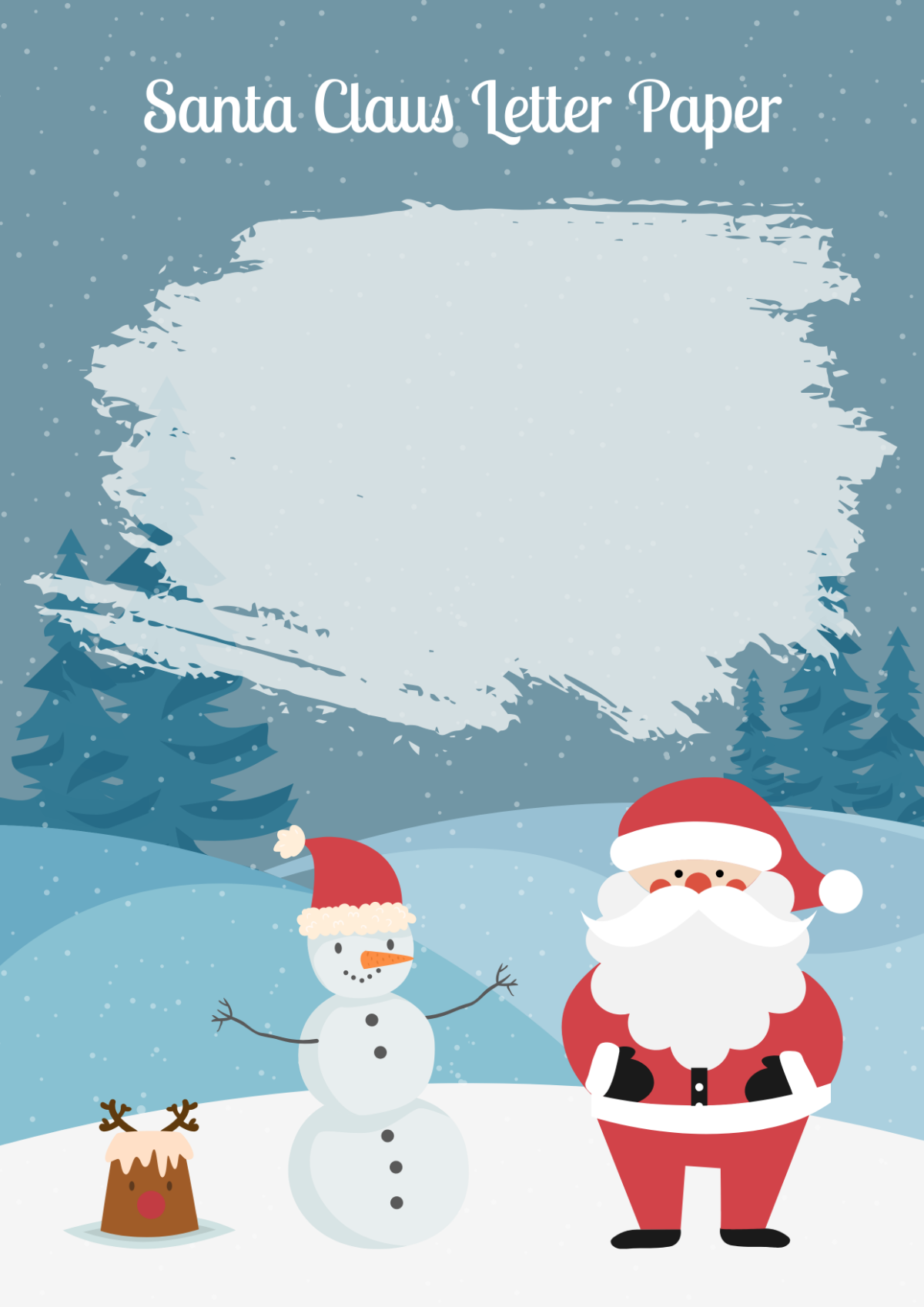
Santa Claus Letter Paper
Source: Template.net
