The basic idea is straightforward: a principal authorizes an agent to act on the principal’s behalf. The authority may cover financial accounts, real estate, business matters, taxes, vehicles, personal property, or other defined responsibilities. Some documents are broad, while others are intentionally limited to one transaction or a short period.
Searches for a nationwide power of attorney template often reflect several different needs at once. One person may want a printable form, another may need a PDF, another may prefer an editable Word document, while someone else may specifically need a California or Florida version. Those are related searches, but the appropriate document can be materially different.
This guide explains how to evaluate a template, what information it should contain, how durable and non-durable authority differ, how state-specific requirements affect execution, and how to build a practical document workflow. It also explains why a free template should be treated as a drafting aid rather than proof that a document satisfies every legal requirement.
The examples throughout this article are intended to help readers understand document structure and decision-making. They are not individualized legal advice. If the power will be used for a major asset, estate-planning decision, business transaction, litigation matter, or another high-risk situation, professional legal review can be worthwhile.
What Is a Nationwide Power of Attorney Template?
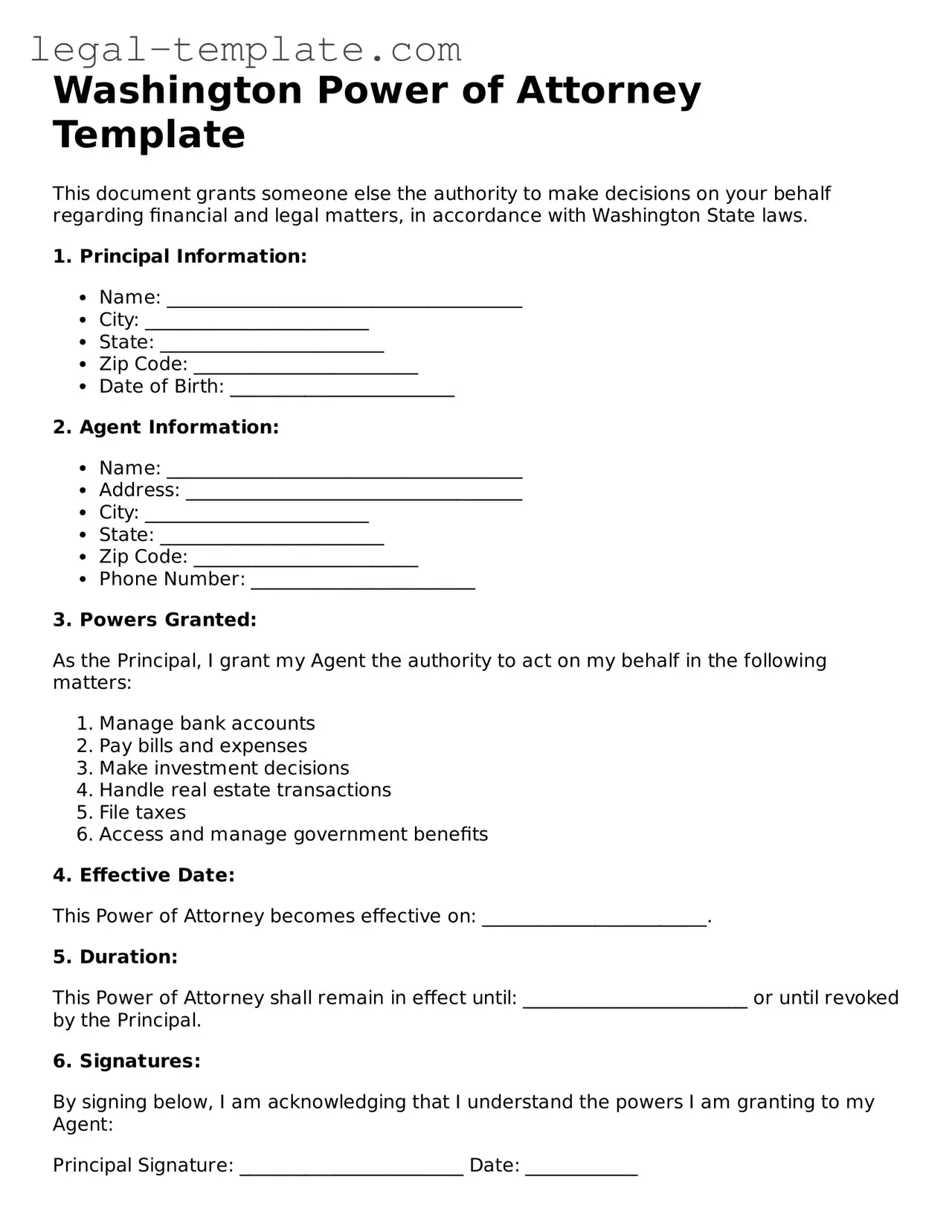
A nationwide power of attorney template is best understood as a reusable drafting framework rather than a universally valid statutory document. It typically contains the sections needed to identify the principal, identify the agent, describe the authority being granted, establish when the authority begins, address termination or revocation, and provide signature and acknowledgment areas.
The word “nationwide” can therefore be misleading if it is interpreted to mean “legally identical in all fifty states.” A document that is acceptable for one transaction or institution may need different execution formalities elsewhere. Even within the same state, a financial POA, health care authorization, tax authorization, and vehicle authorization may follow different rules.
A useful template should make those distinctions visible instead of hiding them. For example, it should provide enough space to describe powers precisely, identify any limitations, name a successor agent when appropriate, and record an effective date. It should also leave room for the applicable witness or notary requirements rather than assuming that one execution method works everywhere.
For practical purposes, think of the template as a document architecture. The architecture helps you organize information correctly, but the governing law determines whether the finished document is effective. This distinction is especially important when an online template uses generic language while a state statute or receiving institution expects specific wording.
The strongest workflow is therefore simple: identify the purpose, identify the state or states involved, find the applicable official requirements, compare those requirements with the template, complete only the authority actually needed, and confirm execution formalities before relying on the document.
Why People Use Power of Attorney Templates
A template reduces the blank-page problem. Instead of starting with an empty document, the principal can see the usual sequence of sections and determine which decisions need to be addressed. This is particularly useful when the principal has never created a power of attorney before and does not know the difference between an agent, principal, successor agent, and attorney-in-fact.
Templates also help expose missing information. A well-organized document will usually prompt the user for names, addresses, effective dates, scope of authority, special instructions, signatures, and acknowledgment details. Seeing those fields together can make it easier to identify questions that should be answered before execution.
Another advantage is consistency. If a business routinely uses limited powers of attorney for property transactions, a standardized internal template can help employees or legal teams collect information in a predictable format. The template can then be adapted to the relevant transaction rather than rewritten from scratch each time.
However, consistency should never become an excuse for using an outdated form. Laws, statutory forms, administrative procedures, and institutional acceptance policies can change. A document that worked several years ago may no longer be the best choice, particularly when a state publishes its own form.
The practical value of a template therefore comes from organization and preparation, not from the assumption that the template itself creates legal validity. A good template helps a reader ask the right questions before the document is signed.

Core Components of a Power of Attorney
Principal Information
The principal is the person giving authority. The document should identify that person clearly enough to distinguish them from anyone else with a similar name. Depending on the circumstances, the document may include a legal name, address, and other identifying information requested by the applicable form or receiving institution.
Accuracy matters because a financial institution, government agency, title office, or other third party may compare the document against its existing records. A mismatch in names or other details can create delays even when the underlying authority is otherwise appropriate.
When preparing a template, avoid inserting unnecessary sensitive information simply because a blank field exists. Include information that is required by the applicable form, institution, or transaction. A document should contain enough identification to work reliably without becoming an unnecessary repository of private information.
If the principal has recently changed a name, moved, married, divorced, or reorganized a business, those circumstances should be considered before the document is completed. The goal is to make the identity and legal capacity of the principal clear without introducing conflicting information.
A useful template should make the principal section visually distinct from the agent section. This simple design choice reduces the risk of entering the wrong person’s information into the wrong field, especially when the document is completed quickly or electronically.
Agent Information
The agent is the person authorized to act for the principal. The agent does not automatically receive unlimited authority merely because the document uses the term “attorney-in-fact.” The actual powers come from the language of the power of attorney and the governing law.
A principal should select an agent based on trust, reliability, judgment, availability, and the nature of the authority being delegated. Someone who is appropriate to handle a vehicle title transaction may not necessarily be the best person to manage a complex investment portfolio or business operation.
The document should identify the agent accurately and provide useful contact information. If an agent will need to communicate with banks, government agencies, title offices, insurers, or other institutions, accurate information can make verification easier.
For long-term arrangements, a successor agent can provide continuity if the first agent dies, resigns, becomes unavailable, or is otherwise unable or unwilling to act. The template should make the succession arrangement clear rather than relying on informal assumptions.
Where multiple agents are involved, the document should explain whether they may act separately or must act together. This is an important operational detail because ambiguity can make an otherwise valid authorization difficult for third parties to use.
Scope of Authority: The Most Important Drafting Decision
The scope section determines what the agent can actually do. A broad authorization might cover banking, investments, real estate, personal property, taxes, insurance, business operations, claims, or government benefits. A limited authorization might cover only one property sale, one vehicle transaction, or one administrative task.
Broad language can be convenient, but convenience has a cost: the agent may have substantial authority. For that reason, a principal should consider whether every listed power is genuinely necessary. Granting less authority can reduce the consequences of misuse and make the document easier for third parties to understand.
Specific language is particularly valuable when the document concerns a high-value asset. Instead of saying that an agent may handle “all property matters,” a transaction-specific authorization can identify the property, the transaction, the permitted actions, and any monetary or procedural limitations.
Special instructions can also address practical safeguards. For example, the principal might require records of transactions, prohibit certain categories of transfers, require consultation before a major decision, or identify circumstances under which the authority should end. Whether a particular restriction is legally effective should be checked under the governing law.
The best template makes authority easy to audit. Someone reading the finished document should be able to determine what the agent can do, what the agent cannot do, when the authority starts, and when it ends without having to infer the principal’s intentions from vague language.
General, Durable, Limited, and Springing Powers of Attorney
General Power of Attorney
A general power of attorney typically provides broad authority over the matters described in the document. It can be useful when the principal wants another person to handle a range of financial or administrative tasks. The exact meaning of “general” depends on the document and applicable law.
A general document should not be confused with a durable document. Durability concerns what happens if the principal later becomes incapacitated. A non-durable authorization may terminate upon a specified event, while a durable authorization can continue despite later incapacity when properly created under applicable law.
The distinction is critical for planning. If the purpose is to ensure that an agent can continue managing financial matters after incapacity, the principal needs to determine whether a durable arrangement is appropriate rather than assuming that every general form automatically provides that protection.
General authority also requires careful consideration of third-party acceptance. Banks, brokerages, title companies, and other institutions may have internal procedures for reviewing powers of attorney. A form that appears broad enough on paper may still require additional verification or institutional forms.
For that reason, a nationwide template should be treated as an educational framework. The principal should confirm the state’s durability rules and the receiving institution’s requirements before relying on the finished document.

Durable Power of Attorney
A durable power of attorney is designed to continue despite a later incapacity of the principal, subject to the applicable law and the document’s terms. It is commonly considered in incapacity planning because it can allow an agent to continue handling authorized matters when the principal can no longer manage them personally.
Durability should be stated and executed according to the applicable legal requirements. A generic document that merely uses the word “durable” may not be enough if the relevant jurisdiction requires particular language or formalities.
The principal should also consider the relationship between durability and revocation. A durable document is not necessarily irrevocable. In many situations, a competent principal can revoke the authority, but the precise procedure and effect of revocation should be verified under applicable law.
Because durable powers can have significant consequences, the agent’s identity and scope of authority deserve particular attention. The principal should understand the practical powers being granted and should select someone capable of keeping accurate records and acting within the stated authority.
When the document is intended as part of an estate or incapacity plan, it is often sensible to review it together with other planning documents. A power of attorney is only one part of a broader legal and financial structure.
Limited and Special Power of Attorney
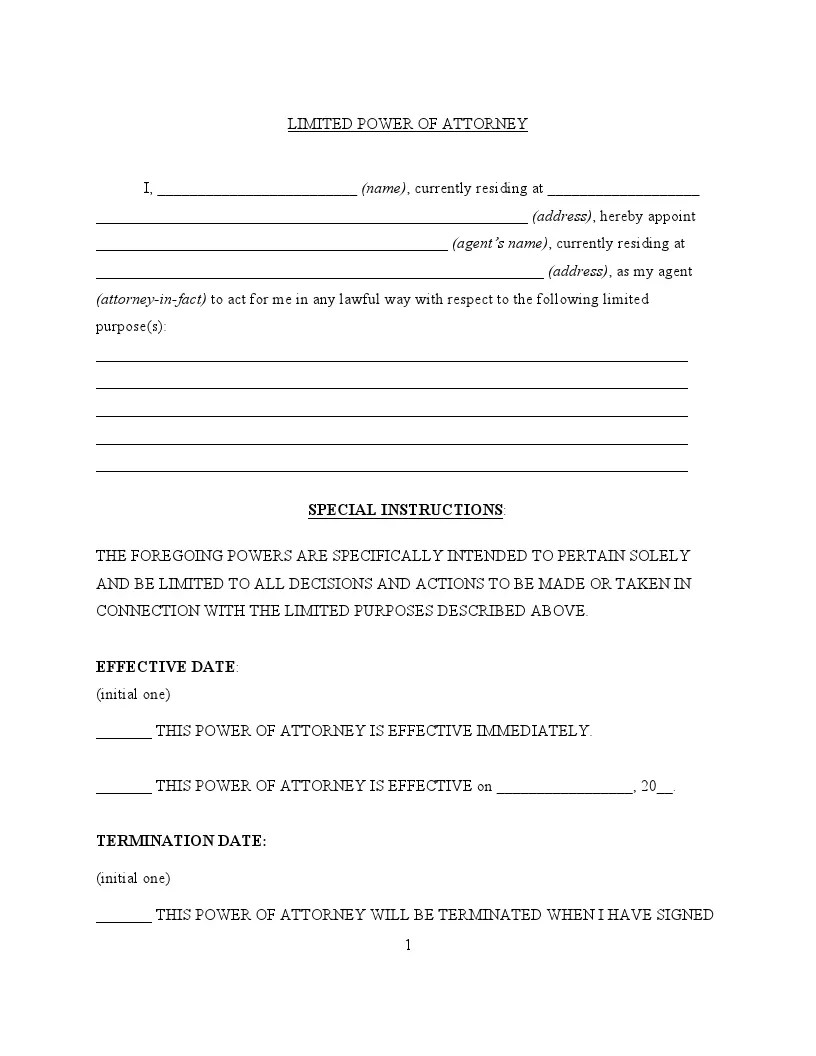
A limited or special power of attorney is narrower. It can be designed around a particular transaction, property, responsibility, or time period. This approach can be useful when the principal wants another person to perform a defined task without granting broad control over unrelated affairs.
For example, a principal who cannot attend a vehicle transaction may need an agent to handle title or registration paperwork. A property owner who will be unavailable during a closing may need authority limited to specified real estate documents and actions.
The more limited the purpose, the more important precise wording becomes. The document should identify the transaction or asset, explain the permitted actions, and establish an effective period where appropriate. Ambiguous limitations can create disputes about whether an action falls within the agent’s authority.
A limited form can also be easier for third parties to evaluate. A receiving institution can compare the requested action against a clearly described authorization rather than interpreting a broad grant of authority.
Limited authority is not automatically safer in every situation, but it can be a useful risk-control strategy when the principal knows exactly what the agent needs to accomplish.
How to Choose Between PDF, Word, and Printable Formats
Searches for a nationwide power of attorney template pdf are common because PDF files are easy to print, review, archive, and share. A PDF can preserve the layout of a document and reduce accidental formatting changes, which is valuable when the document is ready for execution.
However, a PDF is not automatically the best format for drafting. A fillable PDF can be convenient, but a scanned PDF may be difficult to edit. Before using one, check whether the file contains actual fillable fields or is simply an image of a blank page.
Users looking for a nationwide power of attorney template word or a nationwide power of attorney template word document often prefer Word because it is easier to customize. Editable files are particularly useful during the drafting stage when names, powers, special instructions, and dates need to be revised.
The disadvantage of an editable Word document is that formatting can change accidentally. Page breaks, signature blocks, checkboxes, and notary sections can shift when text is edited. A final document should therefore be carefully reviewed after editing and converted or printed in a stable format when appropriate.
The safest workflow is often to draft in an editable format, compare the final text against the applicable legal requirements, review the layout, and then preserve a final version that cannot be accidentally changed during printing or distribution.
What a Good PDF or Word Template Should Contain
A useful template should begin with a clear title identifying the type of power of attorney. The title should not create confusion about whether the document is financial, medical, tax-related, vehicle-related, real-estate-specific, or general in scope.
The next sections should identify the principal and agent. If there are successor agents or co-agents, those roles should be separated visually so that the reader can distinguish primary authority from backup authority.
The authority section should provide either selectable categories or clearly written space for customized instructions. A template should not force the principal to grant powers that are unnecessary simply because those powers appear on a checklist.
Effective-date and termination provisions are equally important. A document should make it possible to identify whether authority begins immediately, on a stated date, after a defined event, or according to another legally recognized condition.
Finally, the template should provide appropriate execution blocks. These may include the principal’s signature, witness signatures, agent acceptance, notarial acknowledgment, dates, and other information required by the applicable jurisdiction or transaction.
State-Specific Considerations: California and Florida
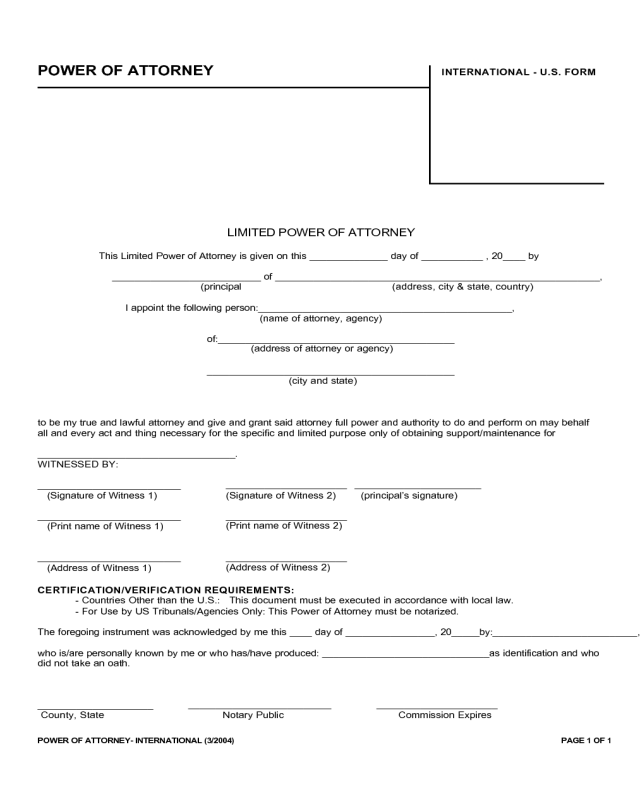
There is no single national execution rule that eliminates the need to check state law. California and Florida illustrate why a state-specific review matters. Both states have established statutory frameworks, but the wording, execution requirements, and practical use of different POA types must be considered individually.
For people searching for a nationwide power of attorney template california, a generic document should not simply be signed without checking California’s current requirements. California has statutory provisions governing powers of attorney, and different forms can be relevant depending on the purpose of the authorization.
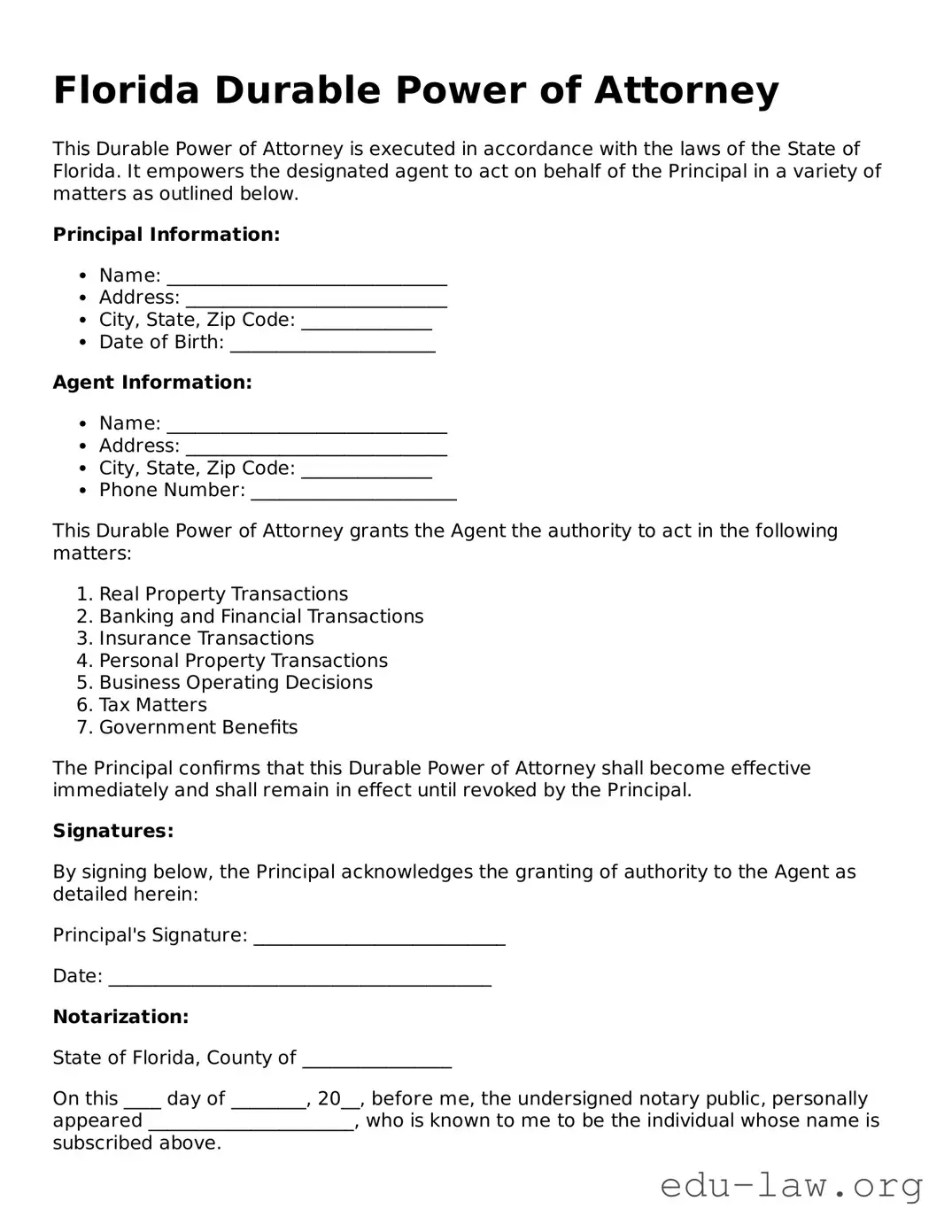
A search for a nationwide power of attorney template florida raises a similar issue. Florida has detailed statutory provisions governing powers of attorney, including requirements concerning execution and the operation of durable authority. A Florida document should therefore be reviewed against current Florida law.
State-specific requirements can also affect the receiving institution. Even when a document is legally valid, a bank, title company, tax authority, or government office may request additional information or its own authorization procedure before acting on the document.
The practical lesson is not that general templates are useless. Rather, they are most valuable before execution, when they help the principal understand the document’s structure and identify the information that must be checked against the governing jurisdiction.

California
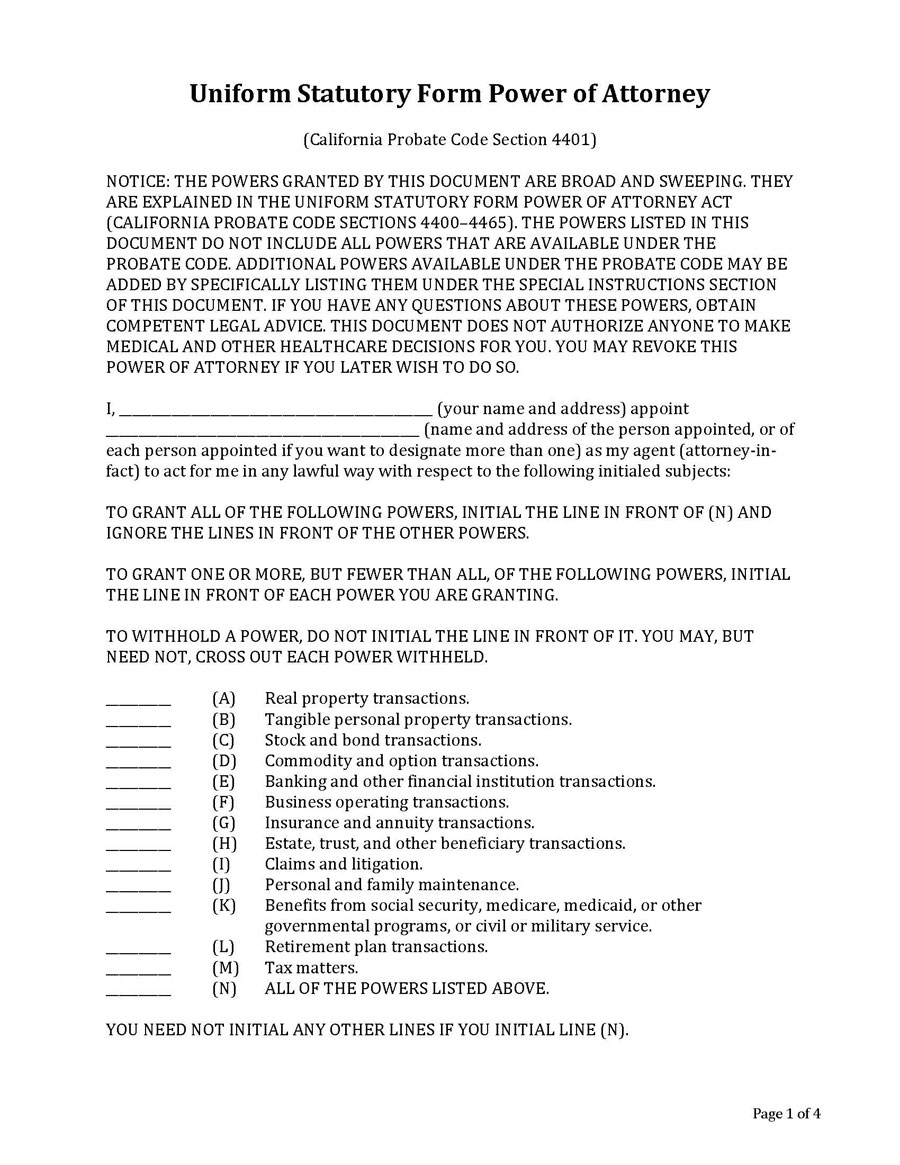
California’s power-of-attorney framework includes statutory provisions addressing financial powers and durability. A California document should therefore be reviewed for the correct statutory language, execution method, and scope of authority rather than treated as interchangeable with a form from another state.
A California template may include categories such as real property, personal property, banking, business operations, insurance, claims, government benefits, retirement matters, and taxes. The principal should grant only the categories that are actually needed.
California also distinguishes financial authority from health care decision-making. A financial power of attorney should not automatically be assumed to authorize health care decisions merely because an online template contains broad language.
For a transaction involving property, securities, a business, or another significant asset, it is particularly important to confirm that the document’s authority is sufficiently specific for the transaction. A receiving party may scrutinize the scope before accepting it.
When a California statutory form is available and appropriate, it may be preferable to an informal nationwide template because the statutory format is designed around the state’s legal framework. A general template remains useful for understanding what information and decisions need to be considered.
Florida
Florida’s power-of-attorney rules are detailed, and durable authority is an important part of the state’s framework. A person preparing a Florida document should verify the current execution requirements and the precise authority being granted before signing.
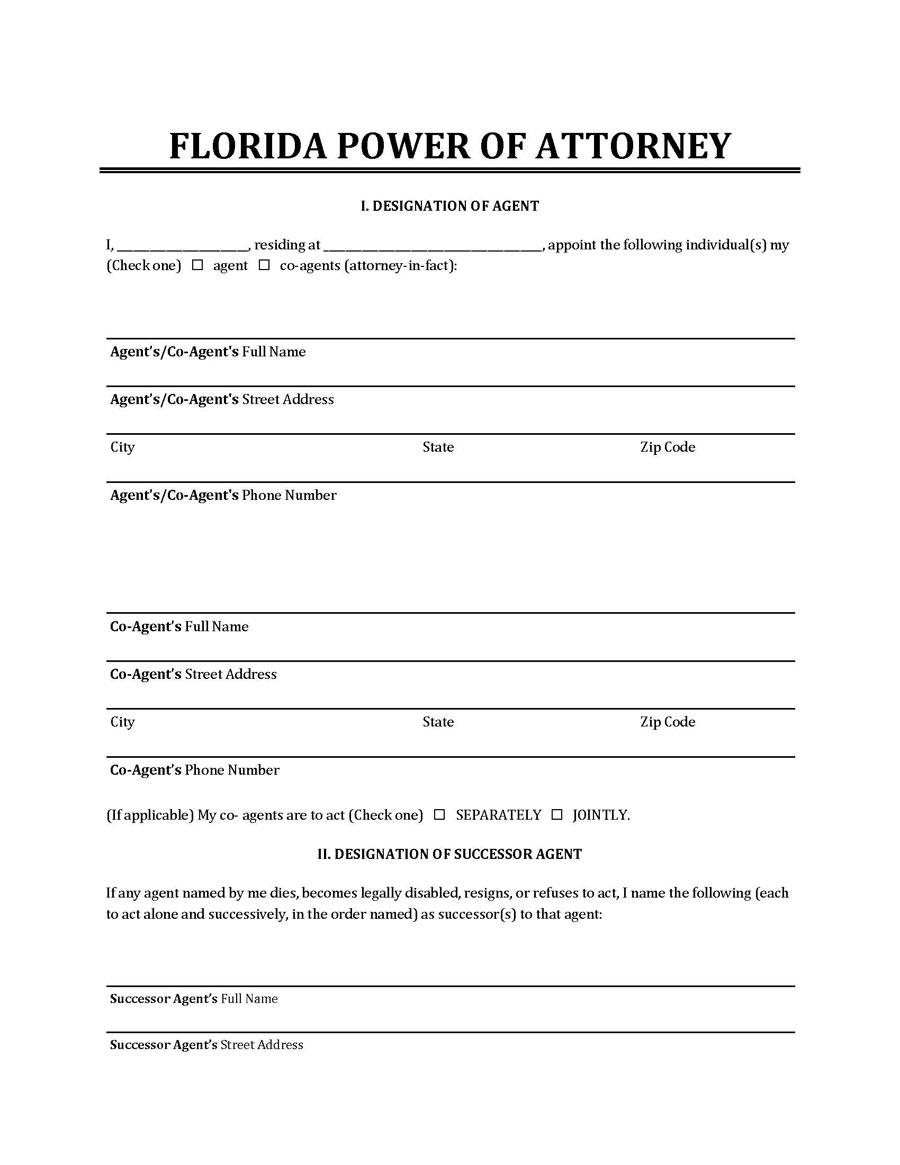
Florida documents may involve multiple agents, successor agents, and specific categories of authority. A template that clearly separates those roles is easier to review and reduces the possibility of accidental ambiguity.
The Florida example also demonstrates why a document can contain more than a simple principal-and-agent appointment. The template may need to address powers, successors, signatures, acknowledgment, and the relationship between different categories of authority.
Someone using a free online form should compare its language with current Florida law instead of assuming that a form labeled “Florida” is necessarily current or appropriate for every situation.
For major financial arrangements, real estate transactions, or estate-planning purposes, professional review can help identify provisions that a generic template might overlook. The cost of review can be small compared with the consequences of an ineffective or overly broad authorization.
How to Create a Power of Attorney Step by Step
Step 1: Define the Purpose
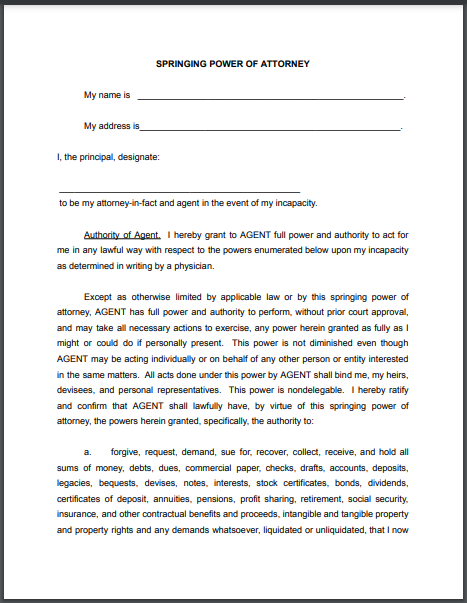
Start by writing one sentence describing what the agent needs to accomplish. Examples include managing specified bank accounts, completing a property transaction, handling a vehicle title, representing the principal for tax matters, or managing business operations during a defined absence.
This first sentence acts as a scope-control mechanism. If the purpose is narrow, there may be no reason to use a broad general authorization. If the purpose is long-term financial management, a durable structure may deserve consideration.
Do not begin by choosing the template that looks easiest. Begin with the legal and practical purpose. The appropriate form follows from the purpose rather than the other way around.
It can also help to identify the institution that will receive the document. A bank, government agency, vehicle authority, title company, or tax department may have its own procedures that affect the final document.
Once the purpose is defined, the principal can identify the necessary powers without automatically granting unrelated authority.
Step 2: Identify the Principal and Agent
Enter the principal’s legal name and relevant identifying information exactly as required. Then enter the agent’s legal name and contact details. If the document involves multiple people, clearly label each person’s role.
Consider whether a successor agent is appropriate. A backup can prevent the arrangement from failing simply because the primary agent becomes unavailable at the wrong time.
Discuss the appointment with the proposed agent before execution. The agent should understand the responsibilities, the expected duration, the types of decisions involved, and any restrictions the principal intends to impose.
For business arrangements, also clarify whether the agent is acting for an individual owner, a company, a partnership, a trust, or another legal structure. The correct principal matters because authority over an individual’s assets is different from authority over an entity’s assets.
A careful identity section prevents many practical problems later. Institutions often need to confirm who granted the authority, who received it, and whether the person presenting the document is the authorized agent.
Step 3: Define the Powers
List the powers the agent actually needs. Financial authority might include banking, investments, real estate, insurance, tax matters, or business operations. A special-purpose authorization may contain only one or two powers.
Use precise descriptions when a transaction is important. If the authority relates to a particular property, identify it clearly. If it concerns a vehicle, identify the relevant vehicle information where the applicable form requires it.
Consider restrictions at the same time as permissions. A principal should not merely ask, “What can my agent do?” The better question is, “What does my agent need to do, and what should remain outside the agent’s authority?”
Specificity also helps third parties. A bank employee or title professional should not have to guess whether a particular transaction falls within the document’s authority.
When the powers are unusually broad or involve substantial assets, legal review becomes more valuable because wording can have consequences beyond the immediate task.

Using a Nationwide Power of Attorney Template Free Download Safely
People searching for a nationwide power of attorney template free download should distinguish between “free to access” and “legally suitable for my situation.” A free file may be useful as a starting point while still requiring significant modification or professional review.
Before downloading, identify the publisher and determine whether the document is an actual template, an educational sample, an outdated form, or a preview of a commercial service. The label “free” does not tell you whether the document is current or appropriate.
Inspect the document’s revision information when available. If a form is state-specific, compare it with the current official state source. If it is a general template, treat it as a drafting reference rather than as evidence that the form complies with every state’s requirements.
After downloading, do not immediately fill in personal information. First read every provision. Look for powers you do not intend to grant, automatic renewal or termination language, successor-agent provisions, gift powers, compensation clauses, and unusual restrictions.
A short review before editing can prevent the common mistake of filling in a form first and discovering later that its basic structure does not match the principal’s actual needs.

Understanding a Nationwide Power of Attorney Template PDF
A nationwide power of attorney template pdf is often attractive because PDF files preserve layout. That makes them useful for printing and reviewing signature blocks. The main concern is whether the document is current and whether the PDF represents an appropriate legal form.
A PDF can also be a scanned image rather than a true electronic form. Scanned documents may be difficult to edit and can create quality problems when printed. A principal should know whether the document is fillable before entering information.
When a PDF is completed electronically, inspect every page after saving. Text can sometimes move, checkboxes can become unclear, and signatures or acknowledgment blocks can be pushed onto another page.
The final printed document should remain legible. Courts, banks, government agencies, and other institutions may need to review the document manually, so a professional layout is not merely cosmetic.
A good PDF workflow therefore includes downloading from a known source, reviewing the content, checking current legal requirements, completing the fields carefully, inspecting the final rendering, and retaining a secure copy of the executed version.

Using a Nationwide Power of Attorney Template Word Document
A nationwide power of attorney template word document can be convenient when the principal needs to customize provisions. Word makes it easy to change names, addresses, dates, special instructions, and selected categories of authority.
That flexibility also creates risk. Editing one sentence can change page breaks, headings, checkboxes, signature lines, or notarial sections. A document that looked professional before editing can become confusing after several revisions.
Use a controlled editing process. Keep an untouched original, create a working copy, make substantive changes deliberately, and compare the finished version against the original before signing.
When multiple people review the document, use a clear version name and avoid circulating several competing files. Conflicting versions can cause the principal to sign a draft that does not contain the final agreed terms.
Once the wording is finalized, preserve a stable final copy. The executed version should be identifiable so that an institution receiving a copy can distinguish it from earlier drafts.
Practical Examples
Example 1: Temporary Property Transaction
Imagine a principal who owns a property but will be unavailable during a scheduled closing. Instead of giving an agent unrestricted authority over all financial affairs, the principal may consider a limited authorization tied to the property and transaction.
The document could identify the principal, agent, property, transaction, effective period, and permitted acts. It might allow the agent to sign specified closing documents but exclude unrelated banking, investment, or gift authority.
This structure illustrates the benefit of matching authority to purpose. The agent receives what is needed to complete the task without automatically receiving every power available under a broad financial authorization.
The actual wording and execution requirements would still need to be checked against the applicable state law and the requirements of the closing participants.
The example is hypothetical, but it demonstrates a useful drafting principle: start with the transaction and work backward to determine the minimum authority necessary to accomplish it.
Example 2: Business Continuity
Consider a small business owner who expects to be unavailable for an extended period. The owner may need someone to manage invoices, banking, contracts, payroll-related matters, or other operational responsibilities.
A business power of attorney should clearly identify whether the principal is an individual or an entity and should distinguish personal assets from business assets. The authority should also identify the activities the agent may perform.
It may be useful to establish reporting expectations. For example, the principal could require the agent to maintain records and provide transaction summaries. Whether particular restrictions are enforceable depends on the governing law and document structure.
A successor arrangement may also be useful if the first agent becomes unavailable. The document should clearly state when the successor’s authority begins and whether the successor acts independently.
For complicated business structures, a lawyer should review the authorization because company agreements, partnership arrangements, trusts, banking requirements, and state law can interact with the power of attorney.
Example 3: Vehicle Transaction
A vehicle power of attorney is usually much narrower than a general financial power of attorney. It can authorize an agent to perform specific title, registration, transfer, inspection, or related administrative actions.
Because vehicle agencies may use their own forms, a generic template should not automatically replace an official state motor-vehicle authorization. The principal should first determine which document the relevant authority accepts.
The vehicle information should be accurate and complete. Depending on the form, this may include make, model, year, vehicle identification number, owner information, and transaction details.
The document should also be signed according to the applicable state’s rules. Notarization or other verification may be required depending on the transaction.
The lesson is broadly applicable: when a government agency publishes a dedicated authorization form, that form deserves priority over a generic nationwide template.

Common Mistakes When Using a Power of Attorney Template
One common mistake is choosing a template before defining the purpose. This often leads people toward overly broad authority because the form contains many categories. The better method is to identify the task first and then select the narrowest appropriate document.
Another mistake is assuming that every state accepts the same execution procedure. Witnesses, notaries, statutory language, agent signatures, and other requirements can vary, so the document should be checked against the governing jurisdiction.
Leaving important fields ambiguous is another avoidable problem. Names, effective dates, successor-agent provisions, and descriptions of authority should be sufficiently clear for a third party to understand.
Using an outdated document is also risky. A template can remain online long after the law or administrative procedure has changed. The publication date and source should therefore be considered when evaluating an online form.
Finally, many users fail to plan for revocation. If authority is no longer needed, the principal should understand how to revoke it and how to notify agents and relevant institutions, subject to the governing law and the circumstances of the transaction.

How to Review a Template Before Signing
Begin with the title and purpose. Ask whether the document actually covers the intended task. If the title says general financial power of attorney but the principal only needs to authorize a vehicle transaction, a narrower document may be more appropriate.
Next, inspect every authority clause. Highlight powers that are unnecessary, especially powers involving gifts, real estate, investments, business control, or other major assets.
Then check the effective date and termination provisions. Determine whether the authority begins immediately, after an event, on a particular date, or according to another condition. Confirm that the termination provisions reflect the principal’s intention.
Review the execution section carefully. The principal should know who must sign, whether witnesses are required, whether a notary is required, and whether any agent acceptance is necessary.
Finally, ask how the document will actually be used. A legally valid document can still cause delays if the bank, title company, government office, or other recipient has additional procedures. Practical acceptance is an important part of document preparation.

Practical Solution
The most practical solution is to treat a nationwide power of attorney template as a structured starting point rather than as a universal finished form. First define the purpose, then identify the state law, then choose the appropriate type of authority.
Next, gather the information that the finished document actually needs: principal details, agent details, successor arrangements, specific powers, limitations, effective dates, and termination provisions. Avoid adding sensitive information unless it is genuinely required.
After completing the draft, compare it against an official state source or the requirements of the relevant government agency or institution. This step is particularly important for California, Florida, tax matters, real estate, vehicle transactions, and other specialized uses.
Then perform a final document audit. Confirm names, dates, authority, restrictions, signatures, witness blocks, notarial language, page numbering, and formatting. Make sure the final document is the version intended for execution and retain an accurate copy after signing.
For significant transactions, have a qualified lawyer review the document before execution. A short professional review can be especially valuable when the authority is broad, the assets are substantial, multiple states are involved, or the principal’s circumstances are complicated.
Reference Examples
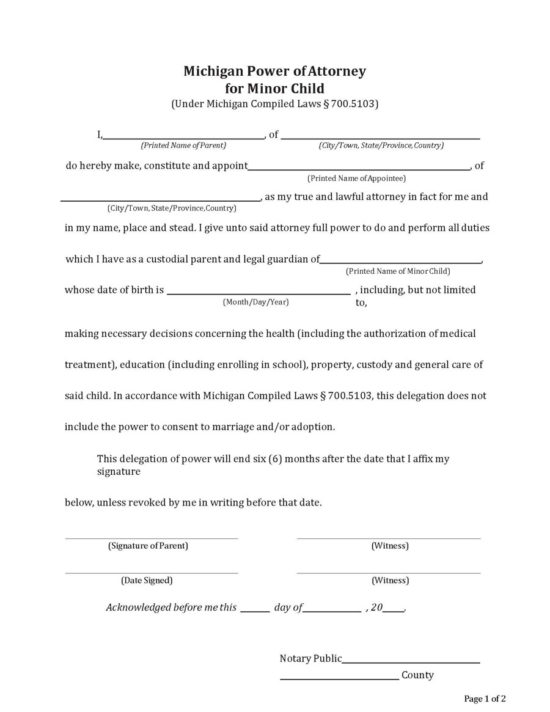
The following reference examples illustrate different visual formats used for power-of-attorney documents, including tax authorizations, state forms, editable templates, limited authorizations, financial forms, and other document structures. They are examples for comparison and should not be treated as universal legal forms.
nationwide power of attorney template pdf
Source: SampleForms
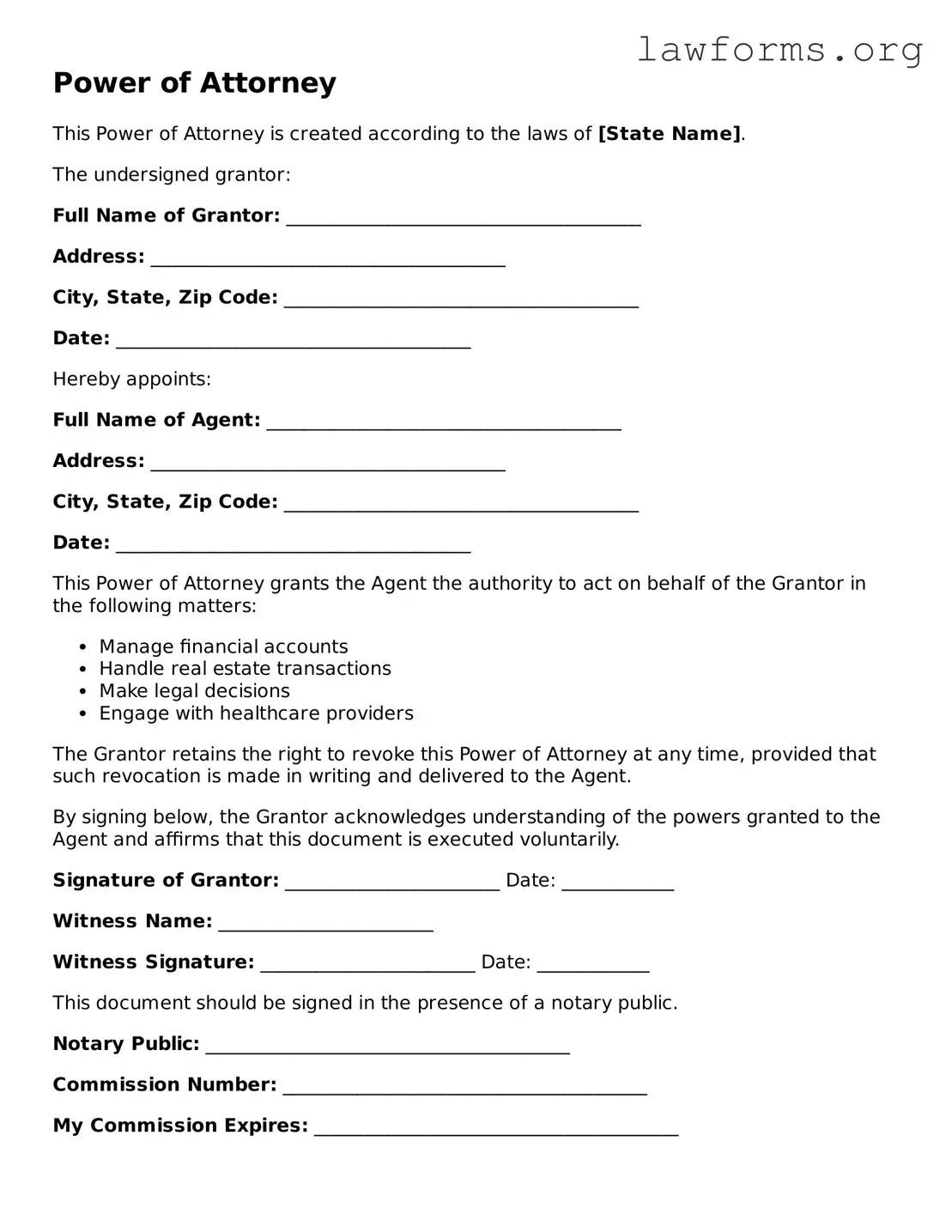
nationwide power of attorney template free
Source: LawForms
nationwide power of attorney template free download
Source: TechGuruPlus
nationwide power of attorney template california
Source: California Templates
nationwide power of attorney template florida
Source: WordTemplatesOnline
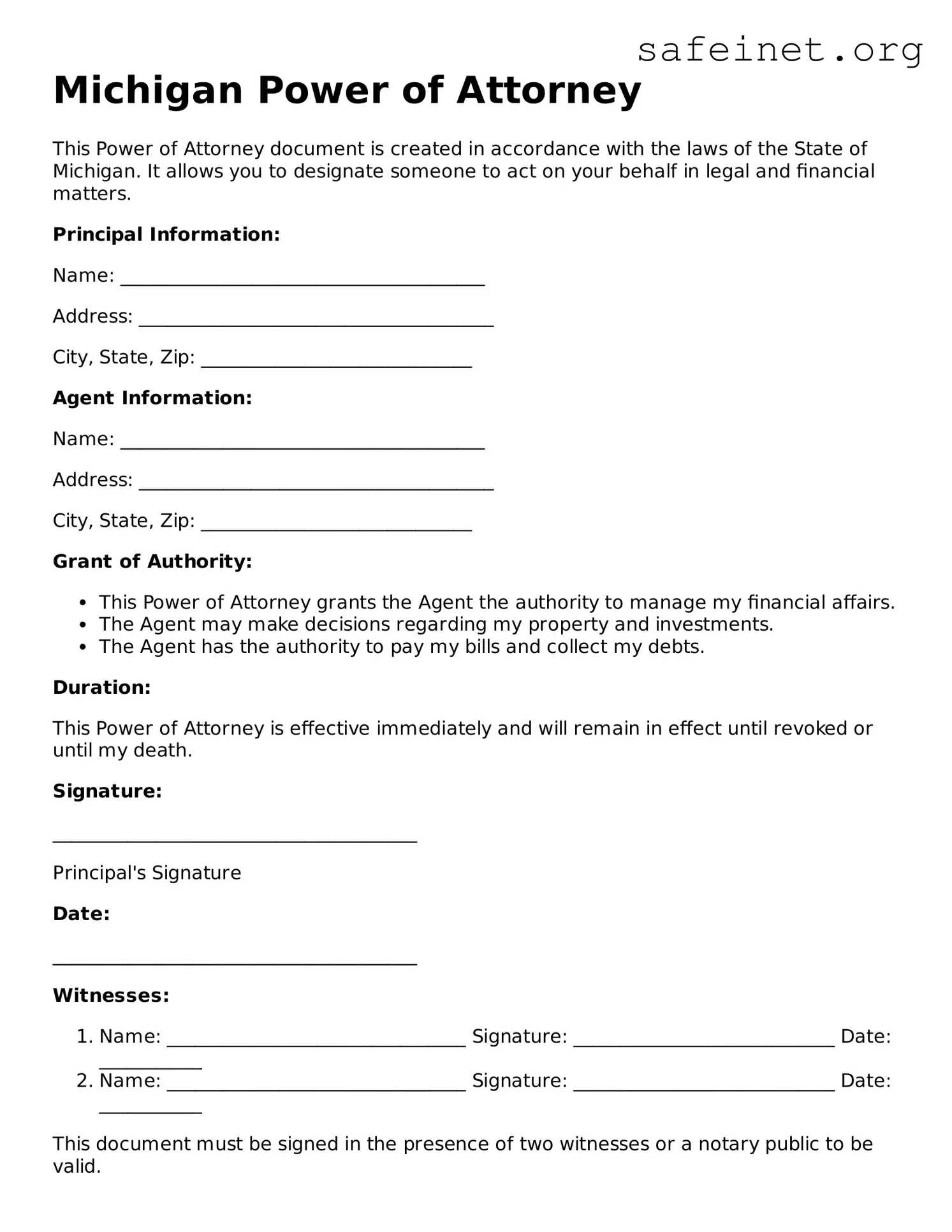
nationwide power of attorney template download
Source: SafeInet
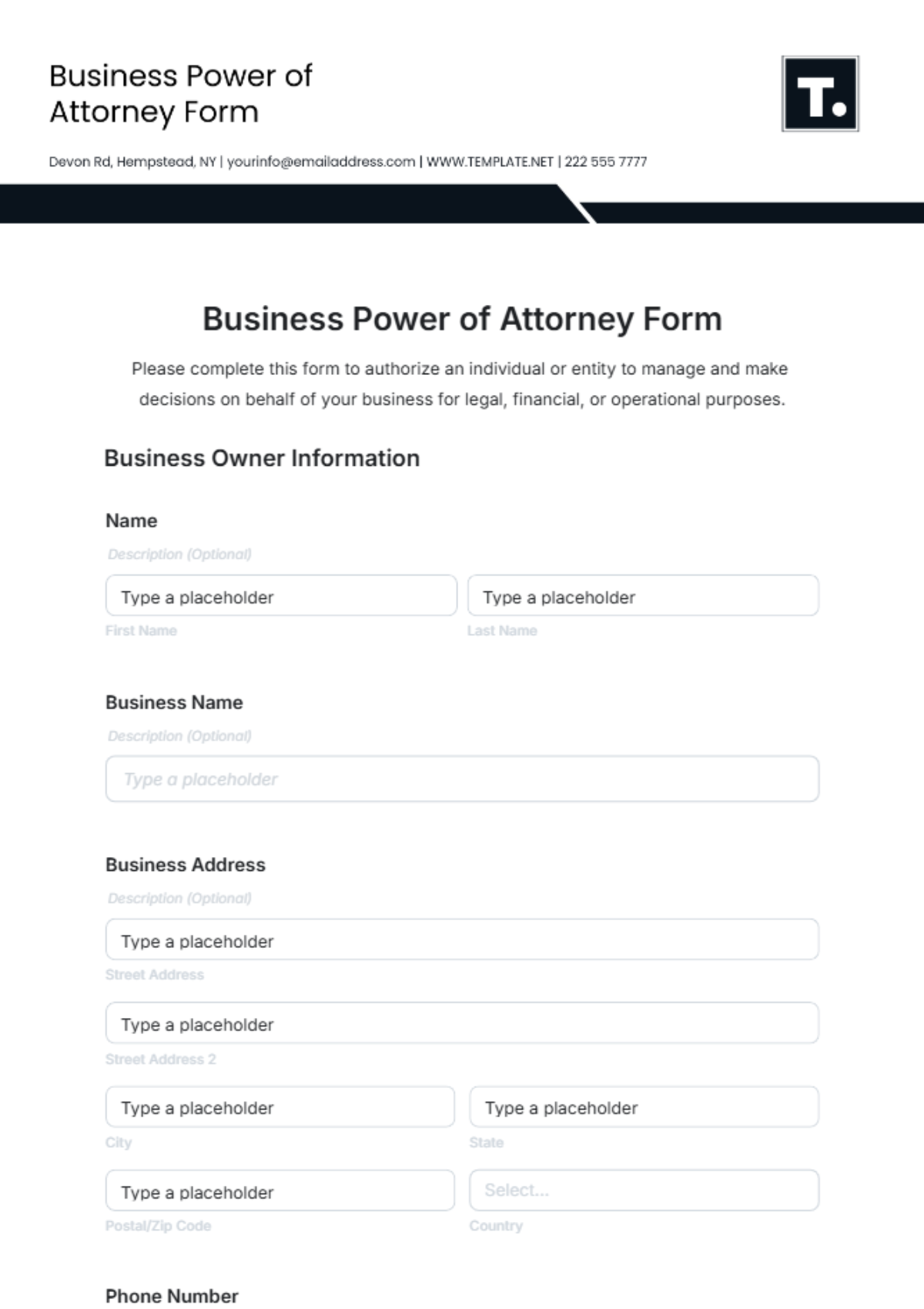
nationwide power of attorney template word
Source: Template.net
nationwide power of attorney template word document
Source: HandyPDF
nationwide power of attorney form
Source: EduLaw
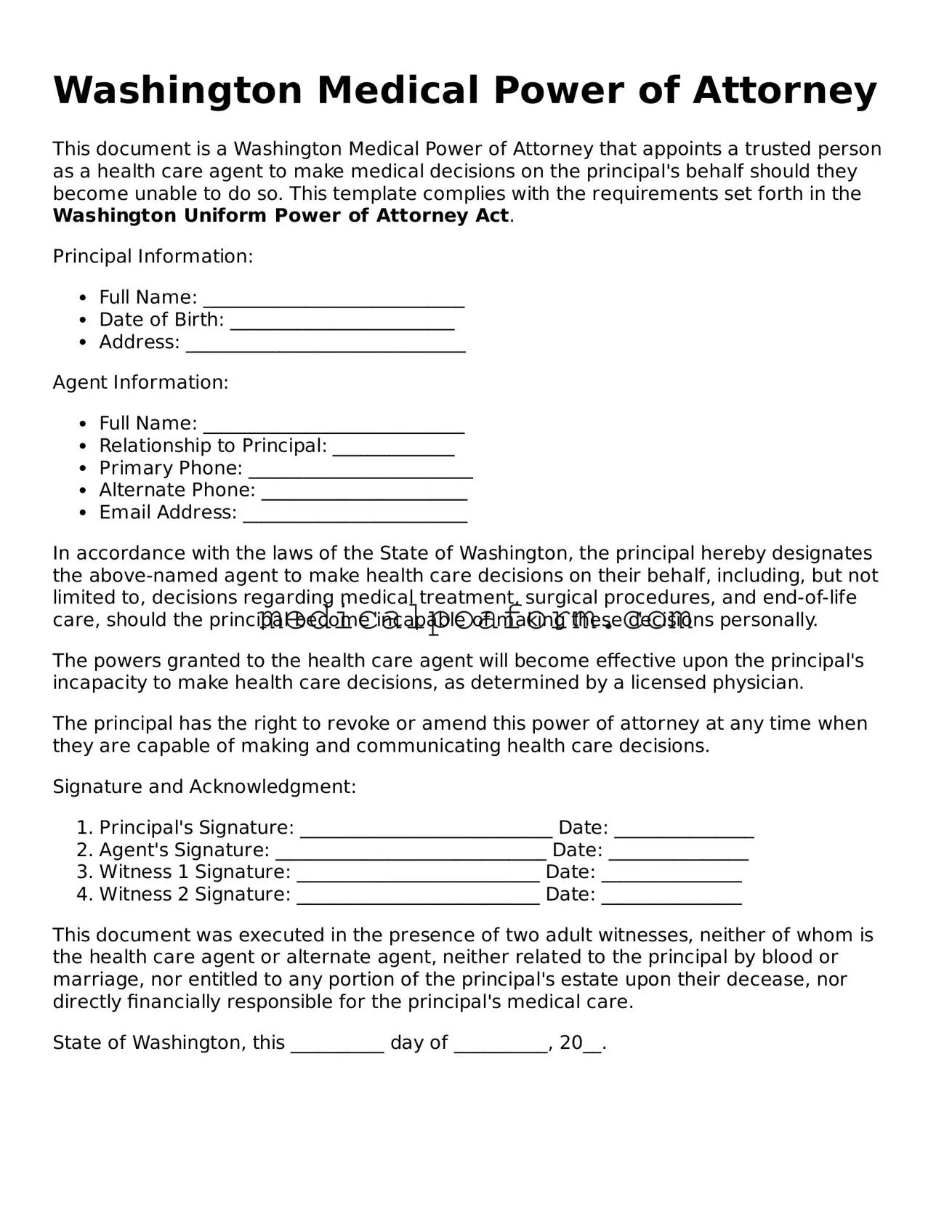
free template power of attorney
Source: Medical POA Form
nationwide power of attorney team
Source: CramCharts
free power of attorney form template usa
Source: Scribd
Frequently Asked Questions
Is there one nationwide power of attorney template that works in every state?
No single generic template should be assumed to satisfy every state’s requirements. State law can differ on wording, execution, witnesses, notarization, durability, and other matters. A general template is best used as a drafting reference, followed by a state-specific review.
Can I use a free power of attorney template?
You can use a free template as a starting point, but “free” does not mean universally valid or current. Check the source, revision date, purpose of the form, applicable state law, and any requirements imposed by the institution that will receive the document.
Is a PDF better than a Word document?
Neither format is inherently more legally effective. Word is usually easier for drafting and editing, while PDF is useful for preserving a finished layout. The important issue is whether the content and execution satisfy the applicable requirements.
Does a power of attorney give an agent unlimited authority?
No. The agent’s authority comes from the document and applicable law. A principal can often grant broad or limited authority, subject to legal restrictions. The safest drafting approach is to authorize the powers the agent genuinely needs rather than adding unnecessary powers.
What is the difference between general and durable authority?
“General” generally describes the breadth of authority, while “durable” addresses whether the authority continues despite later incapacity. They describe different characteristics and should not be treated as interchangeable terms.
Can a power of attorney be revoked?
Often, a competent principal can revoke a power of attorney, but the process and legal effect depend on the governing law and circumstances. Revocation should be documented carefully and communicated to the agent and relevant third parties when appropriate.
Should I use a California or Florida-specific form instead of a nationwide template?
When a state-specific statutory form is available and appropriate for the intended purpose, it can be preferable because it is designed around that state’s legal framework. A nationwide template can still help with planning and understanding the structure before selecting the final form.
Does a financial power of attorney automatically cover medical decisions?
Not necessarily. Financial authority and health care decision-making are commonly addressed through different legal documents or provisions. Never assume that a financial POA gives medical authority simply because an online template uses broad wording.
What should I do if a bank refuses my power of attorney?
Ask the institution why it cannot accept the document and whether it has a specific review process or supplemental form. Then compare the request with the governing law and the original document. If substantial assets are involved, legal advice may help resolve the issue.
When should I have a lawyer review the document?
Legal review is particularly sensible when the authority is broad, significant assets are involved, multiple states are implicated, a business or trust is involved, the principal’s capacity is questioned, or the document contains unusual restrictions or special powers.
Conclusion
A nationwide power of attorney template can save time and provide a useful structure for planning, but its greatest value is helping the principal organize the right information and ask the right legal questions. It should not be treated as proof that one identical document will work everywhere.
The most important decisions concern purpose, scope, agent selection, durability, effective dates, successor arrangements, and execution requirements. A careful principal should grant only the authority that is actually needed and should make the document understandable to the institutions that may rely on it.
PDF and Word versions each have practical advantages. PDF is useful for preserving a finished layout, while Word can simplify drafting and customization. Regardless of format, the final document should be checked carefully after editing and compared with current state-specific requirements.
California, Florida, and other states demonstrate why a general template should be followed by jurisdiction-specific verification. Specialized uses such as taxes, vehicles, health care, real estate, and business operations may require different forms or additional procedures.
The safest approach is therefore straightforward: use a nationwide power of attorney template to understand the document, define the authority precisely, verify the governing law, confirm the receiving institution’s requirements, execute the correct version carefully, and seek professional legal review when the consequences of an error are significant.
