A certificate for property Template is useful when a property record needs a clear, formal structure for ownership details, identifying information, dates, signatures, and supporting references. The phrase can refer to several document styles because property certification varies by jurisdiction and purpose. A private record, an ownership statement, a land registry record, a tax record, and a title-related certificate are not necessarily interchangeable legal instruments.
The most useful way to approach a property certificate template is to separate document design from legal authority. A well-designed template can organize information neatly, but the template itself does not create ownership rights. Legal effect normally comes from the authorized issuer, the underlying registry or deed, the governing rules, and the completed record. This distinction matters when a certificate will be used for a sale, financing, inheritance, taxation, land registration, or dispute.
Searchers often want a practical format that can be adapted to their situation. A strong template should therefore make the property easy to identify, make the owner or rights holder clear, record the date and issuing authority, and provide enough space for certification and signatures. It should also leave room for registry references, parcel numbers, legal descriptions, or other identifiers when those details are relevant.
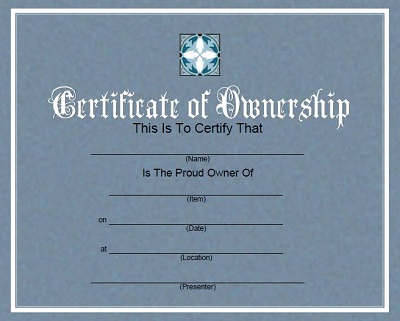
What is a property certificate?
If you are asking what is a property certificate, the safest answer is that the term is a broad description rather than one universal document type. Depending on the country and transaction, it may describe an ownership certificate, title record, land certificate, property tax record, occupancy record, or another certification issued by a public authority or authorized organization. The exact legal meaning should always be checked against the rules of the jurisdiction where the property is registered.
A property certificate generally identifies the subject property and connects it with a person, organization, right, status, or official record. Common identifying information can include the property address, parcel or lot number, title or registry number, legal description, land area, and jurisdiction. A residential certificate may also identify the building or unit, while a land-focused record may rely more heavily on survey references and boundaries.
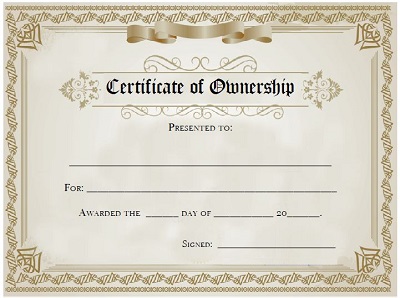
The visual structure can resemble a traditional certificate, but legal property records often look more like forms or registry documents. A decorative border may be suitable for a commemorative ownership certificate, while a government land record normally prioritizes precise identifiers, standardized wording, security features, official seals, and registry references. The correct structure therefore depends on what the document is intended to prove.
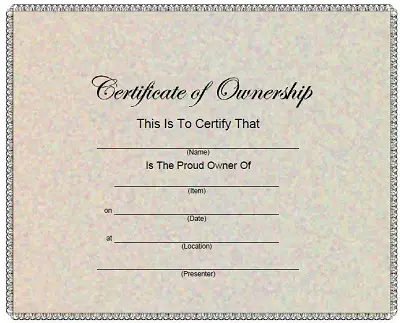
Why the purpose should determine the template
The first question before choosing a template is not how attractive the certificate looks. It is what the certificate is intended to establish. A document created for internal property records can be concise, while a certificate connected to land registration may need a precise legal description and official registry information. A tax-related record has a different purpose again because it concerns assessment, tax status, or payment history rather than title alone.
For example, an ownership statement might identify the owner and describe the property, while a title record may also identify registered interests, restrictions, mortgages, easements, or other entries. A tax record can contain an assessed value and tax identifiers. A certificate of occupancy can address authorized use or possession of a property. These records may relate to the same parcel without proving the same legal fact.
This is why copying a visually attractive certificate and presenting it as an official title record can create serious confusion. A template should be treated as a document framework unless it has been issued or validated by the authority responsible for the relevant record. When legal rights are involved, the issuing authority and governing jurisdiction should take precedence over the appearance of the document.
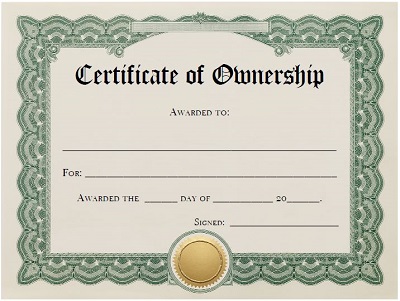
Core sections of a property certificate template
A practical certificate begins with an unmistakable title. Depending on the purpose, that title might identify ownership, registration, property status, taxation, occupancy, or another specific certification. Avoid a vague heading when the document has a narrow purpose. The title should tell the reader what is being certified without implying a legal status that the issuer cannot establish.
The next section should identify the owner or rights holder. Use the person’s or organization’s legal name rather than a casual name or shortened form. If there are multiple owners, the structure should allow all relevant parties to be identified and, where necessary, should distinguish joint ownership, shares, trusteeship, corporate ownership, or another ownership arrangement.
The property description should be equally precise. An address alone may not distinguish a parcel in a formal registry. Depending on the jurisdiction, useful fields may include parcel number, lot number, block number, survey reference, title number, unit number, land area, building description, or a legal description. The goal is to make the property identifiable without relying on assumptions.
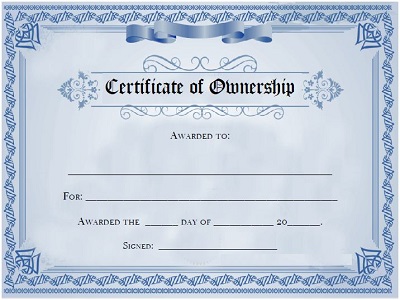
A certification statement should then explain what the issuer is confirming. A neutral structure might state that the named person or entity is recorded as the owner of the property described in the document as of a specified date. The wording should match the actual authority of the issuer. Do not state that a property is free of liens, disputes, or restrictions unless that fact has been verified.
Dates are another important component. A certificate may need an issuance date, effective date, registration date, acquisition date, or another relevant date. These should not be treated as interchangeable. A property can have an earlier acquisition date and a later registration date, for example. Keeping the fields separate reduces ambiguity and makes the record easier to review later.
Finally, include issuer information and authentication fields. These can include the issuing organization, office or department, authorized signatory, designation, certificate number, official seal, registry reference, verification code, or other security feature. Which elements are required depends on the issuer and jurisdiction, so a generic template should clearly distinguish optional fields from official requirements.
Ownership, title, tax, and occupancy records are different
One of the most important distinctions is between ownership evidence and a title record. A title certificate for property may refer to a registry-based document that identifies registered ownership and recorded interests. In some jurisdictions, the historical paper certificate of title has been replaced or supplemented by electronic registry records. The terminology and legal effect vary, so the phrase should not be treated as universally defined.
A tax record serves a different function. A tax certificate for property may concern taxes due, taxes paid, tax status, assessment information, or a request for certification from a taxing authority. It can be highly relevant during a transaction because unpaid property taxes may affect the transaction or settlement process, but a tax record should not automatically be treated as the document that establishes legal title.
Occupancy records can also be separate. A certificate of occupancy may relate to whether a building or premises can lawfully be occupied or used for a particular purpose. That status does not necessarily establish who owns the land. Likewise, an ownership certificate may identify a rights holder without replacing the underlying deed or registry entry.
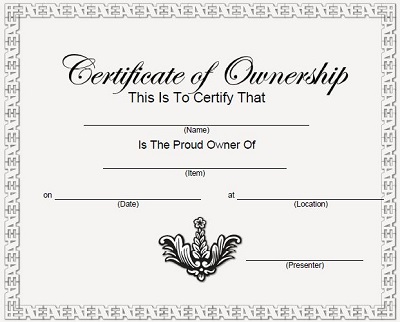
These distinctions are especially important when creating a certificate for property Template for a real estate transaction. The template should state exactly what is being certified and avoid combining unrelated legal claims into one declaration. If a document covers ownership and tax status, those statements should be clearly separated and supported by the relevant records.
Choosing a suitable visual structure
Property certificates benefit from strong information hierarchy. The certificate title should be prominent, the owner’s name should be easy to locate, and property identifiers should be grouped together. A reader should be able to determine the document type, subject property, named owner, issuing authority, and relevant date without searching through decorative elements.
A formal border can help a certificate feel authoritative, but decoration should never compete with the information. Thin rules, restrained typography, consistent spacing, and a clearly separated signature area are usually more useful than excessive ornament. If the document will be printed, contrast and legibility should remain strong at normal paper size.
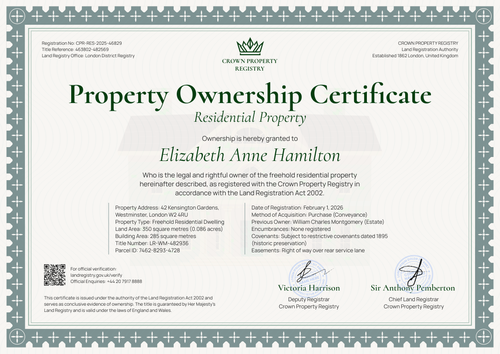
Color can also communicate structure. Green, blue, gray, black, and neutral layouts can all work well, but color should not be mistaken for authenticity. A government seal, registry number, QR verification feature, or signature is meaningful only when it comes from the legitimate issuer and can be verified through the relevant system.
Digital and printable formats
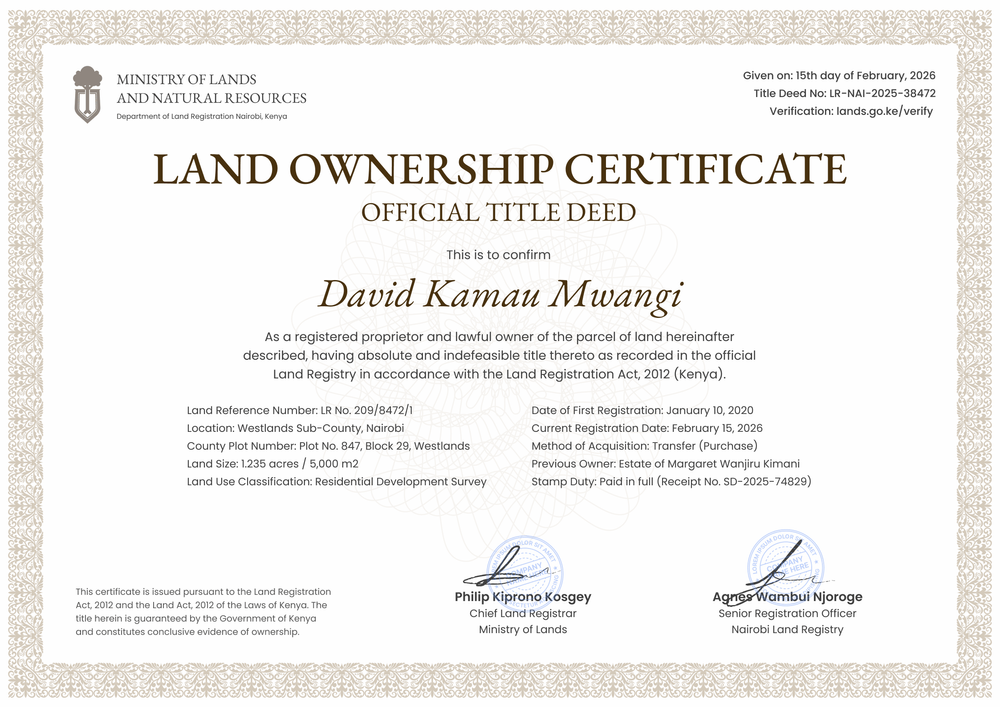
People searching for a certificate for property template pdf often want a stable document that preserves its layout across devices and printers. PDF is useful for presenting a finalized record because the page design is generally preserved. It is still important to distinguish a PDF representation from an official registry record. A visually identical PDF does not become official merely because it uses formal typography or a seal image.
An editable source can be useful when the same structure is needed for repeated records. A certificate for property template editable format should use clearly marked fields rather than relying on manual rewriting of fixed text. Editable fields can include owner name, property address, parcel reference, certificate number, issue date, issuer, and signature information.
Some users specifically search for a certificate for property template google docs because they want a browser-based document structure that several authorized people can review. When using a shared document, access controls and version history should be considered. Sensitive property information should not be exposed to people who do not need it, and the final certified record should be preserved in a controlled location.
How to build the document step by step
Start by defining the purpose in one sentence. For example, the document might certify that a named owner is recorded against a specified residential parcel as of a particular date. That sentence becomes the foundation for the rest of the structure. If the purpose cannot be stated clearly, the template probably needs to be narrowed before any visual design work begins.
Next, list every property identifier that is genuinely needed. A residential property might require an address and unit number, while land may require a parcel number, survey reference, lot and block information, or legal description. Do not add identifiers merely because another certificate uses them. Extra fields can create confusion if the issuer cannot verify them.
Then create separate areas for ownership information, property information, certification language, dates, issuer information, and authentication. This makes the document easier to review and reduces the risk that an owner name will be confused with the issuer name or that a property identifier will be mistaken for a certificate number.
Before the certificate is issued, compare every factual field with the underlying record. Check spelling, owner names, parcel identifiers, dates, addresses, measurements, and registry references. A single wrong character in a parcel or title number can make a document difficult to reconcile with the official record.
After factual review, check the authorization section. The signatory should have the authority to certify the stated information, and the issuer should use its normal seal, reference number, verification method, or other authentication mechanism where required. If the document is only an internal record, label it accordingly rather than presenting it as an official certificate.
The final review should examine both content and presentation. Make sure no important field is hidden by a border, the signature area has enough space, dates use one consistent format, and the document remains legible when printed. A clean certificate is easier to audit, compare, and retain.
Common mistakes to avoid
One common mistake is treating a generic ownership certificate as a replacement for a government title record. A template can organize information, but it does not transfer title merely by being signed. If a transaction requires registration, the parties should follow the process established by the relevant land registry or other competent authority.
Another mistake is using an incomplete property description. Writing only a street address can be insufficient where several units, parcels, or lots share a similar address. Include the identifier that the responsible registry actually uses, when one exists.
A third mistake is making unsupported statements about liens, mortgages, disputes, taxes, or unrestricted ownership. These matters often require separate searches or official records. A certificate should say what has actually been verified and should avoid broad assurances that exceed the issuer’s knowledge or authority.
Another issue is failing to distinguish the date of the underlying event from the date of certification. A property may have been purchased years before a certificate was issued. Recording those dates separately creates a clearer historical record and prevents readers from assuming that the certificate date is the acquisition date.
Using the template for property transactions
During a sale or transfer, a property certificate template can help organize the information that must be checked against the underlying records. The property address, legal identifier, owner name, transaction date, and registry reference can be gathered into one structured document for internal review. This can make document comparison easier, especially when several records are being examined.
For financing, the same structure can help identify the property and the person or entity associated with it. However, a lender may require specific title searches, tax records, insurance evidence, valuation records, or other documents. A generic certificate should therefore be treated as a supporting record unless the lender or authority expressly recognizes it.
For inheritance or estate administration, the template can be useful for organizing property information before records are reviewed by the relevant authority or professional. Multiple owners, deceased owners, trusts, and inherited interests can require specialized documentation, so the certificate should not simplify a complex ownership history into an unsupported statement.

Practical Solution
The practical solution is to build the certificate around verified property identifiers first and visual styling second. Begin with the exact purpose, identify the jurisdiction, determine who is authorized to issue the record, and list the underlying records that support each factual statement. Then create a certificate layout that mirrors that information hierarchy. This method reduces the risk of producing a polished document that looks official but does not contain the information needed for verification.
A useful workflow is to create five main blocks: owner information, property identification, certification statement, dates and status, and issuer authentication. Add only fields that have a clear purpose. For example, the property block might contain the address, parcel number, lot number, unit number, land area, and legal description. The issuer block might contain the organization, office, certificate number, authorized signatory, and verification reference.
Before finalizing the record, conduct a field-by-field comparison against the source documents. Check names letter by letter, confirm property identifiers, verify dates, and make sure the certification statement does not go beyond the evidence. If the certificate concerns taxation, compare it with the relevant tax record. If it concerns title, compare it with the appropriate registry record. If it concerns occupancy, use the record issued for that purpose.
For organizations creating several certificates, use a consistent field order and naming convention. Keep certificate numbers unique, preserve issuance dates, and retain a record of who authorized each certificate. A standardized process makes later verification much easier than a collection of individually designed documents.
For an individual preparing a certificate for a private record, keep the wording conservative. Identify the owner, property, date, and source of the information, then state the purpose of the record. If legal certification is required, have the responsible authority or qualified professional review the wording before it is treated as an official record.
How to judge a good template
A strong template for a certificate should be easy to identify, easy to complete, and easy to verify. The reader should immediately know the certificate type and the property to which it relates. Important identifiers should not be buried in decorative text, and the owner should be clearly distinguished from the issuing organization.
The wording should also be precise. A statement that the document “records” or “certifies” a particular fact may be suitable in one setting, while language that declares unrestricted ownership may require stronger legal authority. Use the narrowest wording that accurately describes the evidence behind the certificate.
Finally, the layout should support long-term recordkeeping. Clear typography, consistent dates, sufficient signature space, and distinct reference numbers are more valuable than ornamental design. A certificate may be viewed on screen years after it was issued, so legibility and traceability should remain priorities.
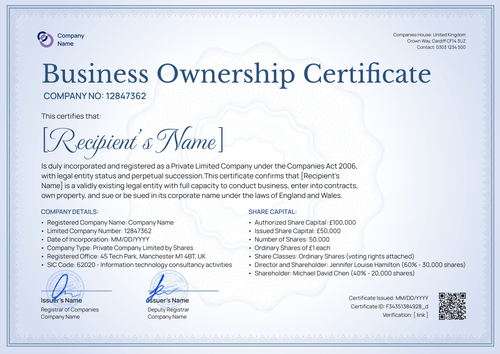
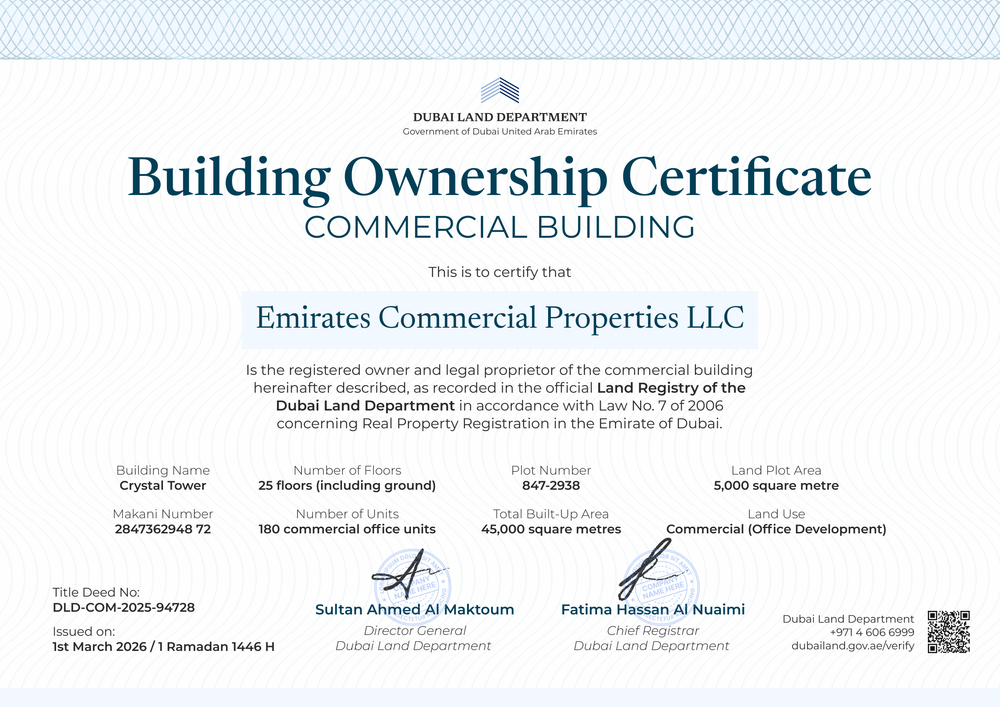
Checking property information before certification
Verification should begin with the property identifier used by the relevant authority. Depending on the record system, that may be a parcel number, title number, lot and block reference, survey number, or another registry identifier. The address can then be checked against that identifier rather than used as the sole basis for identification.
The owner’s legal name should be checked in the same way. Differences in spelling, company names, trusts, joint owners, or inherited interests can affect how the certificate should be prepared. Where a document concerns multiple owners, the template should provide enough room to describe their relationship or respective interests when that information is relevant.
Dates and status fields should be reviewed separately. Ownership acquisition, registration, issuance, tax assessment, tax payment, and occupancy dates can refer to different events. Keeping those concepts separate helps prevent a certificate from accidentally implying that one date proves another event.

A final check should confirm that the certificate does not contain unsupported legal claims. If the underlying records do not establish that a property is free of liens or disputes, do not state that they do. If tax status has not been checked, do not certify that all taxes are paid. Accuracy is more important than making the document sound impressive.

Reference Examples
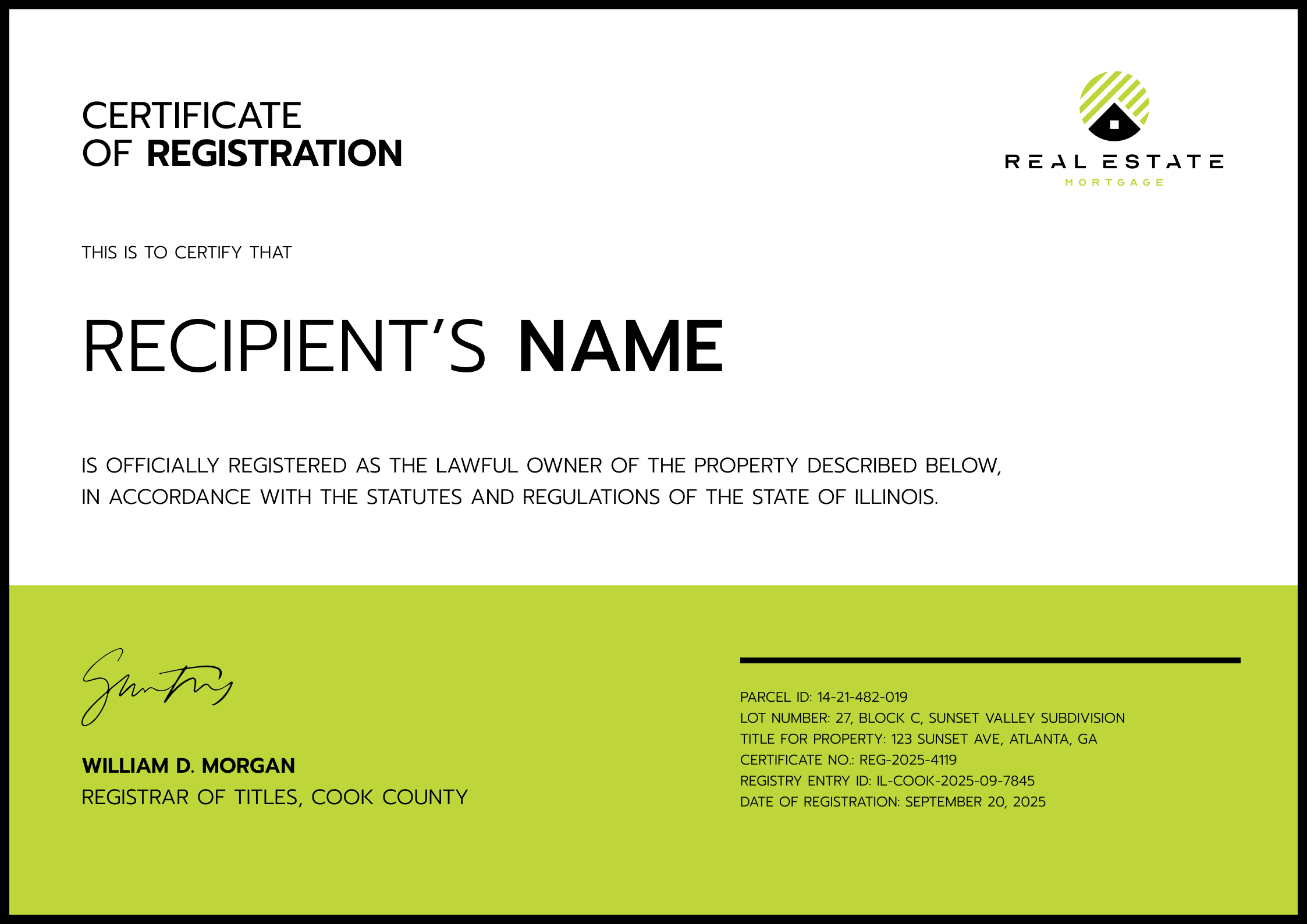
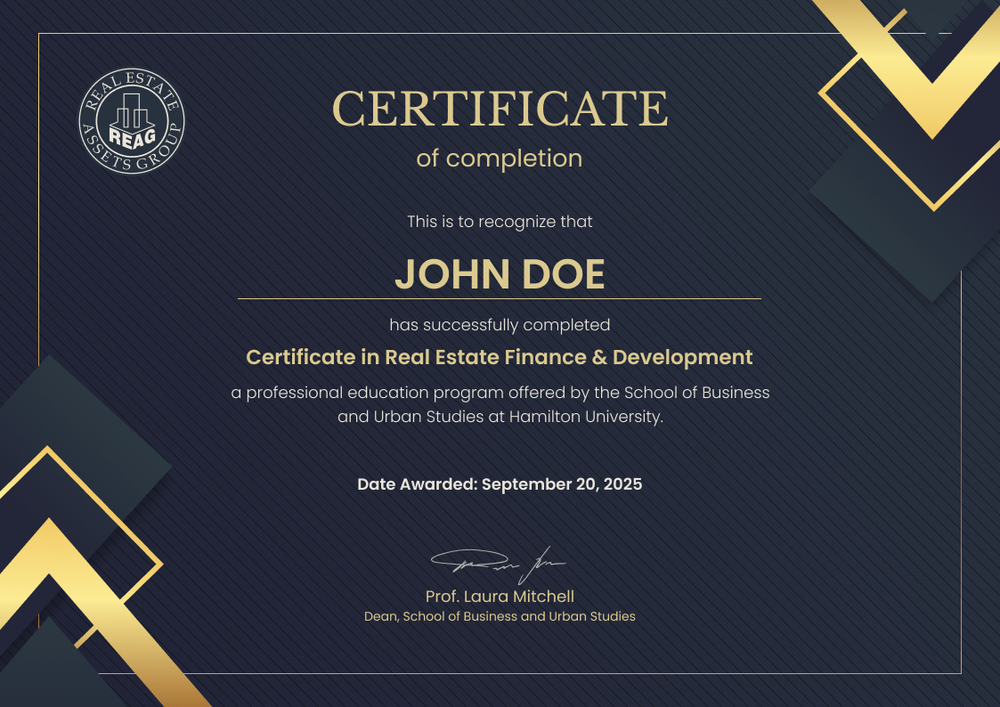
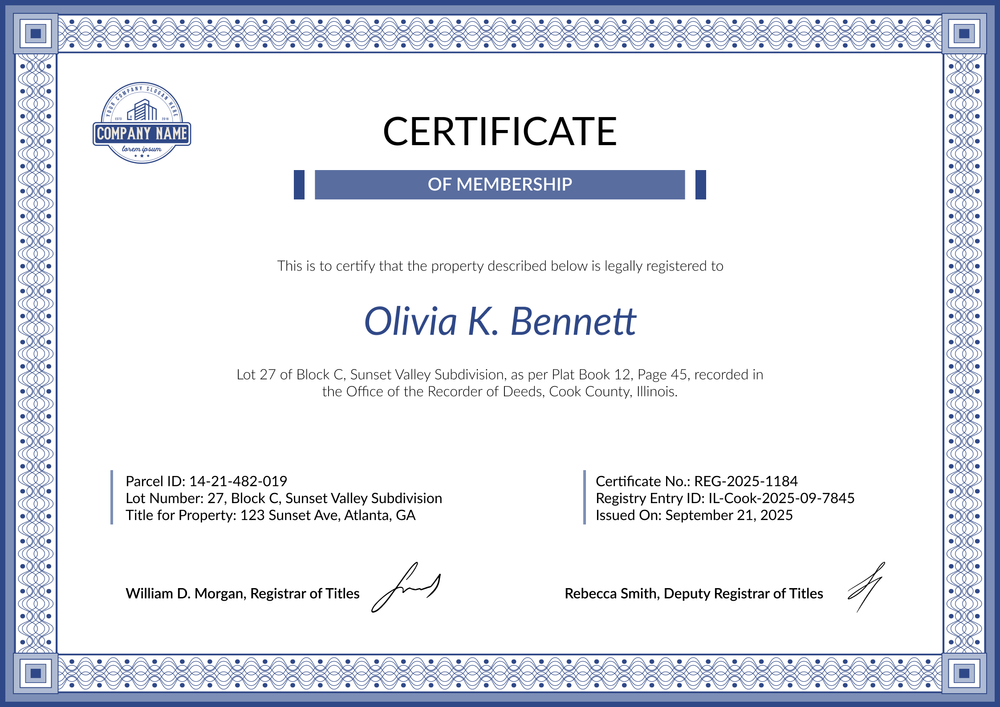
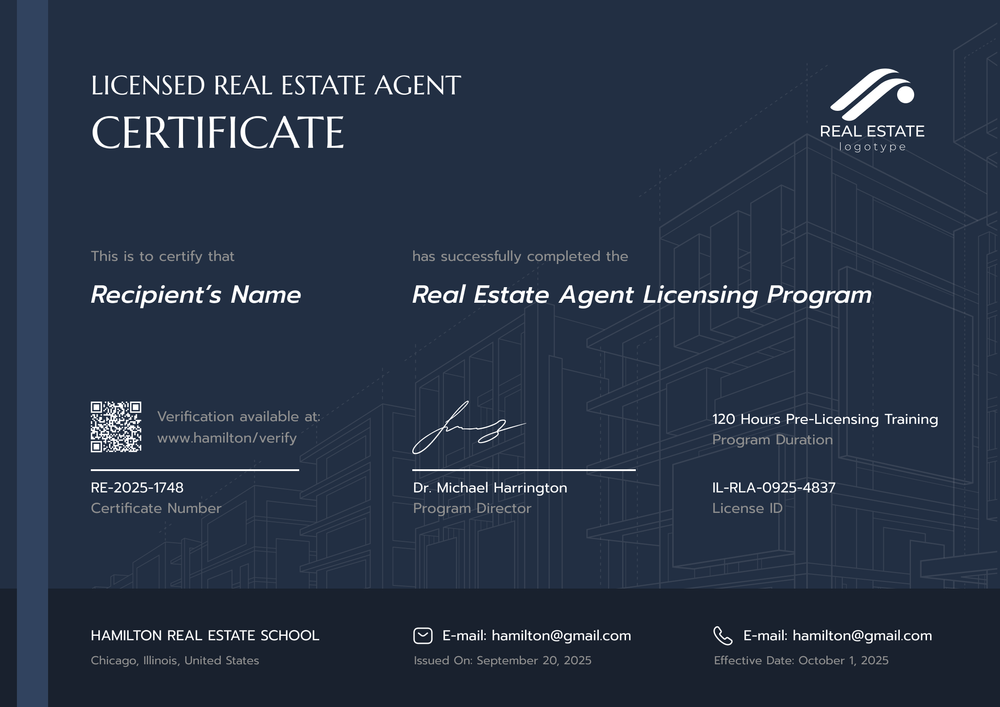
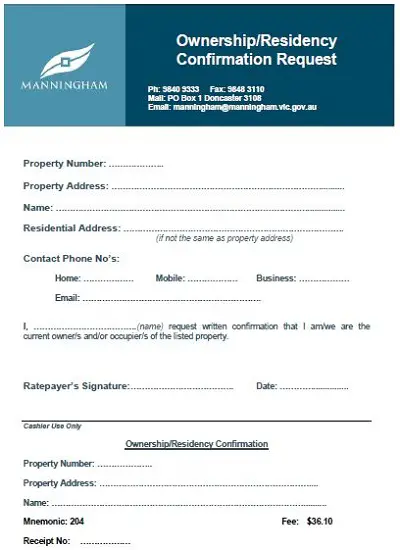
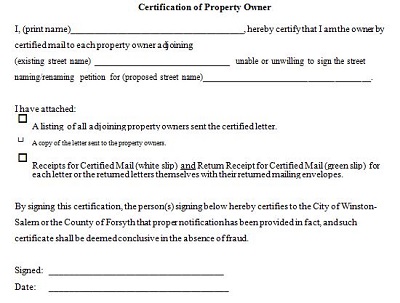
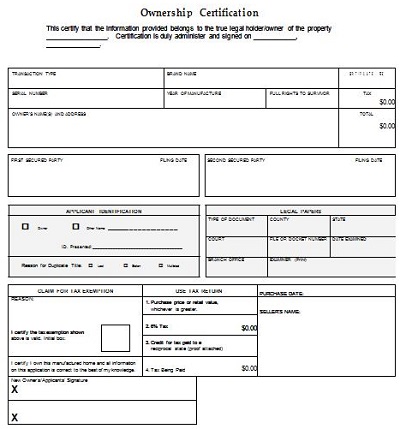
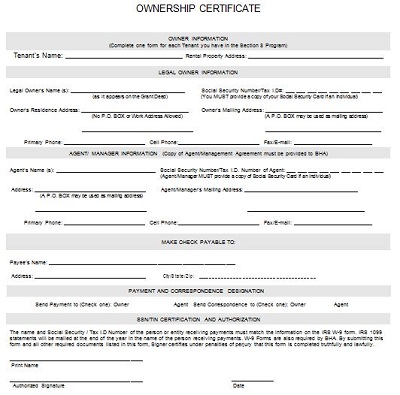
A certificate for property Template is best understood by comparing different document structures rather than assuming that every certificate serves the same legal purpose. The examples below show how ownership records can vary in typography, field arrangement, issuer sections, identification fields, and signature areas. Some are general ownership layouts rather than government title records, so they should be treated as visual references rather than universal legal forms. The distinction is important because the appearance of a certificate does not by itself establish legal authority.
The following visual references are useful for evaluating layout choices such as certificate headings, property or asset descriptions, owner fields, dates, authentication areas, and supporting information. They can help when designing an internal property record or when deciding which structural elements should be discussed with the authority responsible for a particular property record. Where a document shown below concerns another kind of ownership, its value is limited to format comparison and should not be mistaken for a property-specific legal requirement.
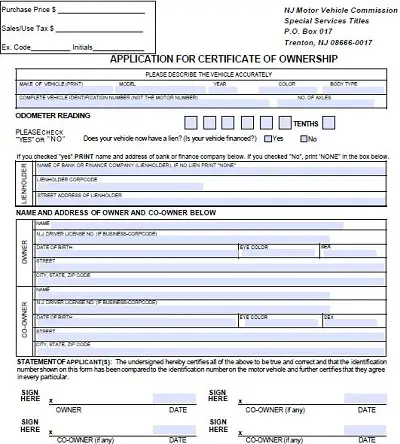
Certificate of Ownership 08
Source: Template Republic
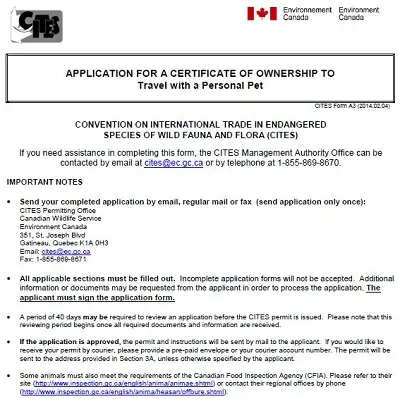
Certificate of Ownership 09
Source: Template Republic
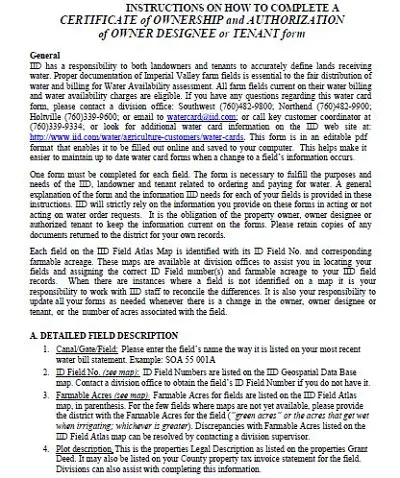
Certificate of Ownership 10
Source: Template Republic
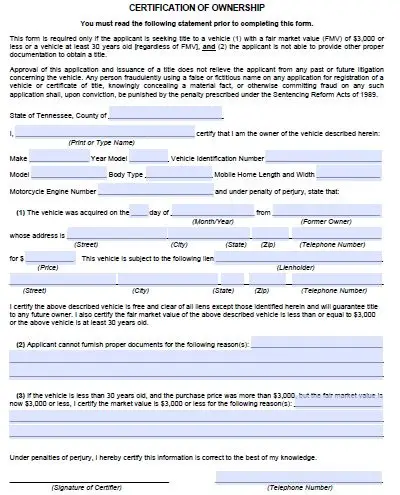
Certificate of Ownership 12
Source: Template Republic
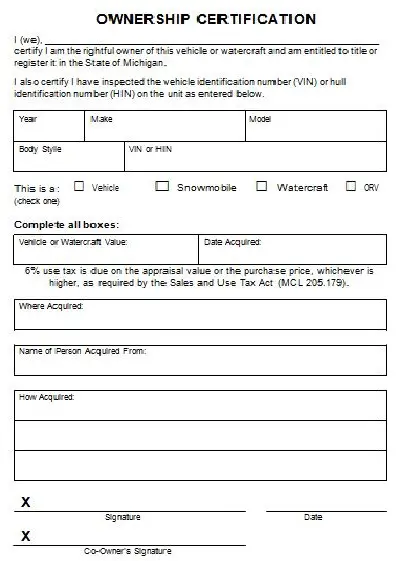
Certificate of Ownership 13
Source: Template Republic
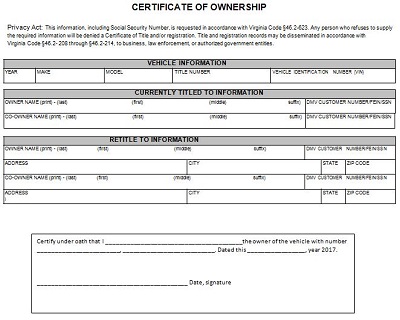
Certificate of Ownership 14
Source: Template Republic
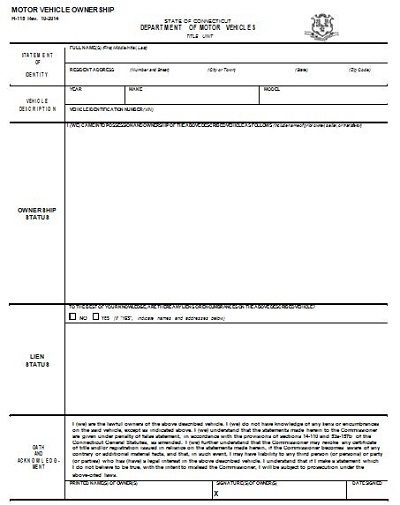
Certificate of Ownership 20
Source: Template Republic
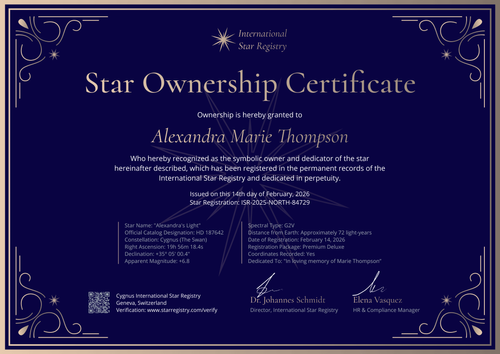
Star Ownership Certificate
Source: Certifier
Business Ownership Certificate
Source: Certifier
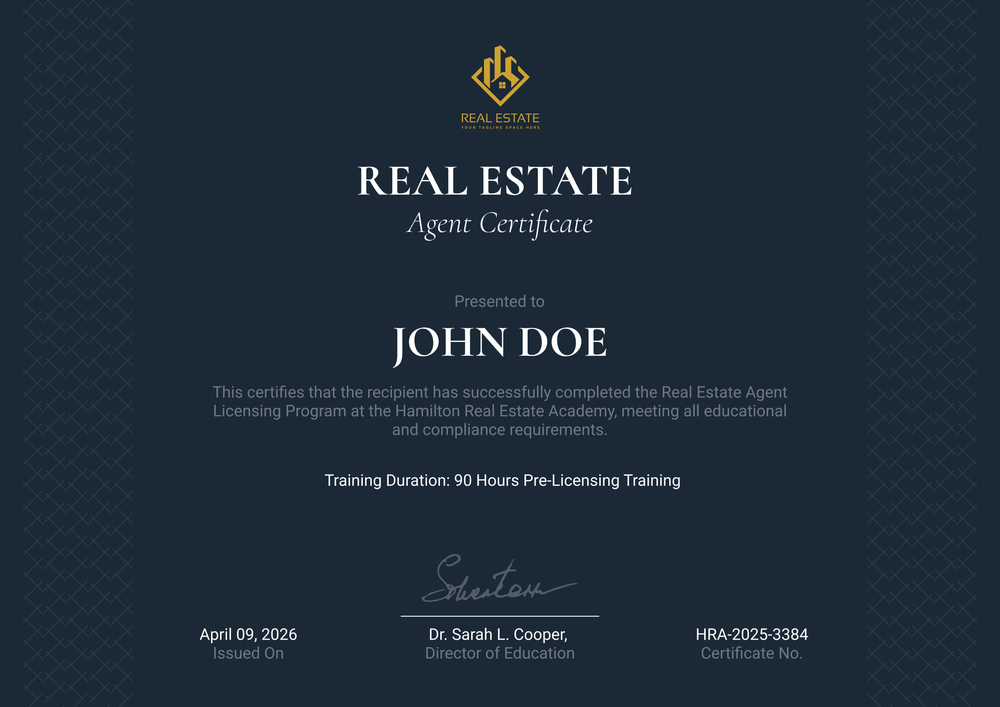
Elegant Blue Real Estate Certificate Template
Source: Certifier
