A strong marketing affiliate feedback loop survey Template is more than a questionnaire sent to partners once or twice a year. It is a structured way to learn what affiliates need, identify friction in the partner journey, understand which resources are useful, and turn recurring comments into measurable improvements. The most valuable design treats feedback as a cycle: ask focused questions, collect responses, analyze patterns, make a change, communicate the change, and then ask again.
This approach is especially useful when an affiliate program has multiple partner types, promotional channels, commission structures, onboarding stages, or communication preferences. A well-designed survey can reveal problems that performance dashboards cannot show by themselves. For example, a partner may generate strong traffic while still finding the reporting interface confusing, the promotional assets difficult to customize, or communication too slow.
The goal is therefore not to create the longest possible questionnaire. The goal is to create a repeatable feedback instrument that produces information a program manager can act on. That means separating measurable ratings from open comments, asking questions about specific stages of the partnership, and connecting responses with operational decisions without compromising respondent trust.
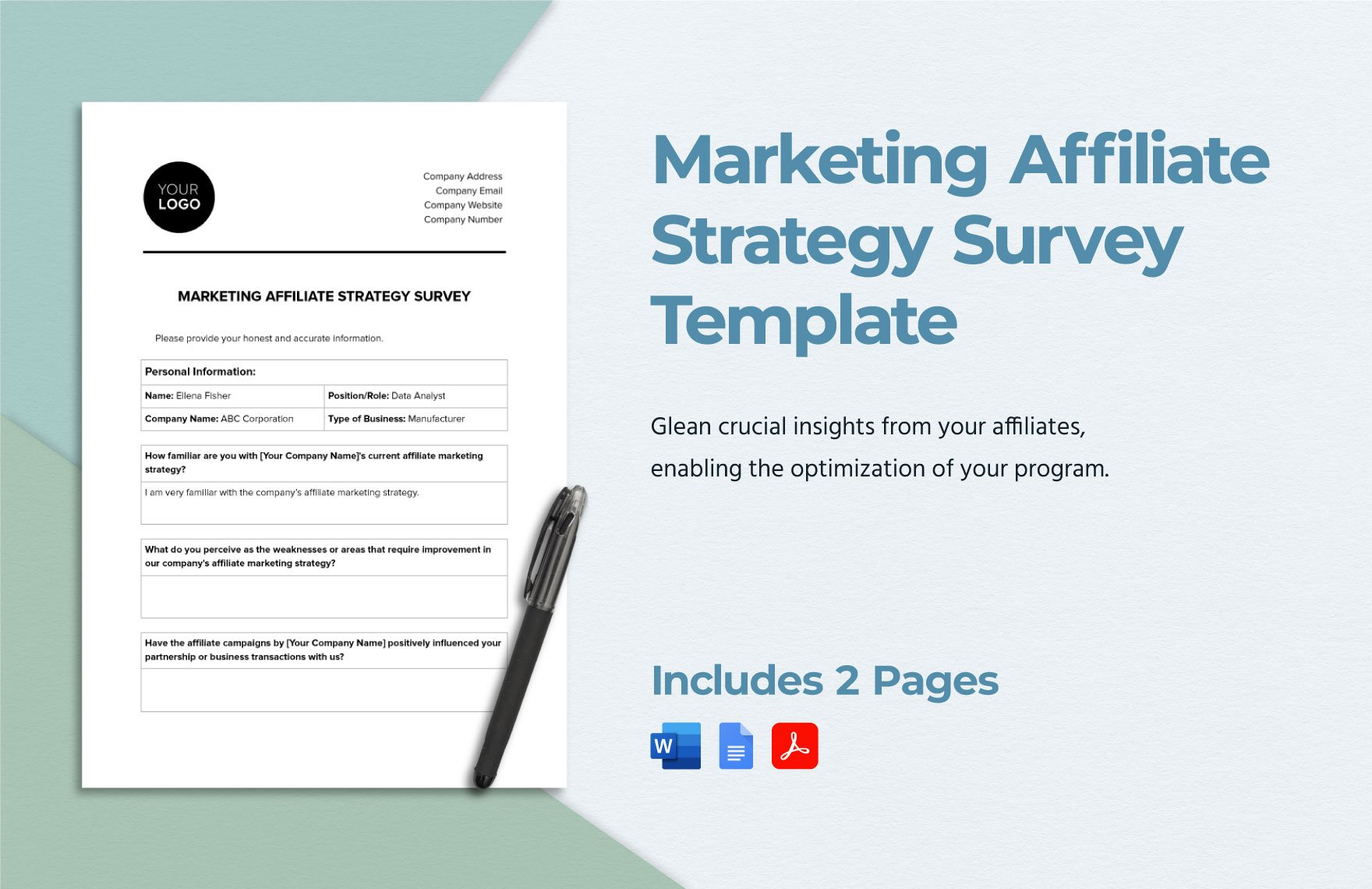
What a marketing affiliate feedback loop survey should accomplish
A feedback loop begins with a clear purpose. In affiliate marketing, the survey may be designed to measure partner satisfaction, understand onboarding friction, evaluate marketing resources, assess communication, identify payment concerns, or discover why otherwise suitable affiliates become inactive. A single survey can cover several of these areas, but each question should have a reason for existing.
The most useful surveys connect questions to decisions. If a team asks affiliates to rate promotional materials, someone should be prepared to review low scores and determine whether the issue involves asset quality, variety, customization, product information, brand rules, or access. If a survey asks about communication, the results should inform channel choice, response expectations, meeting frequency, or account-management practices.
A good template also establishes consistency. Asking the same core questions during recurring survey cycles creates a comparable record of partner sentiment. Additional questions can change as priorities evolve, but the stable core provides continuity. This makes it easier to distinguish a temporary complaint from a recurring structural problem.
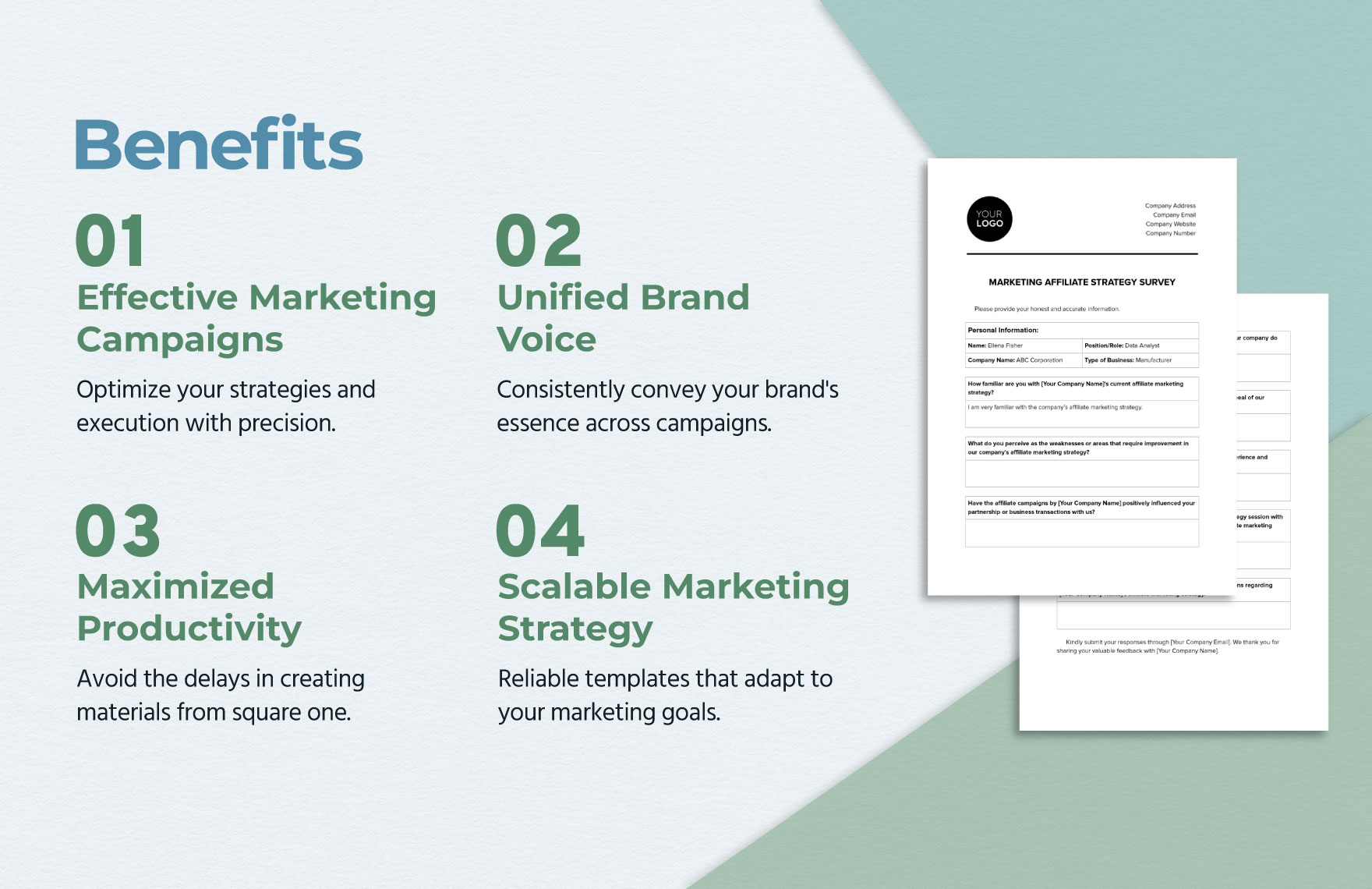
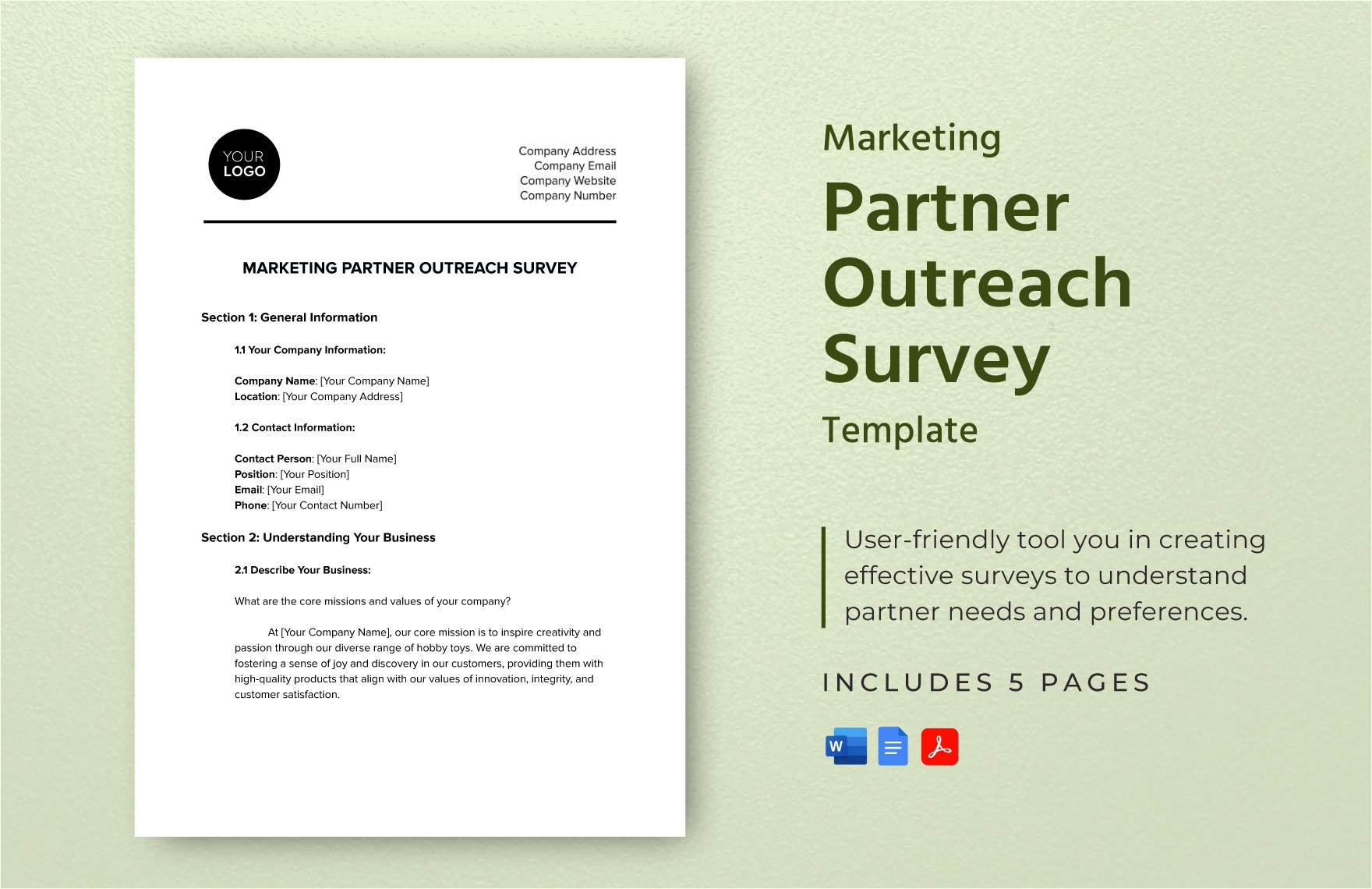
The visual structure of a survey can reinforce this purpose. A clear introduction should tell affiliates why their feedback matters, how long the questionnaire should take, and how responses will be handled. A compact opening section should establish context without asking respondents to repeat information already available in the partner record.
The main body should then move from broad experience to specific areas. A natural sequence is overall satisfaction, onboarding, communication, promotional resources, tracking and reporting, compensation, product fit, and future needs. Ending with an open-ended question gives respondents room to mention issues that predetermined choices did not anticipate.
For recurring research, the template should also identify which questions are diagnostic and which are trend measures. A five-point satisfaction item can be tracked over time, while an open-ended question can reveal the reason behind a change. Keeping those functions separate improves both analysis and interpretation.
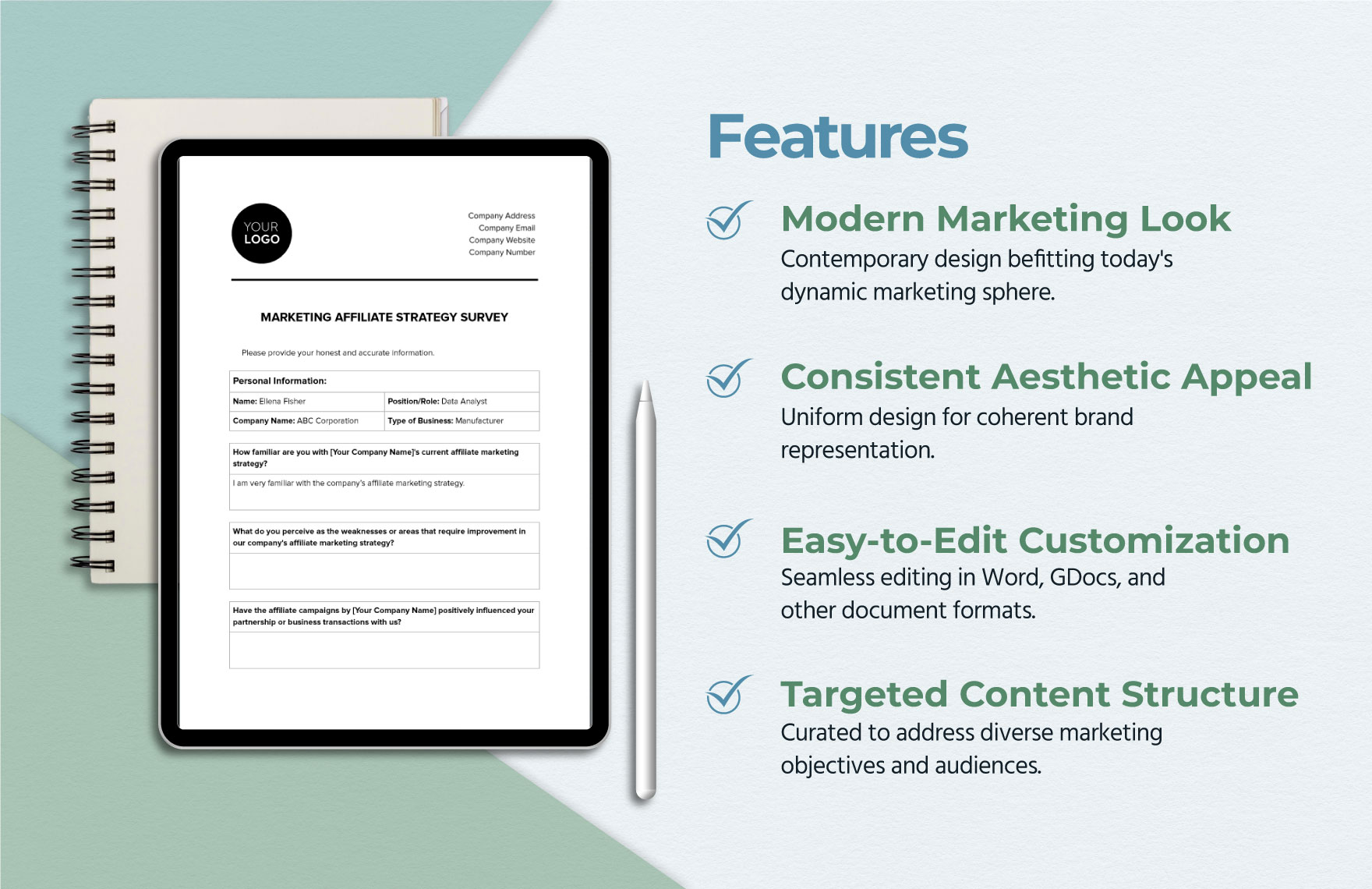
Why the feedback loop matters in affiliate marketing
Affiliate relationships are operational relationships as well as commercial relationships. Partners need accurate product information, usable promotional resources, understandable commission terms, dependable tracking, timely communication, and a clear path for resolving problems. A performance report can show what happened, but it usually cannot explain why an affiliate changed behavior.
Survey feedback adds that missing layer of context. Suppose several partners report that campaign materials are difficult to adapt to their audience. The performance data might show declining promotion volume, but the survey can connect that decline to a specific obstacle. The program manager can then revise the resource library, introduce more flexible assets, clarify brand rules, or create additional guidance.
The loop becomes stronger when the organization tells partners what happened after the survey. A short message such as “you told us the reporting section was difficult to interpret, so we reorganized the key metrics and added clearer definitions” demonstrates that responses are being taken seriously. This also encourages more useful participation in later survey cycles.
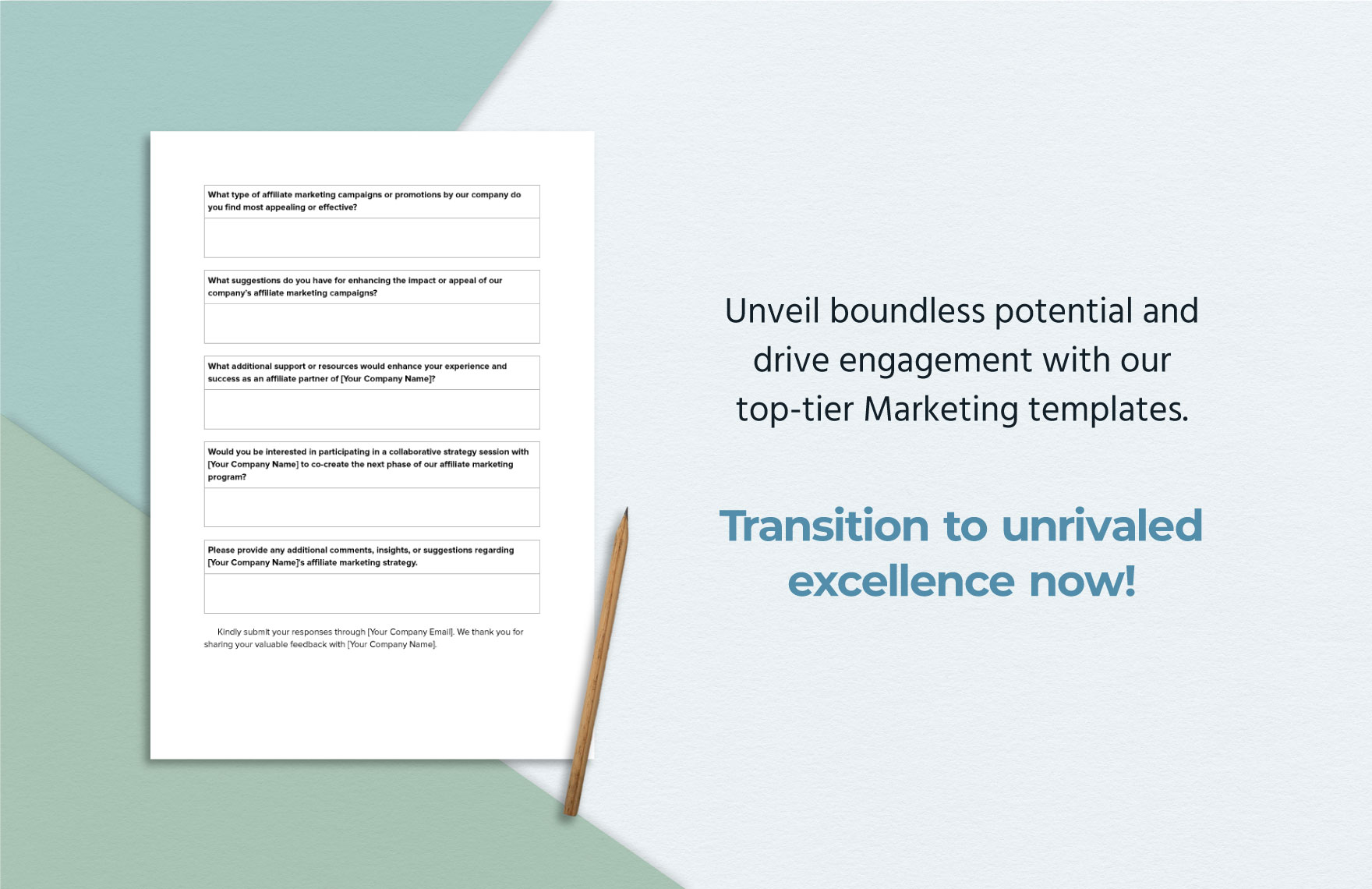
Feedback should not be treated as a substitute for performance measurement. Instead, it should complement quantitative reporting. Clicks, conversions, revenue, commission, conversion rate, and other operational measures describe outcomes, while survey responses describe partner experience and perceived barriers.
Comparing those two perspectives can produce valuable questions. If an affiliate rates the program highly but reports difficulty finding current product information, the team can investigate whether the problem affects future growth. If a partner reports low satisfaction but continues producing strong results, the relationship may require attention before dissatisfaction becomes disengagement.
The strongest feedback systems therefore create a bridge between partner voice and operational data. The survey identifies themes, the dashboard provides context, the team chooses an intervention, and a later survey tests whether the experience improved.
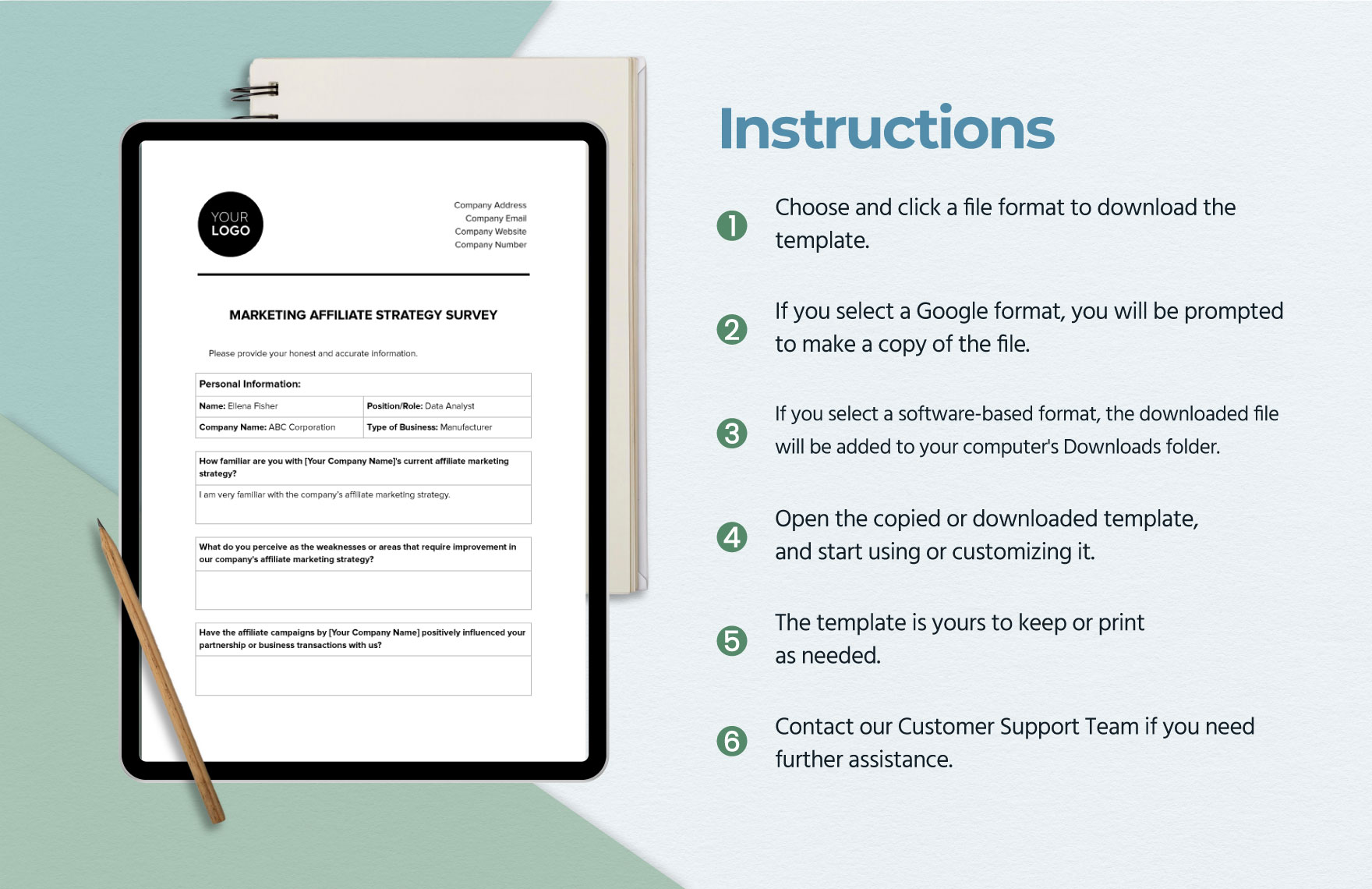
Core components of an effective survey template
A practical template usually begins with respondent context. Useful fields can include affiliate ID, partner type, primary promotional channel, length of relationship, market, and preferred communication method. Avoid collecting information that the program already has unless there is a strong reason to confirm it.
The next component is a consistent rating framework. A five-point scale can measure satisfaction, ease, clarity, usefulness, or confidence. Whatever scale is selected, keep its direction consistent. If higher numbers mean stronger satisfaction in one section, they should not suddenly represent lower satisfaction elsewhere.
Open-ended questions are equally important because affiliate experiences are rarely captured completely by rating scales. A question such as “What is the one change that would make the program easier to promote?” can produce more actionable information than several generic satisfaction items.

Partner profile and relationship context
Profile questions should help with segmentation rather than satisfy curiosity. A program might compare feedback from new affiliates with established partners, content publishers with paid-media partners, or high-volume partners with occasional promoters. The segmentation should be based on information that can influence the interpretation of responses.
Relationship length is particularly useful because expectations change over time. A new affiliate may care most about onboarding, tracking instructions, and promotional guidance. An established partner may care more about product expansion, reporting depth, commission structure, communication quality, or strategic collaboration.
Keep profile questions minimal and explain why they are collected when the purpose is not obvious. The objective is to improve analysis without making the survey feel like administrative paperwork.
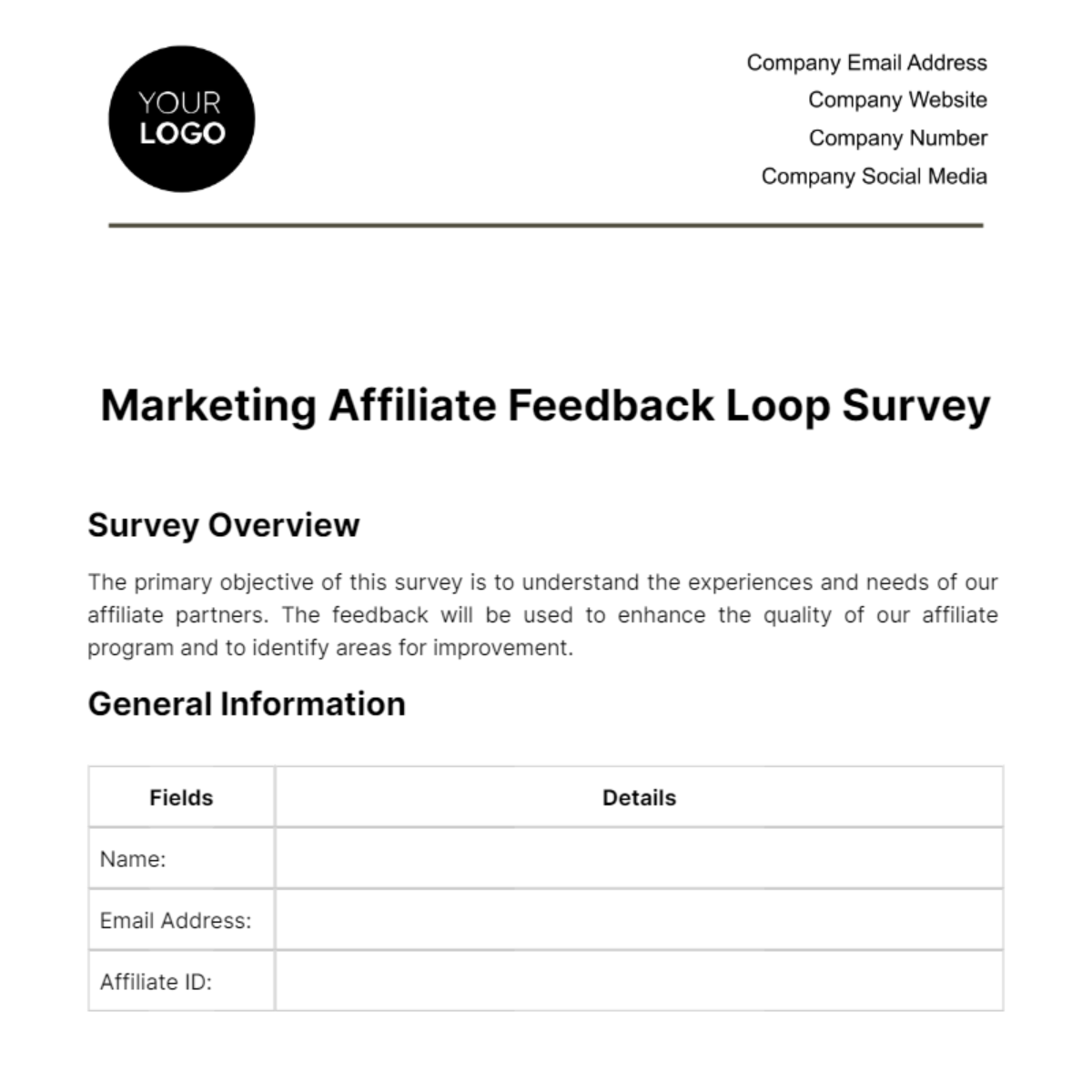
Program experience and satisfaction
The program-experience section should measure the overall health of the relationship. Useful dimensions include onboarding clarity, ease of finding information, responsiveness of support, clarity of commission rules, confidence in tracking, quality of communication, and overall satisfaction.
Questions should be specific enough to support a decision. “Are you satisfied?” provides limited diagnostic value. “How clear are the current commission and payment terms?” produces information that can lead to a concrete review of documentation or communication.
Consider pairing each major rating with one optional comment field rather than adding many open-text questions. This keeps the survey manageable while preserving space for important explanations.
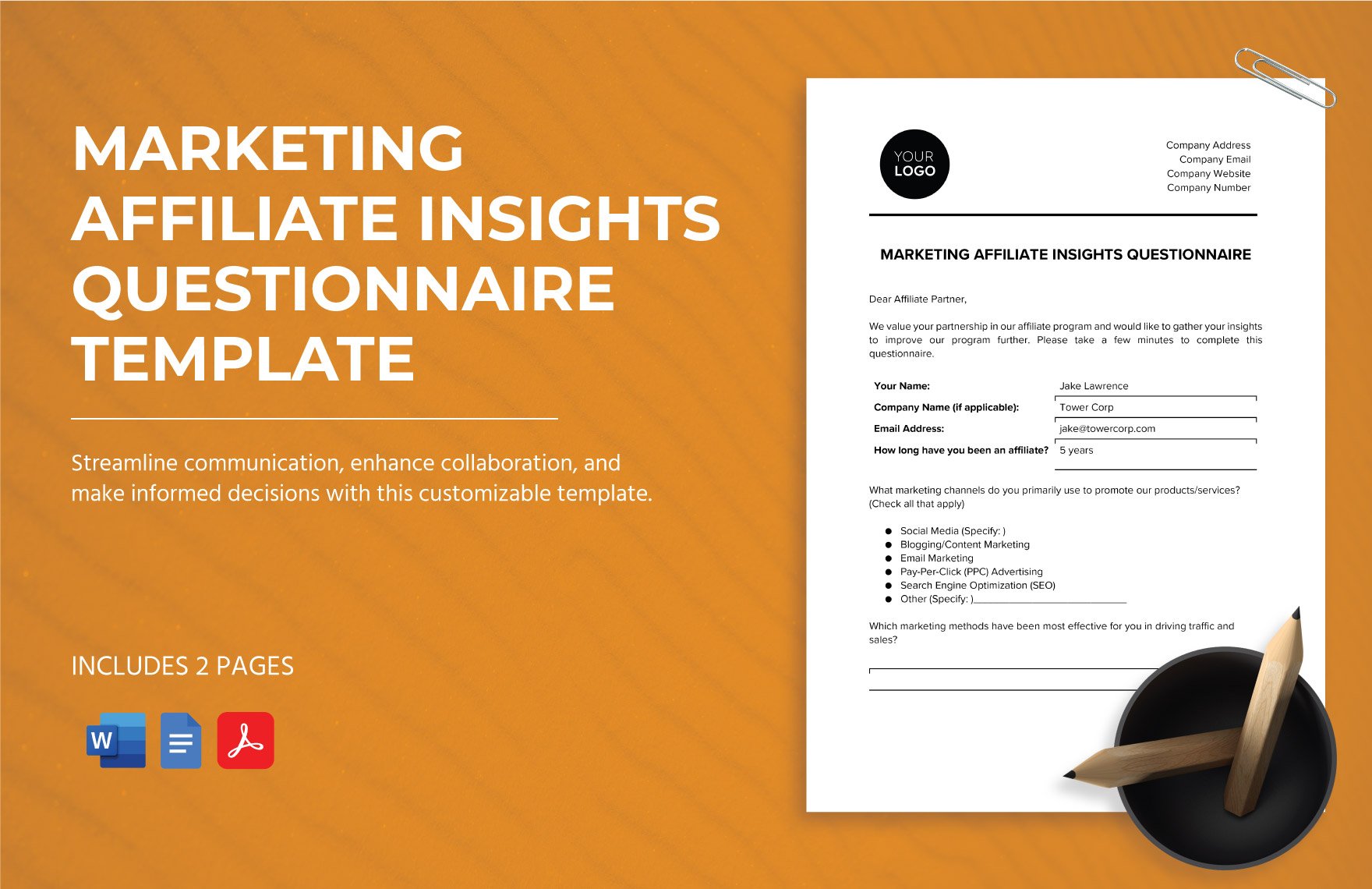
Promotion resources and campaign support
Affiliates often need more than banners or links. Depending on the program, useful resources can include product descriptions, image assets, promotional calendars, comparison points, brand guidance, campaign briefs, email copy, landing-page information, and examples of compliant messaging.
A survey should ask whether resources are easy to find, sufficiently current, relevant to the partner’s audience, and flexible enough to adapt. It can also ask which resource category is missing. That final question is valuable because the answer can guide future content production.
If partners operate across different markets, resource questions should consider localization. A campaign asset that works well in one market may require different language, product positioning, pricing context, or cultural framing elsewhere.
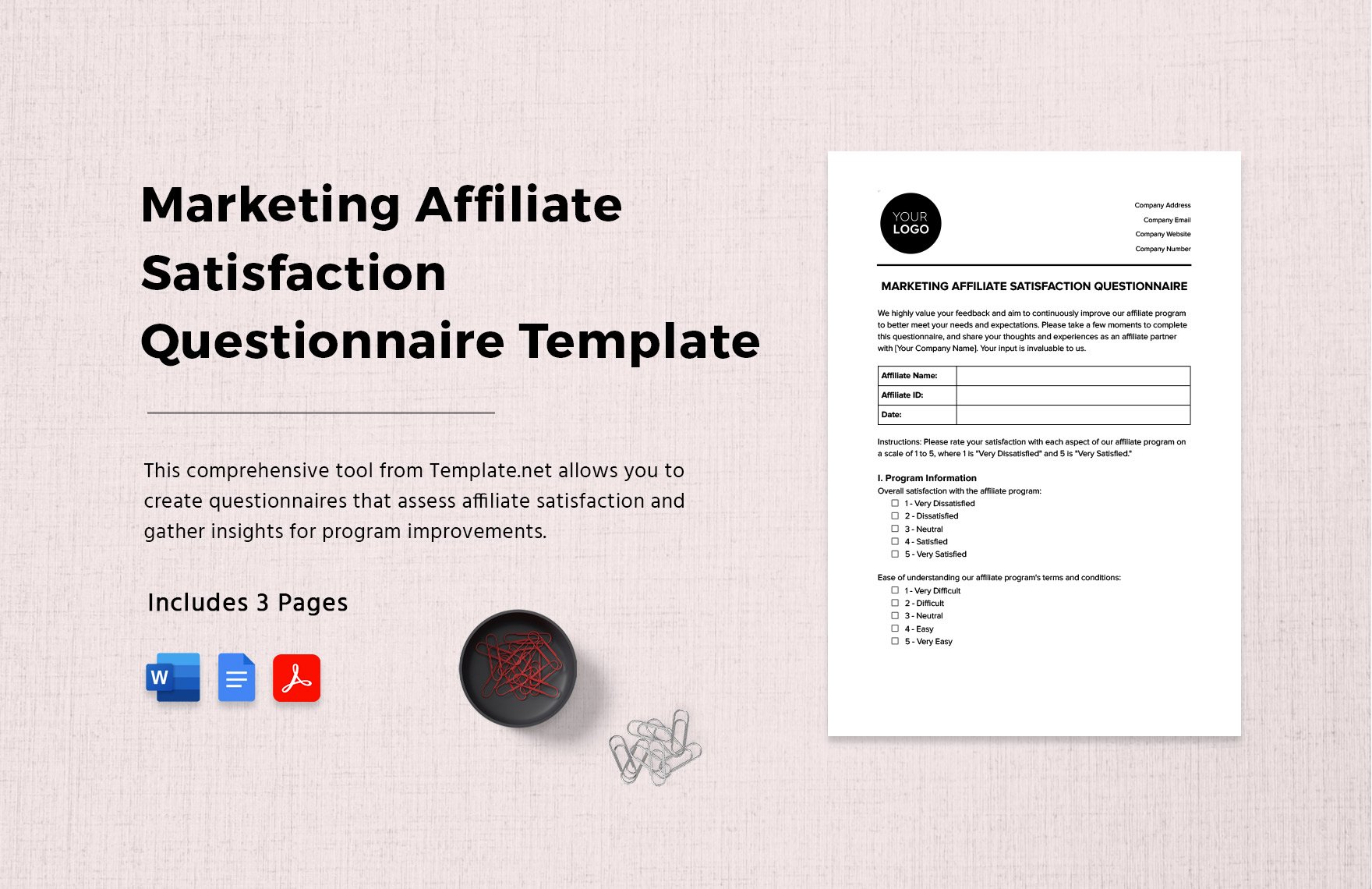
Questions worth including in the feedback loop
A strong questionnaire balances quantitative questions with qualitative prompts. Rating questions are useful for trend analysis, while open responses explain the reasons behind the ratings. The exact wording should reflect the program’s goals rather than copy a generic customer survey.
For overall experience, consider questions about satisfaction, ease of working with the program, clarity of communication, confidence in tracking, and likelihood of continuing the partnership. These questions can establish a baseline before the survey moves into more detailed operational topics.
For improvement research, ask respondents to prioritize rather than rate everything. A prompt such as “Which one change would most improve your experience?” forces a clearer choice and helps the program team distinguish major needs from minor preferences.

For campaign feedback, ask about the usefulness of campaign information, promotional resources, product positioning, launch timing, and communication. If partners promote through different channels, use conditional questions so respondents only evaluate the areas relevant to their work.
For reporting and tracking, ask whether performance information is understandable, timely, sufficiently detailed, and easy to use for decision-making. It can also be useful to ask which metrics partners rely on most and which information they wish they could see more clearly.
For compensation, avoid leading language. Ask whether the structure is understandable, whether payment information is clear, and whether respondents encounter uncertainty around eligibility, attribution, adjustments, or timing. A neutral wording style encourages more credible feedback.
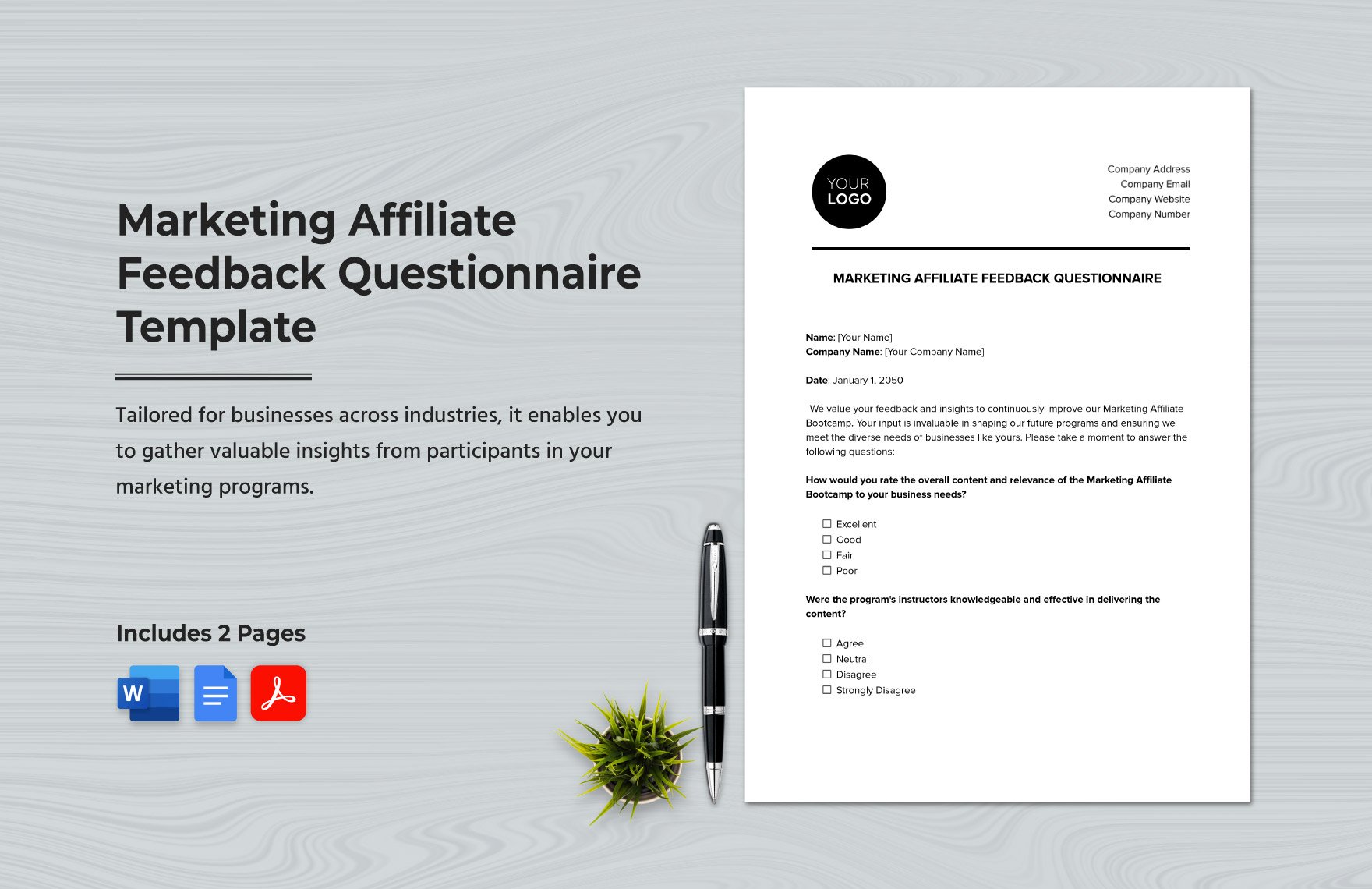
A practical question bank
- Overall experience: How would you rate your overall experience with the affiliate program?
- Onboarding: How clear and useful was the onboarding process?
- Communication: How satisfied are you with the frequency and clarity of program communication?
- Resources: How useful are the promotional materials provided?
- Reporting: How easy is it to understand your performance information?
- Support: How effectively are questions or issues handled?
- Compensation: How clear are the commission and payment terms?
- Product fit: How well do the products or services fit your audience?
- Future needs: What resource, feature, or support would help you promote more effectively?
- Open feedback: What is the most important improvement you would like to see?
These questions can be adjusted for the maturity of the affiliate program. A new program may emphasize onboarding and education, while a mature program may need deeper questions about campaign planning, reporting, product expansion, and strategic collaboration.
Do not put every possible question into one survey. A recurring pulse survey should be shorter than a detailed annual review. If a question does not influence a decision, remove it or place it in a separate research cycle.
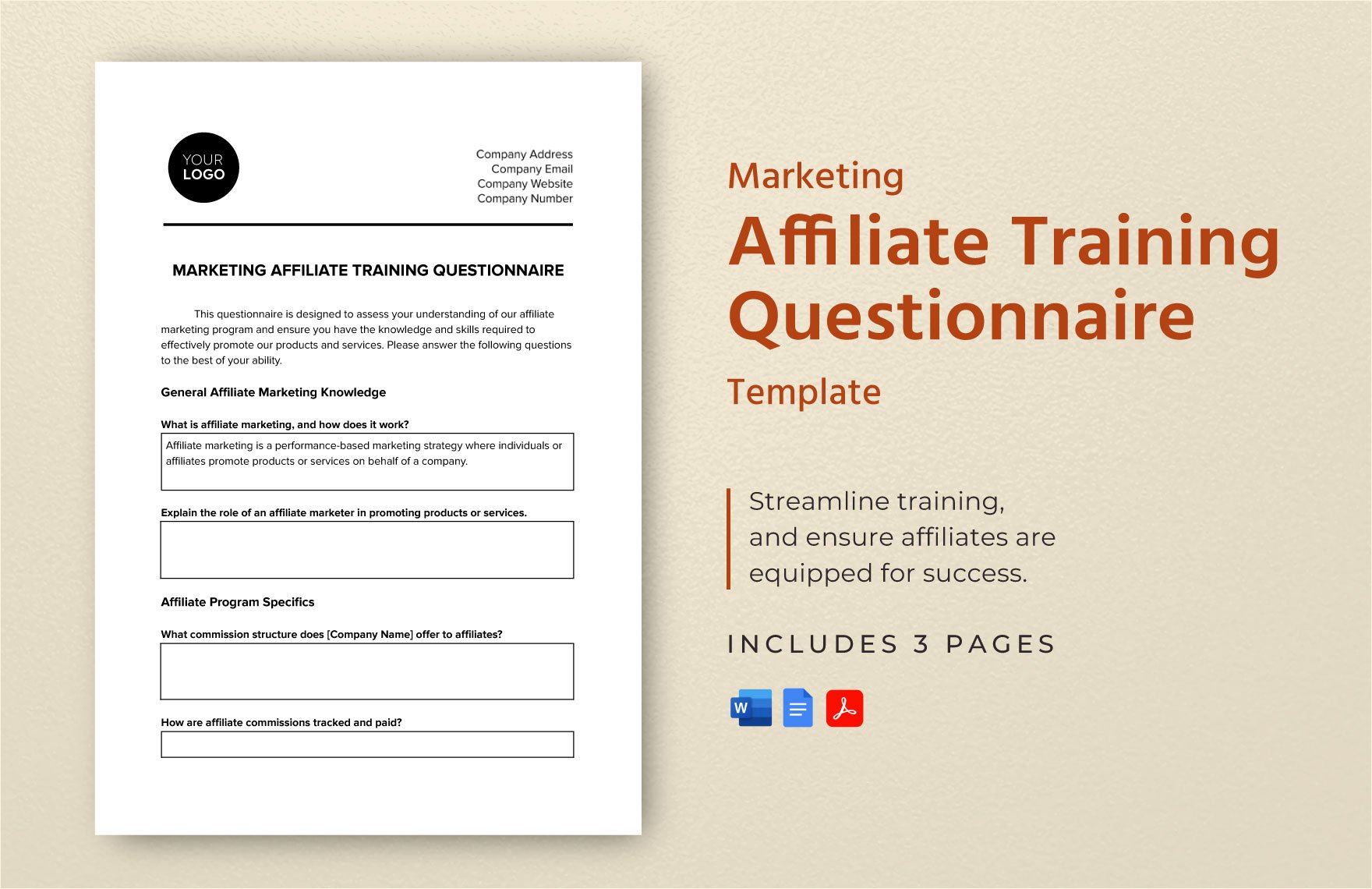
Choosing the right survey format and working environment
The format should match how the survey will be created, reviewed, distributed, and analyzed. A document format is useful when several internal stakeholders need to edit wording before the questionnaire is published. A spreadsheet format is useful when the team wants a structured question bank, response coding plan, or analysis worksheet.
For teams searching for a marketing affiliate feedback loop survey template google docs workflow, a document-based structure can be useful during drafting because stakeholders can comment on wording and organize sections before the final questionnaire is built.
A spreadsheet can support question planning, response coding, segmentation, and recurring reporting. Teams looking for a marketing affiliate feedback loop survey template excel structure can use separate fields for question ID, objective, response type, scale direction, segment, analysis method, and action owner.
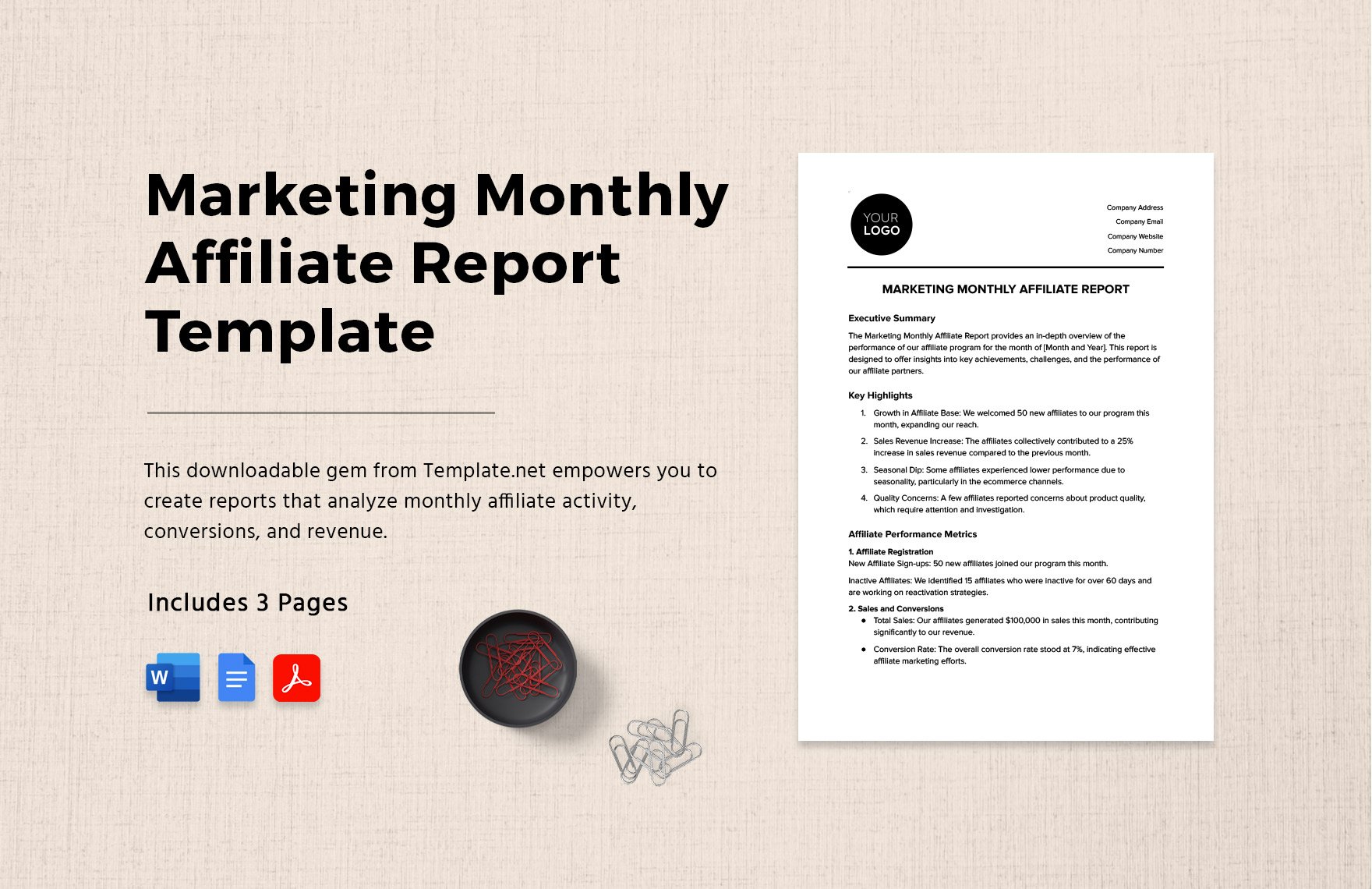
A printable document can be useful for internal review, workshops, partner meetings, or situations where responses are gathered outside a browser. A team considering a marketing affiliate feedback loop survey template pdf format should preserve clear spacing, readable scales, and sufficient room for written comments.
For collaborative document editing, a marketing affiliate feedback loop survey template word workflow can work well when the survey needs formal review, tracked wording changes, or an internal approval process. The same conceptual structure can then be transferred to an online questionnaire.
For cloud-based response management, a marketing affiliate feedback loop survey template google sheets workflow can help organize responses and create recurring analysis views. A connected spreadsheet is particularly useful when survey responses need to be grouped by partner type, market, campaign, or survey cycle.
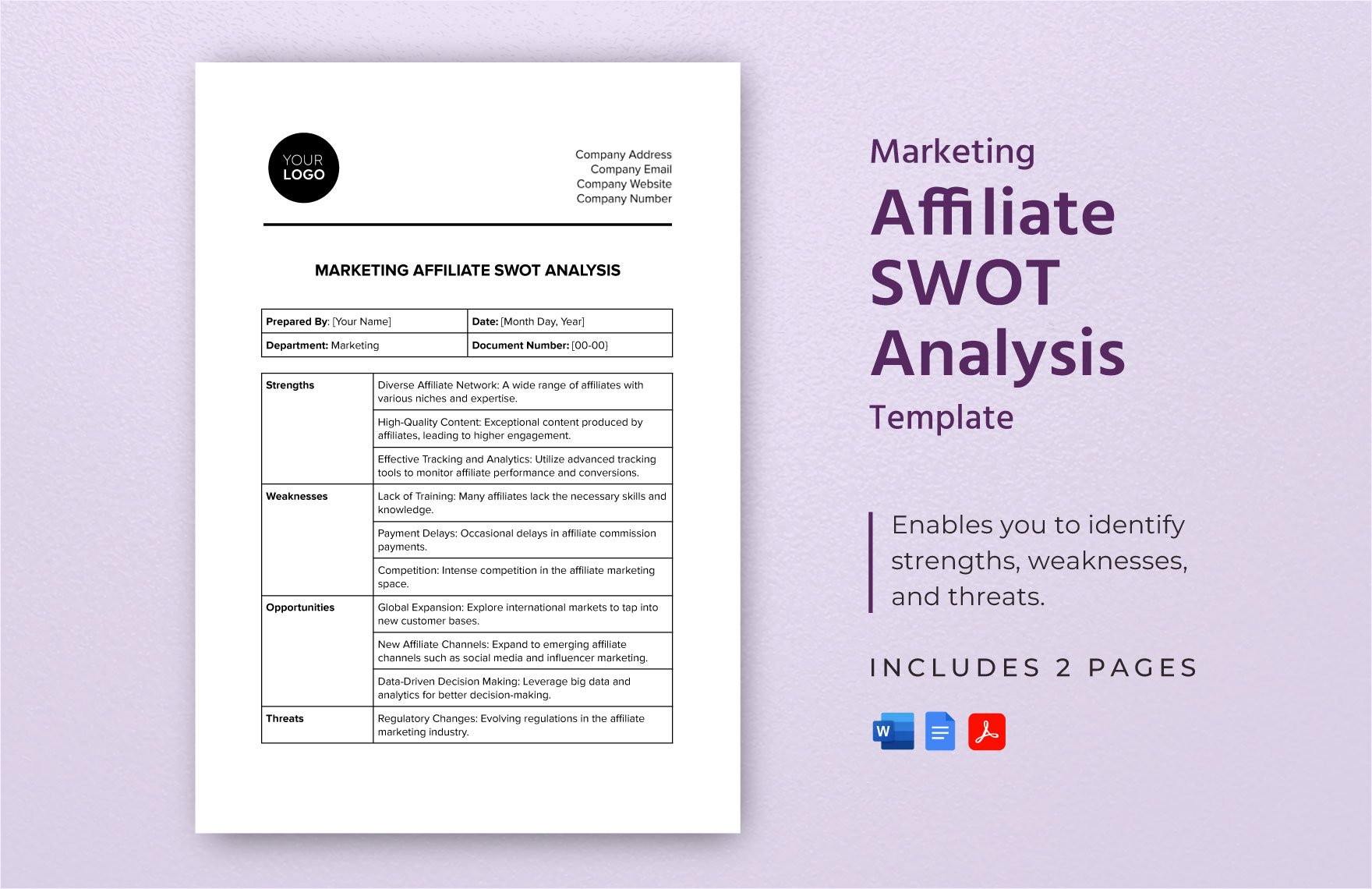
A browser-based questionnaire is often the simplest format for respondents. A marketing affiliate feedback loop survey template google forms structure can use sections, rating questions, multiple-choice items, and long-answer fields to create a straightforward partner feedback flow.
For teams evaluating a marketing affiliate feedback loop survey template questionpro workflow, the key consideration is not the brand of survey platform but whether the system supports the question types, response management, customization, segmentation, and analysis process the program needs.
The phrase marketing affiliate feedback loop survey template form template is also useful when thinking about structure rather than file type. A form should have a clear opening statement, logical sections, consistent answer scales, concise instructions, and a closing prompt that invites meaningful suggestions.
How to create the survey step by step
Start by defining the decision the survey needs to support. Examples include improving onboarding, increasing partner engagement, improving promotional resources, reducing support friction, or understanding why affiliates become inactive. Write the decision in one sentence before writing any questions.
Next, identify the respondent group. Do not assume that every affiliate experiences the program in the same way. If the program has different partner segments, determine whether one survey can serve all groups or whether conditional sections are more appropriate.
Then create a question blueprint. Each question should have an objective, response type, and intended use. A simple internal blueprint might contain columns for question number, topic, wording, answer scale, segment, metric, and owner of the resulting action.

After the blueprint is complete, draft the questionnaire in a clean sequence. Begin with an introduction, then move through experience areas in a predictable order. Avoid abrupt shifts between unrelated subjects because they increase cognitive load and make responses harder to interpret.
Test the questionnaire internally before sending it to partners. Ask reviewers to identify ambiguous wording, overlapping questions, missing response choices, and questions that require information the respondent may not know. A short pilot with a small group can also reveal whether respondents interpret rating scales consistently.
Before launch, define how the results will be handled. Decide who will review responses, how often themes will be summarized, which findings require immediate action, and how changes will be recorded. Without this preparation, even a well-written questionnaire can become an isolated document rather than a feedback system.
How to analyze responses without losing the human context
Begin with descriptive analysis. Review response counts, average ratings, distributions, and differences between important segments. Averages alone can hide polarized experiences, so look at the spread of responses and the proportion of respondents selecting the highest or lowest categories.
For open comments, group responses into themes. Common categories might include onboarding, communication, resources, tracking, compensation, product fit, support, and requests for new capabilities. Keep the original meaning of comments intact when assigning themes, and distinguish recurring themes from isolated suggestions.
Cross-reference survey themes with operational data where appropriate. If several affiliates report that reporting is difficult, inspect whether they are also using the reporting area less frequently or asking support questions about the same topic. The goal is not to prove that one factor caused another, but to identify areas worth investigating.
Trend analysis is especially valuable for recurring surveys. Keep a stable group of core questions and compare results across survey cycles. If satisfaction changes, examine the corresponding comments and operational changes during the same period.
Segment comparisons should be handled carefully. A small subgroup can produce unstable patterns, so avoid making strong decisions from isolated responses. Look for repeated evidence across multiple cycles or combine survey findings with other credible sources of partner feedback.
Qualitative feedback deserves the same discipline as numerical analysis. Record the theme, evidence, affected segment, likely cause, recommended action, priority, and owner. This turns comments into an actionable research record rather than a collection of disconnected quotations.
Closing the loop with affiliates
The feedback loop is incomplete until the organization communicates what it learned and what it will do. This does not mean every suggestion must be implemented. It means respondents should receive a credible signal that their input was reviewed and considered.
A useful follow-up message can summarize major themes without exposing individual responses. For example, a program might report that partners requested clearer campaign calendars, more flexible promotional assets, and simpler reporting terminology. The team can then explain which changes will be made first and which requests require additional evaluation.
Action tracking is essential. Create a simple record containing the issue, evidence, priority, owner, target date, status, and follow-up method. The next survey cycle can then ask whether the relevant experience improved rather than starting from zero.
Communication should also be proportional to the issue. A minor wording problem may need a documentation update, while repeated concerns about payment clarity may require coordination between partner management and finance. A recurring complaint about promotional resources may require content planning rather than a single support response.
The survey should therefore feed a broader partner-management process. Feedback themes can inform training, campaign calendars, resource planning, communication schedules, reporting improvements, and relationship reviews.
When the next survey is sent, include questions that test whether important changes improved the experience. This is the moment when a one-time questionnaire becomes a genuine feedback loop.
Common mistakes that weaken affiliate feedback surveys
The first common mistake is asking too many broad questions. A long list of generic satisfaction items can produce data that looks substantial but offers little direction. Each question should connect to a meaningful decision or measurement objective.
The second mistake is using leading wording. Questions should not imply that a particular feature is good, bad, essential, or expected. Neutral wording gives respondents room to report both positive and negative experiences without feeling that a particular answer is preferred.
The third mistake is mixing different concepts in one question. Asking whether a partner is satisfied with “communication, resources, tracking, and payments” creates an unclear rating because the respondent may feel differently about each topic. Separate concepts should normally receive separate questions.
Another problem is changing the wording of every survey cycle. Small wording changes can make trend comparisons difficult. Keep core questions stable whenever possible and reserve new questions for current priorities.
Ignoring negative comments is another serious weakness. A survey that collects criticism but produces no visible response teaches partners that participation has little value. Even when a requested change cannot be made, the reason should be understood internally and communicated when useful.
Finally, avoid treating the survey as the only source of partner insight. Combine questionnaire results with support themes, partner meetings, performance data, campaign reviews, and direct conversations where appropriate. Multiple evidence sources provide a stronger basis for program decisions.
Practical Solution
The most practical solution is to build one reusable master questionnaire with a stable core and modular sections. Start with five or six recurring measures covering overall satisfaction, communication, resources, reporting, support, and future intent. Then create optional sections for onboarding, campaign feedback, compensation, product fit, or specific initiatives.
Use a simple operating cycle. In the first stage, define the business question and select the relevant survey module. In the second stage, send the questionnaire to the appropriate partner segment. In the third stage, analyze ratings and comments together. In the fourth stage, convert important findings into named actions with owners and deadlines. In the fifth stage, communicate the major changes back to partners.
For a small affiliate program, the system can remain lightweight. A document can hold the question bank, a spreadsheet can organize results, and a browser-based form can collect responses. The important part is the connection between those pieces. The survey should not exist separately from the workflow used to review and act on its findings.
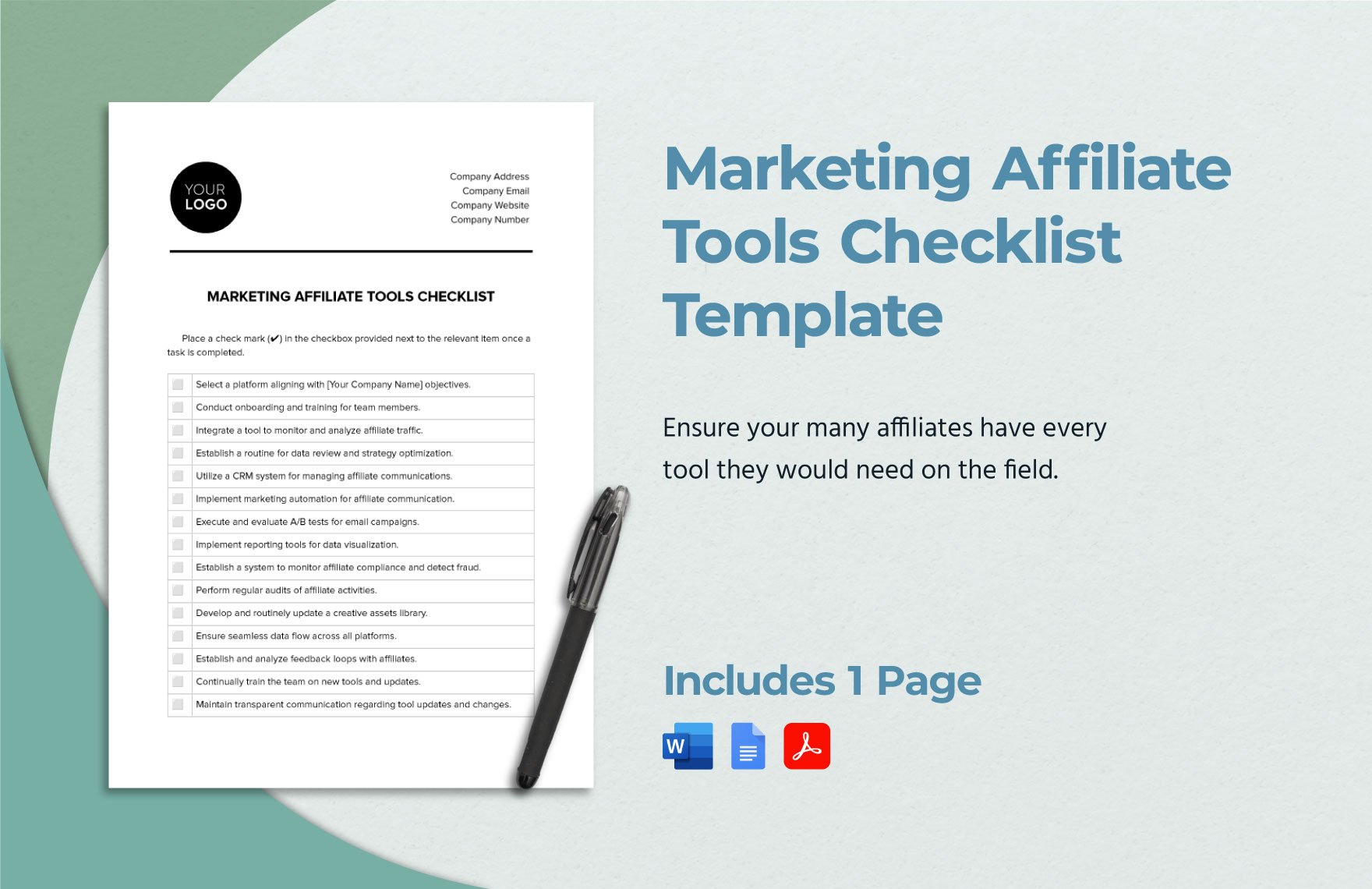
For a larger program, create a survey governance process. Assign one person to maintain the question bank, another owner for response analysis, and clear owners for actions generated from feedback. Establish a recurring review period and keep a record of changes made because of survey findings.
A useful scoring framework can combine several dimensions without turning them into an artificial single score. For example, track satisfaction, ease, resource usefulness, communication quality, and confidence in reporting separately. This makes it easier to see which part of the partner experience is improving and which part is deteriorating.
If you operate across multiple markets, localize the survey carefully. A team searching for a marketing affiliate feedback loop survey template uk structure may need wording and examples that fit UK partners, while another market may require different terminology or communication expectations. Localization should preserve the underlying research objective while adapting language and context.
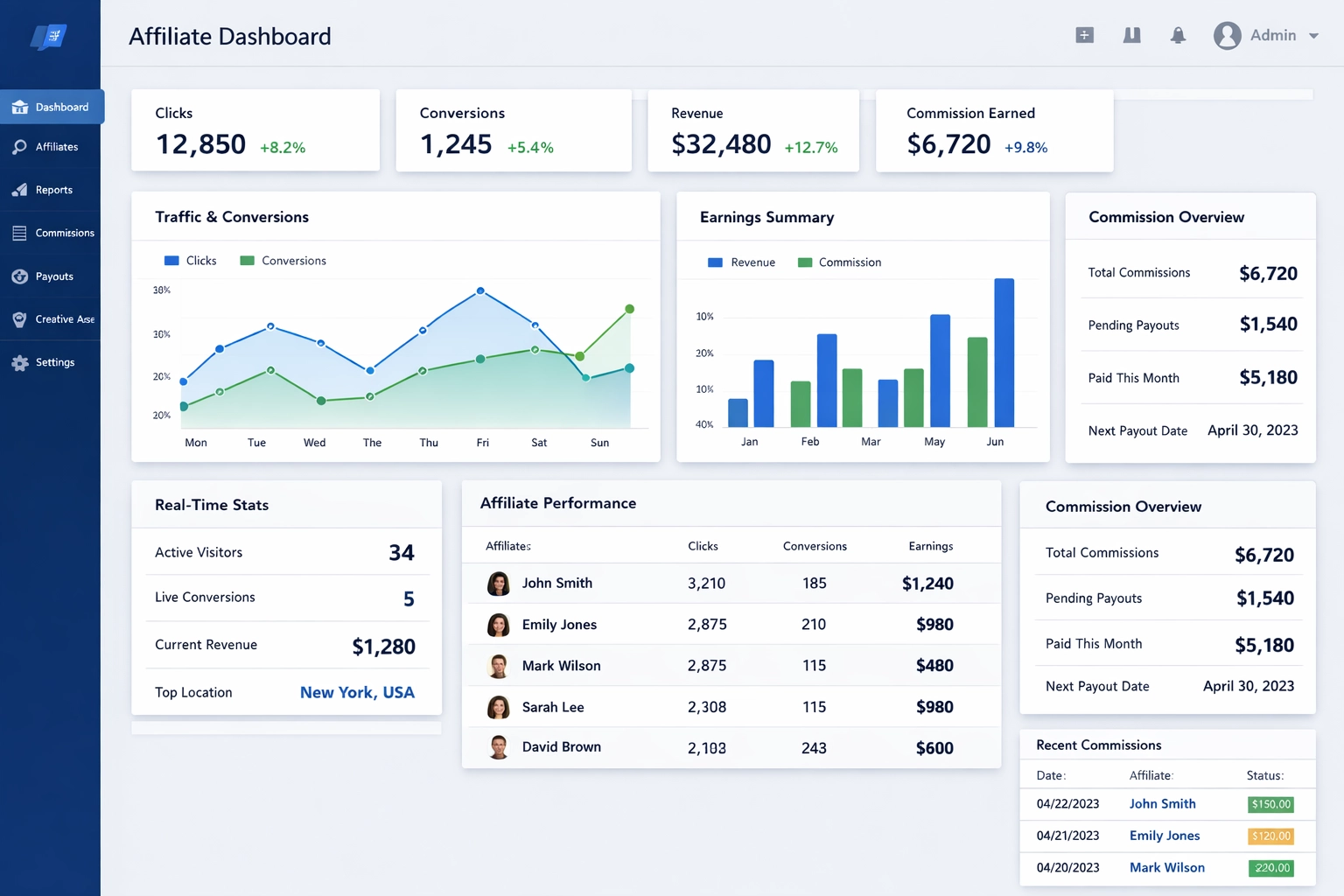
Finally, schedule a review of the survey itself. A feedback questionnaire should evolve as the affiliate program changes. Remove questions that no longer support decisions, refine ambiguous wording, add targeted questions for new initiatives, and preserve enough stable measures to maintain trend continuity.
When the survey is designed this way, it becomes a management instrument rather than a static form. Partners gain a structured channel for raising issues, managers gain clearer evidence for prioritization, and the organization creates a repeatable mechanism for learning from the people who actively promote its products or services.

The finished system should make three things easy: asking the right question, understanding the response, and taking the next action. If any one of those stages is missing, the feedback loop becomes weaker. If all three are connected, the questionnaire can become a reliable source of partner insight that supports better communication, stronger resources, and more informed affiliate program decisions.

Reference Examples
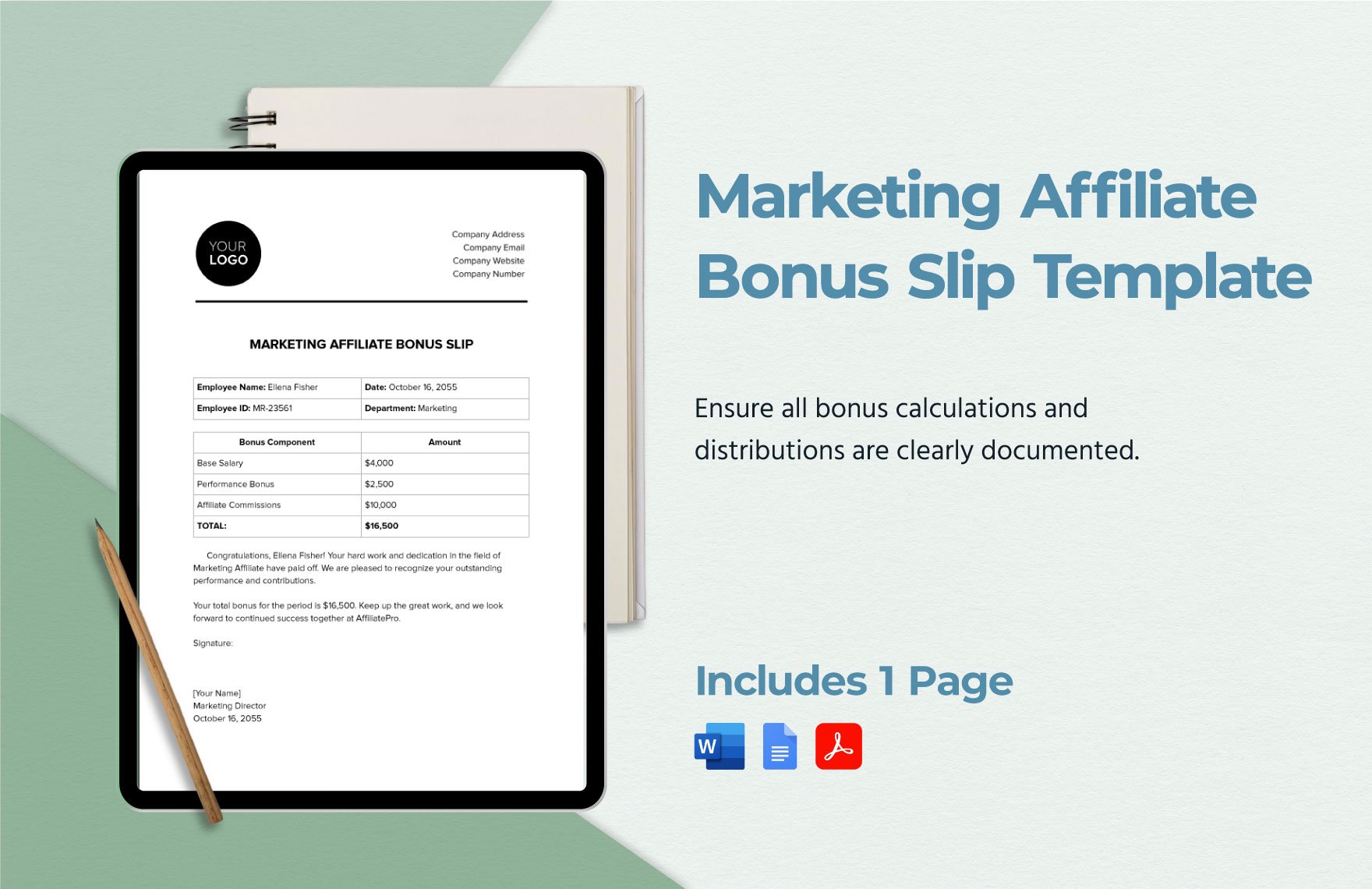
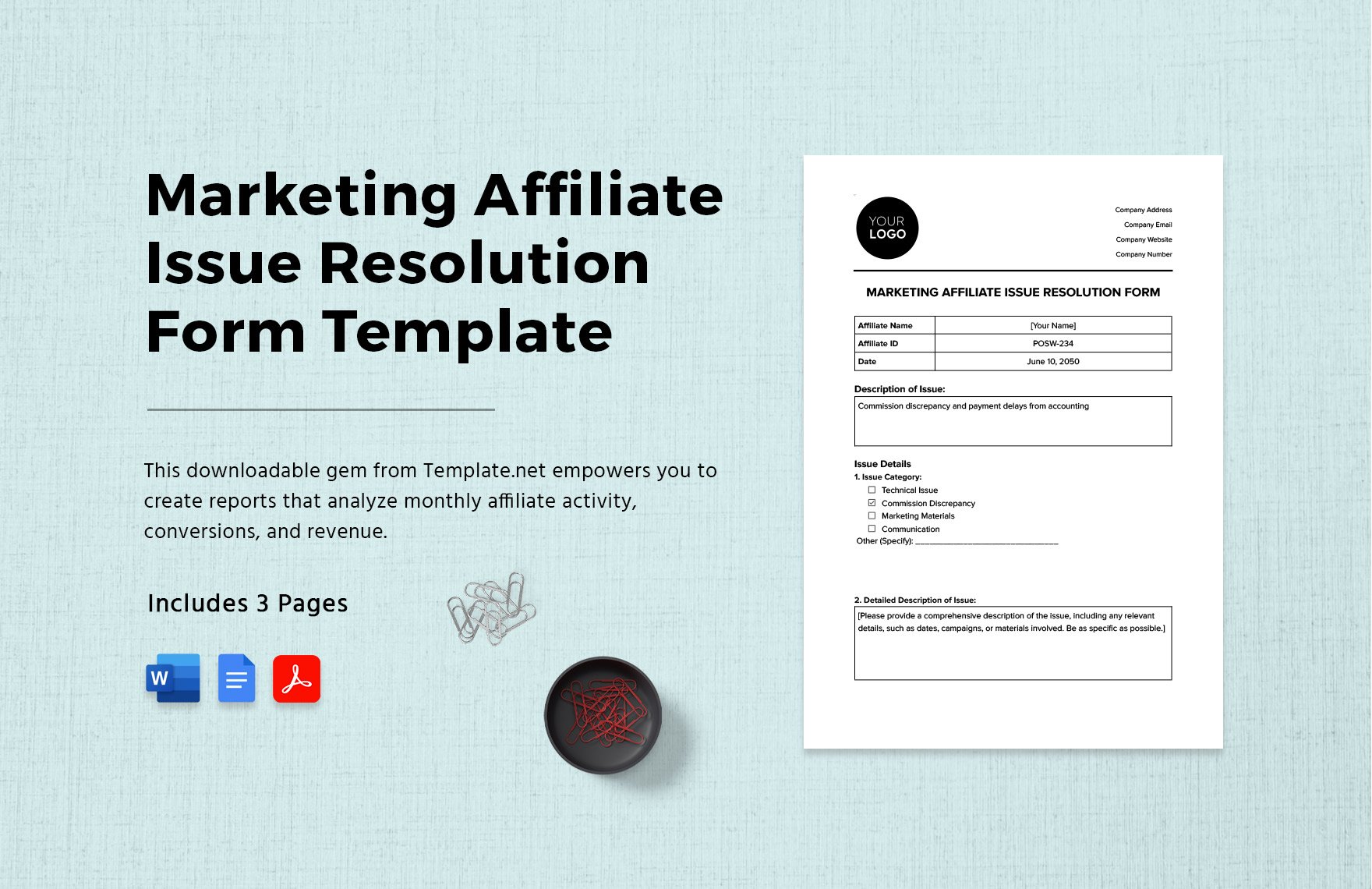
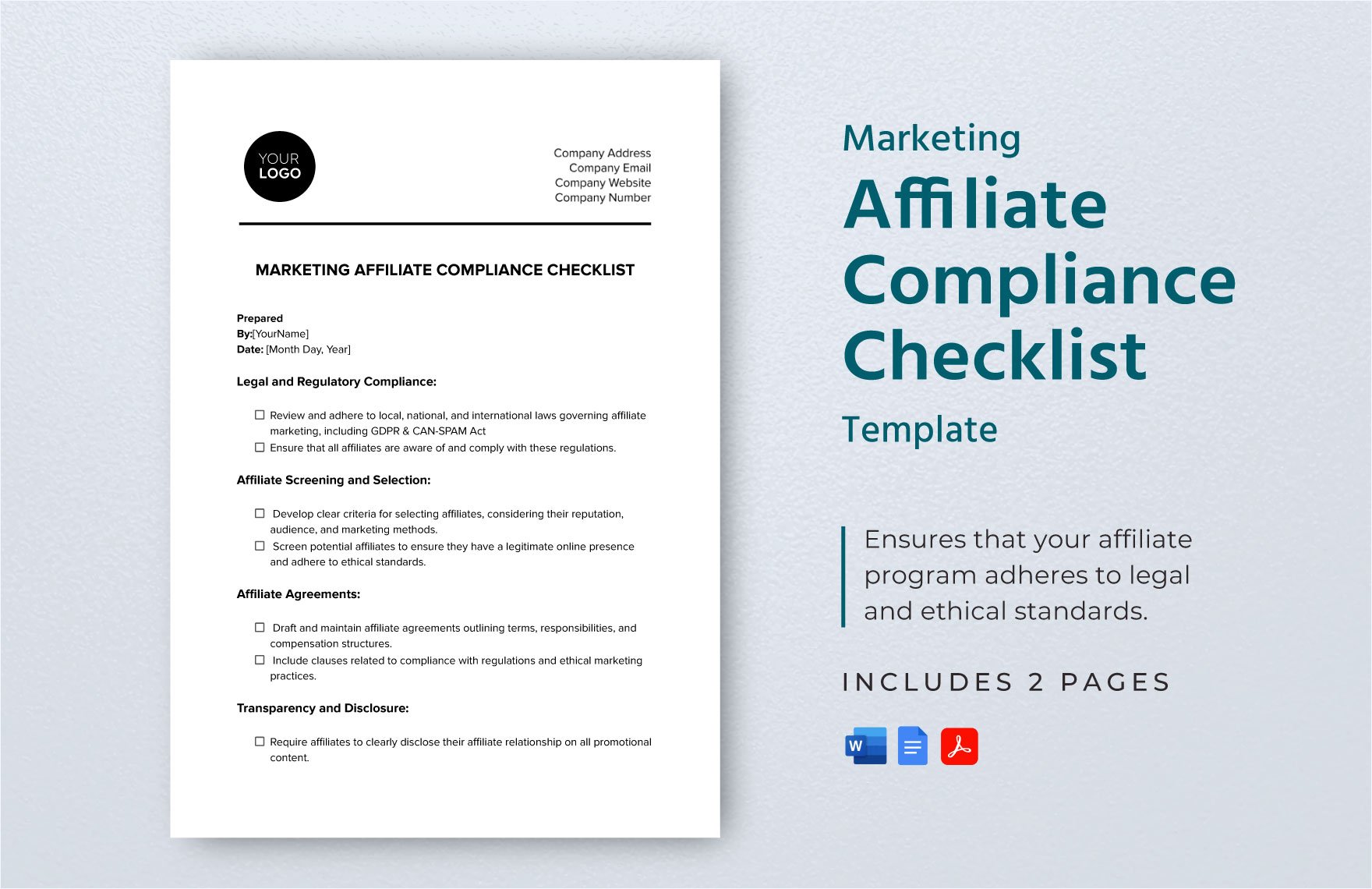
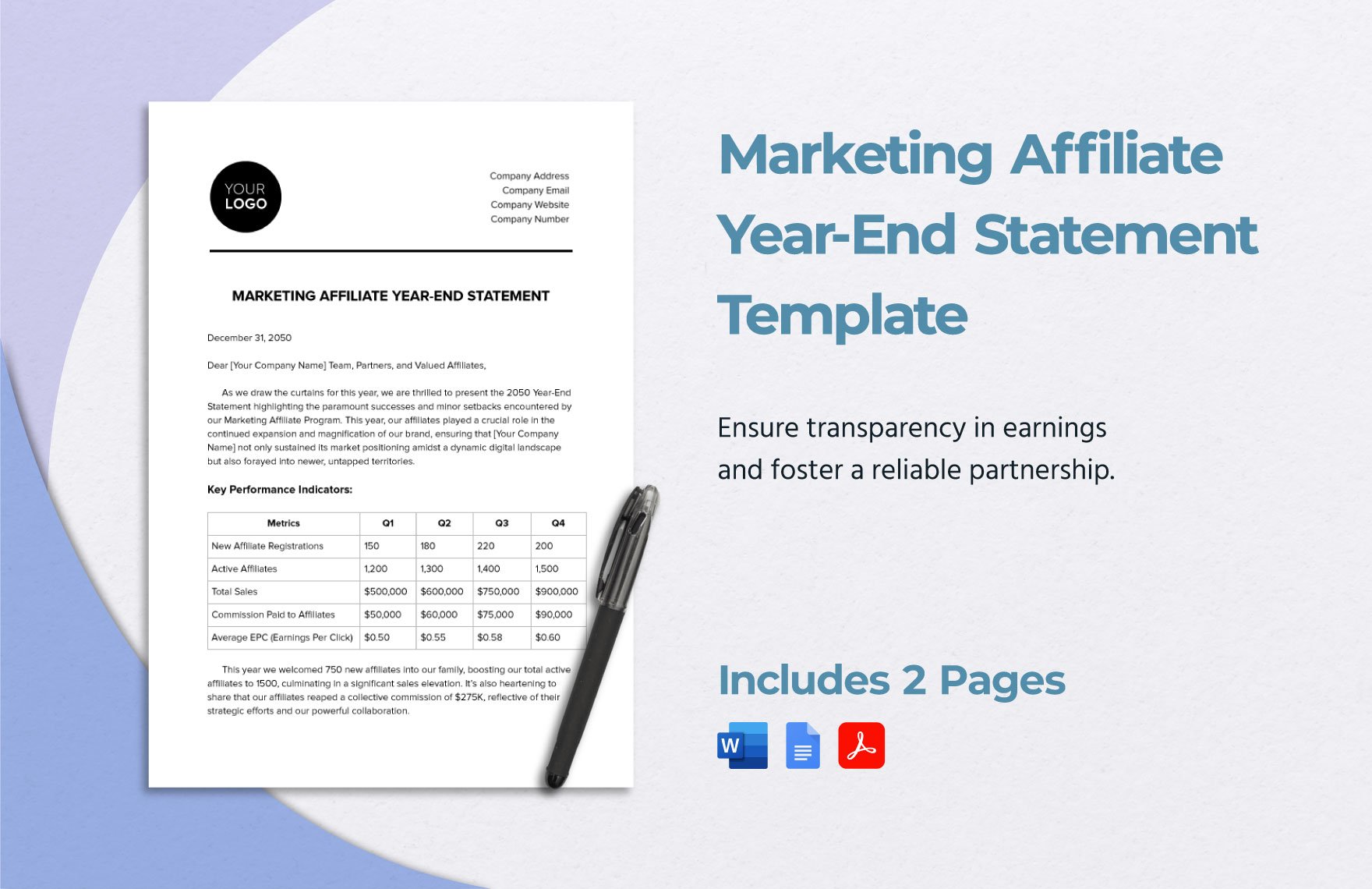
A marketing affiliate feedback loop survey Template is easiest to evaluate when its structure can be compared with real examples of affiliate questionnaires, partner forms, reporting documents, and operational templates. The references below show different ways information can be organized, from structured feedback and issue records to performance summaries and program-management documents. They are useful visual benchmarks for judging hierarchy, spacing, question grouping, rating scales, document flow, and the relationship between feedback collection and subsequent management action.
These reference visuals also demonstrate why the best survey design is connected to the wider affiliate workflow. A questionnaire can capture satisfaction, but the surrounding system may need separate records for issues, tools, compliance, performance, schedules, and financial review. Looking at these formats together helps a marketer design a survey that fits an existing partner-management process instead of creating a disconnected questionnaire.
Marketing Affiliate Bonus Slip Template
Source: Template.net
Marketing Affiliate Issue Resolution Form Template
Source: Template.net
Marketing Affiliate Compliance Checklist Template
Source: Template.net
Marketing Affiliate Year-End Statement Template
Source: Template.net
Marketing Affiliate Tools Checklist Template
Source: Template.net
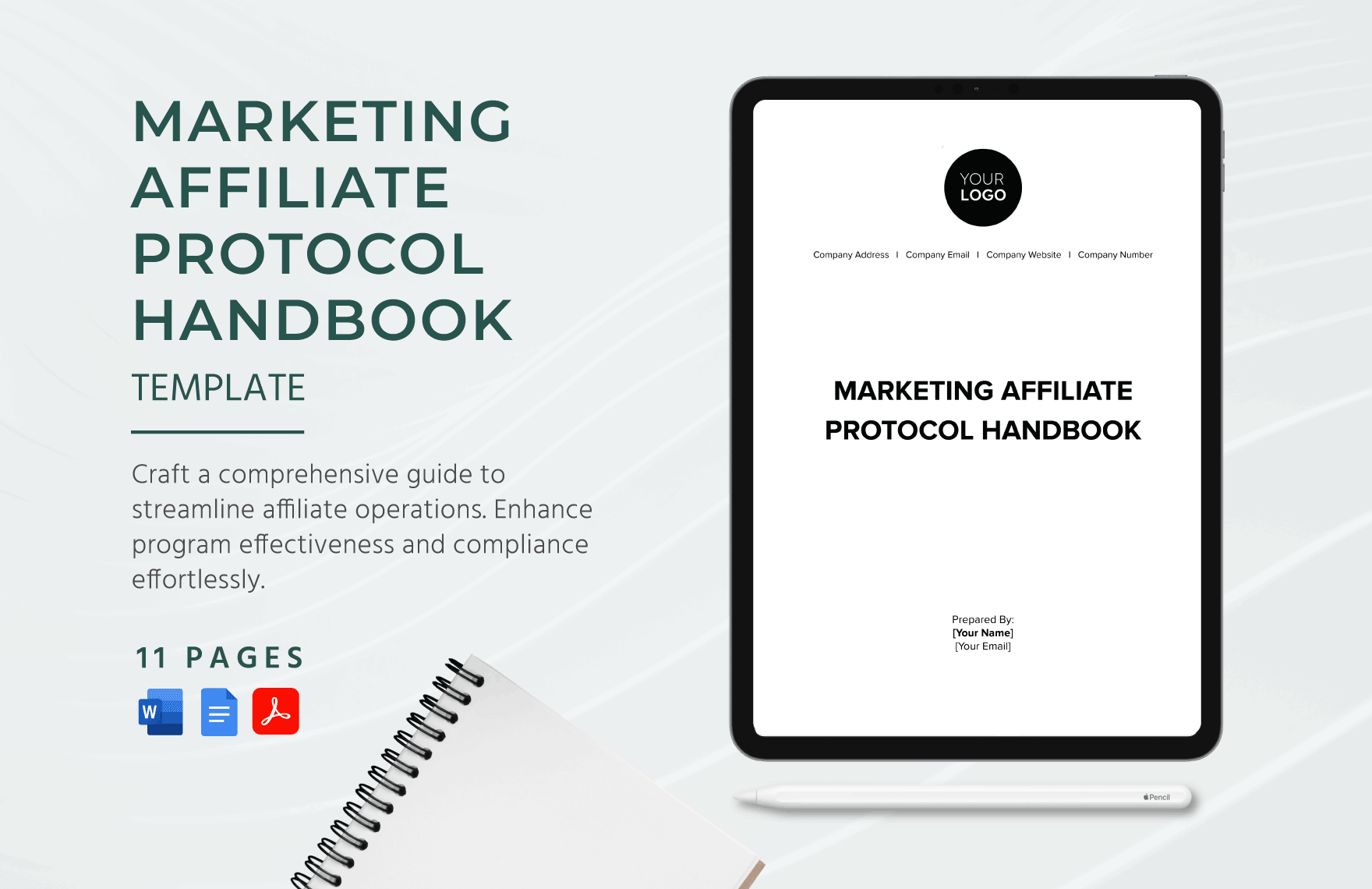
Marketing Affiliate Protocol Handbook Template
Source: Template.net
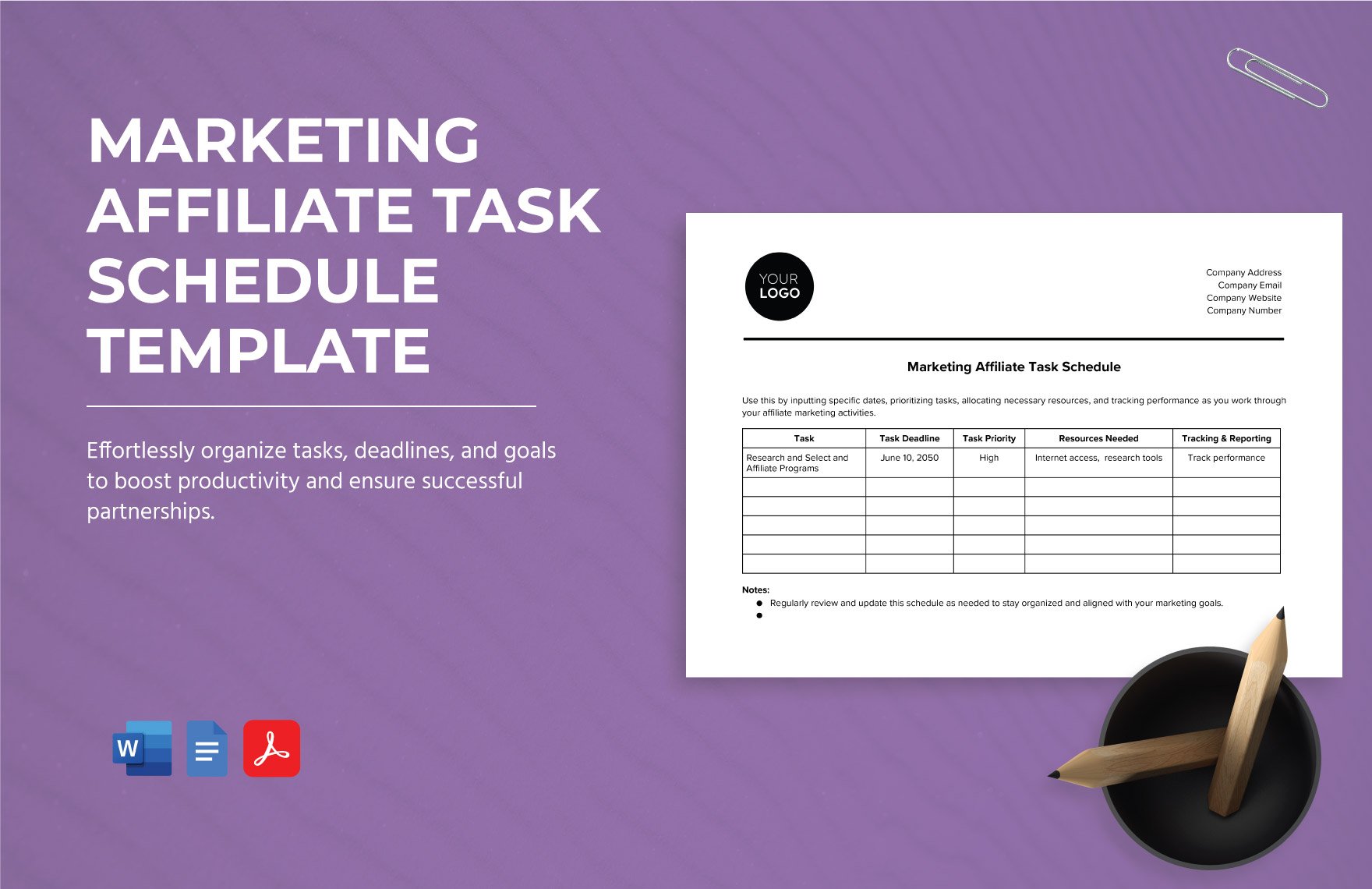
Marketing Affiliate Task Schedule Template
Source: Template.net
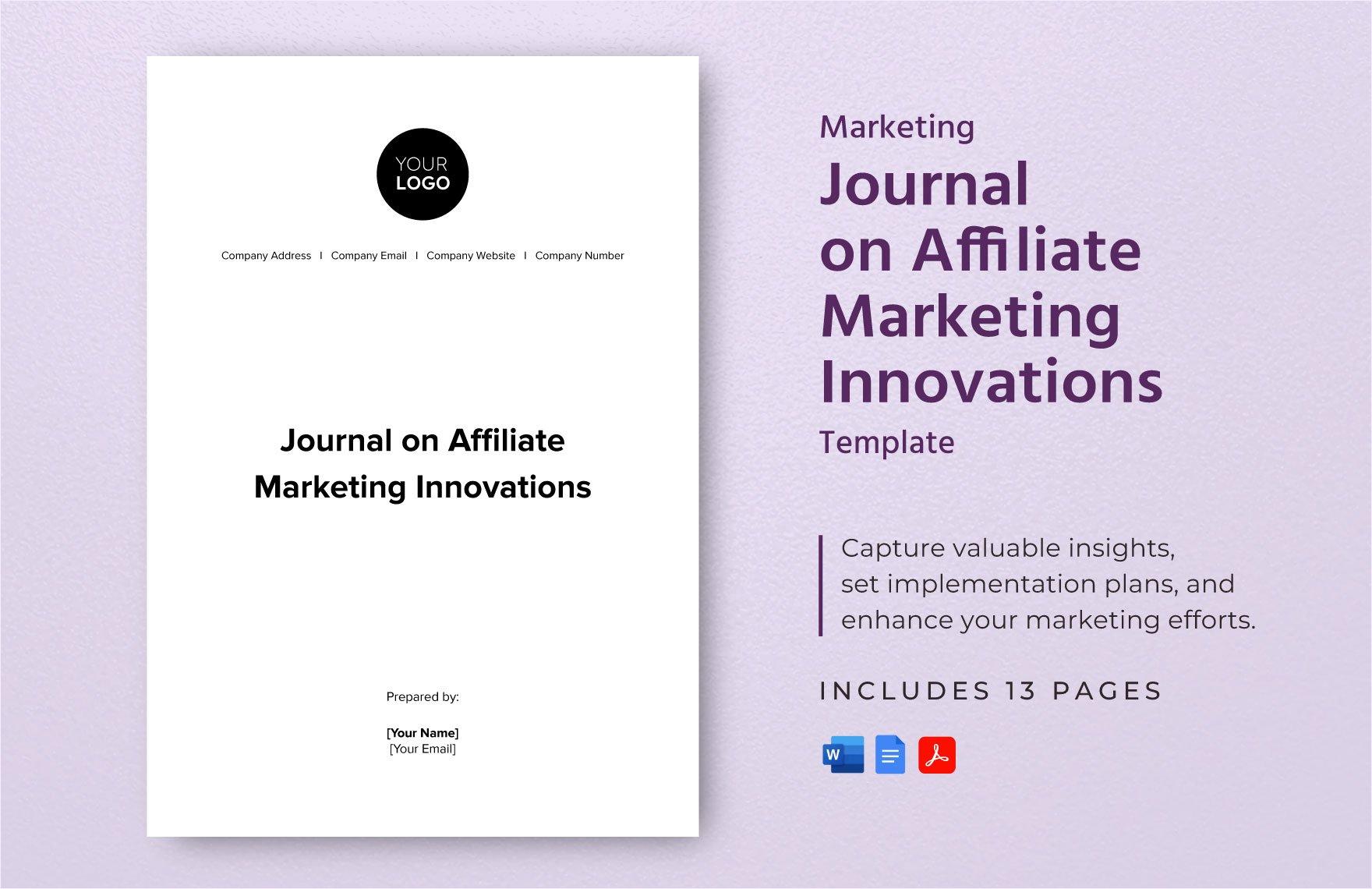
Journal on Affiliate Marketing Innovations Template
Source: Template.net

Marketing Affiliate Program Proposal Template
Source: Template.net

Marketing Affiliate Financial Projection Analysis Template
Source: Template.net
